
Paisaje — History & Facts
In the vibrant interplay of hues, a world of transformation unfolds, inviting introspection and wonder. Look to the left at the sweeping hills, their green and gold swathes cascading down like gentle waves. The artist's brushstrokes breathe life into the landscape, while the interplay of light and shadow creates an atmospheric depth that pulls the viewer into its tranquility. Soft pastels contrast with bold accents, suggesting a fleeting moment captured in time, poised between the stillness of nature and the dynamic pulse of change. Beneath the surface, a sense of contrast simmers.
The harmony of color whispers of serenity, yet the slight turbulence in the clouds hints at an inevitable shift. The delicate interplay between bold and muted tones symbolizes the tension between permanence and transition, echoing the eternal dialogue between the observer and the observed. Each detail—be it the sway of the trees or the distant mountains—reflects an inner journey, urging the viewer to contemplate their own transformations within this serene yet charged landscape. In 1911, Martín Malharro created Paisaje during a period of artistic exploration influenced by modernism in Argentina.
Emerging from a background steeped in realism, he sought to embrace a more expressive approach to landscape, forging a connection between the emotional depth of nature and the artist's inner experience. This work emerged as he evolved his style, contributing to the burgeoning dialogue of modern art in South America.
More Artworks by Martín Malharro
Browse all →
Las parvas (la pampa de hoy)
Martín Malharro
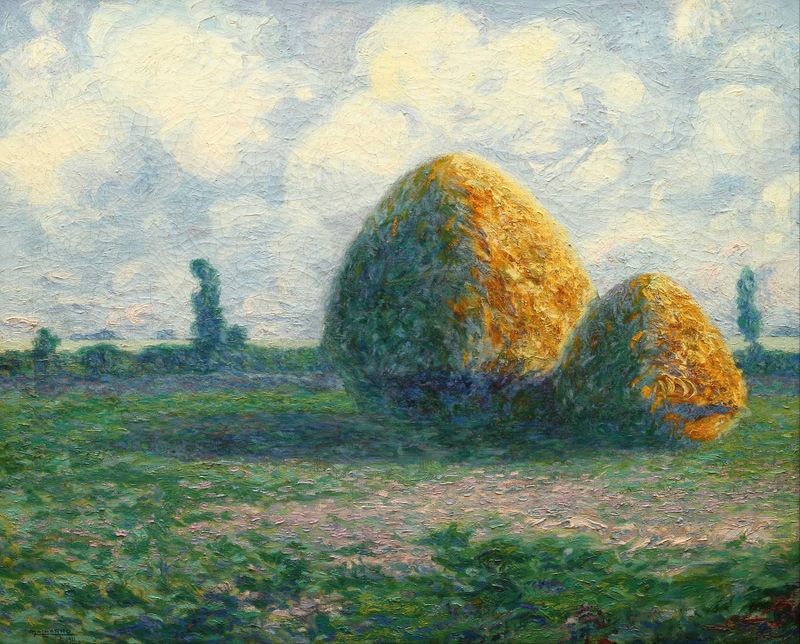
Las parvas (la pampa de hoy)
Martín Malharro
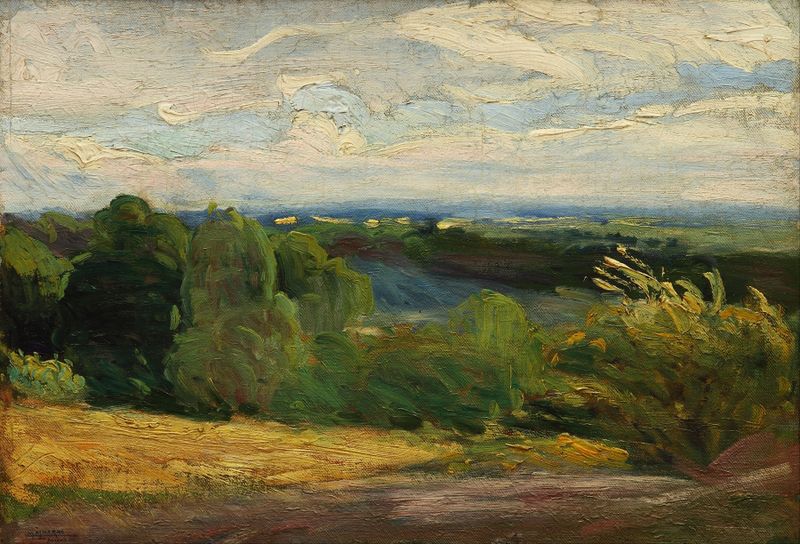
En plena naturaleza
Martín Malharro
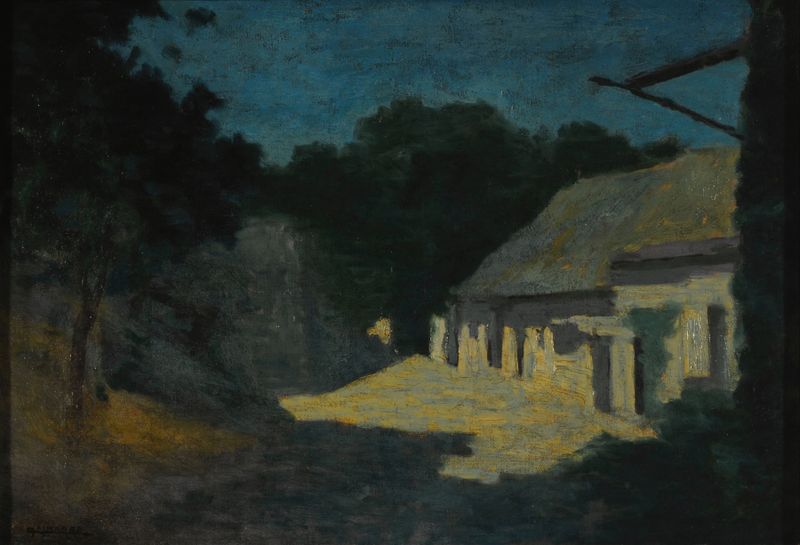
Nocturno
Martín Malharro

Un rincón de Belgrano
Martín Malharro

En plena naturaleza
Martín Malharro

Paisaje
Martín Malharro

Nocturno
Martín Malharro

El arado
Martín Malharro
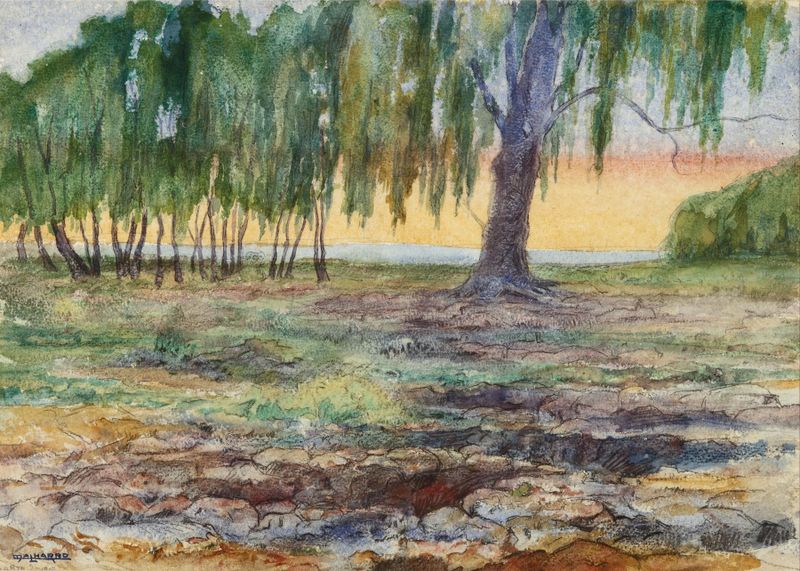
Paisaje
Martín Malharro





