Pajštún — History & Facts
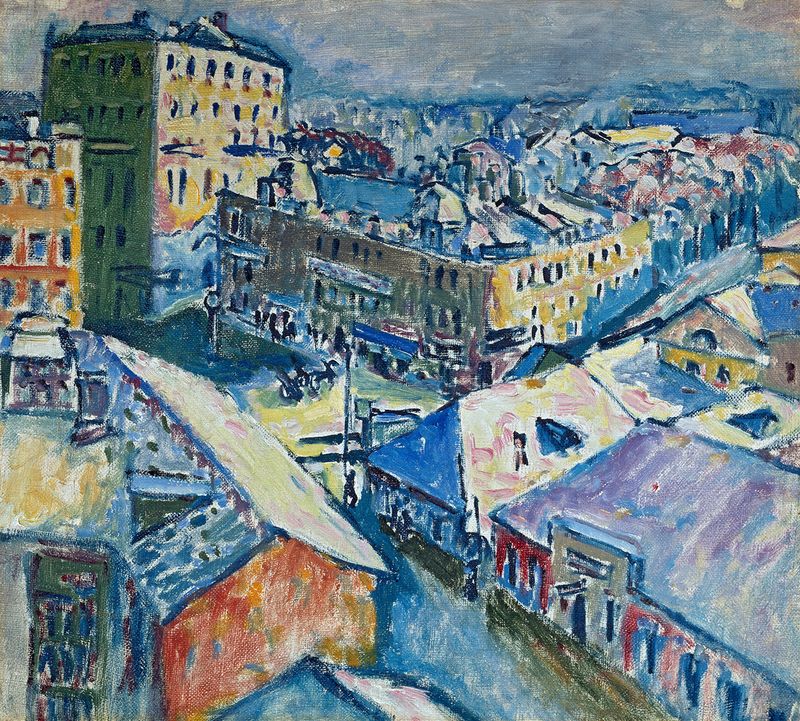
In a world that often drowns out the tender whispers of faith, art emerges as a sanctuary where inner truths can be unearthed. Look to the center of the canvas, where a striking interplay of greens and blues draws your gaze. The soft, almost ethereal hues create an atmosphere of tranquility, inviting contemplation. Notice how the light dances subtly across the surface, revealing textures that suggest a landscape both familiar and otherworldly.
The strokes are delicate yet deliberate, guiding the viewer’s eye upward towards the serene outline of the Pajštún castle, nestled among rolling hills. Deeper insights emerge in the juxtaposition of the castle’s solidity against the fluidity of the surrounding landscape. This contrast symbolizes the tension between faith and reality, stability and uncertainty. The gentle blending of colors reflects a sense of harmony, while the distant peaks hint at challenges that remain beyond our grasp.
Each detail invites you to ponder the relationship between human endeavor and the divine, echoing a spiritual dialogue that resonates with the viewer’s own beliefs. In 1902, as Ľudovít Pitthordt painted Pajštún, he was deeply influenced by the burgeoning Modernist movement in Central Europe. Living in Slovakia during a period of national awakening and artistic exploration, he sought to capture the essence of his homeland while grappling with themes of identity and spirituality. This piece stands not only as a visual representation of a place but also as an exploration of the deeper faith that binds us to the landscapes of our lives.