Motif from Garden — History & Facts
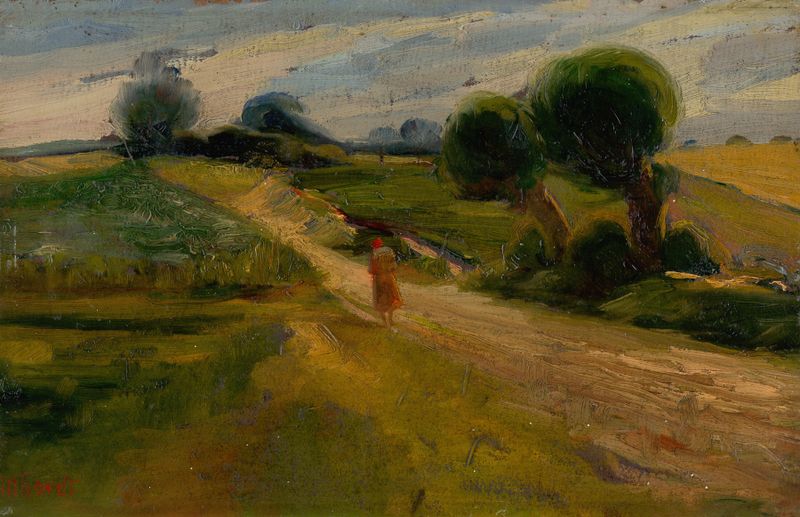
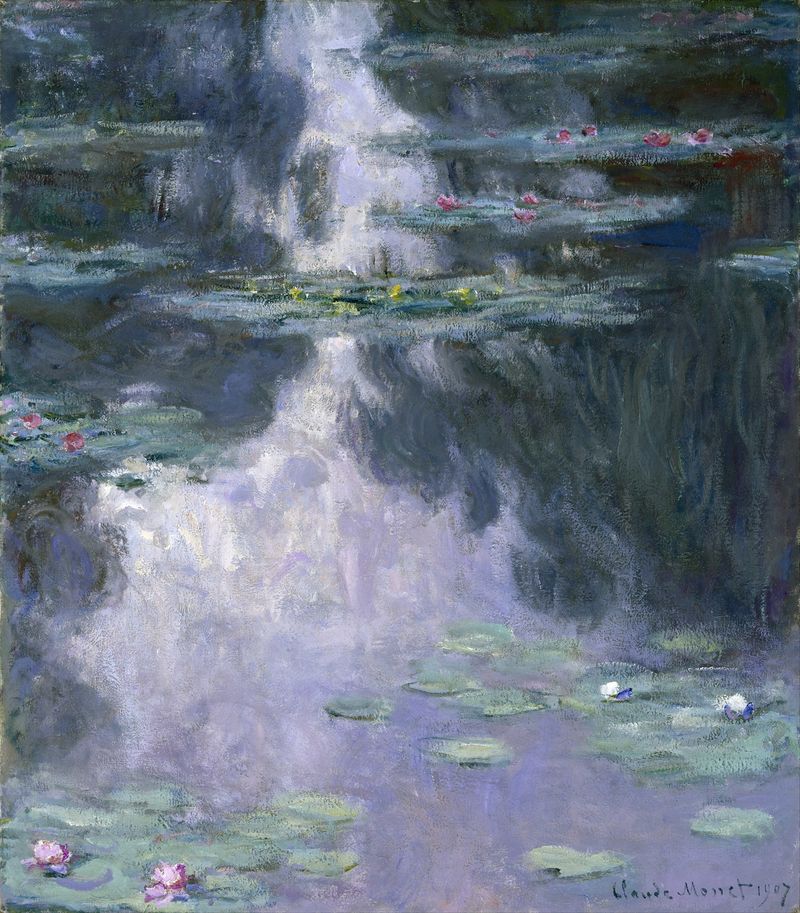
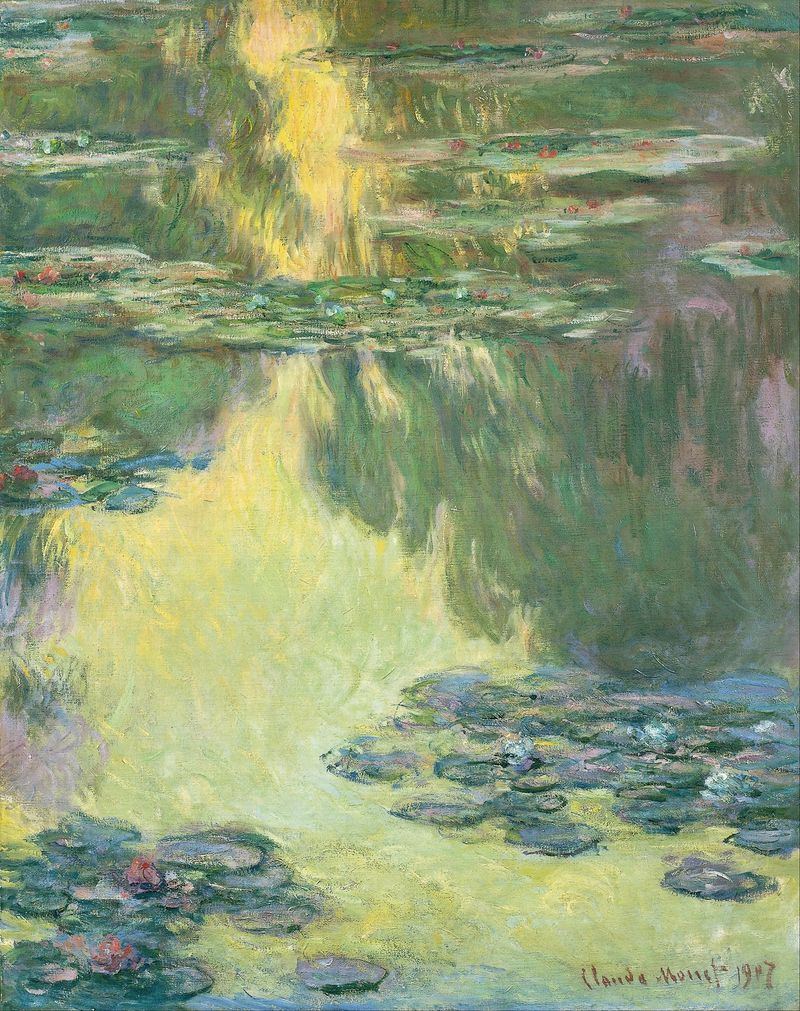
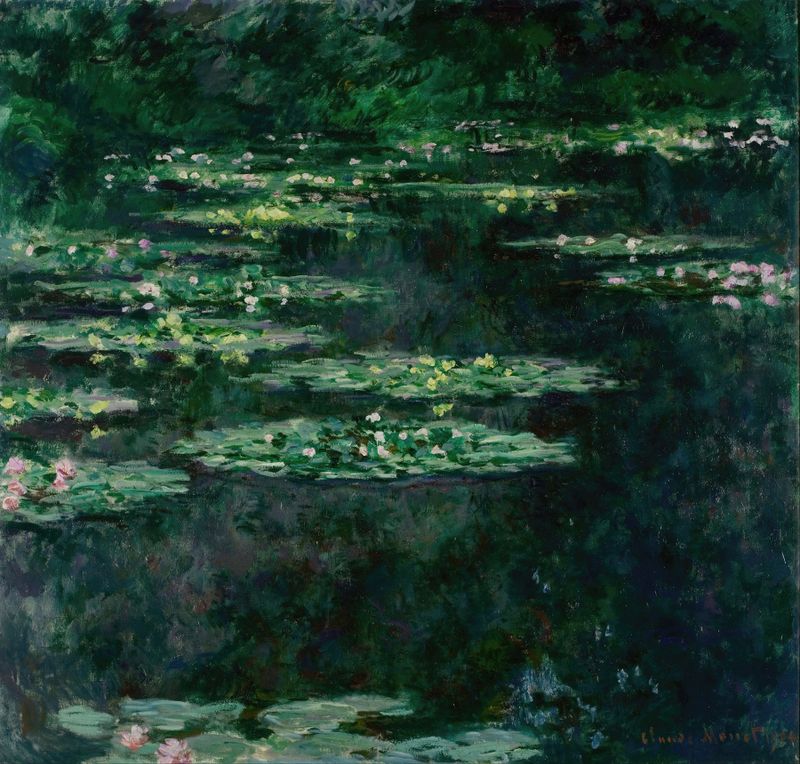
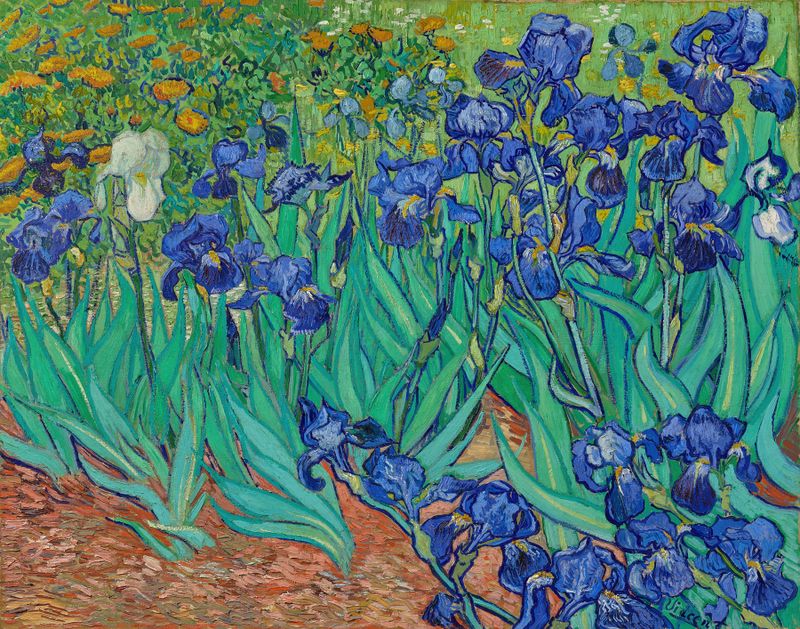
Beneath a fading sky, a tranquil garden unfolds, its blossoms caught in a moment of delicate stillness. A lone figure bends towards the earth, hands tenderly coaxing life from the soil, while shadows softly envelop the scene, merging the vibrant colors with the encroaching dusk. A sense of urgency pulses in the air, tethered to the inevitability of time, as petals flutter gently in the breeze, murmuring secrets of mortality. Look to the left where the deep green leaves contrast sharply against the vivid blossoms, drawing the eye with their radiant hues.
Notice how the light filters through the branches, creating intricate patterns on the ground—each shadow a fleeting reminder that nothing is permanent. The artist's choice of warm tones infuses the scene with a sense of intimacy, while the careful brushwork captures the subtle textures of petals and soil, inviting the viewer to linger. At first glance, this painting celebrates nature's beauty, yet it whispers of life's transient nature. The figure signifies humanity’s connection to the earth, embodying both creation and decay.
The careful arrangement of flowers hints at a cycle of life, where each bloom is both a celebration and a prelude to withering, contrasting the vibrancy of youth with the inevitability of aging. Created between 1900 and 1920, Motif from Garden reflects Ľudovít Pitthordt's exploration of natural beauty steeped in personal reflection on mortality. During this period, he was immersed in the Art Nouveau movement, which sought to capture the essence of life through organic forms and flowing lines. His work resonates with the changing attitudes toward nature and human fragility, as industrialization began to overshadow the delicate balance of life.