Palais Breuner — History & Facts
In the stillness of an empty room, whispers of the past linger, inviting solitude to dance with the light. Loneliness envelops the space, where muted tones of ochre and gray evoke an atmosphere of quiet introspection. The scene, seemingly tranquil, holds an unshakable tension, as if the walls themselves are witnesses to unspoken stories. Look to the center, where a large window casts a soft glow, illuminating the sparsely furnished room.
The delicate interplay of light and shadow reveals the muted hues of the walls, creating a sense of depth and dimension. Notice how the furniture, although minimal, is carefully arranged to draw your gaze inward, emphasizing the isolation that pervades the scene. Graner’s meticulous brushwork reveals textures that speak to both the passage of time and the weight of memories held within these walls. As you observe more closely, the details emerge — a solitary chair, slightly askew, a dust motes suspended in the sunlight, and the absence of human presence that leaves a palpable void.
Each element serves to heighten the feeling of loneliness and contemplation, inviting the viewer to reflect on their own experiences of solitude. The emotional tension lies in the contrast between the warmth of the light and the coldness of the unoccupied space, reminding us that silence can be as powerful as the loudest voices. Created during a period of artistic exploration in the early 20th century, the artist found himself navigating the evolving landscape of modern art. The world was in turmoil, with the echoes of war and a search for new expressions.
In this context, Palais Breuner emerges not only as a reflection of Graner's aesthetic choices but also as a commentary on the psychological depths of human experience.
More Artworks by Ernst Graner
Browse all →
The Departure of Emperor Francis Joseph, near the Schweizertor in Hofburg residence
Ernst Graner

Old Albrechtsplatz (today Albertinaplatz) in Vienna with the Philipphof and the Mozart monument
Ernst Graner
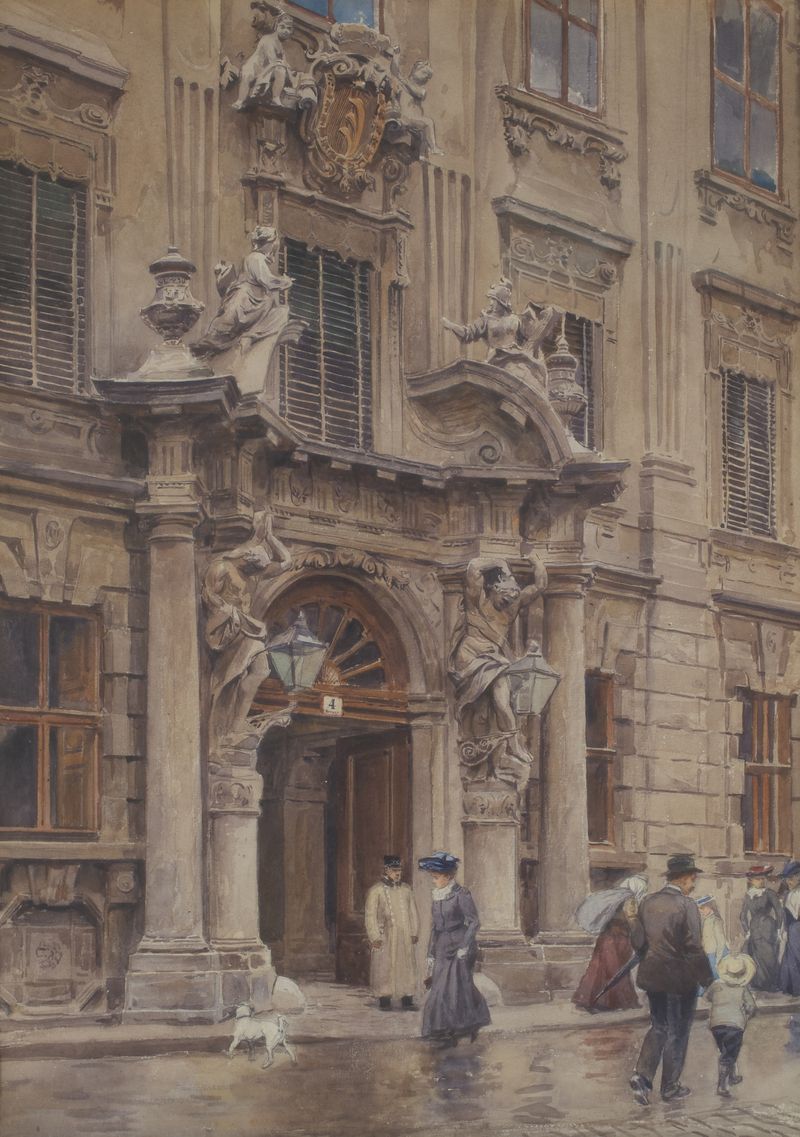
Das Portal Des Palais Kinsky
Ernst Graner
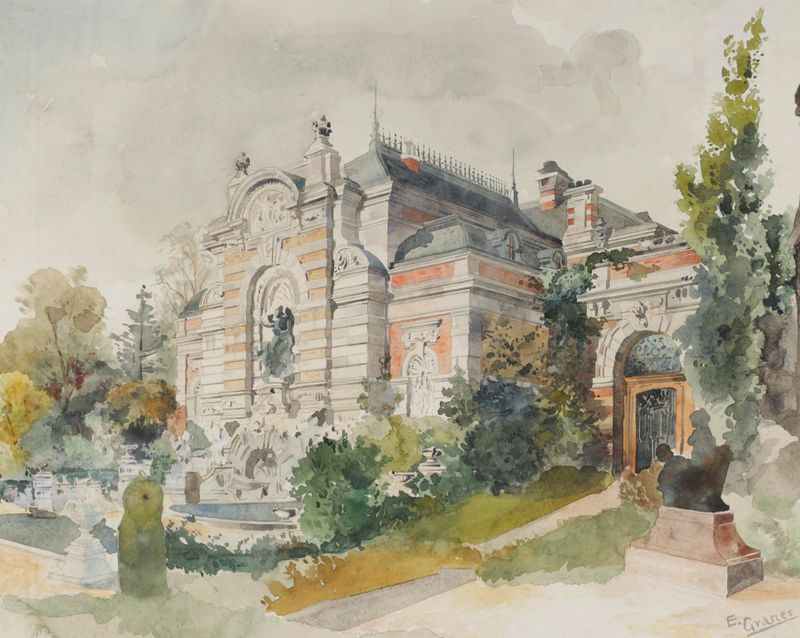
Villa in einem Park
Ernst Graner

Karlskirche
Ernst Graner

Kaiser Franz Joseph überquert den Naschmarkt
Ernst Graner

Palais des Prinzen Eugen in der Himmelpfortgasse
Ernst Graner

Die Schwendergasse In Wien Mit Schwenders Colosseum
Ernst Graner
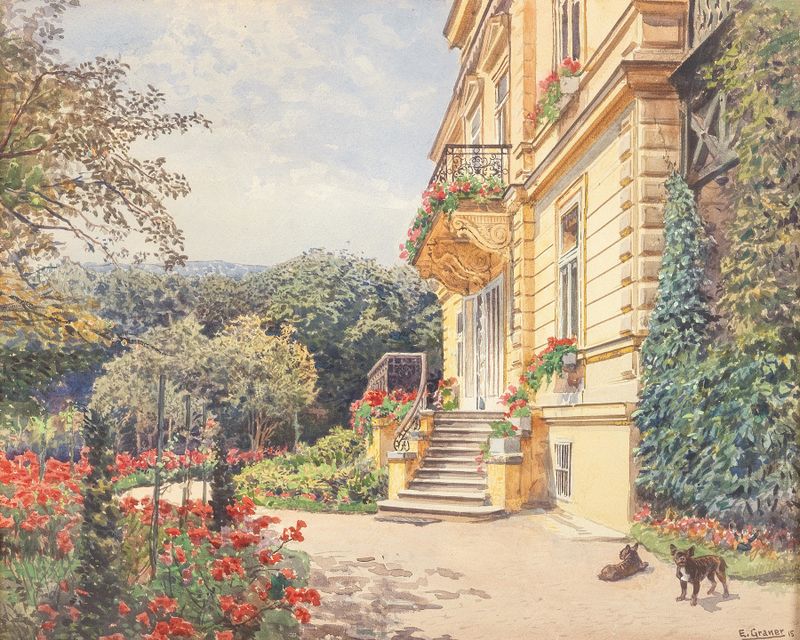
Villa in gepflegtem Garten
Ernst Graner
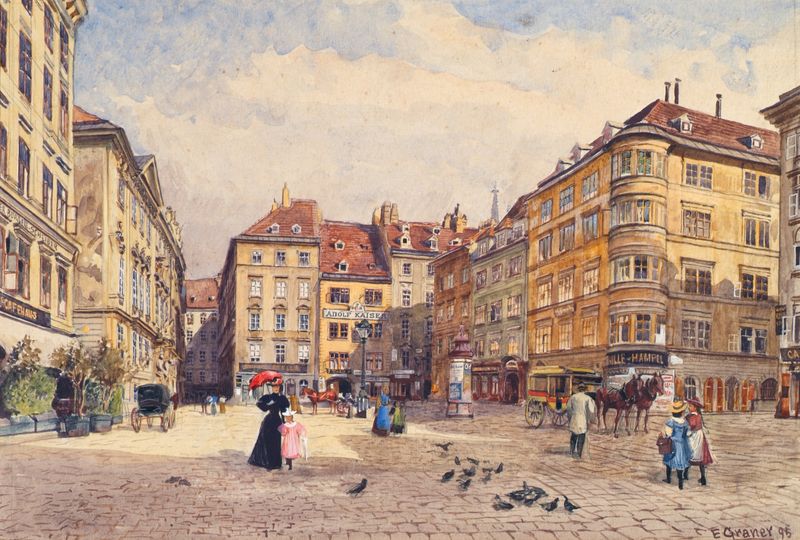
Der Judenplatz In Wien
Ernst Graner