
Pamflet met Catharina van Alexandrië en tekst — History & Facts
Can paint confess what words never could? Within the intricate details of Pamflet met Catharina van Alexandrië en tekst, the essence of transformation unfolds with each brushstroke, inviting viewers into a profound dialogue about faith and identity. Look to the left at the serene visage of Catharina, her expression a blend of determination and grace. The soft, golden hues envelop her figure, creating a halo-like effect that emphasizes her sanctity. Notice how the attention to fabric drapery conveys both movement and solidity, as if she is stepping into a world charged with purpose.
On the right, the text contrasts sharply with the imagery, its bold lines anchoring the ethereal qualities of her portrayal while calling forth a narrative that transcends the visual. The juxtaposition of the sacred and the textual creates an emotional tension that reflects the struggle between belief and doubt. The delicately painted flowers at Catharina's feet symbolize her martyrdom and the transformation inherent in sacrifice. This duality invites contemplation on how faith reshapes one's identity, transforming suffering into strength and silence into power. Created during the latter part of Cranach's prolific career, this piece emerges from a time when the artist delved into themes of morality and spirituality.
Working in Germany between 1788 and 1820, he responded to the burgeoning Enlightenment, a period marked by intellectual upheaval and shifting values in art and society. This context deepens the significance of Catharina's portrayal, as she navigates her own transformation amidst the larger currents of cultural change.
More Artworks by Lucas Cranach (I)
Browse all →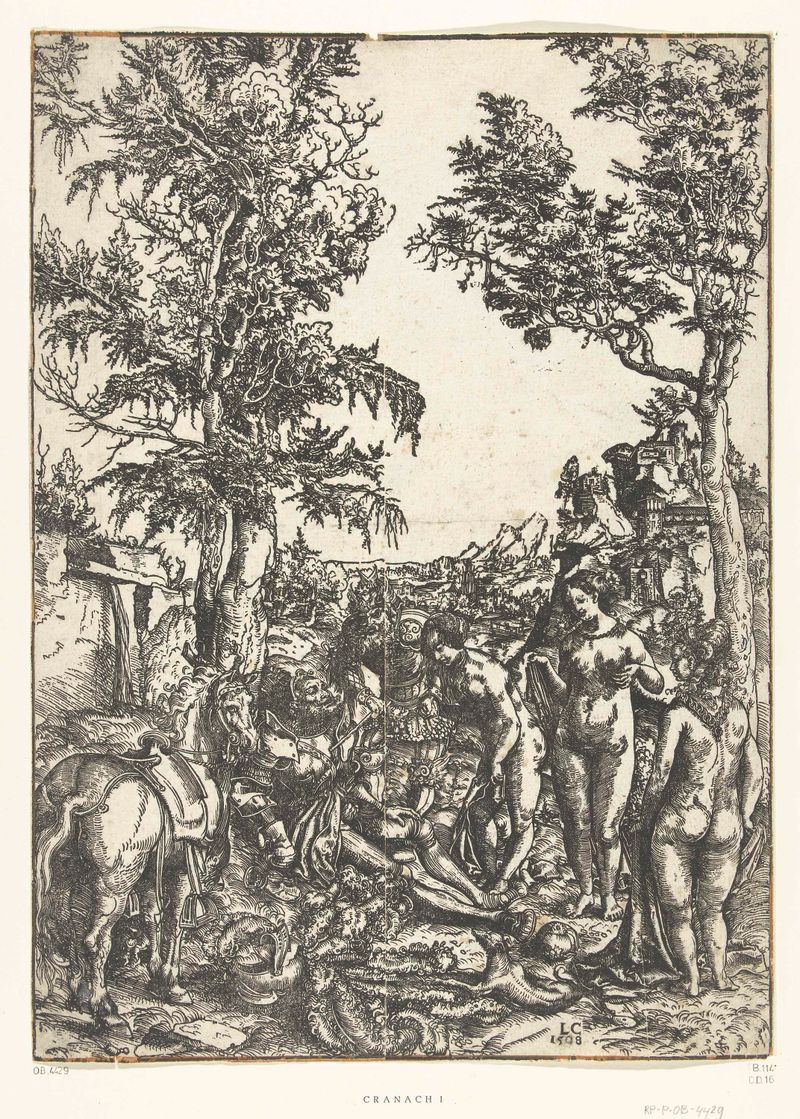
Oordeel van Paris
Lucas Cranach (I)
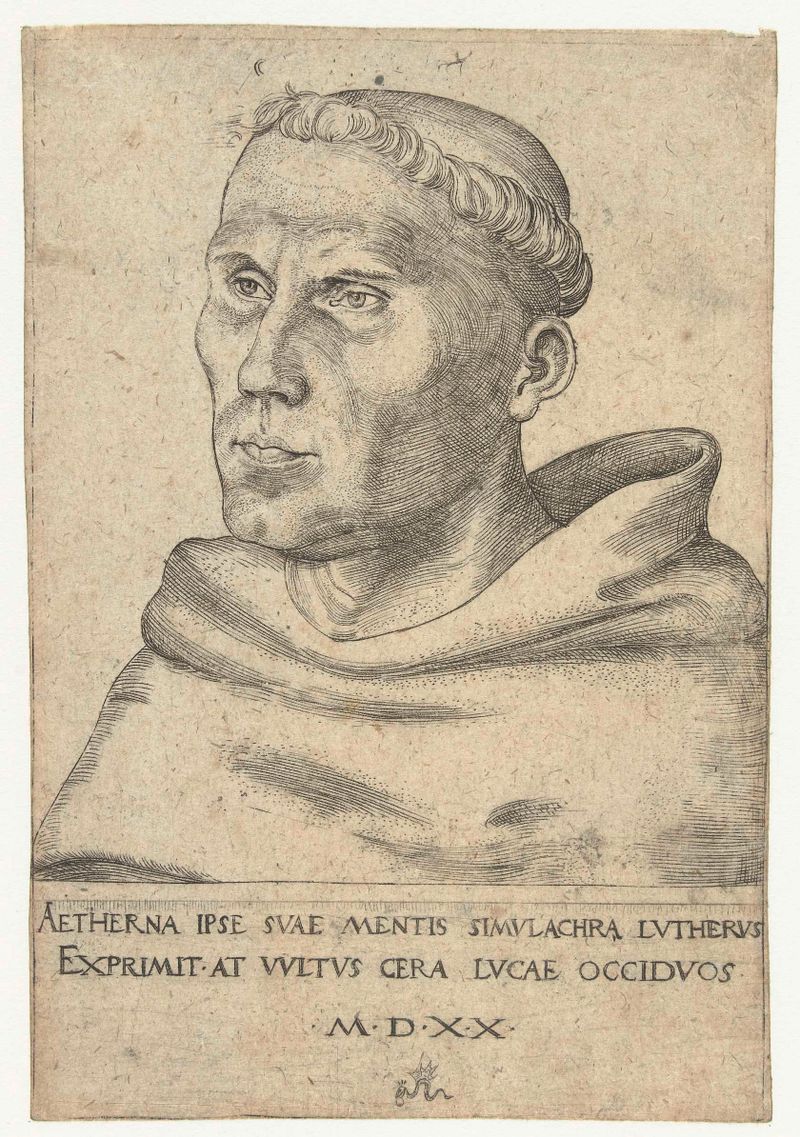
Portret van Martin Luther als Augustijner monnik
Lucas Cranach (I)
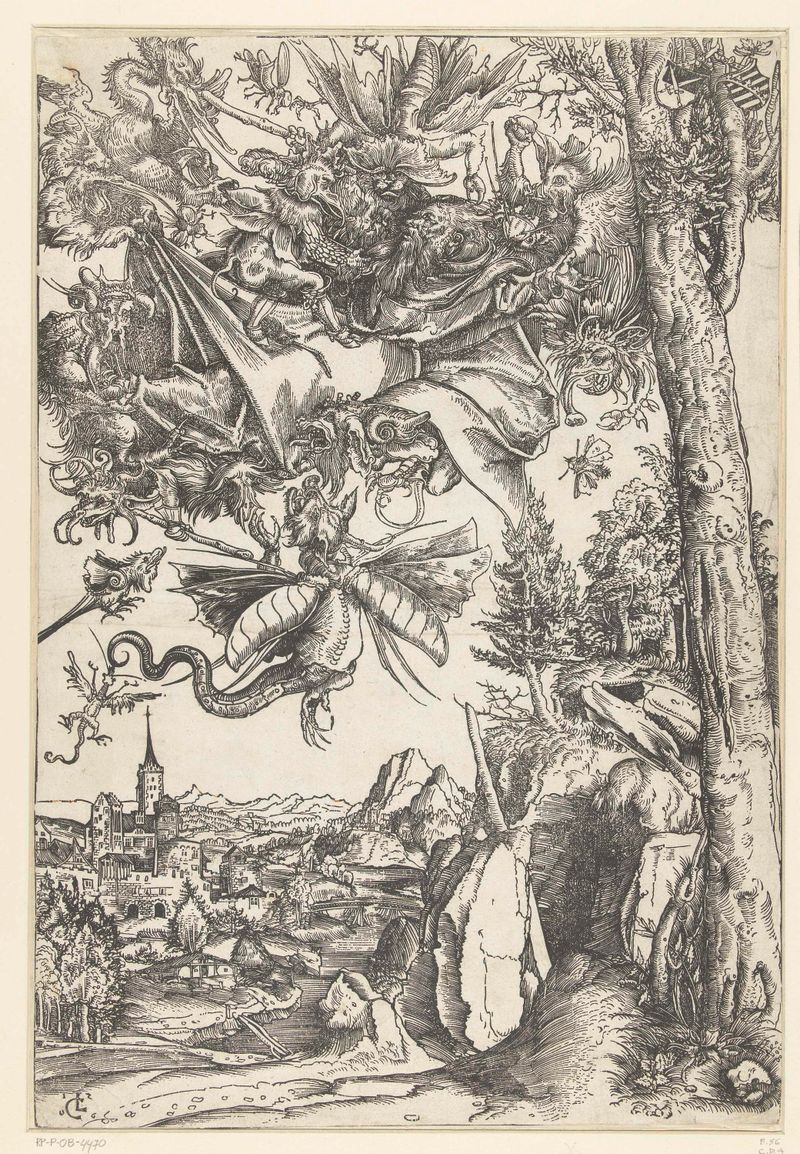
Verzoeking van Antonius met aanval door demonen
Lucas Cranach (I)

Christus en de Samaritaanse vrouw
Lucas Cranach (I)

Duits toernooi met twee edelmannen als ridders te paard
Lucas Cranach (I)
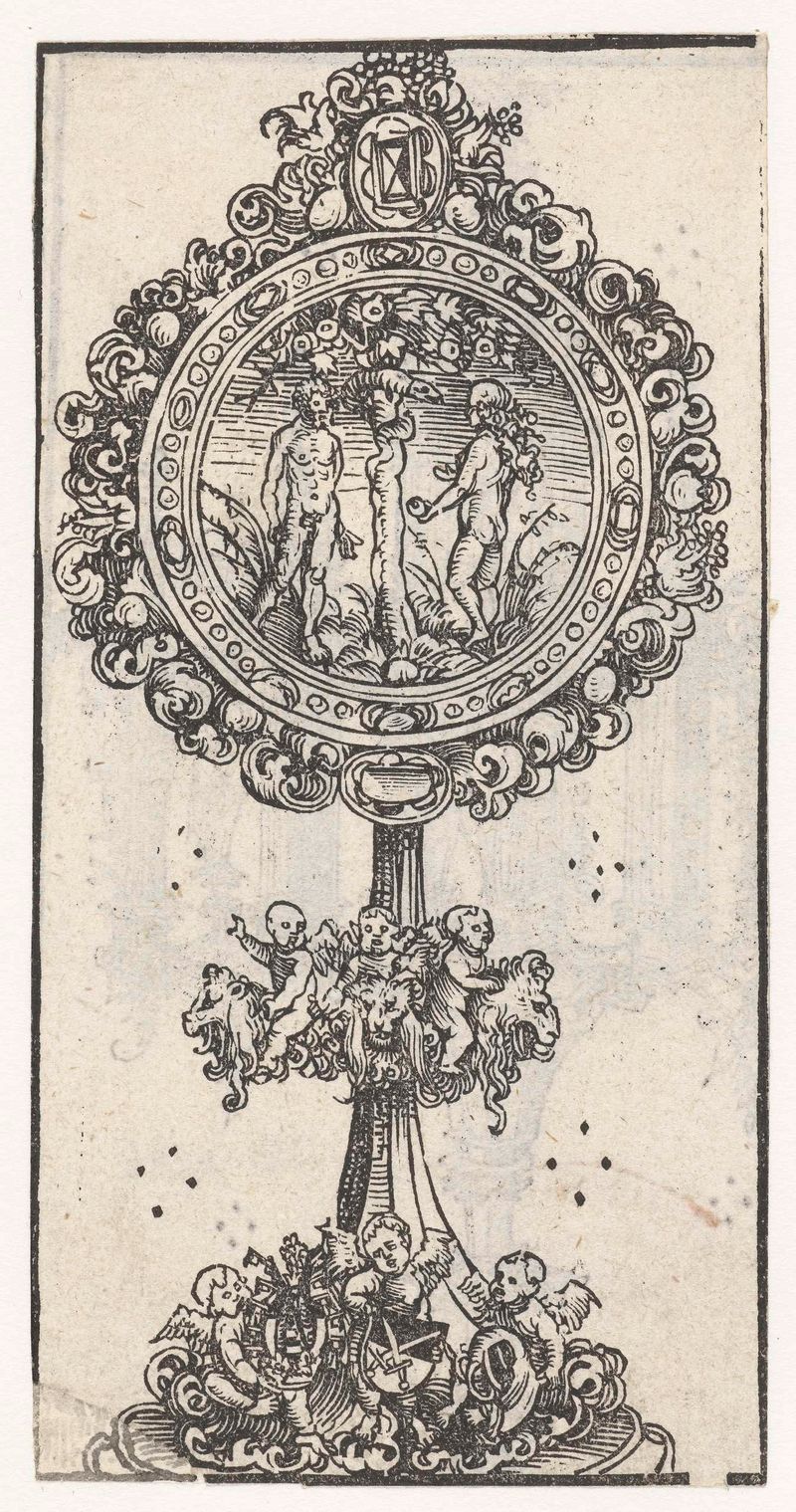
Reliekhouder met de verzoeking van Adam en Eva
Lucas Cranach (I)

Intocht van Christus in Jerusalem
Lucas Cranach (I)
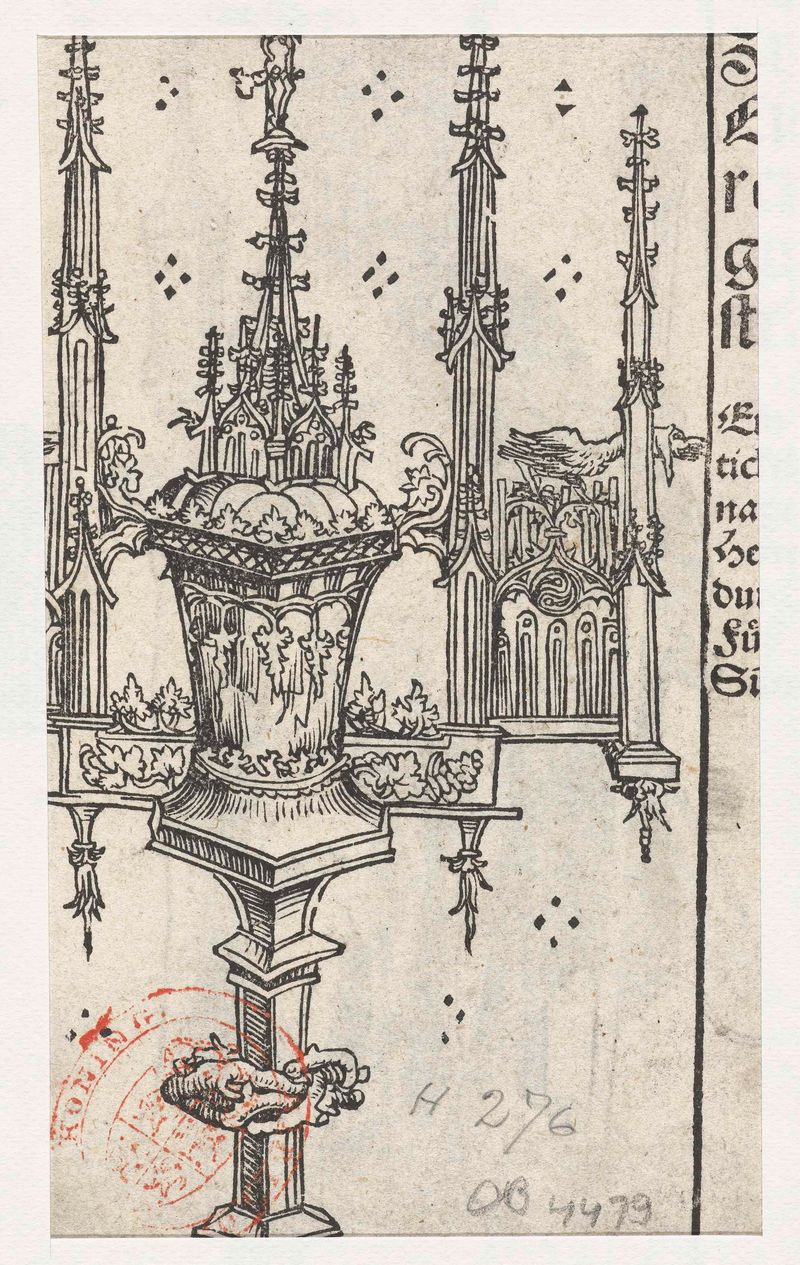
Monstrans met vogel (pelikaan)
Lucas Cranach (I)
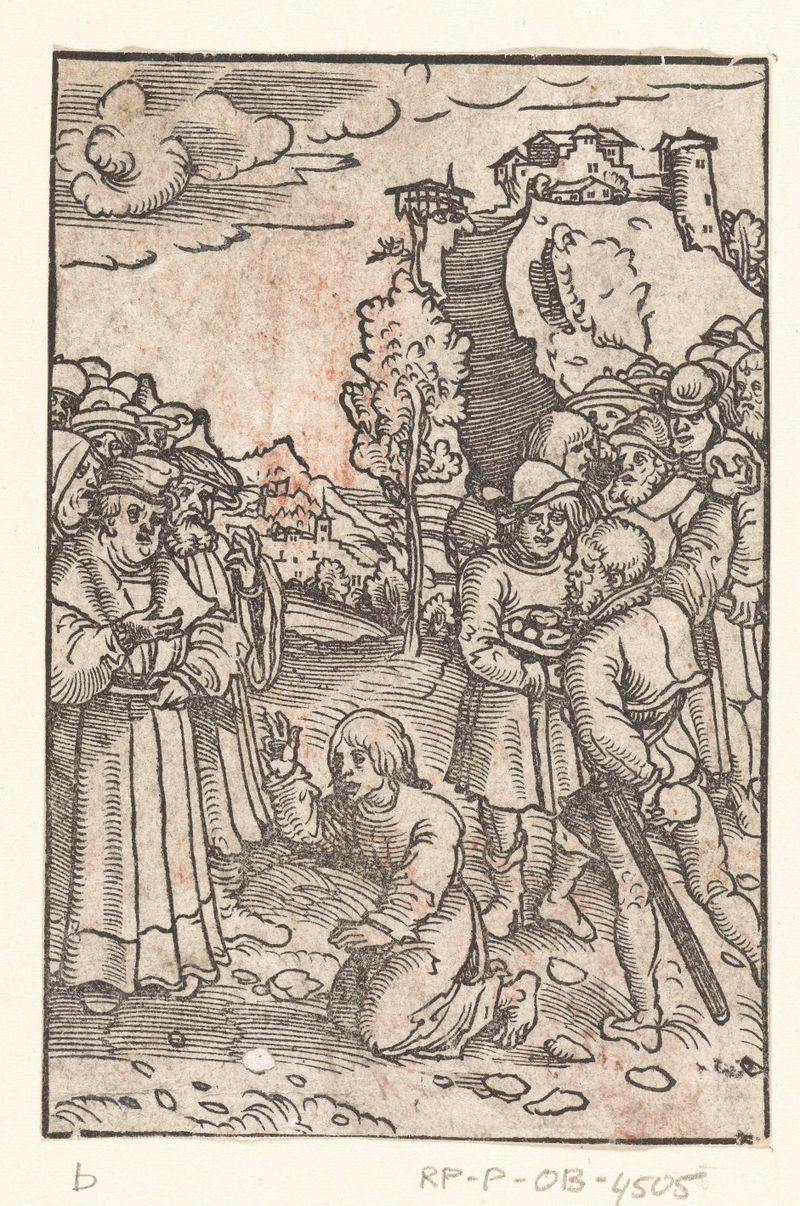
Steniging van Stefanus
Lucas Cranach (I)
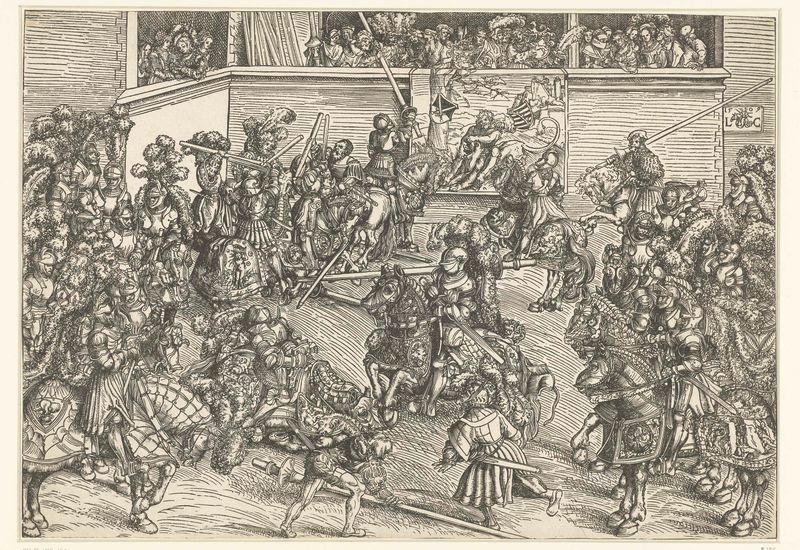
Toernooi van het keurvorstelijk hof van Saksen met wandtapijt Simson doodt de leeuw
Lucas Cranach (I)
More Religious Art
Browse all →
The Return of the Prodigal Son
Rembrandt van Rijn

The Garden of Earthly Delights
El Bosco

Count Orgaz’ funeral
El Greco

The Hundred Guilder Print: the central piece with Christ preaching, the plate arched
Rembrandt van Rijn

The Descent from the Cross
Rogier van der Weyden

The return of the prodigal son
Rembrandt van Rijn