Panthéon - Eglise Sainte-Geneviève (phbw10 0880) — History & Facts
The eye is immediately drawn upward, following the strict verticals of the columns to the soaring dome that dominates the composition. Every line in Panthéon - Eglise Sainte-Geneviève (phbw10 0880) by Augustus Charles Pugin seems to serve a single purpose: to convey the weight and ambition of neoclassical architecture. The building’s immense portico, crowned by a pediment and inscribed in Latin, stands as a threshold between the everyday world—suggested by the tiny figures scattered across the steps—and the monumental aspirations of the age.
The play of light and shadow across the façade gives the stone a sense of mass and permanence, while the careful rendering of every architectural detail invites the viewer to linger over the precision of each line. Works like this, produced in the early nineteenth century, reflect a moment when architects and artists alike were captivated by the revival of classical forms. The Panthéon itself, originally conceived as a church and later transformed into a secular mausoleum, became a symbol of national memory in France—a place where art, politics, and faith intersected. Architectural prints such as this were often commissioned for collectors, students, or travelers eager to possess a piece of the grand tour, and they circulated widely as tokens of cultural aspiration.
This particular print, dated 2010 in the records of the French national monuments collection, is a testament to the enduring fascination with such images, even as the details of its own journey through history remain largely unrecorded. The careful balance of order and grandeur in the composition invites us to imagine the world that built—and still reveres—such monuments.
More Artworks by Augustus Charles Pugin

All Soul’s College from the Radcliffe Library
Augustus Charles Pugin
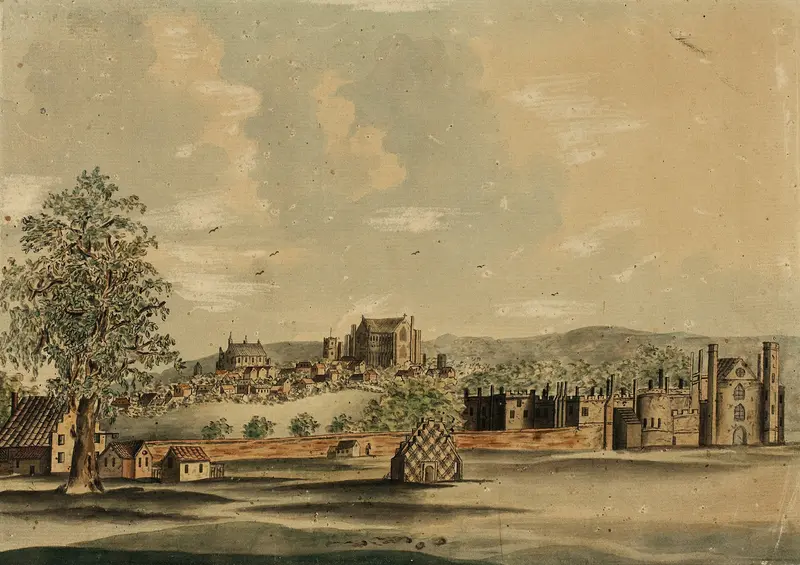
St. James’s with the Village of Charing as It Appeared in ye Reign of Henry VIII
Augustus Charles Pugin

The exterior of the Henry VII Chapel, Westminster Abbey
Augustus Charles Pugin
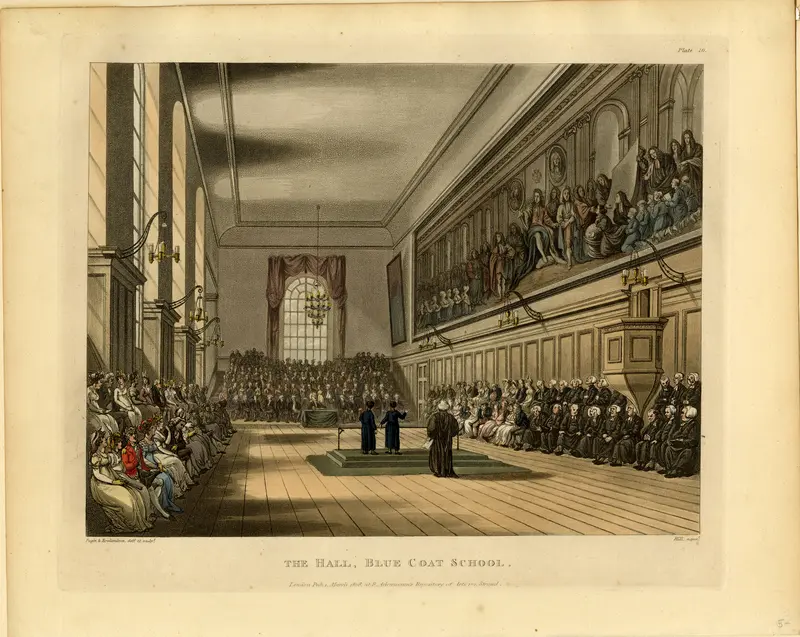
The Hall, Blue Coat School
Augustus Charles Pugin
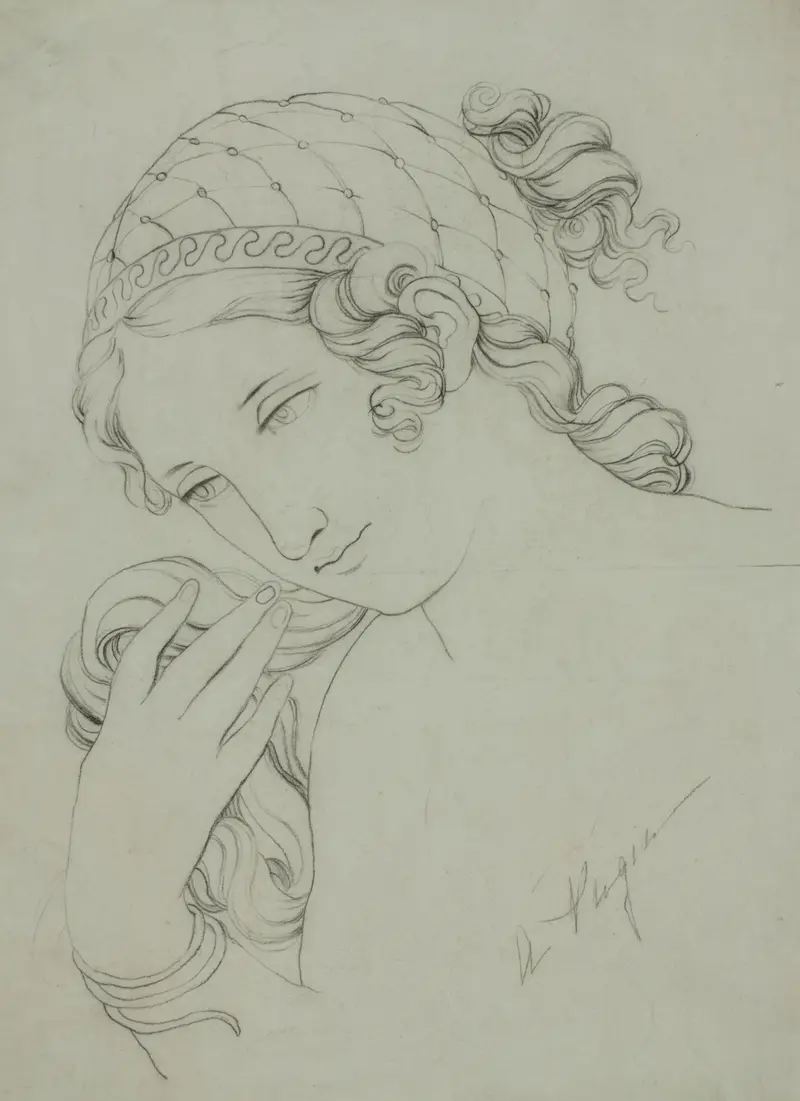
Classical Woman's Head
Augustus Charles Pugin
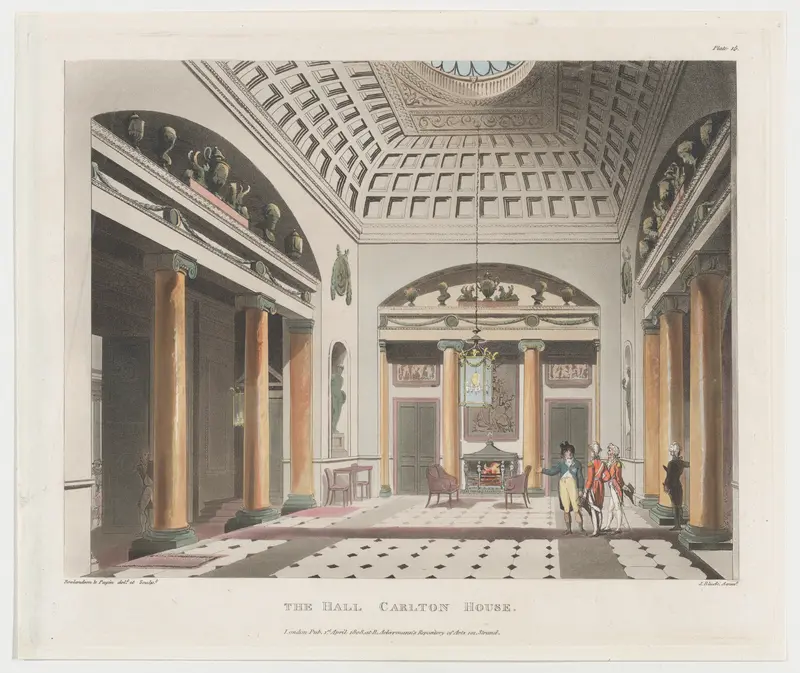
The Hall, Carlton House
Augustus Charles Pugin
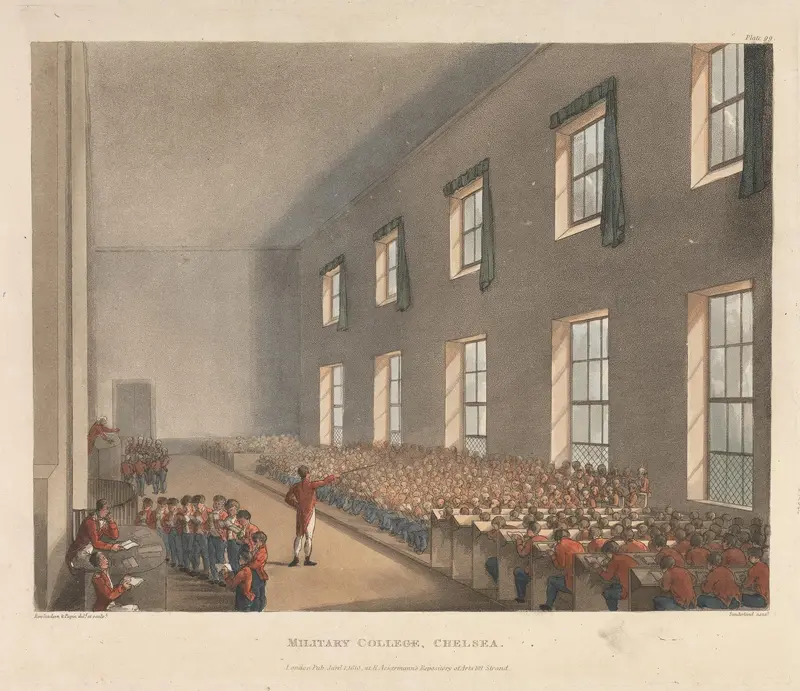
Military College, Chelsea
Augustus Charles Pugin
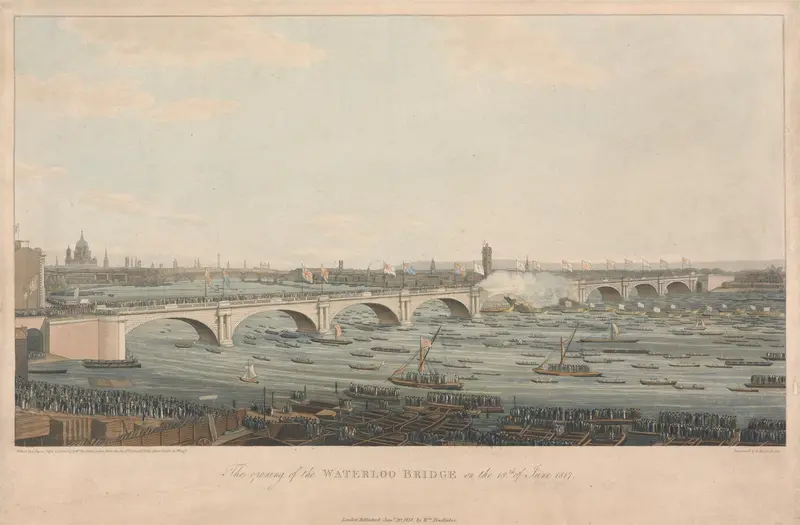
The Opening of the Waterloo Bridge on the 18th June
Augustus Charles Pugin