The Hall, Blue Coat School — History & Facts
What first seizes the eye in The Hall, Blue Coat School is the theatrical sweep of space, a hall so vast and ordered that the figures within it seem almost stage-managed. Light pours in from the soaring windows at left, casting long shadows that draw the gaze toward the raised platform at the center, where two boys in blue uniforms stand before a gathered assembly. The hush of expectation is palpable: every face in the audience, from the richly dressed women to the rows of sober elders, is turned toward the small drama unfolding at the heart of the room.
Above them, a grand mural of classical figures presides, echoing the sense of tradition and authority that saturates the scene. Created in 1808 by Augustus Charles Pugin, this image is a window into the world of early nineteenth-century institutional life in Britain. The Blue Coat School, known for its distinctive uniforms and charitable mission, was part of a broader movement to provide education and moral guidance to the children of the poor. Such halls were designed not only for instruction, but for ceremony and public display—moments when the values of discipline, piety, and order were made visible to all.
Though little is recorded about the journey of this particular work, its presence today in the Vanderbilt University collection reminds us how images like these once shaped the public imagination. Look again at the careful choreography of figures, and consider how architecture, ritual, and image once joined to define a community’s sense of itself.
More Artworks by Augustus Charles Pugin

All Soul’s College from the Radcliffe Library
Augustus Charles Pugin
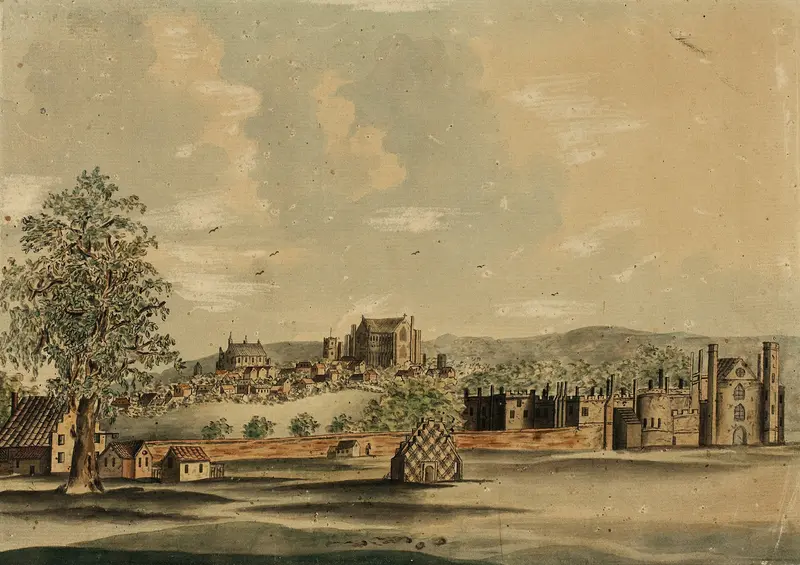
St. James’s with the Village of Charing as It Appeared in ye Reign of Henry VIII
Augustus Charles Pugin

The exterior of the Henry VII Chapel, Westminster Abbey
Augustus Charles Pugin
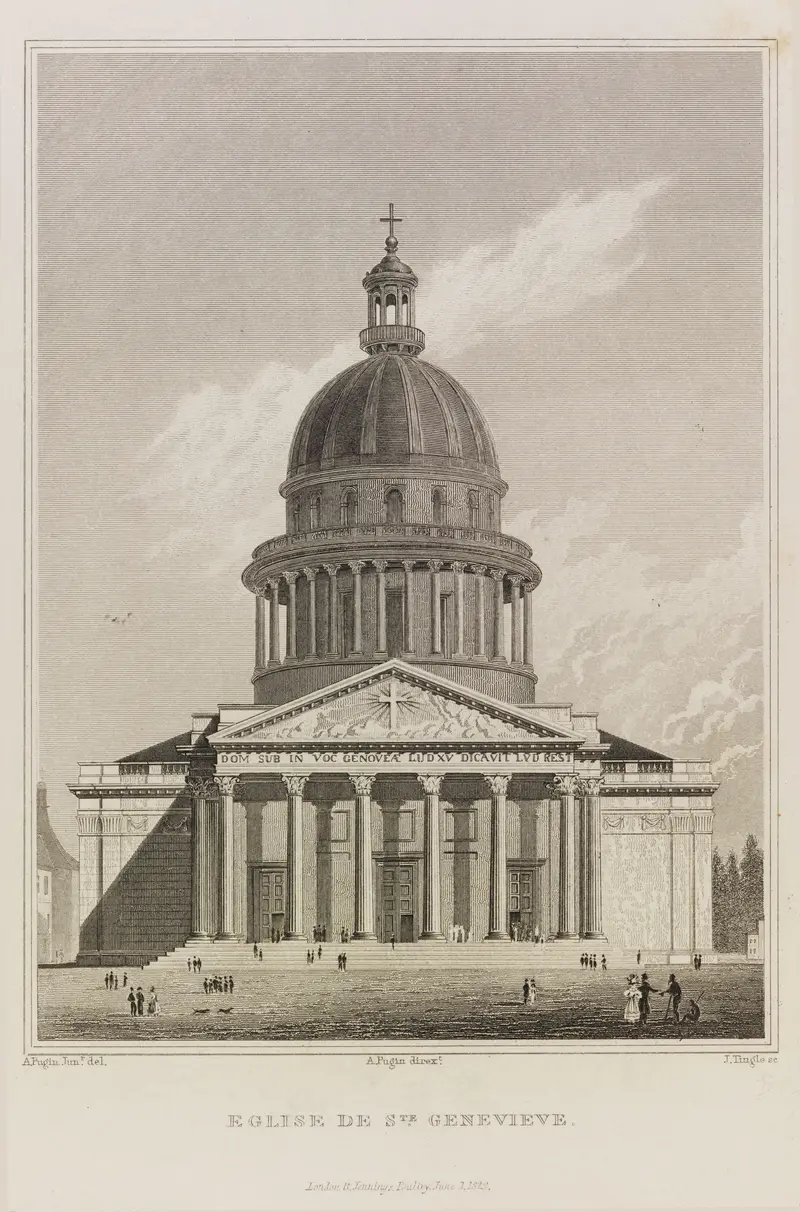
Panthéon - Eglise Sainte-Geneviève (phbw10 0880)
Augustus Charles Pugin
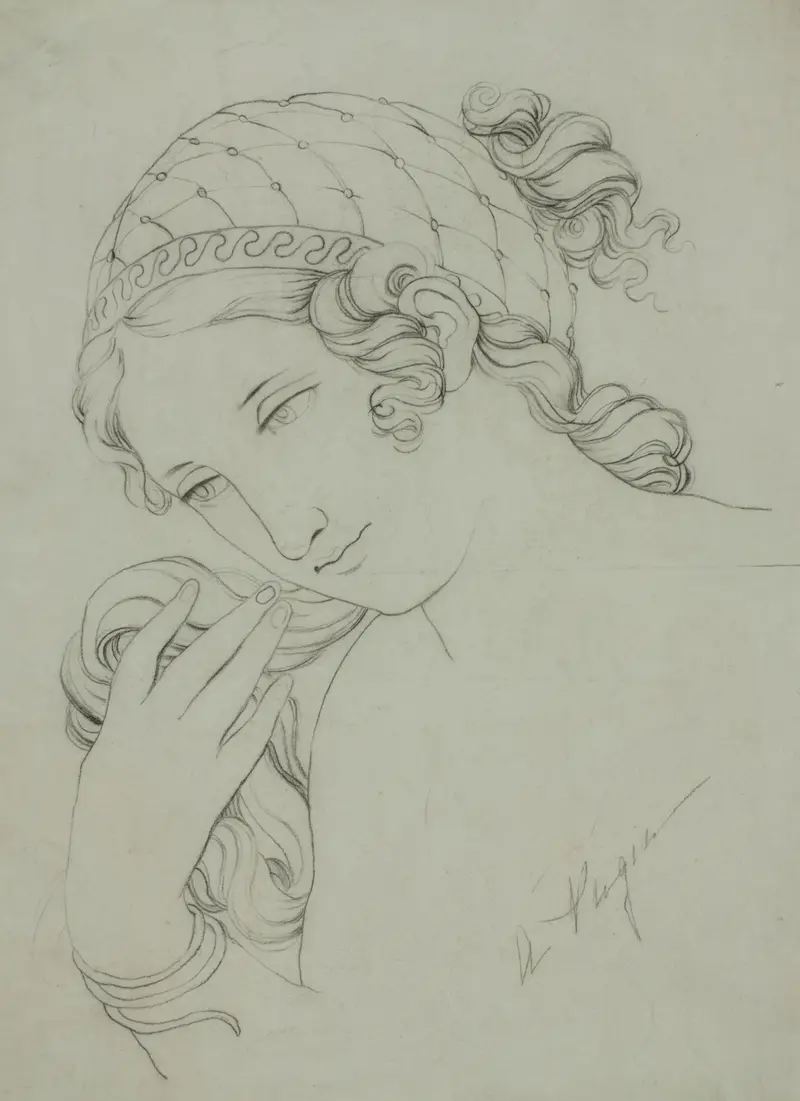
Classical Woman's Head
Augustus Charles Pugin
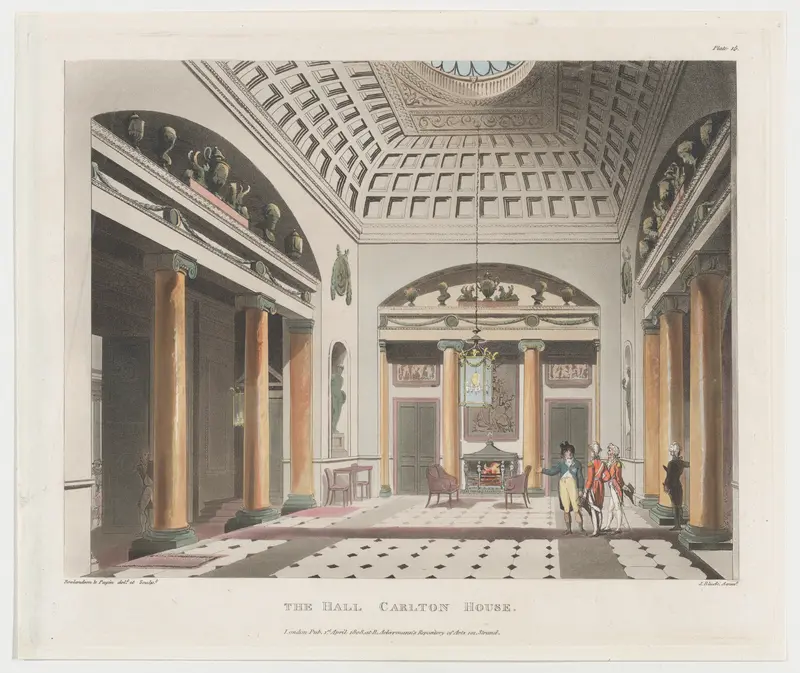
The Hall, Carlton House
Augustus Charles Pugin
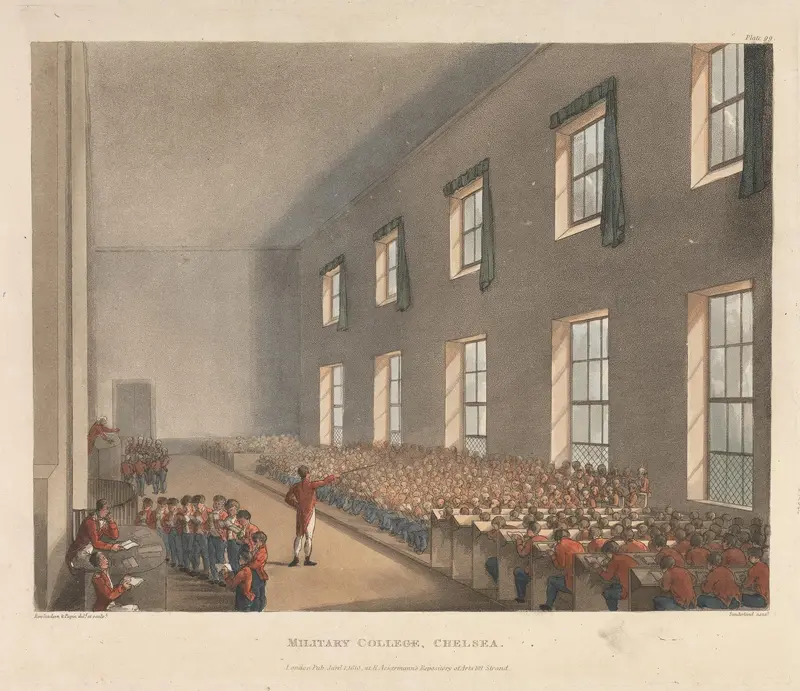
Military College, Chelsea
Augustus Charles Pugin
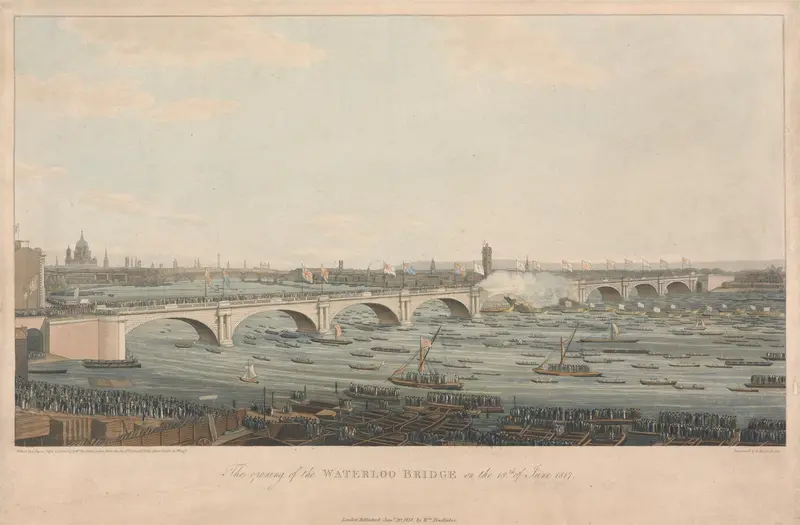
The Opening of the Waterloo Bridge on the 18th June
Augustus Charles Pugin