
Papiermolen Het Fortuin — History & Facts
In the stillness of Papiermolen Het Fortuin, the emptiness speaks not just of absence but of the quiet potential that lies within. Here, the scene invites the viewer to linger, to fill the void with their own reflections and memories, revealing the complex interplay between what is present and what is not. Look to the center of the canvas, where the mill stands tall, its structure both sturdy and solitary against the backdrop of an expansive sky. Notice how the muted palette of greens and grays envelops the scene, imparting a sense of calm that contrasts with the starkness of the mill’s silhouette.
The gentle brushstrokes evoke a serene yet melancholic atmosphere, urging a closer examination of the details that breathe life into its stillness. Delve deeper to uncover emotional nuances: the mill, a relic of industriousness, now stands in quiet isolation, symbolizing a bygone era. The absence of activity, emphasized by the lack of figures, raises questions about the passage of time and the remnants of human endeavors. Shadows dance playfully yet somberly around the structure, hinting at the stories forgotten and the histories woven into the fabric of this empty space. During the years between 1930 and 1945, when this piece was created, Eijman navigated a tumultuous period in both his life and the broader art world.
Having been influenced by the aesthetics of the European avant-garde, he sought to capture the essence of Dutch landscapes with a modern approach, reflecting a sense of nostalgia at a time marked by instability and change.
More Artworks by Johannes Nicolaas Eijman
Browse all →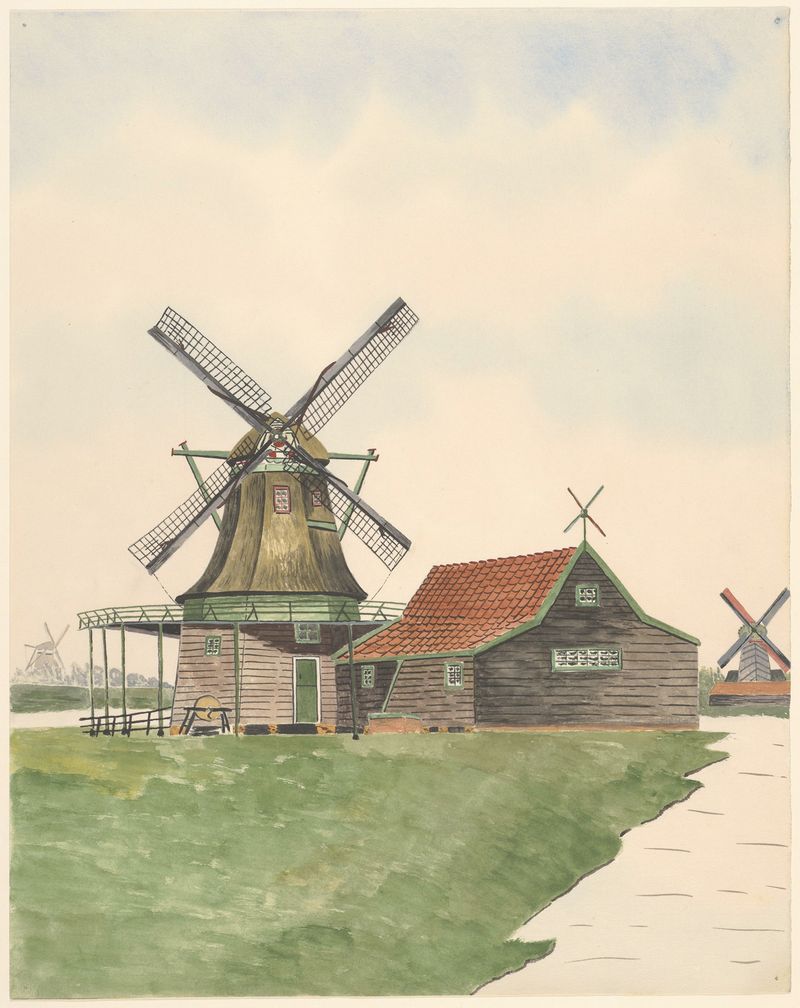
molens; oliemolen De Olievos, aan de Papenpadsloot, gesloopt 1878
Johannes Nicolaas Eijman
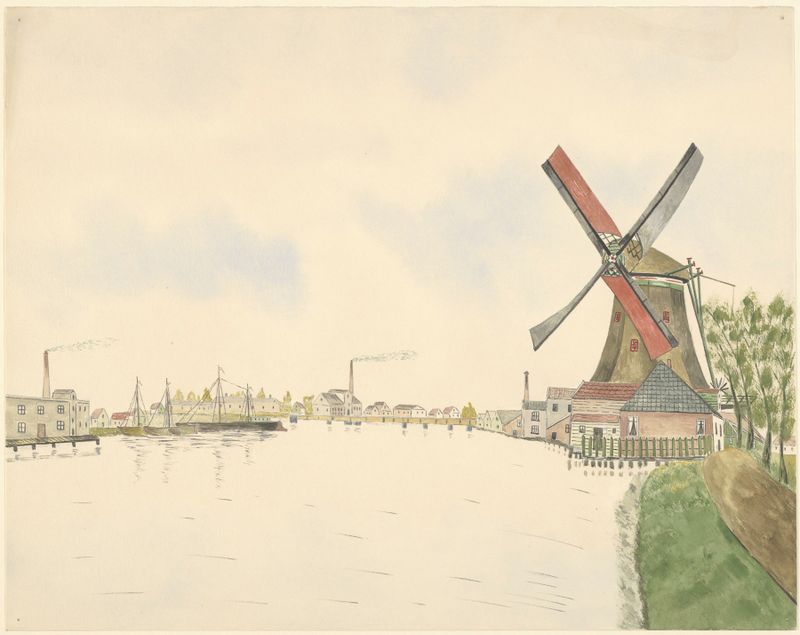
molens; meelmolen De Koker
Johannes Nicolaas Eijman

Papiermolen de Eendracht aan de westzijde van het Zaandammerpad, Wormer
Johannes Nicolaas Eijman
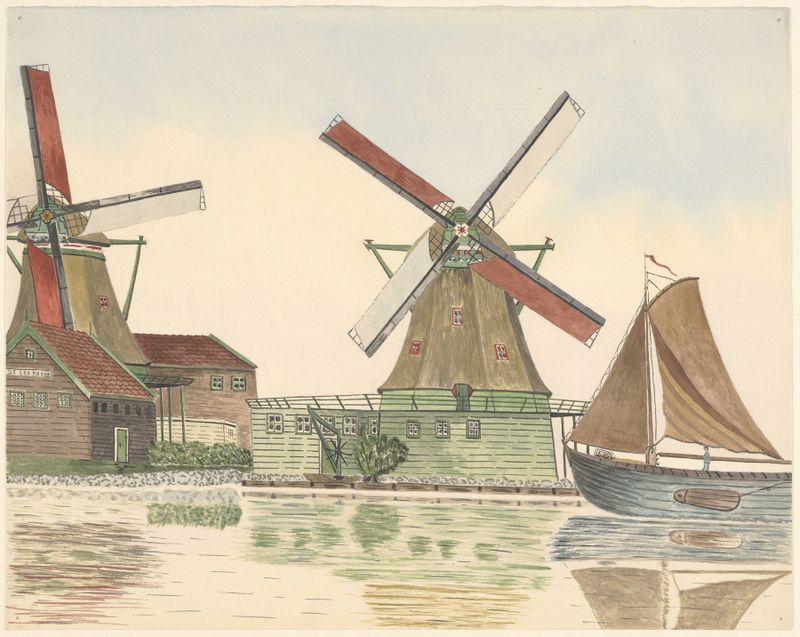
molens; oliemolen De Oude-Zwan, aan de Kalverpoel
Johannes Nicolaas Eijman
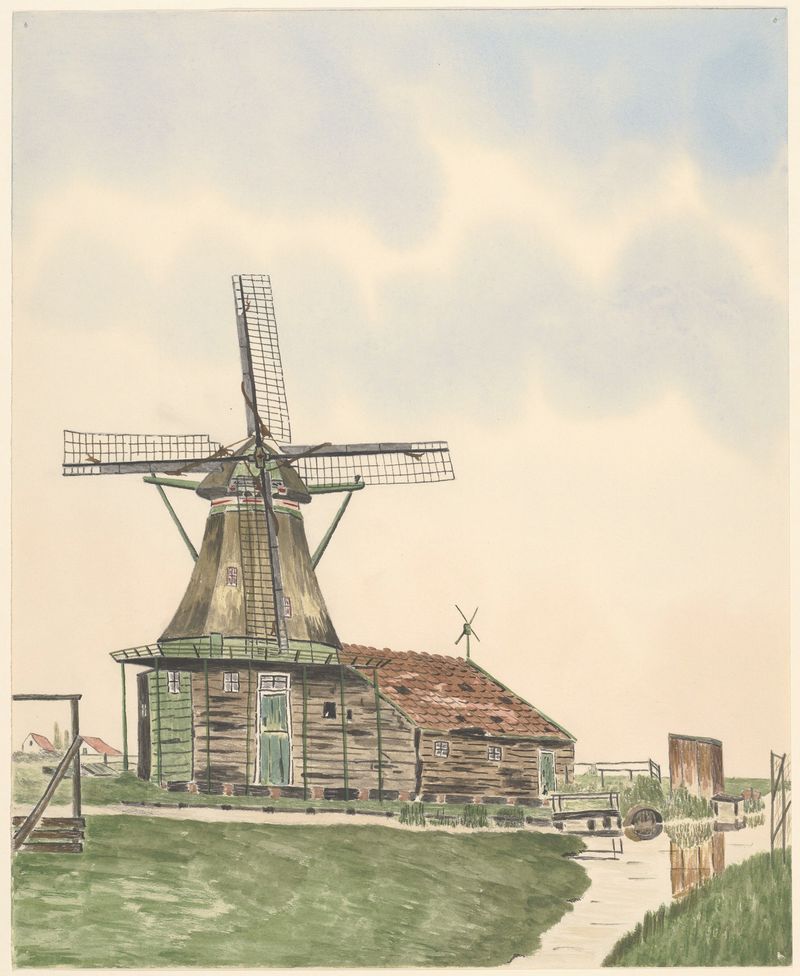
molens; oliemolen Het Oude-Honingvat, Oostzijderveld
Johannes Nicolaas Eijman
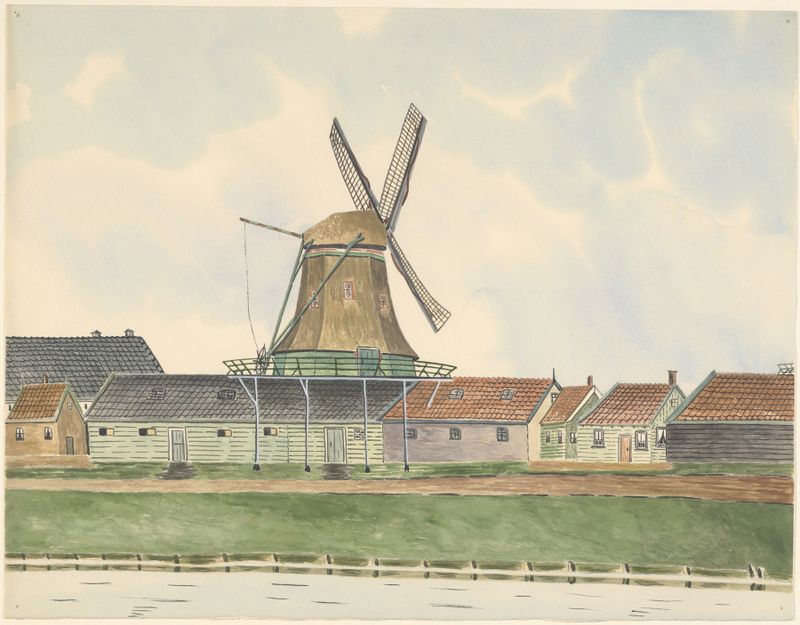
molen; oliemolen Het Witte-Paard aan het Zaandijkerwegje, 1893 gesloopt
Johannes Nicolaas Eijman

Op de voorgrond rechts doppenmolen De Prolpot aan de Hemmes, op de achtergrond links twee andere molens
Johannes Nicolaas Eijman
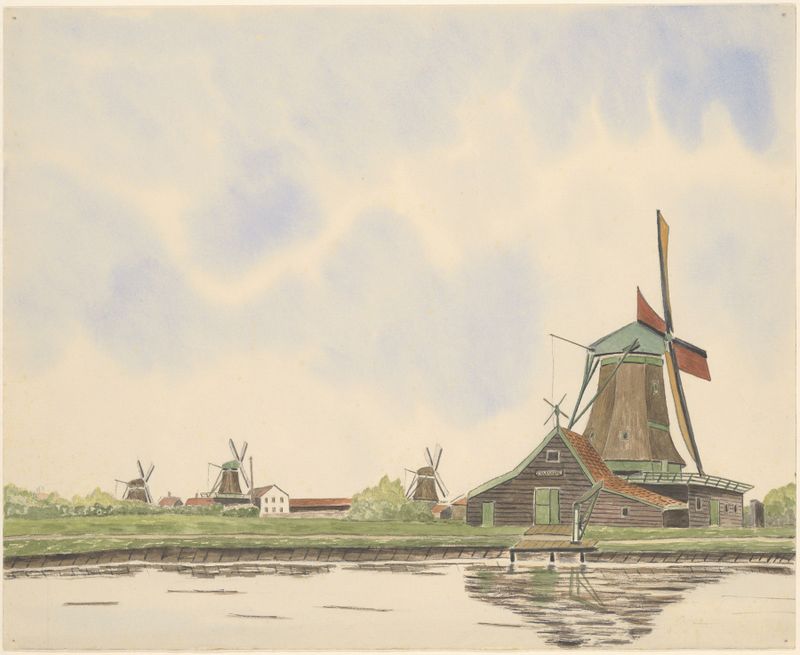
Oliemolen De Kerkuil aan de Zaan, met drie molens op de achtergrond. De Kerkuil stond binnendijks, tegenover de Wormerveerderkerk; afgebroken ca. 1892
Johannes Nicolaas Eijman
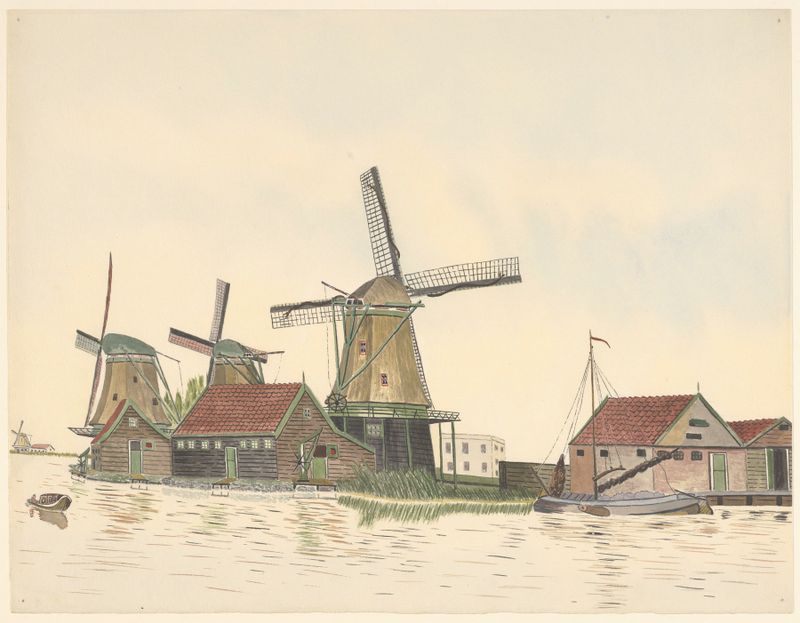
molens; De Ooievaar; De Windhond; De Gans, Kalverringdijk
Johannes Nicolaas Eijman
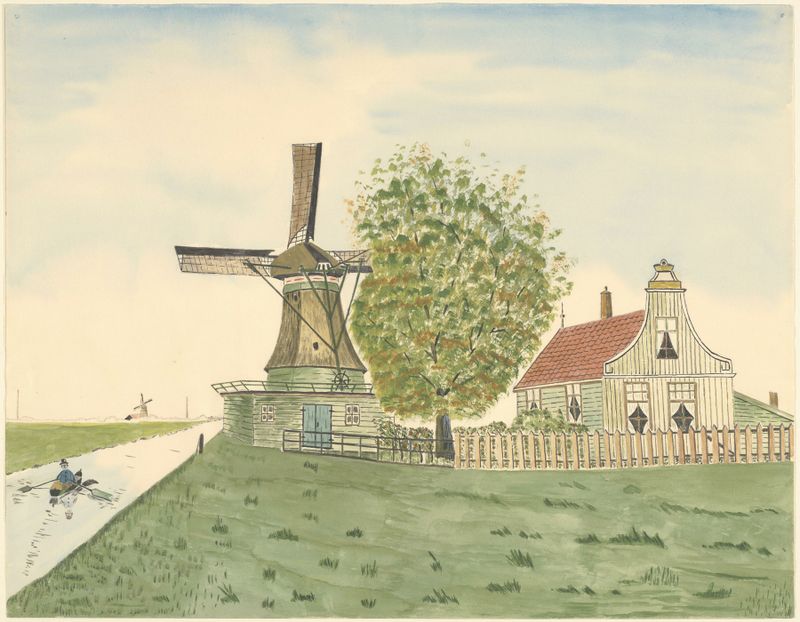
molens; houtzaagmolen De Haan
Johannes Nicolaas Eijman





