
Parabel van de arbeiders in de wijngaard — History & Facts
Can beauty exist without sorrow? In Parabel van de arbeiders in de wijngaard, Georg Pencz invites the viewer to ponder this profound question through a rich tapestry of human experience and divine faith. Focus your gaze on the central figures, where a diverse group of laborers stands beneath a celestial sky, their weary faces illuminated by a soft, golden light that spills over the vineyard. The contrast of their rugged hands against the lush, ripe grapes speaks of toil and reward, while the carefully balanced composition draws your eye across the canvas, inviting a sense of movement and interaction. The subtle palette of greens and browns, intertwined with hints of vibrant color, reinforces the harmonious connection between nature and human endeavor. Delve into the emotional layers embedded within this scene.
Notice how the expressions of the workers reflect a blend of exhaustion and unyielding hope, embodying the struggle for dignity within labor. The figure of the vineyard owner, standing slightly apart yet engaged, symbolizes authority and faith, evoking a dialogue about justice and equity in the face of unequal labor. This tension, woven through each detail, forms a narrative that transcends time, touching on the universal human condition. In the years 1534-1535, Pencz created this work in Nuremberg amid the intricate political and religious shifts of the Reformation.
As artists began to explore themes of morality and social justice, Pencz found inspiration in biblical parables, using his art to reflect the complexities of faith and labor. This period marked a significant evolution in Northern Renaissance art, where the sacred and secular began to intertwine, allowing for deeper explorations of human experience.
More Artworks by Georg Pencz
Browse all →
Parabel van de zaaier
Georg Pencz

Parabel van de arbeiders in de wijngaard
Georg Pencz
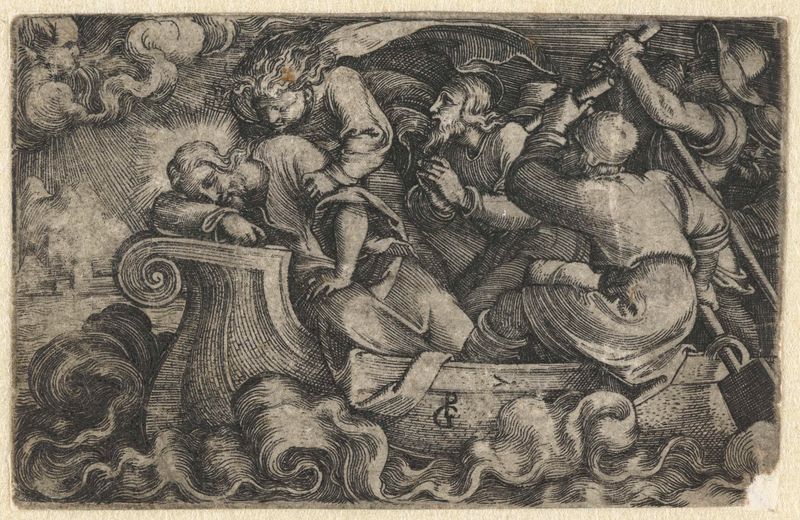
Discipelen wekken slapende Christus tijdens storm op Meer van Galilea
Georg Pencz

Afgunst (Invidia)
Georg Pencz
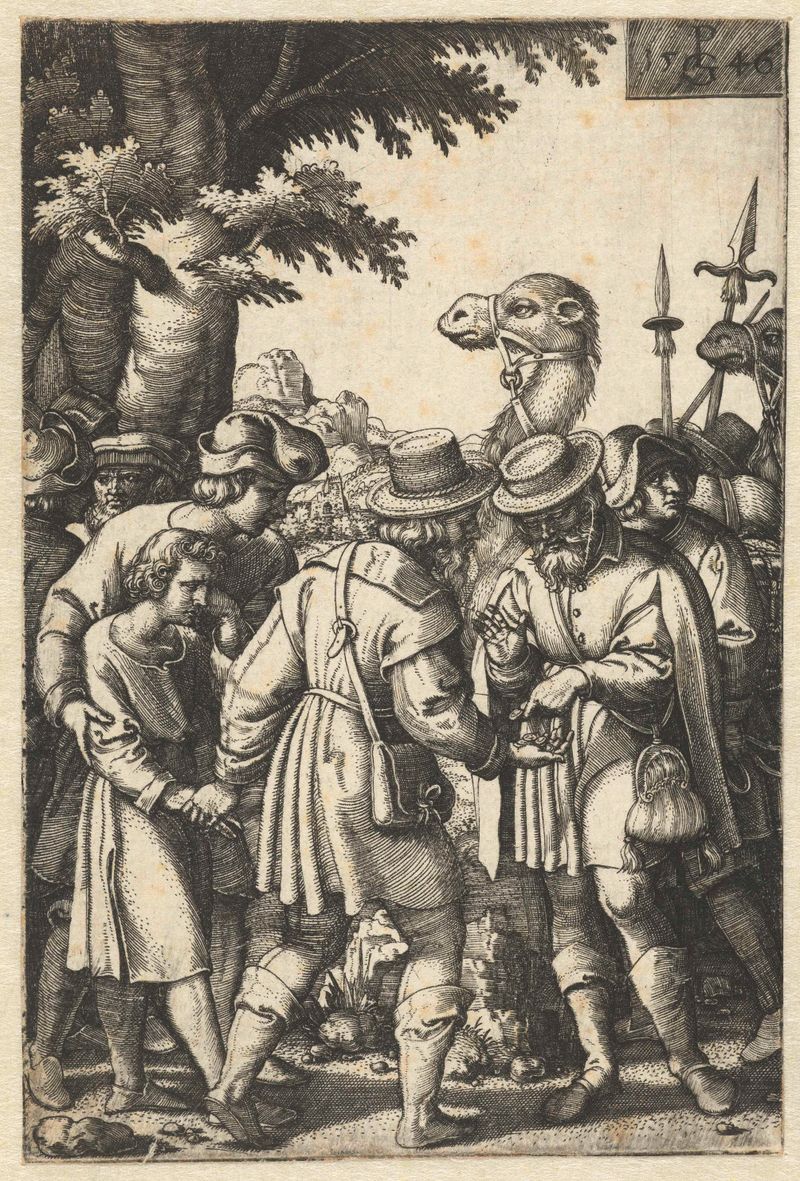
Jozef wordt verkocht aan kooplieden op weg naar Egypte
Georg Pencz

Aanbidding der koningen
Georg Pencz
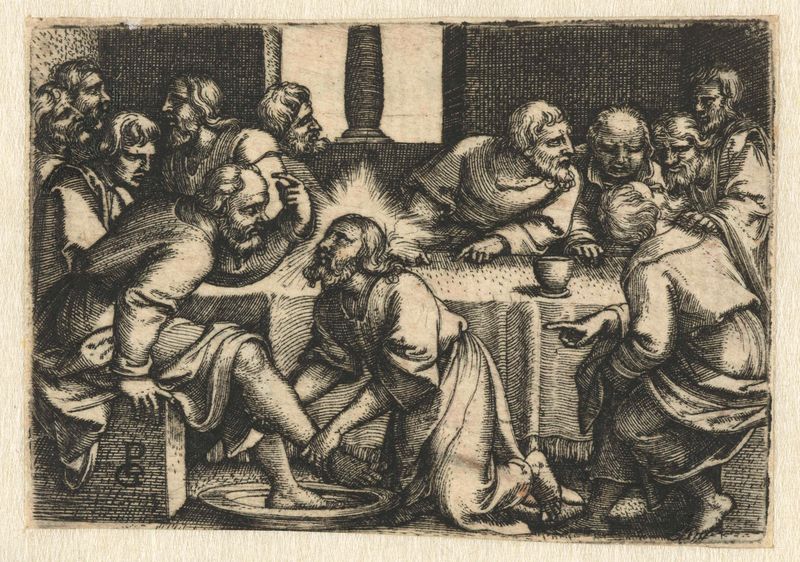
Petrus protesteert als Christus zijn voeten wast
Georg Pencz
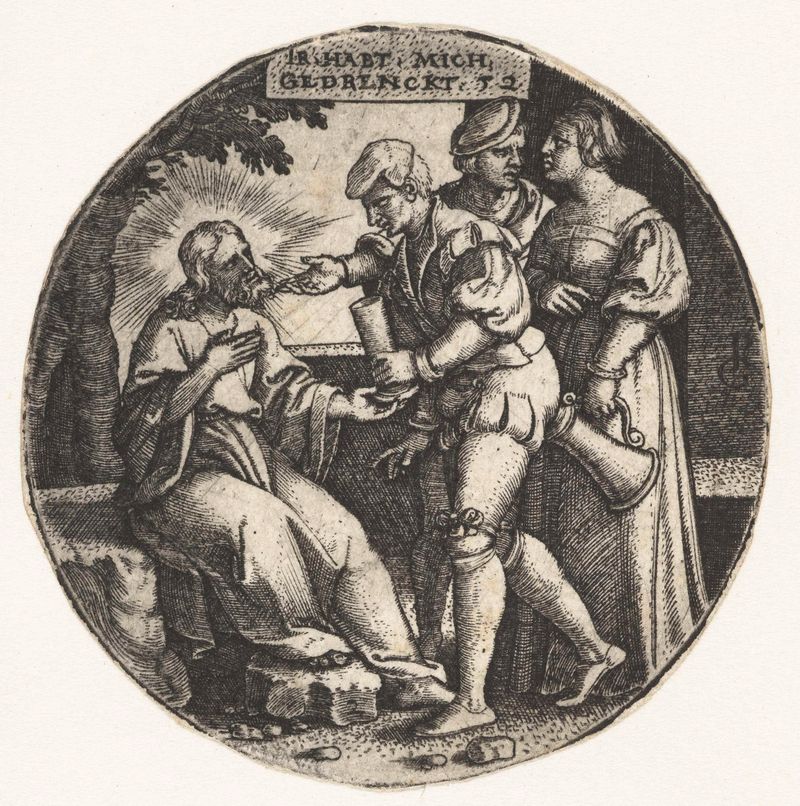
Christus heeft dorst en krijgt drinken aangeboden
Georg Pencz
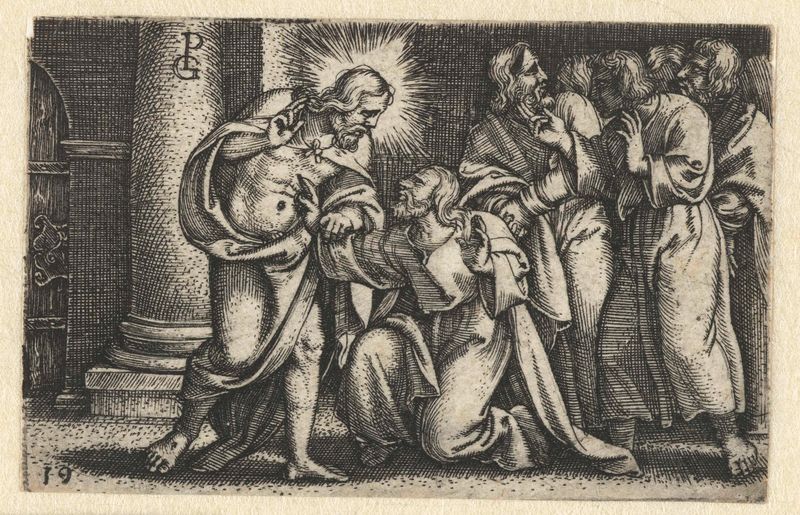
Ongelovige Thomas raakt wonden Christus aan
Georg Pencz

Offer van Abraham van Isaak
Georg Pencz
More Religious Art
Browse all →
The Return of the Prodigal Son
Rembrandt van Rijn

The Garden of Earthly Delights
El Bosco

Count Orgaz’ funeral
El Greco

The Hundred Guilder Print: the central piece with Christ preaching, the plate arched
Rembrandt van Rijn

The Descent from the Cross
Rogier van der Weyden

The return of the prodigal son
Rembrandt van Rijn