Parasol bespannen met een dek van witte bedrukte katoen met een strooipatroon van roze roosjes op een lichte houten stok — History & Facts
Where does light end, and longing begin? In the delicate interplay of fabric and form, a simple parasol invites contemplation, bridging the gap between the mundane and the poetic. Look closely at the intricate patterns woven into the white cotton canopy, where small pink roses bloom against a backdrop of soft hues. The parasol rests on a light wooden pole, its structure exuding a sense of quiet elegance. Notice how the light bathes the fabric, revealing the subtle textures and inviting you to trace the gentle curves that define its silhouette.
The artist’s choice of colors breathes life into this scene, creating a playfulness that contrasts with the stillness inherent in the object itself. Beneath its charming surface lies a poignant tension between beauty and transience. The roses, though vivid and inviting, remind us of fleeting moments, evoking nostalgia for sunlit afternoons that shimmer in the recesses of memory. The soft play of light on fabric speaks to the silence that surrounds our desires—an unspoken yearning for connection and the ephemeral nature of life.
Each detail, from the gentle folds of the parasol to the whisper of shadows, encapsulates a story of longing that lingers in the air. Gustav Schnitzler painted this work during the late 1930s, a time marked by shifts in art movements and societal unrest. As he captured the allure of everyday objects, the world around him grappled with the encroaching shadows of conflict. This period was pivotal in Schnitzler's artistic journey, reflecting both personal introspection and broader cultural transformations that influenced his exploration of silence and beauty in the ordinary.
More Artworks by Gustav Schnitzler
Browse all →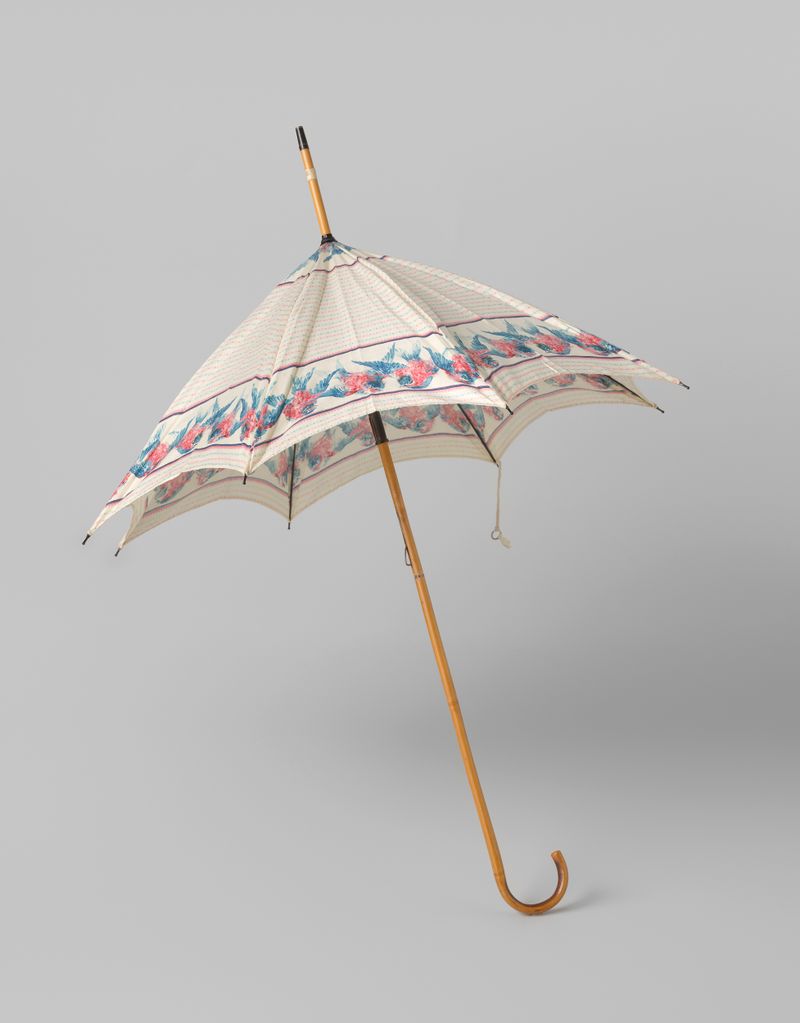
Parasol met dek witte katoen bedrukt met roze en blauwe vogeltjes, op een bamboe stok met gebogen handvat
Gustav Schnitzler
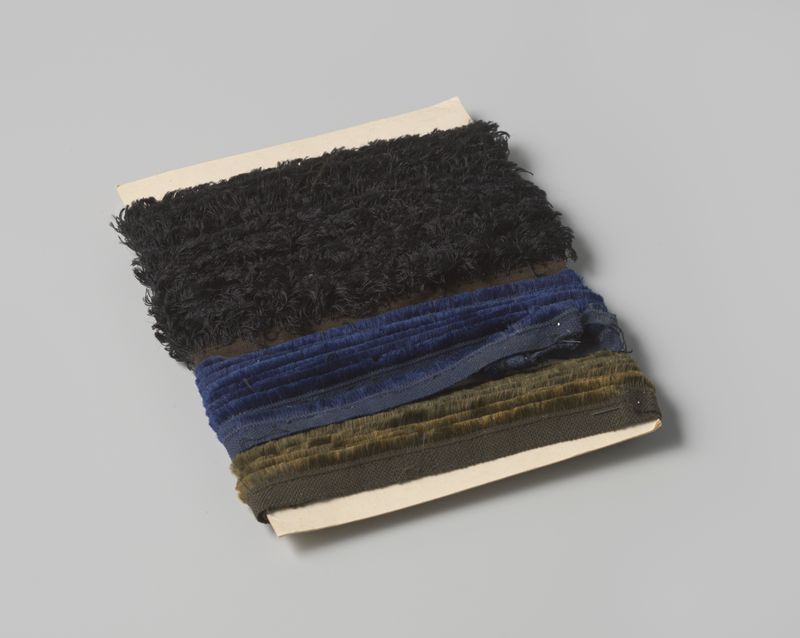
Strook zwarte franje aan bezemband, op karton
Gustav Schnitzler
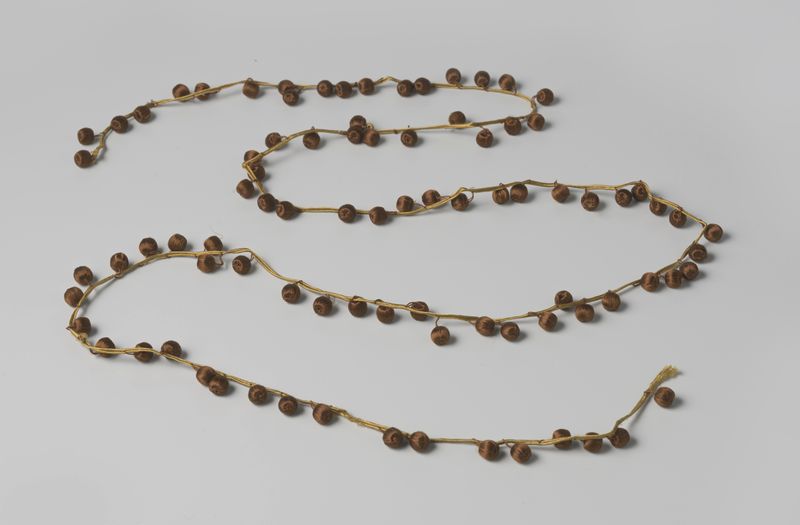
Galon, goudkleurig, waaraan pompons van bruin (zijde)draad hangen
Gustav Schnitzler
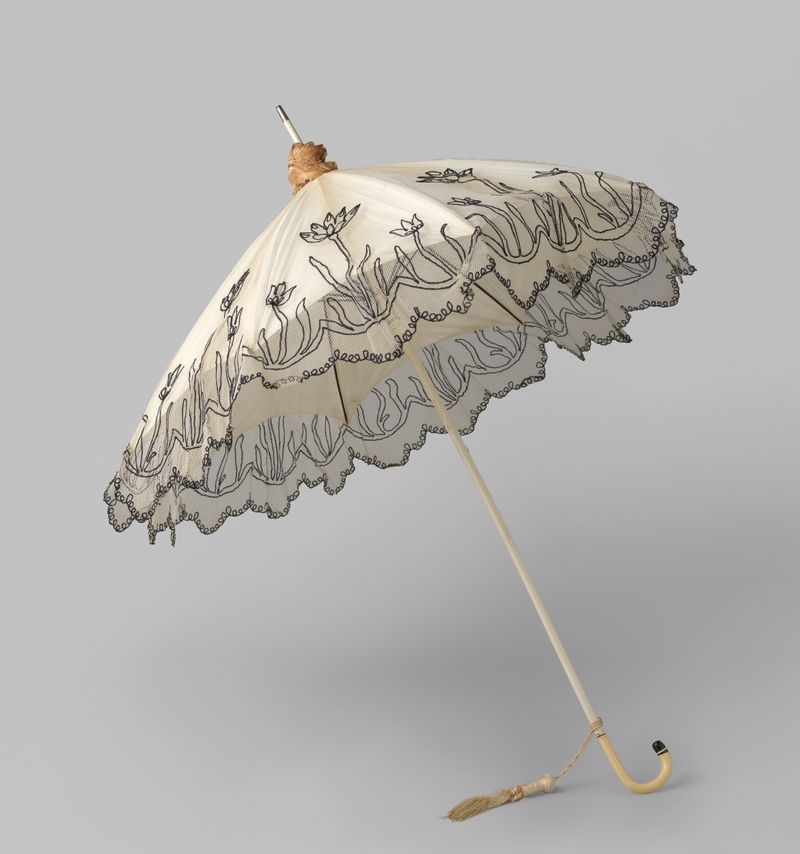
Parasol met dek van witte tule waarop zwart borduurwerk van telkens drie bloemen, op een witgeverfde houten stok, waaraan een gebogen ivoorkleurig handvat
Gustav Schnitzler

Parasol met dek van witte katoen, waartussen een strook van witte kant, op een lichte, houten stok met een ronde haak
Gustav Schnitzler

Strook franje, getand, wit en écru, gewikkeld rond een met gouden randen afgezet plankje
Gustav Schnitzler
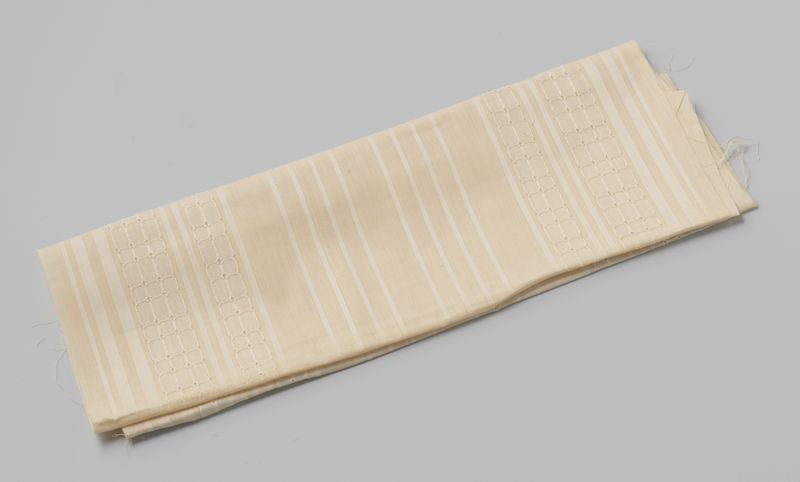
Coupon wit parasolkatoen met beige strepen aan weerszijden
Gustav Schnitzler
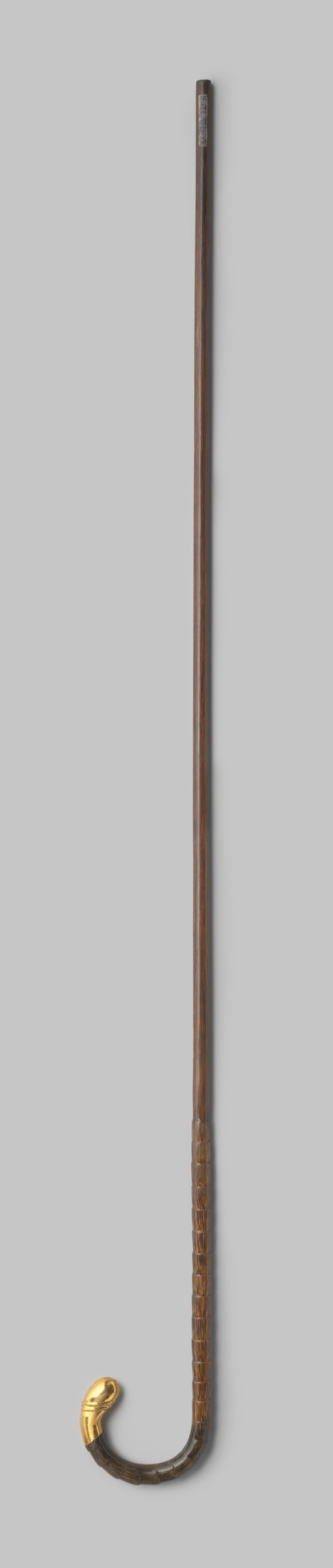
Onderstok van een parapluie of parasol van kokospalm met ronde haak en goudkleurig (verguld?) metalen uiteinde
Gustav Schnitzler
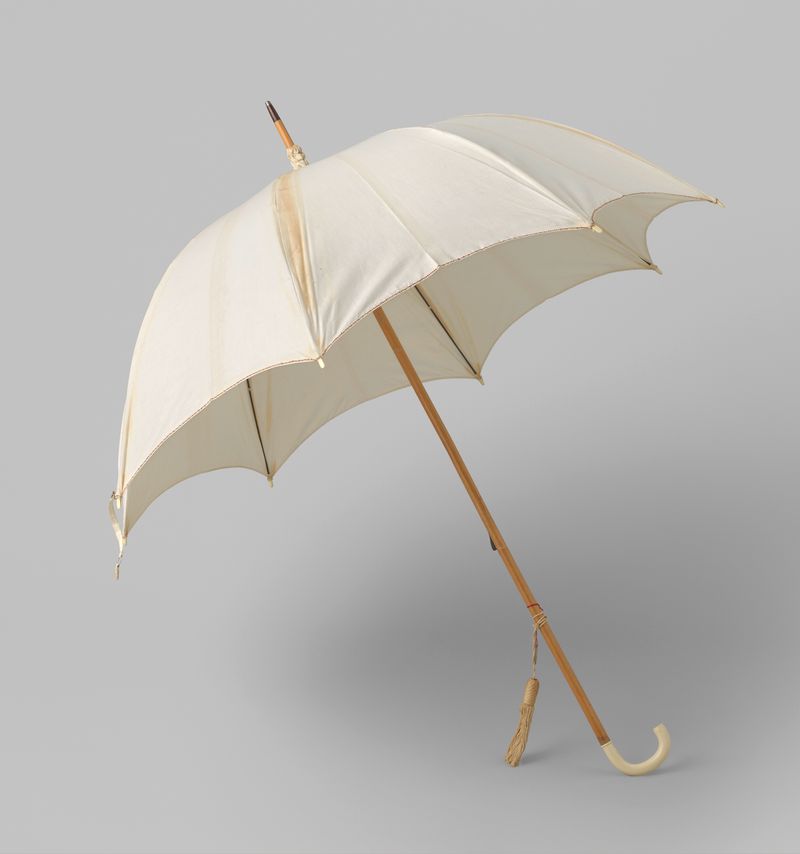
Parasol met dek van effen witte katoen met een smal meerkleurig draad langs de rand geregen, op lichte houten stok, met gebogen, ivoorkleurig handvat
Gustav Schnitzler
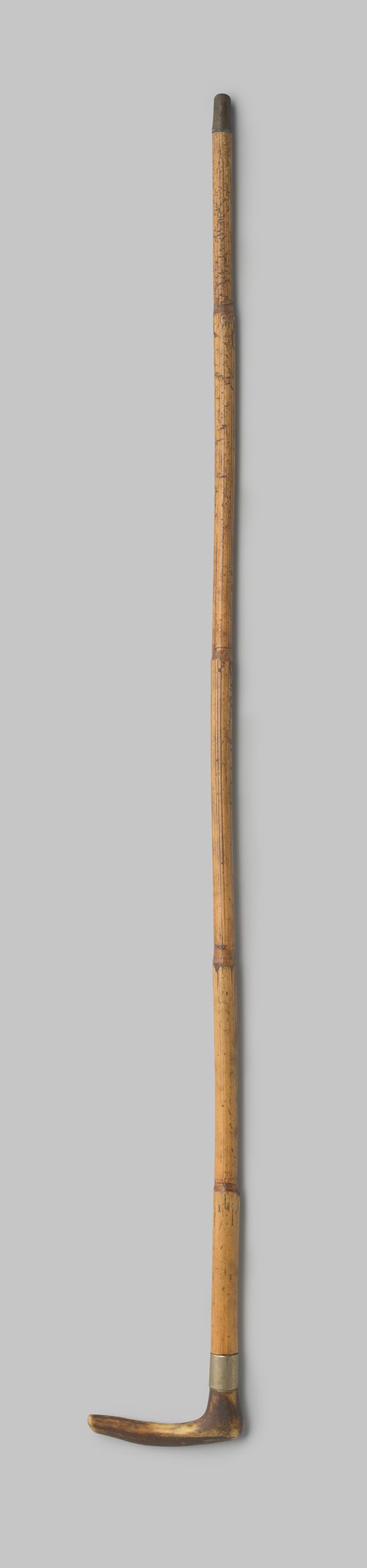
Onderstok van parasol of parapluie van bamboe met rechte haak van hertshoorn, met ring en punt van koper
Gustav Schnitzler