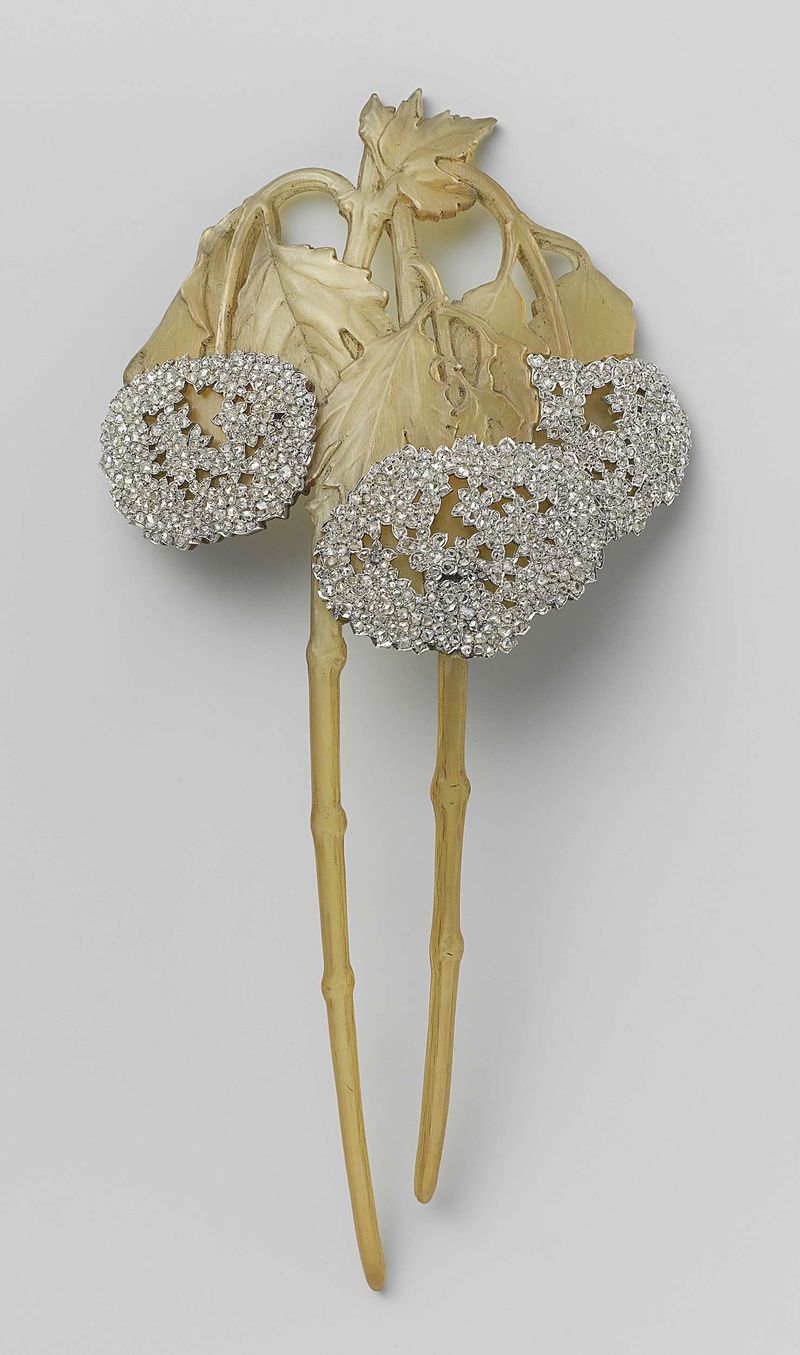
Parasolsector van wit katoen met crêpe strepen en gladde satijnen strepen in verschillende kleuren — History & Facts
In the quiet dance of hues, one can find the pulse of life, a rhythm that resonates through the fabric of existence. It is in this delicate interplay of color and texture that we understand the essence of movement. Look closely at the flowing lines of satin and crêpe that twist and twine, guiding your gaze across the canvas. Notice how the vibrant shades seem to ripple with an energy all their own, each stripe a whisper of motion, inviting interaction.
The composition, with its harmonious blend of smooth and textured surfaces, creates a dynamic tension that evokes the sensation of a breeze flitting through a sunlit garden, the very air alive with possibility. Within this textile tapestry, hidden meanings abound. The contrasting textures allude to the complexities of life—how the soft caress of satin meets the rough edges of crêpe, reflecting our own duality. The varying colors, from the rich jewel tones to softer pastels, capture fleeting emotions, suggesting that movement is not merely physical but also emotional, a dance of the heart that changes with each passing moment. Gustav Schnitzler painted this piece around the early to mid-20th century, a time when the art world was navigating the turbulent waters of modernity.
This period, marked by rapid changes in society and artistic expression, influenced Schnitzler's exploration of light and texture. Working in Europe, he sought to blend traditional craft with contemporary ideas, reflecting the broader cultural shifts of his time, paving the way for future generations of artists.
More Artworks by Gustav Schnitzler
Browse all →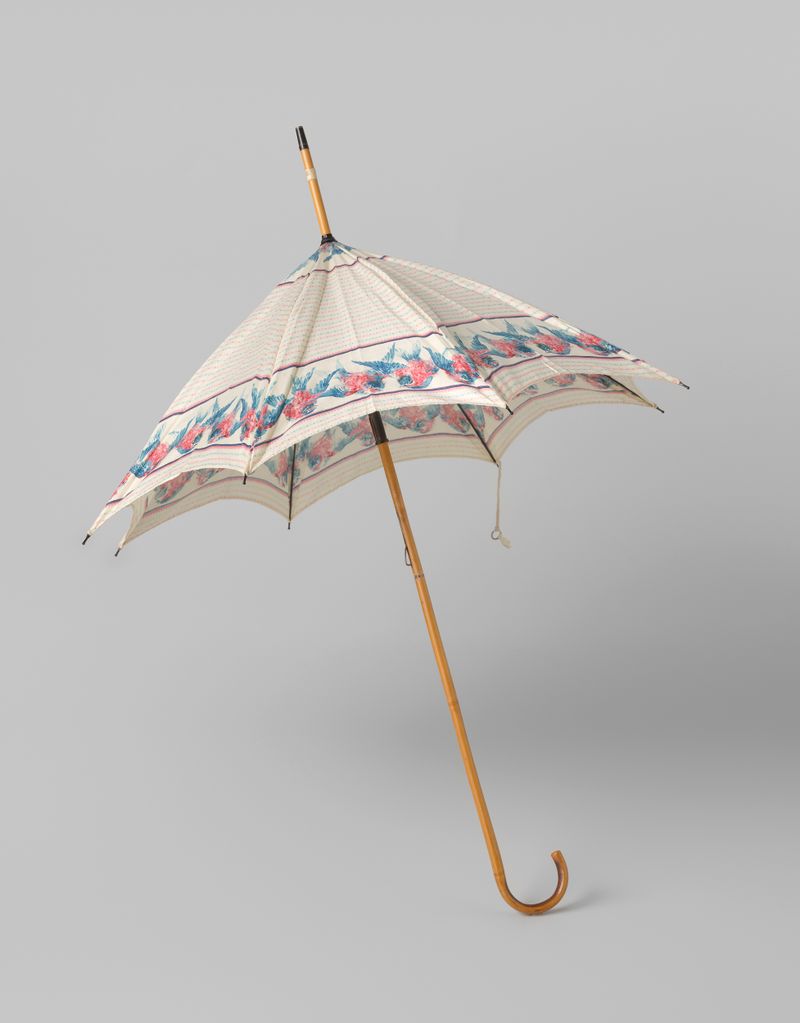
Parasol met dek witte katoen bedrukt met roze en blauwe vogeltjes, op een bamboe stok met gebogen handvat
Gustav Schnitzler
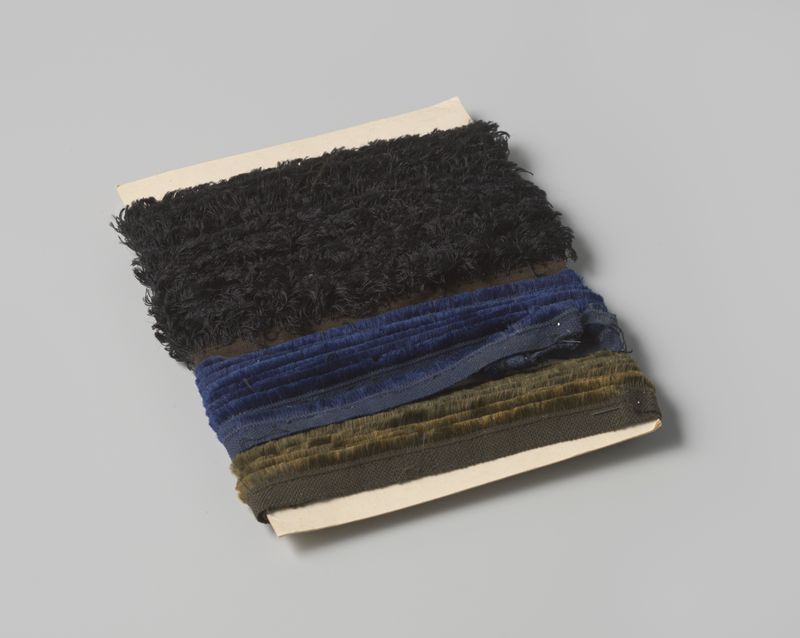
Strook zwarte franje aan bezemband, op karton
Gustav Schnitzler
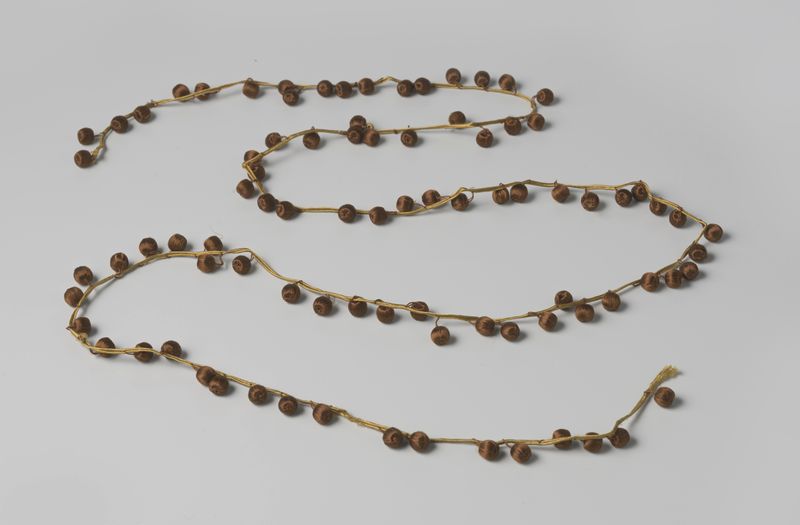
Galon, goudkleurig, waaraan pompons van bruin (zijde)draad hangen
Gustav Schnitzler
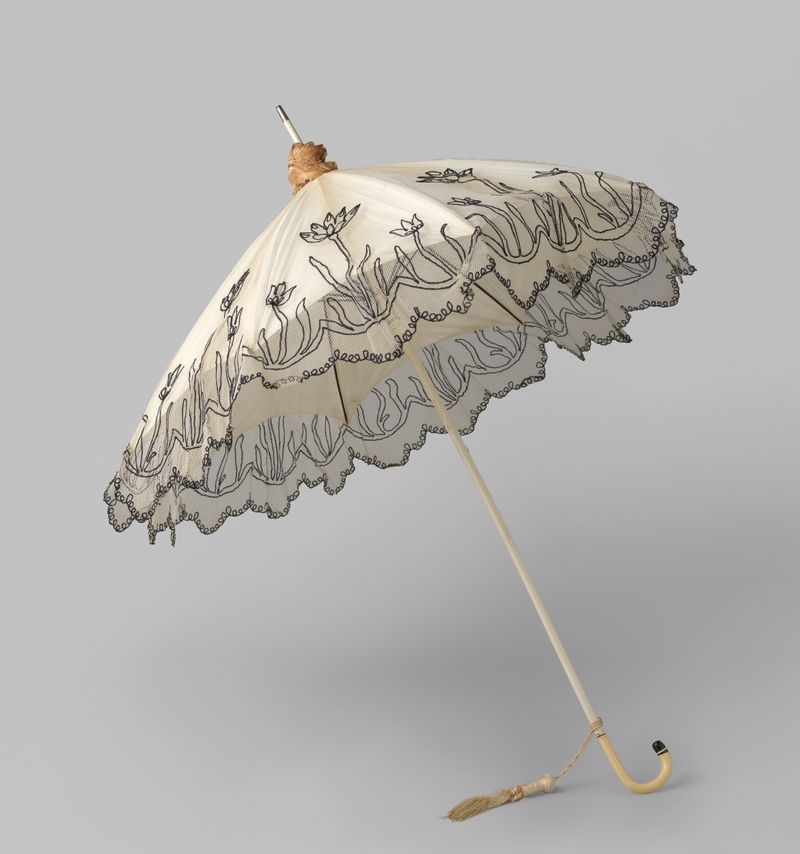
Parasol met dek van witte tule waarop zwart borduurwerk van telkens drie bloemen, op een witgeverfde houten stok, waaraan een gebogen ivoorkleurig handvat
Gustav Schnitzler

Parasol met dek van witte katoen, waartussen een strook van witte kant, op een lichte, houten stok met een ronde haak
Gustav Schnitzler

Strook franje, getand, wit en écru, gewikkeld rond een met gouden randen afgezet plankje
Gustav Schnitzler
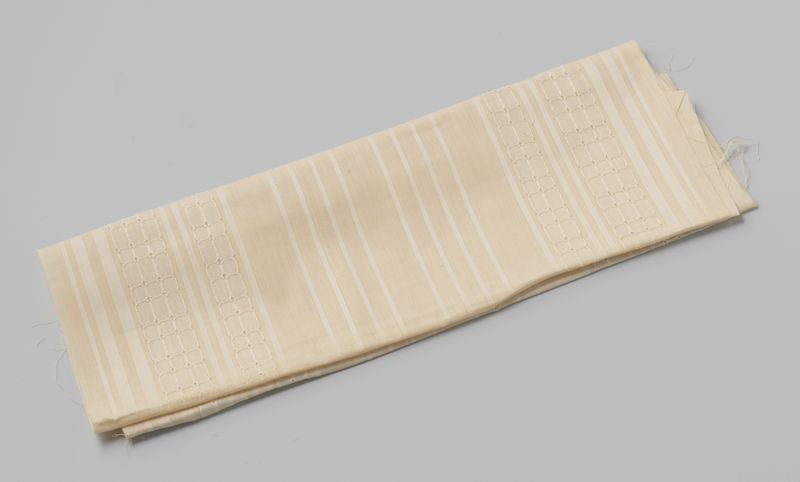
Coupon wit parasolkatoen met beige strepen aan weerszijden
Gustav Schnitzler
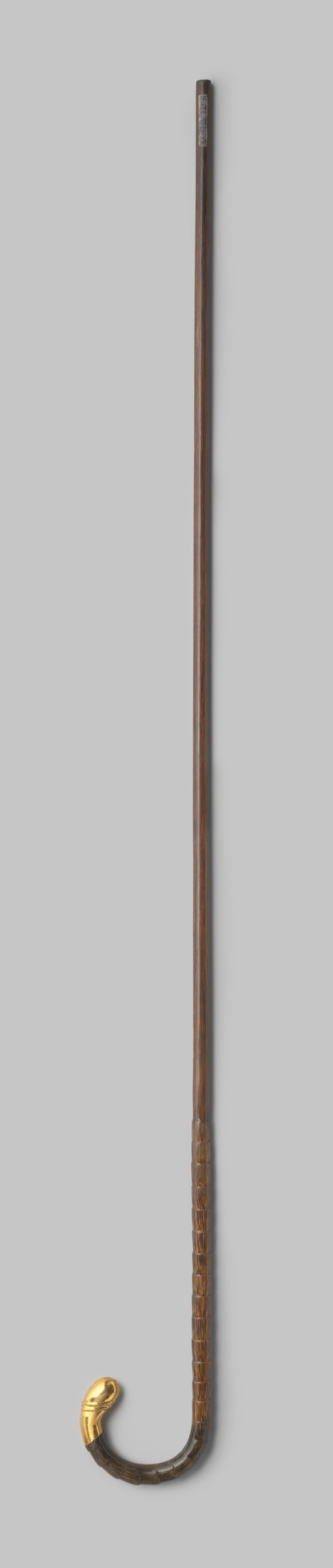
Onderstok van een parapluie of parasol van kokospalm met ronde haak en goudkleurig (verguld?) metalen uiteinde
Gustav Schnitzler
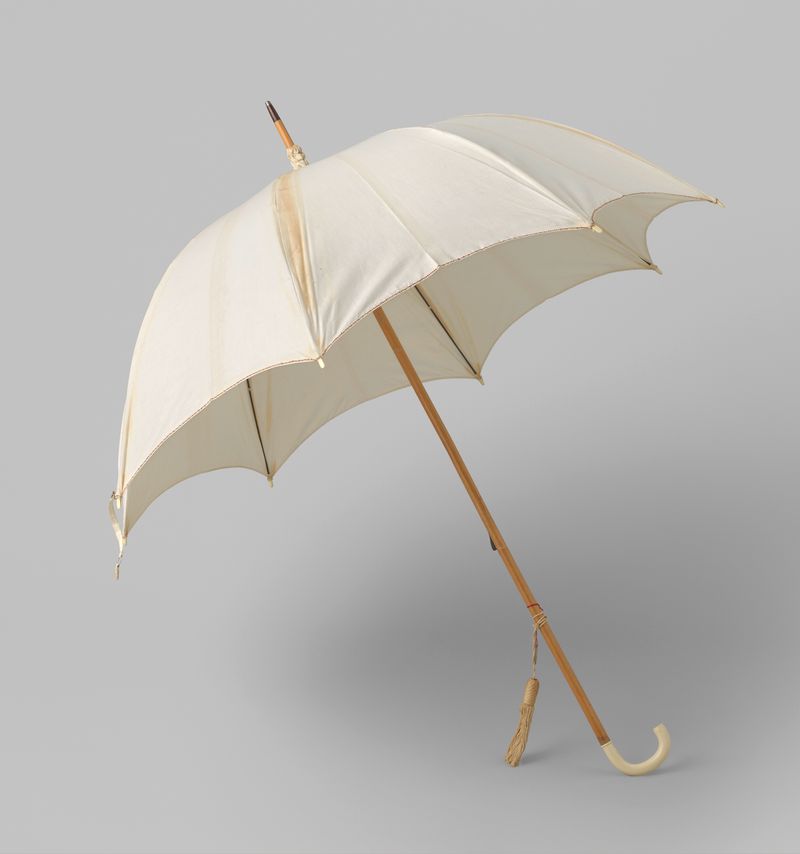
Parasol met dek van effen witte katoen met een smal meerkleurig draad langs de rand geregen, op lichte houten stok, met gebogen, ivoorkleurig handvat
Gustav Schnitzler
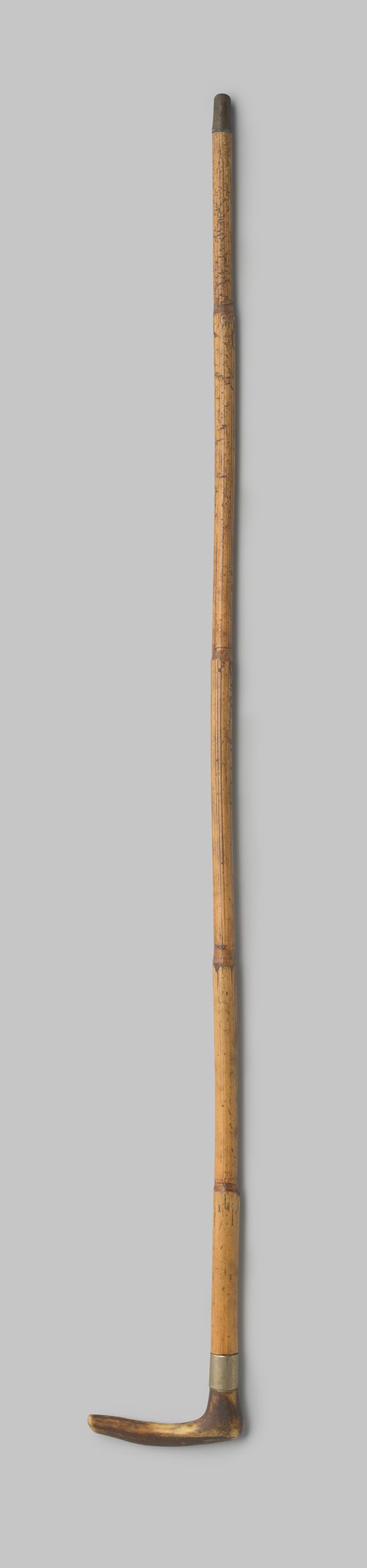
Onderstok van parasol of parapluie van bamboe met rechte haak van hertshoorn, met ring en punt van koper
Gustav Schnitzler