
Paris. Cour du Grand Hôtel du Louvre — History & Facts
In this stillness, we find serenity captured in a moment, one where time slows and breathing becomes an art form unto itself. An invitation to pause, to reflect, and to be enveloped by the quiet beauty that surrounds us. Look to the left at the elegantly arched doorway, its soft curvature drawing the eye into the depth of the courtyard. The gentle play of light filters through the soft cloud cover, casting dappled shadows on the cobblestones.
Notice how the warm earth tones of the buildings contrast with the cool blues and greens of the foliage, creating a harmonious balance that invites contemplation. Every brushstroke conveys a sense of tranquil order, as the meticulous detail of the architecture speaks to both grandeur and intimacy. Beyond the surface beauty, the painting comments on the relationship between man and urban space. The absence of figures may suggest solitude or a fleeting moment of peace within the hustle of Parisian life.
This emptiness resonates with the viewer, allowing personal reflections to blossom, questioning what it means to find solace in a city that never sleeps. The juxtaposition of solid structures and the ephemeral play of light evokes an emotional tension — a reminder that serenity can exist even amid chaos. Created in the late 1870s, this work reflects a time of both artistic exploration and historical resonance. Charles Rivière was immersed in a Parisian art scene that was grappling with the transition from Romanticism to Impressionism, seeking new ways to express light and atmosphere.
His portrayal of the Cour du Grand Hôtel du Louvre not only captures the essence of his time but also echoes the sentiment of a city bustling with life yet cradled in moments of stillness.
More Artworks by Charles Rivière
Browse all →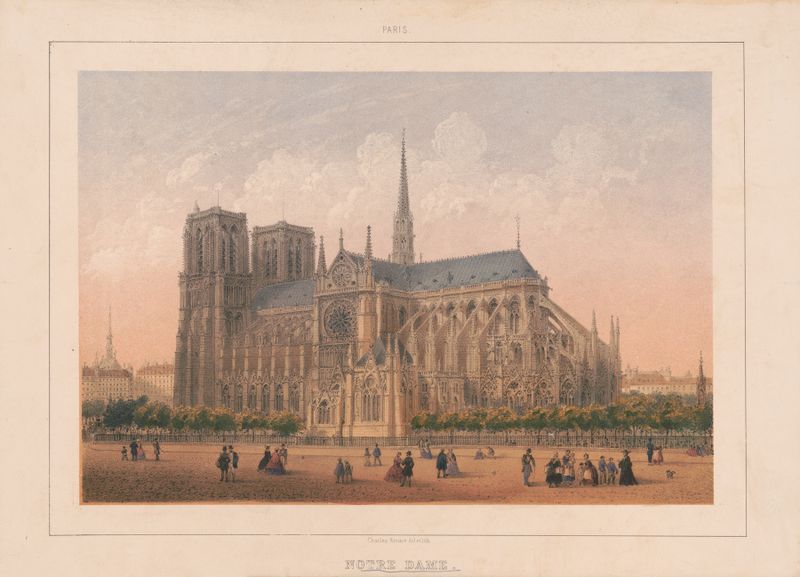
Paris. Notre Dame
Charles Rivière
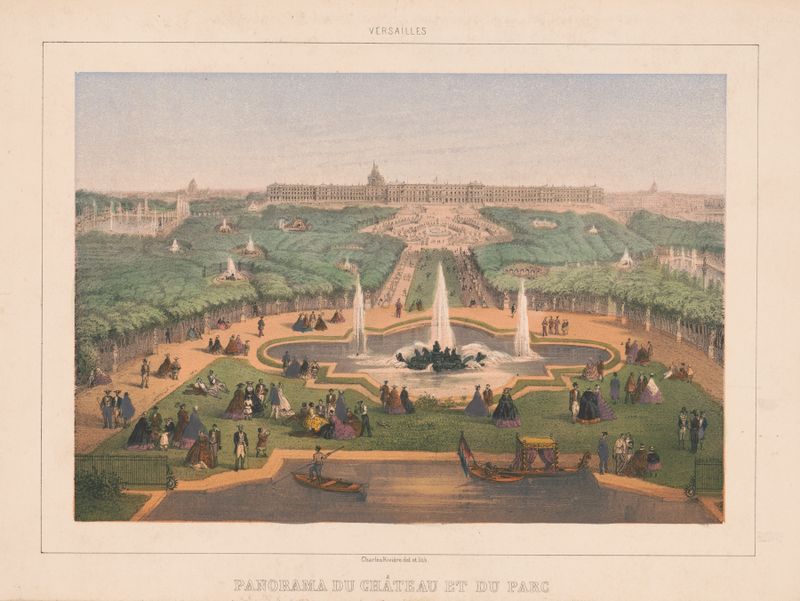
Versailles. Panorama du Château et du parc
Charles Rivière

Paris. Panorama des Tuileries et du Louvre
Charles Rivière
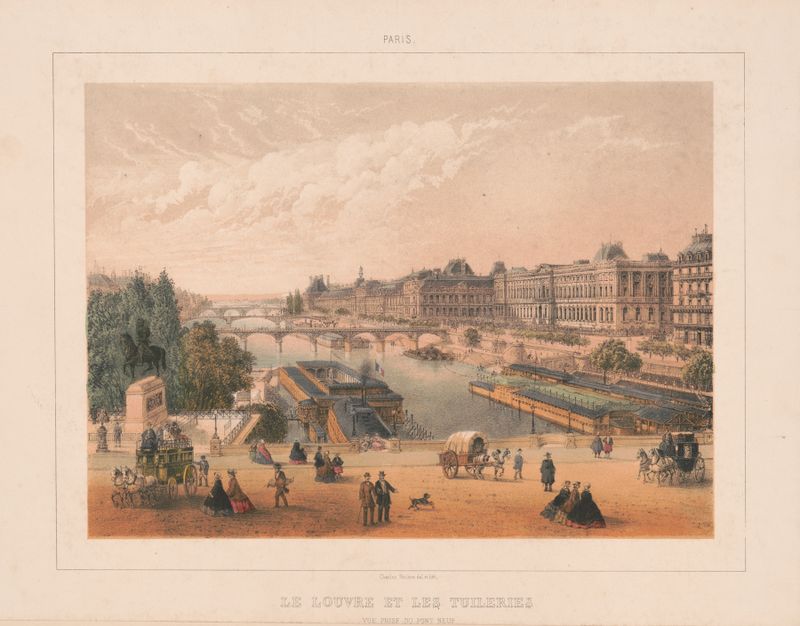
Paris. Le Louvre et les Tuileries vue prise du Pont Neuf
Charles Rivière
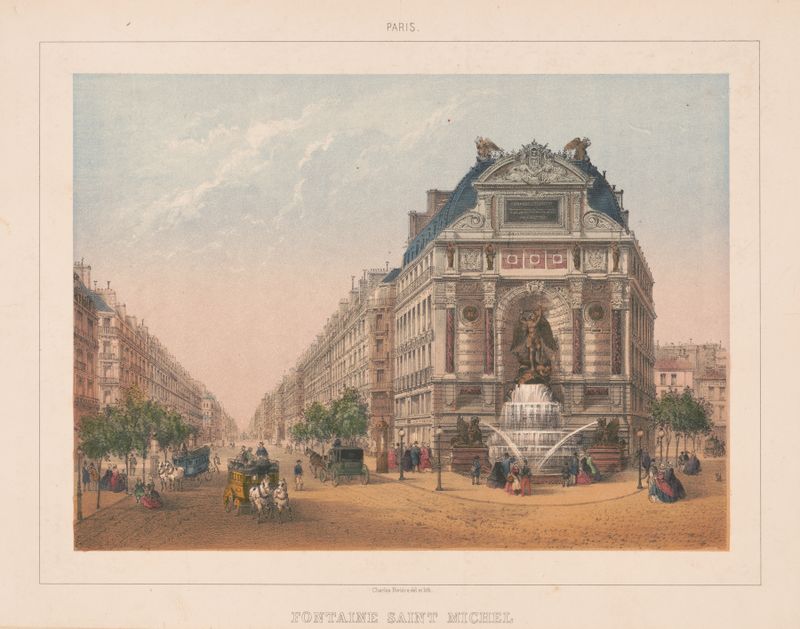
Paris. Fontaine Saint Michel
Charles Rivière
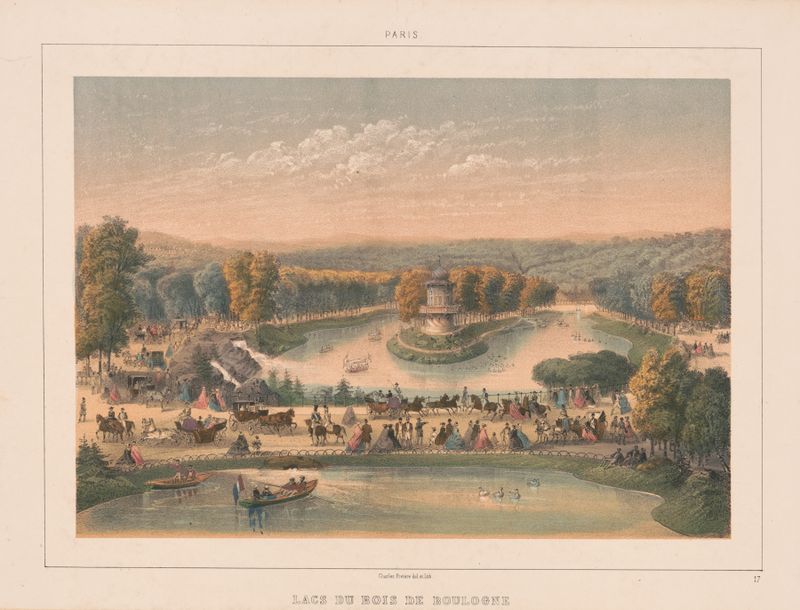
Paris. Lacs du Bois de Boulogne
Charles Rivière
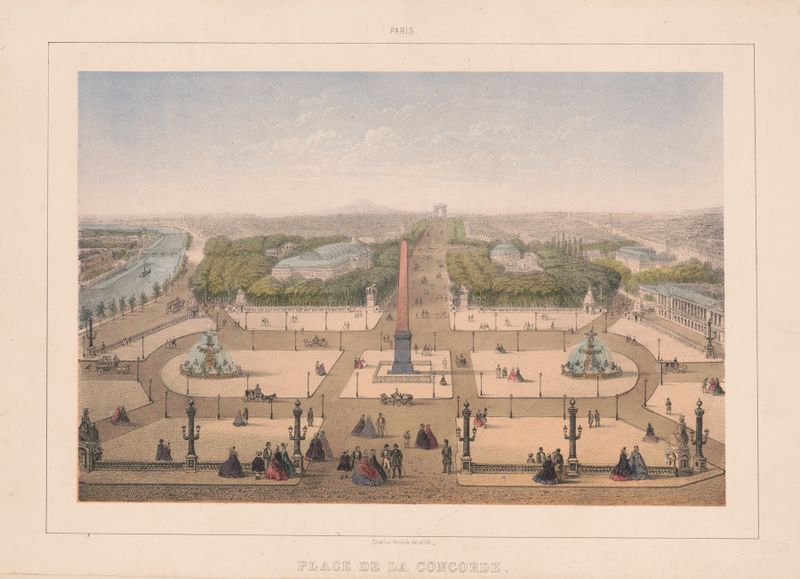
Paris. Place de la Concorde
Charles Rivière
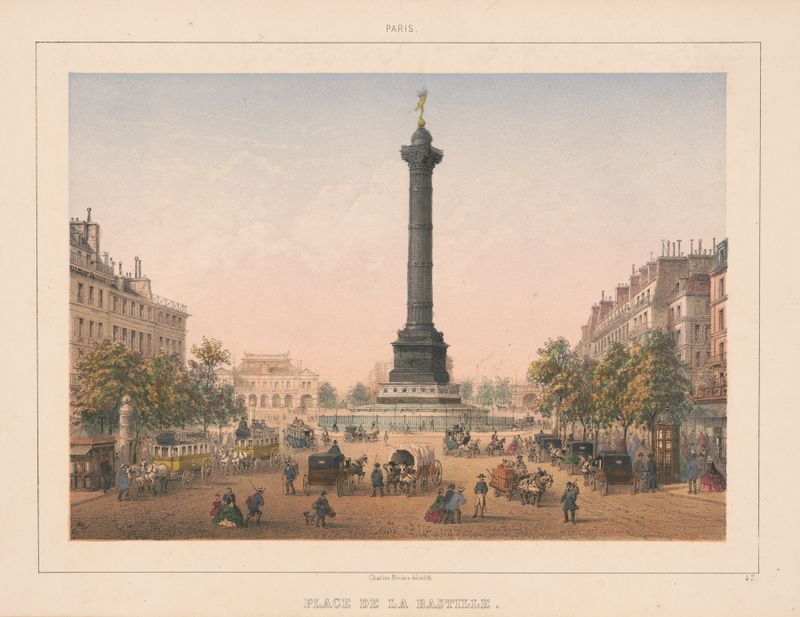
Paris. Place de la Bastille
Charles Rivière
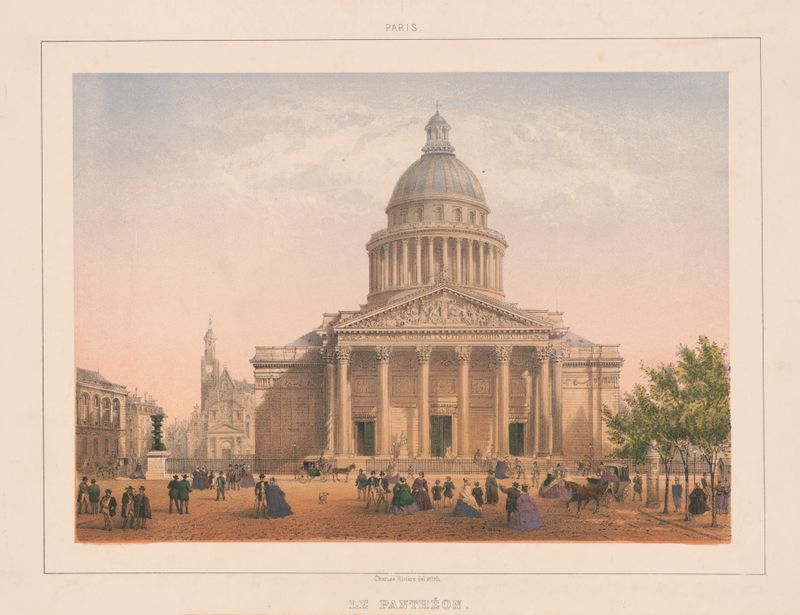
Paris. Le Panthéon
Charles Rivière

Paris. Hôtel de Ville
Charles Rivière
More Architecture Art
Browse all →
The statue of Liberty
Frédéric Auguste Bartholdi

View of Houses in Delft, Known as ‘The Little Street’
Johannes Vermeer

View of Houses in Delft, Known as ‘The Little Street’
Johannes Vermeer

The Cathedral in Rouen. The portal, Grey Weather
Claude Monet

The yellow house
Vincent van Gogh

The Church in Auvers-sur-Oise, View from the Chevet
Vincent van Gogh