
Paris. Notre Dame — History & Facts
In the quietude of a city, echoes of emotions linger just beneath the surface, revealing a deeper melancholy that colors our perception of life. Begin your exploration by focusing on the sweeping expanse in the background, where the majestic silhouette of Notre Dame rises against a muted sky. The delicate play of blues and greys enchants the viewer, drawing them in with a sense of nostalgia. Notice how the figures, painted in softer hues, seem to merge into the background, their presence both tangible and fleeting, symbolizing the transient nature of existence. Within the composition, subtle contrasts emerge — the solid, ancient architecture of the cathedral juxtaposed with the ephemeral quality of the figures below.
Each brushstroke carries a weight of longing, as if the artist is reflecting on the passage of time and the stories left untold. The use of muted colors evokes a deep sense of melancholy, inviting viewers to contemplate their own connections to the city and its history. During the late 1870s, while creating this piece, the artist found himself amidst a vibrant yet tumultuous art scene in Paris, which was grappling with the aftermath of the Franco-Prussian War. This period was marked by a struggle for identity and expression, as artists sought to capture the emerging modernity of the city while reflecting on the shadows of its past.
Rivière’s work embodies this essence, serving as a poignant reminder of the enduring spirit of Paris and the emotions that dwell within its streets.
More Artworks by Charles Rivière
Browse all →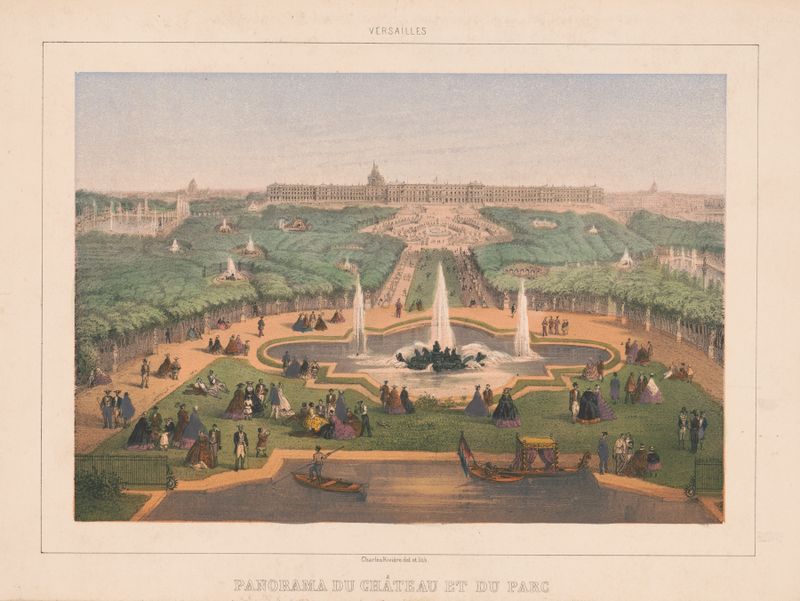
Versailles. Panorama du Château et du parc
Charles Rivière

Paris. Panorama des Tuileries et du Louvre
Charles Rivière
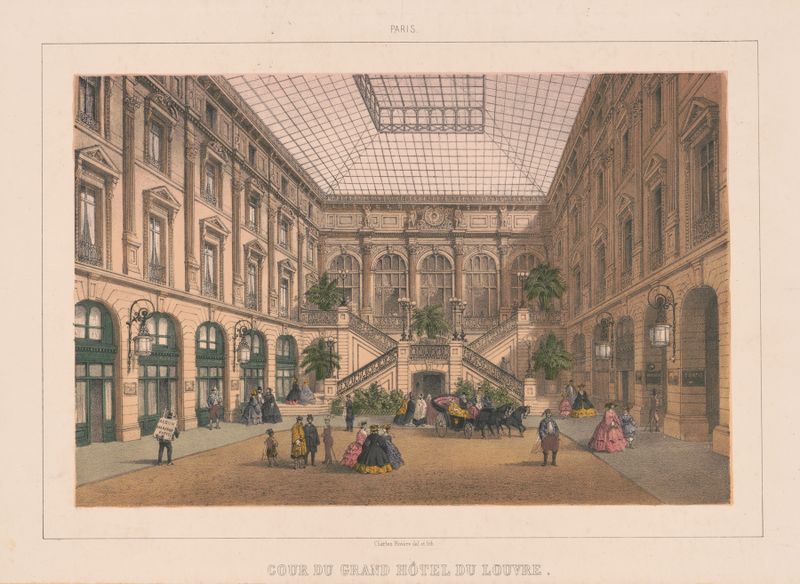
Paris. Cour du Grand Hôtel du Louvre
Charles Rivière
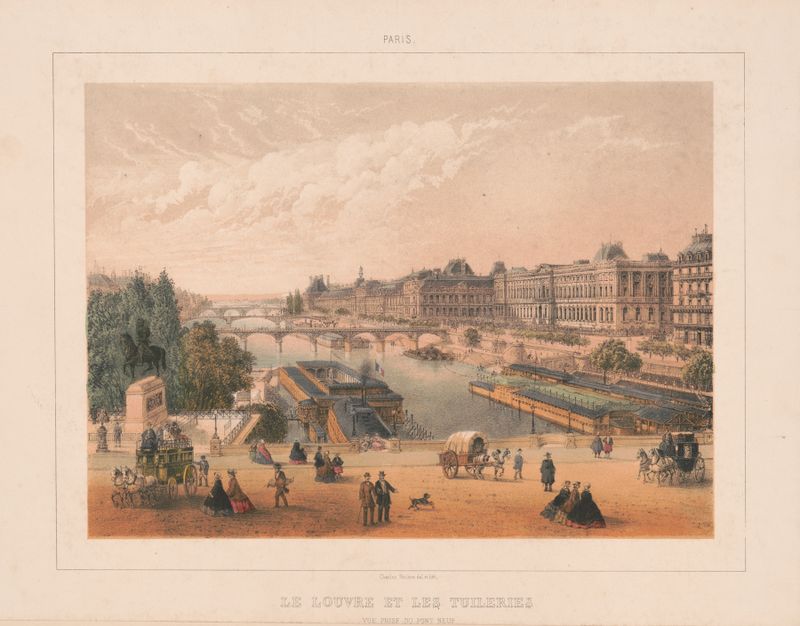
Paris. Le Louvre et les Tuileries vue prise du Pont Neuf
Charles Rivière
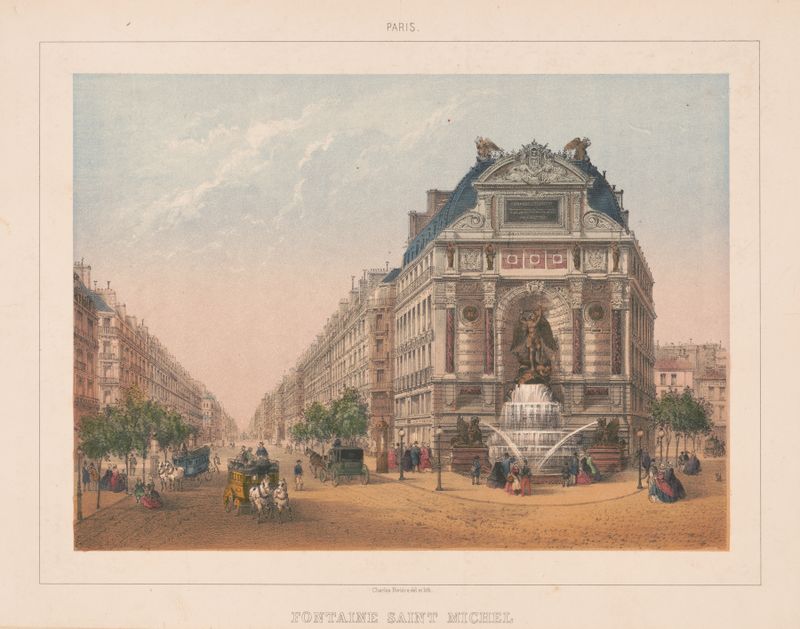
Paris. Fontaine Saint Michel
Charles Rivière
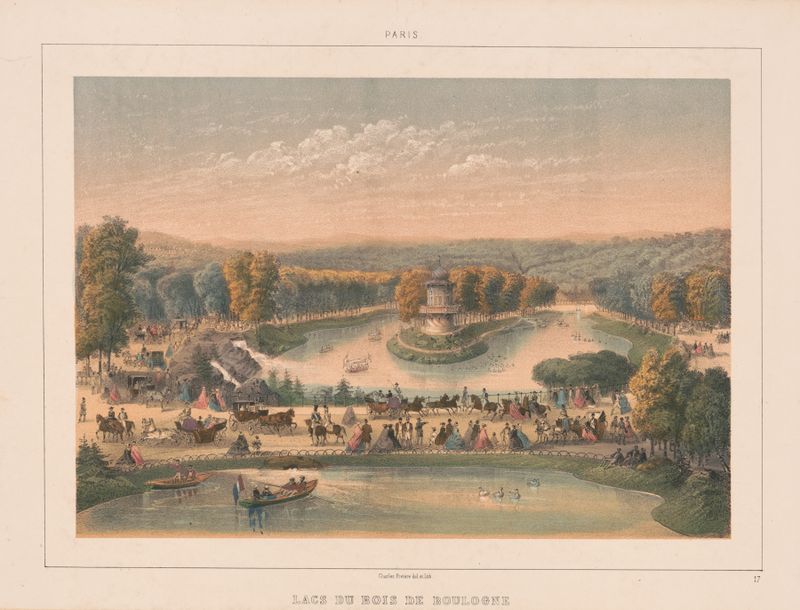
Paris. Lacs du Bois de Boulogne
Charles Rivière
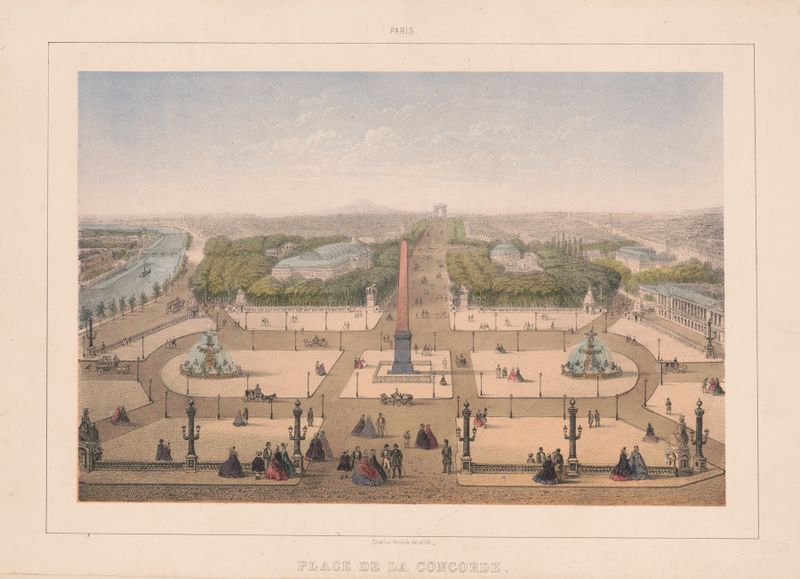
Paris. Place de la Concorde
Charles Rivière
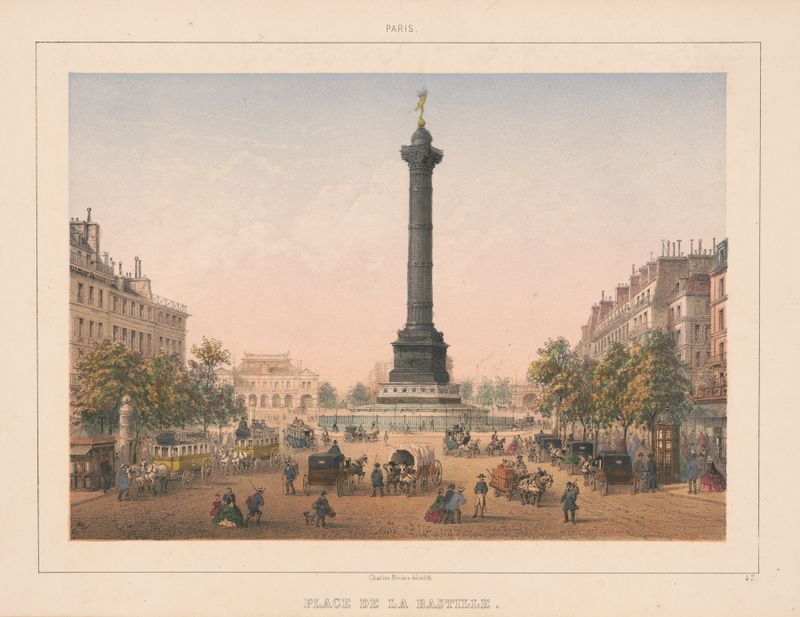
Paris. Place de la Bastille
Charles Rivière
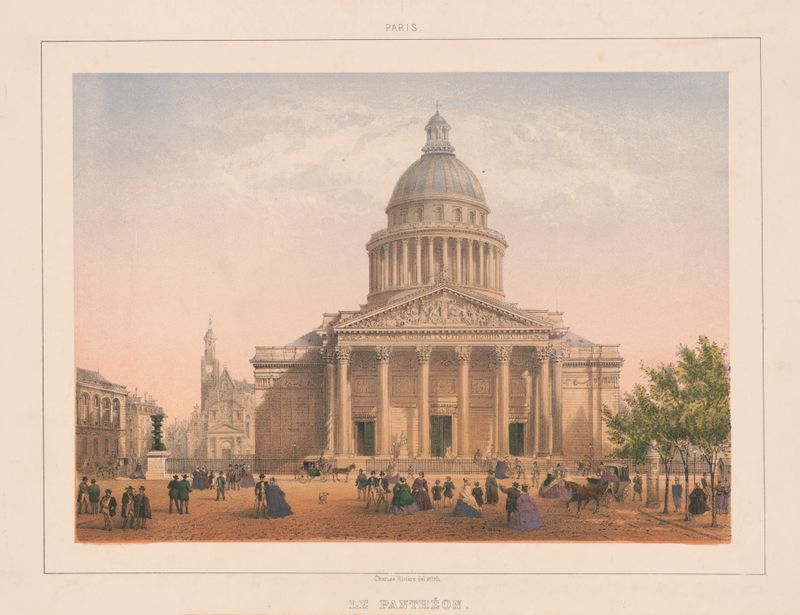
Paris. Le Panthéon
Charles Rivière

Paris. Hôtel de Ville
Charles Rivière
More Architecture Art
Browse all →
The statue of Liberty
Frédéric Auguste Bartholdi

View of Houses in Delft, Known as ‘The Little Street’
Johannes Vermeer

View of Houses in Delft, Known as ‘The Little Street’
Johannes Vermeer

The Cathedral in Rouen. The portal, Grey Weather
Claude Monet

The yellow house
Vincent van Gogh

The Church in Auvers-sur-Oise, View from the Chevet
Vincent van Gogh