
Paris. Fontaine Saint Michel — History & Facts
This reflection resonates deeply within the essence of art, inviting us to explore layers that often remain unseen yet profoundly felt. Look to the center of the canvas, where the majestic fountain stands as a beacon of life amidst a bustling Parisian backdrop. The precise detailing captures the intricate sculptures, their expressions frozen in time, cascading water glimmering under a gentle light. Notice how the artist employs a palette of warm earth tones, interspersed with the cool blues of the sky, creating a harmonious contrast that draws the eye toward the splendor of the fountain while subtly hinting at the urban chaos beyond. Yet, beneath this facade of beauty lies an undercurrent of tension.
The figures surrounding the fountain — some lost in their own thoughts, others engaged in hurried conversations — embody the disconnection of modern life. Each gesture, from the slight downturn of a passerby’s head to the open posture of a child gazing in awe, reflects a spectrum of emotions, suggesting a longing for transcendence amid the relentless pace of the city. The juxtaposition of the timeless elegance of the fountain against the transitory nature of daily life evokes a poignant commentary on the search for meaning. During the late 1870s, when this piece was created, Rivière was immersed in the vibrant art scene of Paris, grappling with the effects of industrialization and urbanization.
This period marked a shift in societal values and artistic expression, as artists sought new ways to convey the complexities of modern existence. In this context, Paris. Fontaine Saint Michel stands out as a testament to both the beauty of the city and the human condition, reflecting Rivière’s keen observation of the world around him.
More Artworks by Charles Rivière
Browse all →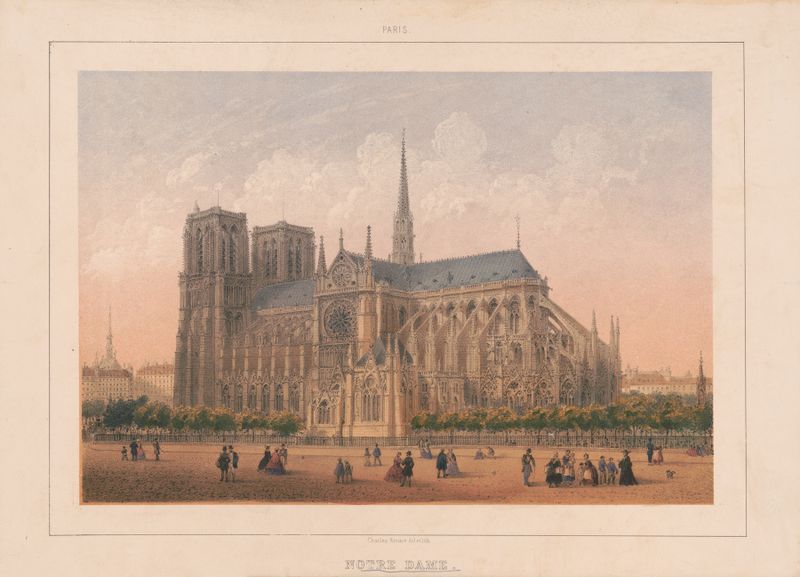
Paris. Notre Dame
Charles Rivière
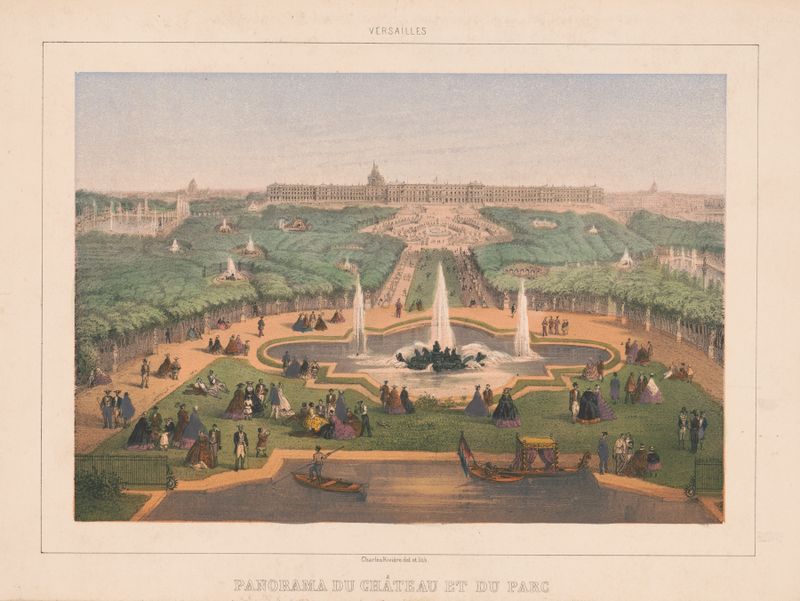
Versailles. Panorama du Château et du parc
Charles Rivière

Paris. Panorama des Tuileries et du Louvre
Charles Rivière
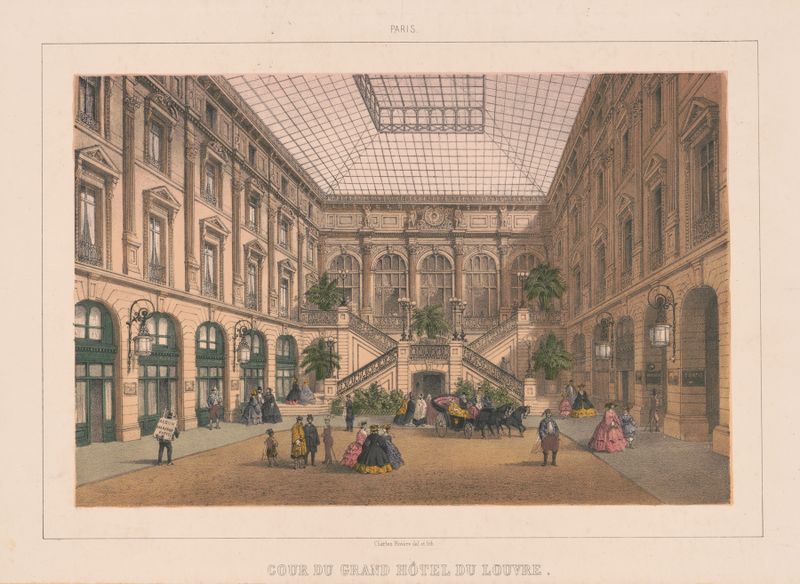
Paris. Cour du Grand Hôtel du Louvre
Charles Rivière
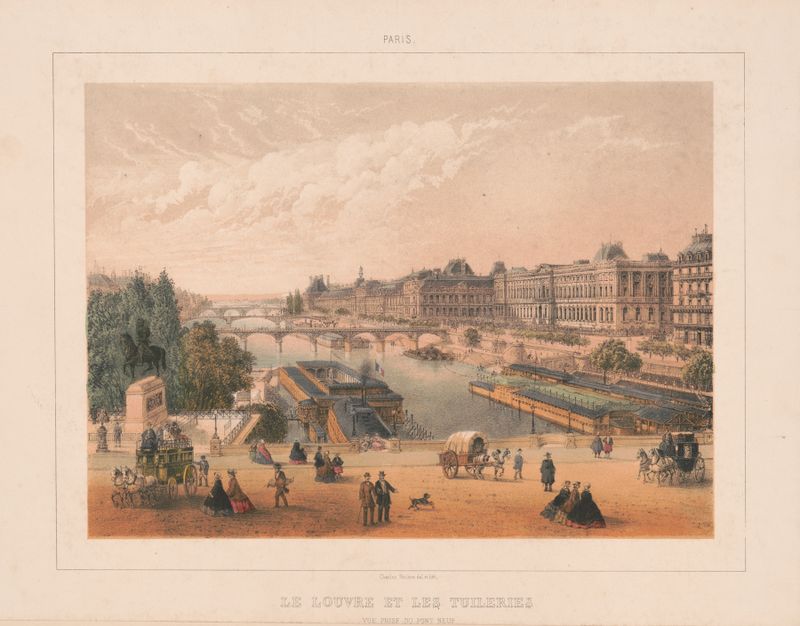
Paris. Le Louvre et les Tuileries vue prise du Pont Neuf
Charles Rivière
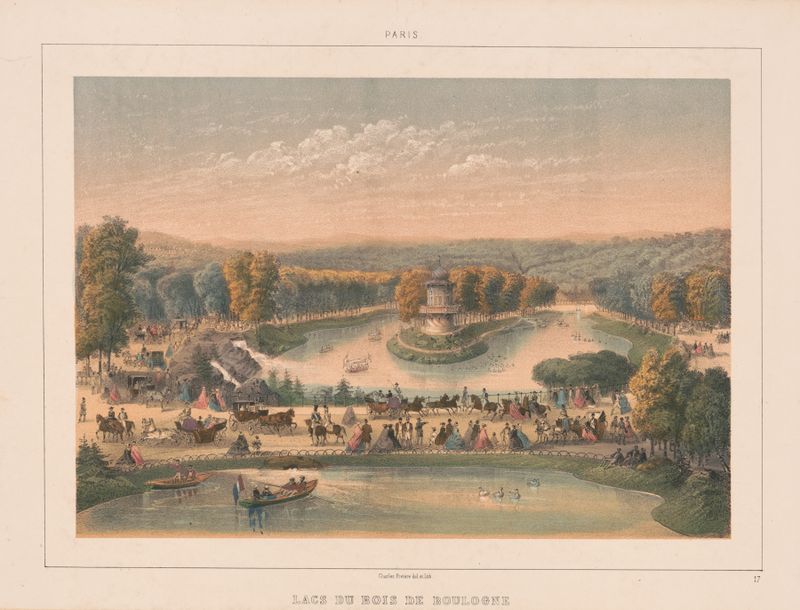
Paris. Lacs du Bois de Boulogne
Charles Rivière
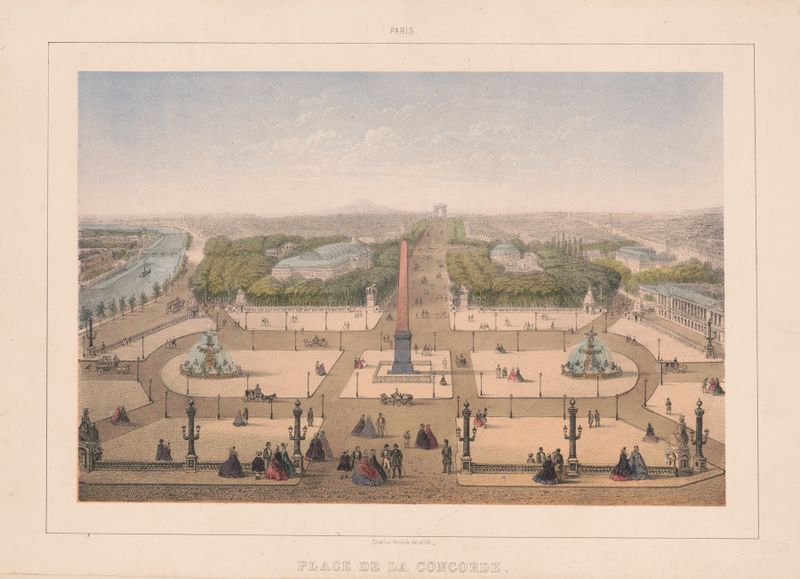
Paris. Place de la Concorde
Charles Rivière
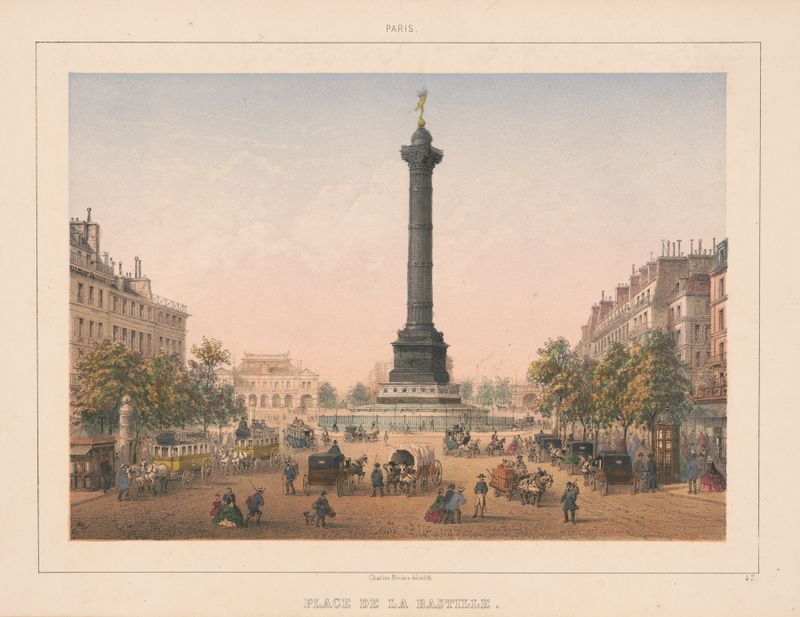
Paris. Place de la Bastille
Charles Rivière
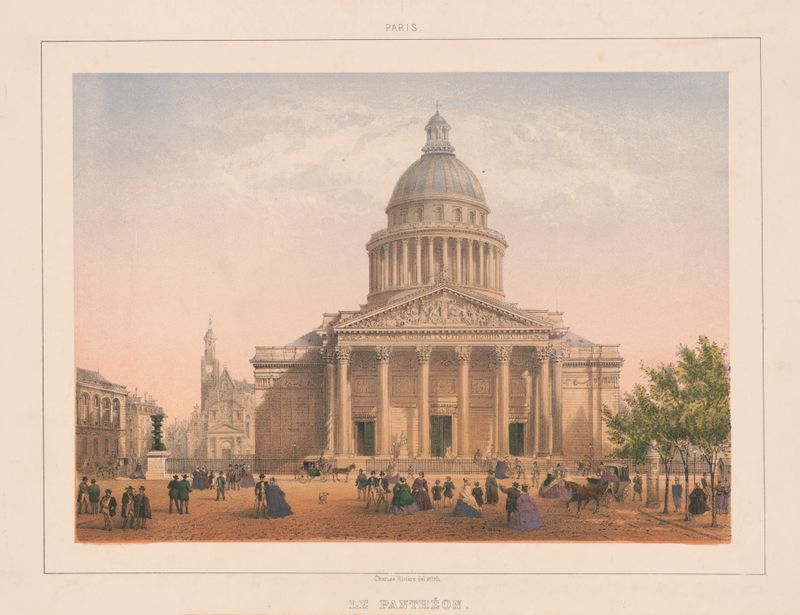
Paris. Le Panthéon
Charles Rivière

Paris. Hôtel de Ville
Charles Rivière
More Architecture Art
Browse all →
The statue of Liberty
Frédéric Auguste Bartholdi

View of Houses in Delft, Known as ‘The Little Street’
Johannes Vermeer

View of Houses in Delft, Known as ‘The Little Street’
Johannes Vermeer

The Cathedral in Rouen. The portal, Grey Weather
Claude Monet

The yellow house
Vincent van Gogh

The Church in Auvers-sur-Oise, View from the Chevet
Vincent van Gogh