
Paris. Hôtel de Ville — History & Facts
Could a single brushstroke hold eternity? In Paris. Hôtel de Ville, the essence of emptiness resonates, crafting a haunting yet beautiful echo of a moment lost in time. Look to the right at the delicate play of shadows creeping across the cobblestone streets, leading your gaze to the grandeur of the Hôtel de Ville. The artist’s palette is a study in muted blues and grays, allowing the intricate architecture to emerge with a soft luminosity.
Notice how the light falls upon the building’s ornate details, which stand in contrast to the sparse surrounding streets, suggesting both the vibrancy of Paris and the solitude it can evoke. Rivière’s brushstrokes merge precision with a fluid elegance, inviting the viewer to linger on the architecture while contemplating the empty spaces in between. As you sink deeper into the artwork, ponder the juxtaposition of vibrancy and desolation. The bustling life of Paris seems to be just out of reach, with an absence that reflects a poignant sentiment of longing.
The empty streets may symbolize a fleeting moment, one where life pauses, allowing introspection amidst the beauty of the city. The muted tones create an emotional weight, suggesting that even in a vibrant city, solitude can be a powerful presence. Created between 1870 and 1879, this piece reflects Charles Rivière’s experiences during a period marked by political upheaval in France, particularly the aftermath of the Franco-Prussian War. As the artist painted, he was navigating a rapidly changing world, where the promise of a bustling city coexisted with the scars of conflict and loss, infusing his work with a depth that resonates through time.
More Artworks by Charles Rivière
Browse all →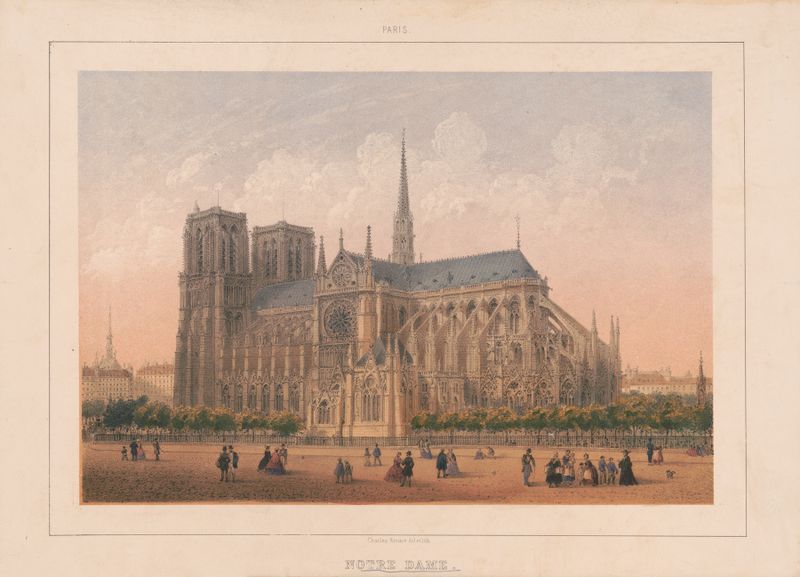
Paris. Notre Dame
Charles Rivière
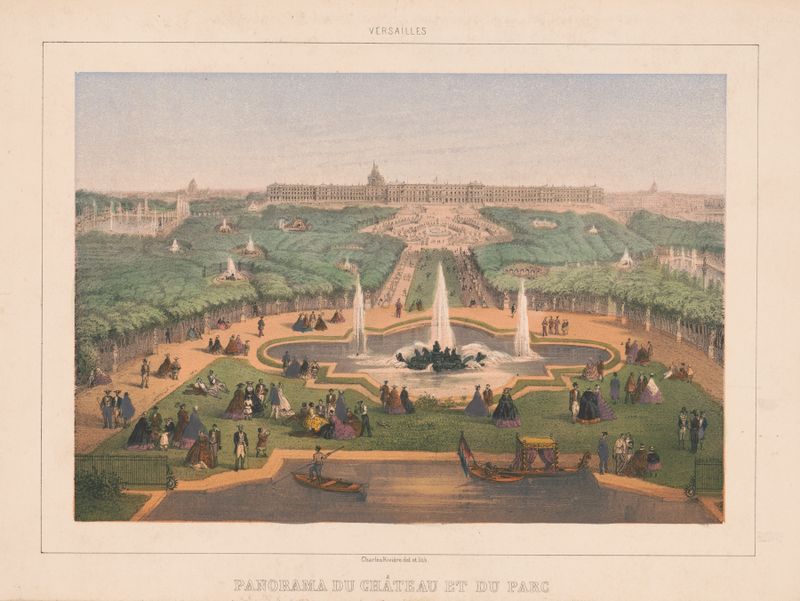
Versailles. Panorama du Château et du parc
Charles Rivière

Paris. Panorama des Tuileries et du Louvre
Charles Rivière
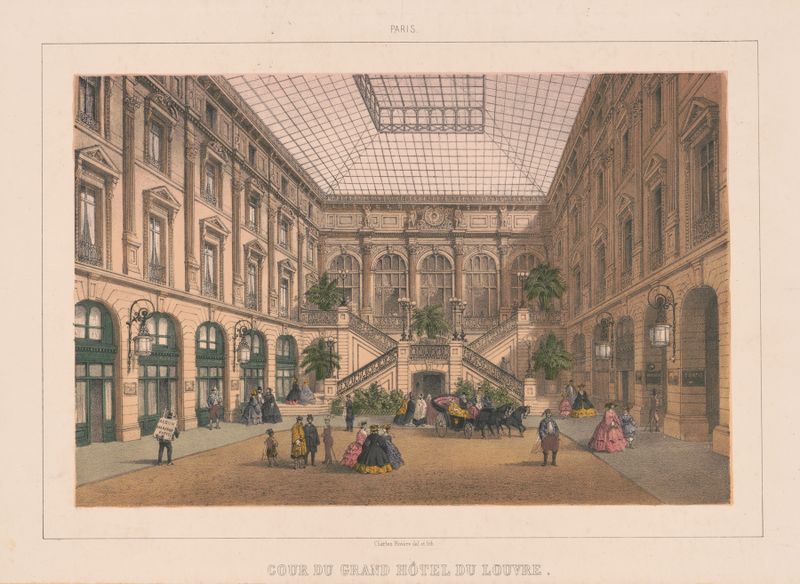
Paris. Cour du Grand Hôtel du Louvre
Charles Rivière
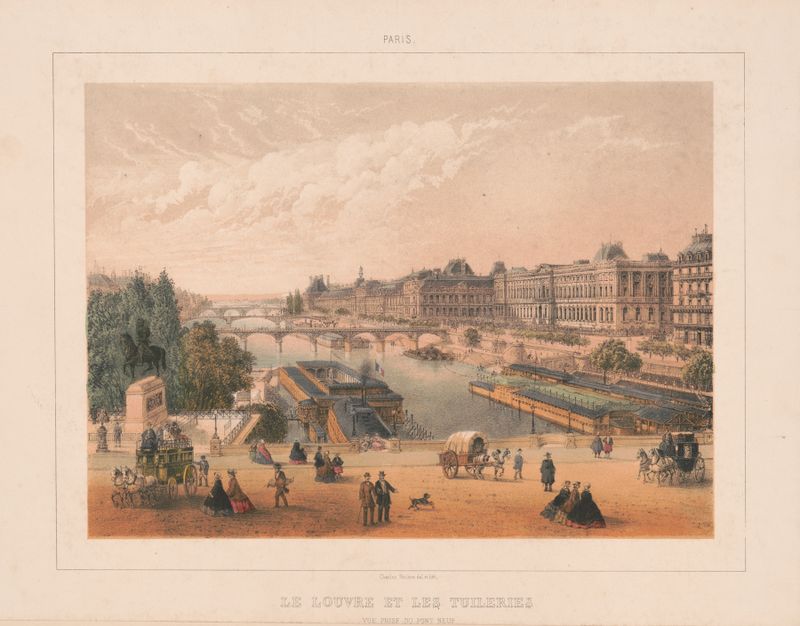
Paris. Le Louvre et les Tuileries vue prise du Pont Neuf
Charles Rivière
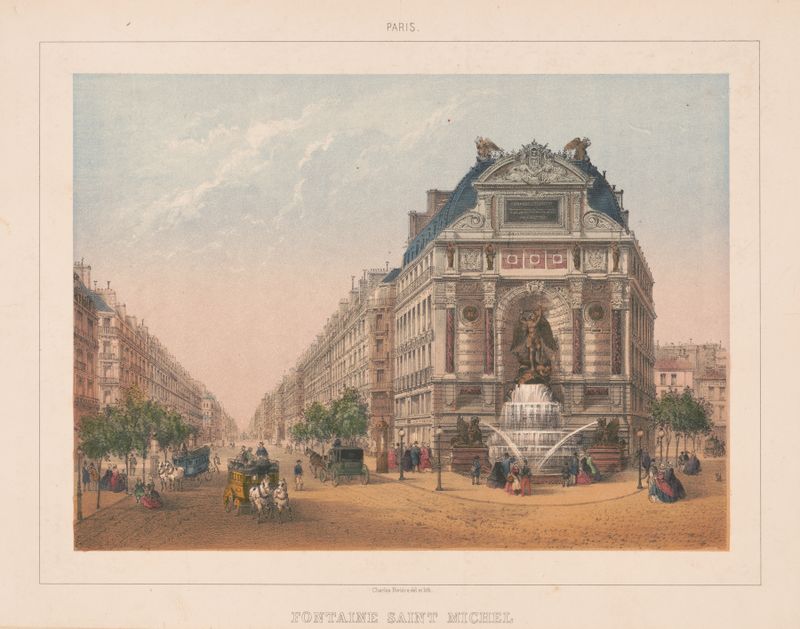
Paris. Fontaine Saint Michel
Charles Rivière
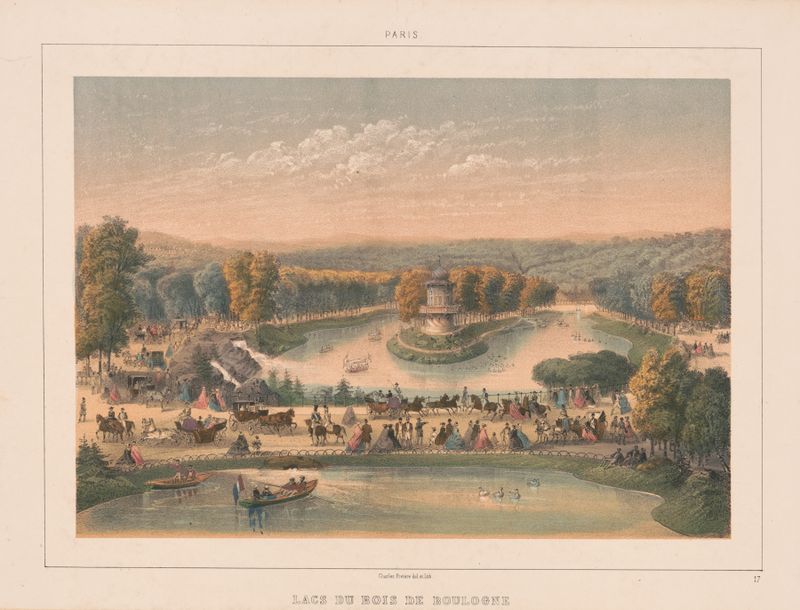
Paris. Lacs du Bois de Boulogne
Charles Rivière
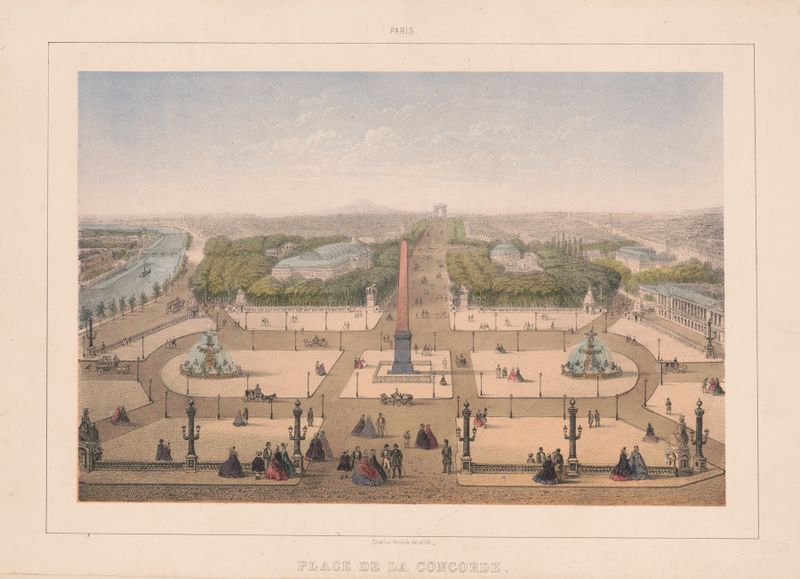
Paris. Place de la Concorde
Charles Rivière
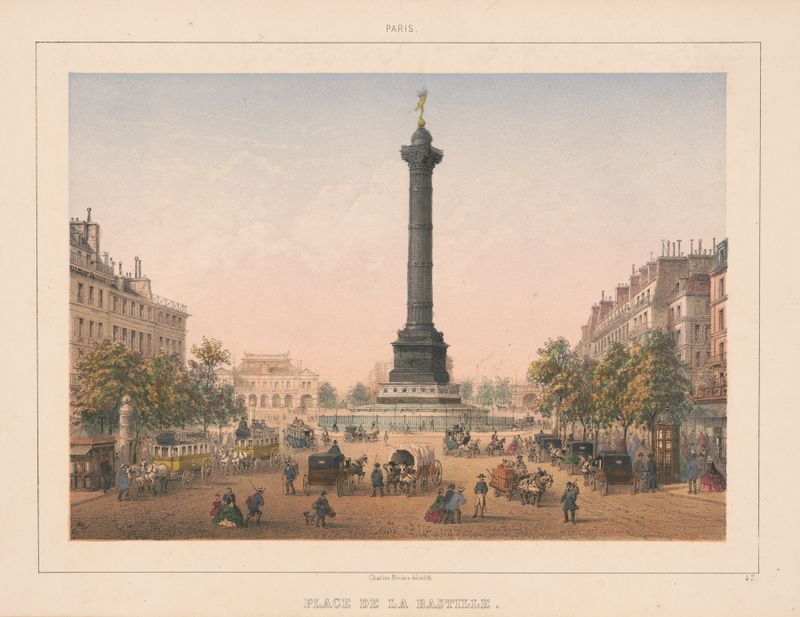
Paris. Place de la Bastille
Charles Rivière
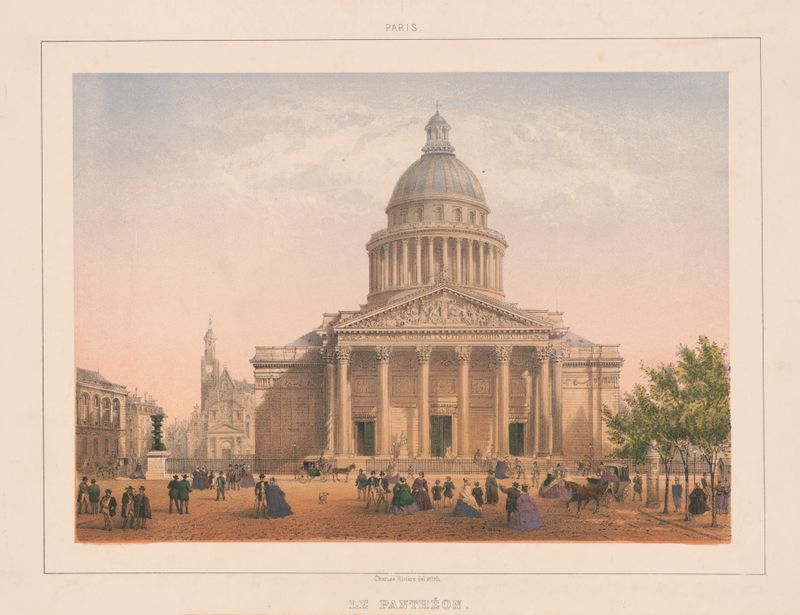
Paris. Le Panthéon
Charles Rivière
More Architecture Art
Browse all →
The statue of Liberty
Frédéric Auguste Bartholdi

View of Houses in Delft, Known as ‘The Little Street’
Johannes Vermeer

View of Houses in Delft, Known as ‘The Little Street’
Johannes Vermeer

The Cathedral in Rouen. The portal, Grey Weather
Claude Monet

The yellow house
Vincent van Gogh

The Church in Auvers-sur-Oise, View from the Chevet
Vincent van Gogh