
Paris. Le Panthéon — History & Facts
What if beauty was never meant to be finished? The lingering solitude of a city, forever caught between the past and the promise of tomorrow, speaks to the soul in shades of grey and muted gold. Look to the left where the façade of the Panthéon rises majestically, its neoclassical columns standing vigil as they bridge the divide between history and the present. The light plays softly off the stone, bathing the structure in a warm glow, while shadows stretch across the cobbled streets, hinting at stories untold. Your gaze is drawn upward, where clouds drift slowly, echoing a sense of wistfulness that envelops this urban landscape. Amidst the grandeur, there’s a palpable tension between the architectural beauty and the solitude of the city.
The empty streets evoke a longing, as if the vibrant life that once animated them has receded into memory. The color palette, dominated by muted earth tones, emphasizes this contrast, suggesting both the resilience and fragility of human existence. Each brushstroke seems to whisper of the loneliness that lurks beneath the surface of the glamorous façade. During the late 1870s, Rivière painted this piece while navigating the complexities of post-Haussmannian Paris, a time of rapid change and urban renewal.
Emerging from a period marked by political turmoil, he sought to capture the essence of a city in transition, caught between its illustrious past and its uncertain future. In Paris. Le Panthéon, he rendered a moment that speaks not only to the architectural splendor of the Panthéon but also to the profound isolation that can linger in the heart of a bustling metropolis.
More Artworks by Charles Rivière
Browse all →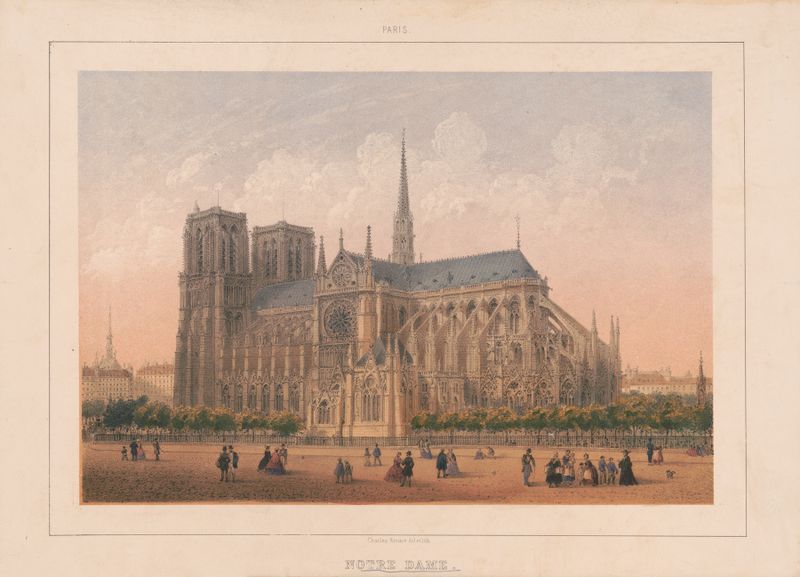
Paris. Notre Dame
Charles Rivière
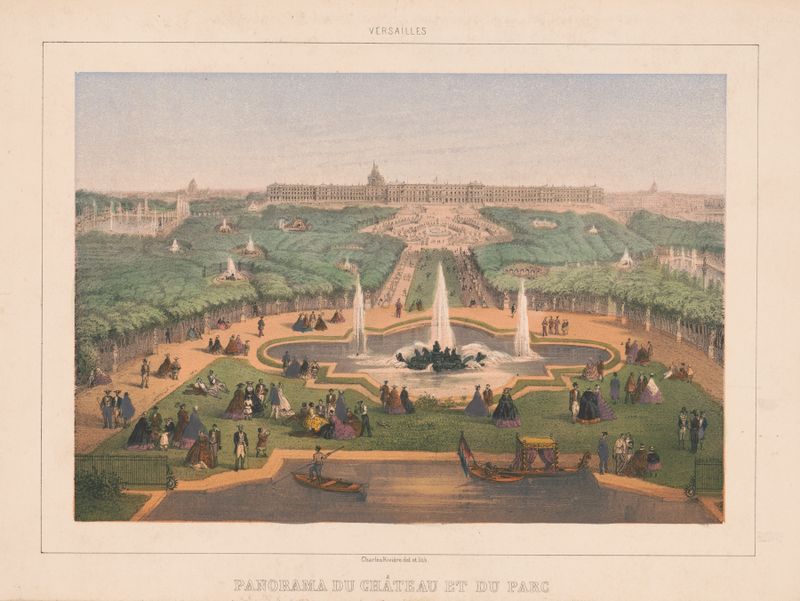
Versailles. Panorama du Château et du parc
Charles Rivière

Paris. Panorama des Tuileries et du Louvre
Charles Rivière
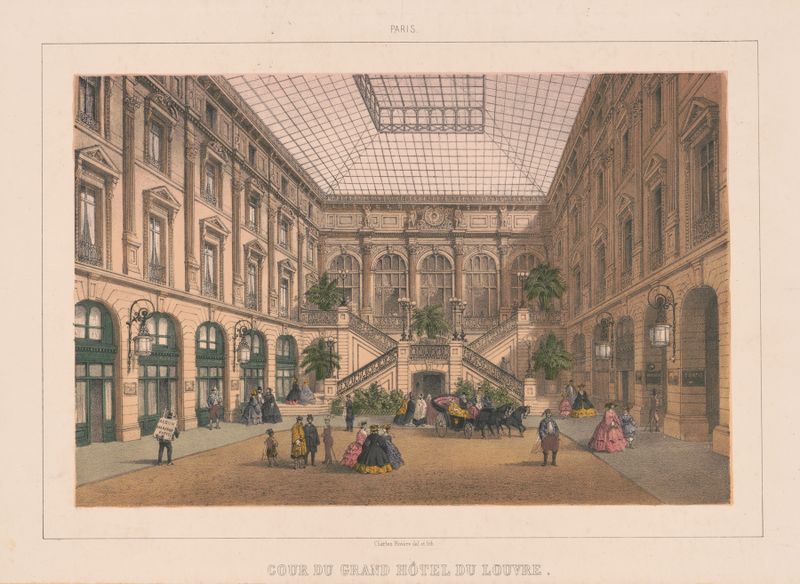
Paris. Cour du Grand Hôtel du Louvre
Charles Rivière
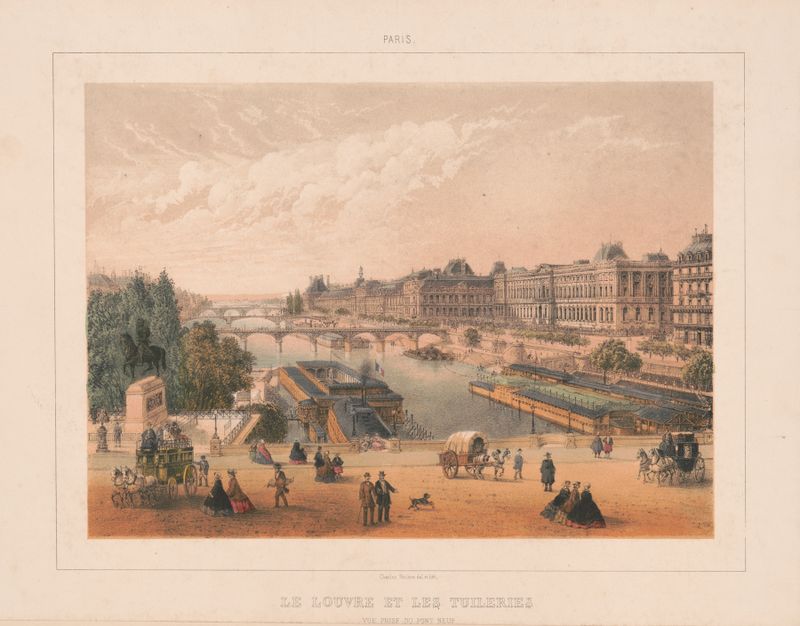
Paris. Le Louvre et les Tuileries vue prise du Pont Neuf
Charles Rivière
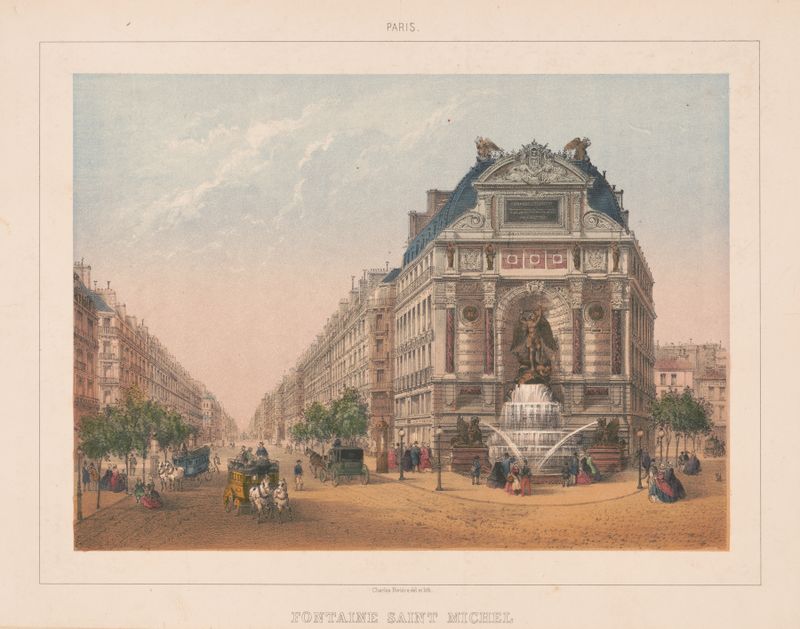
Paris. Fontaine Saint Michel
Charles Rivière
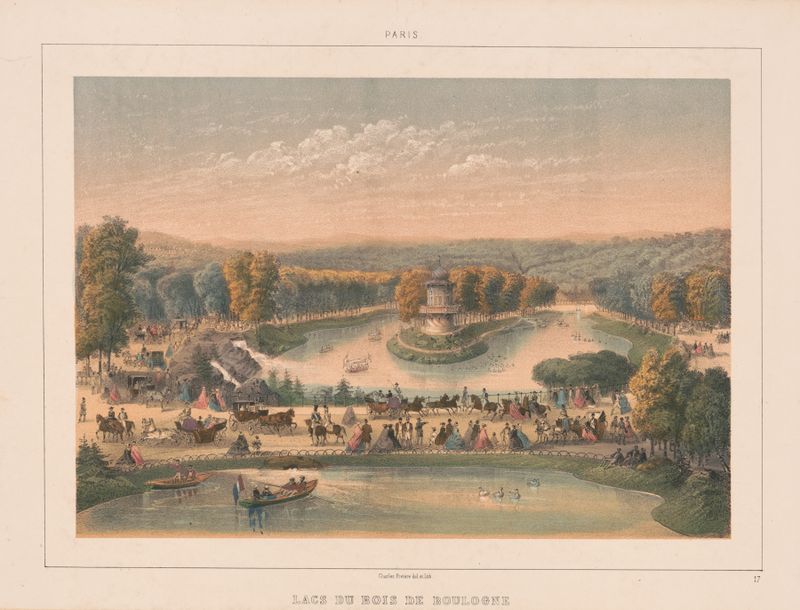
Paris. Lacs du Bois de Boulogne
Charles Rivière
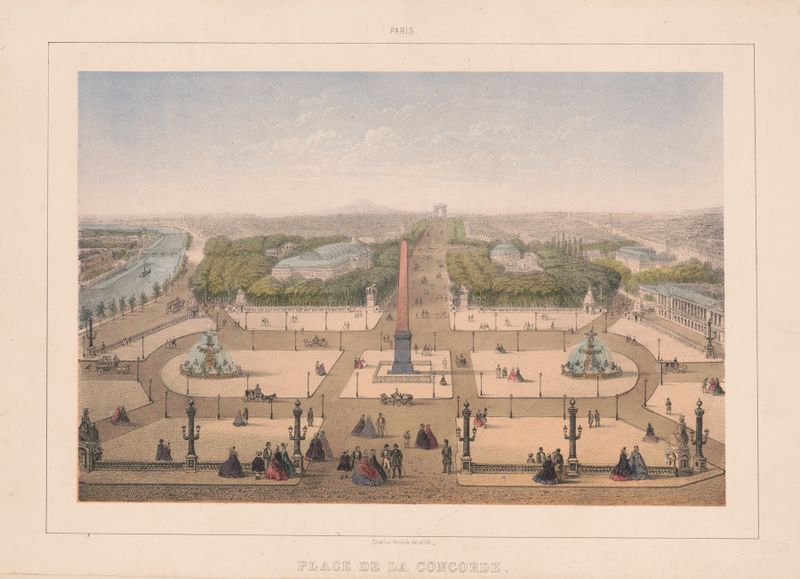
Paris. Place de la Concorde
Charles Rivière
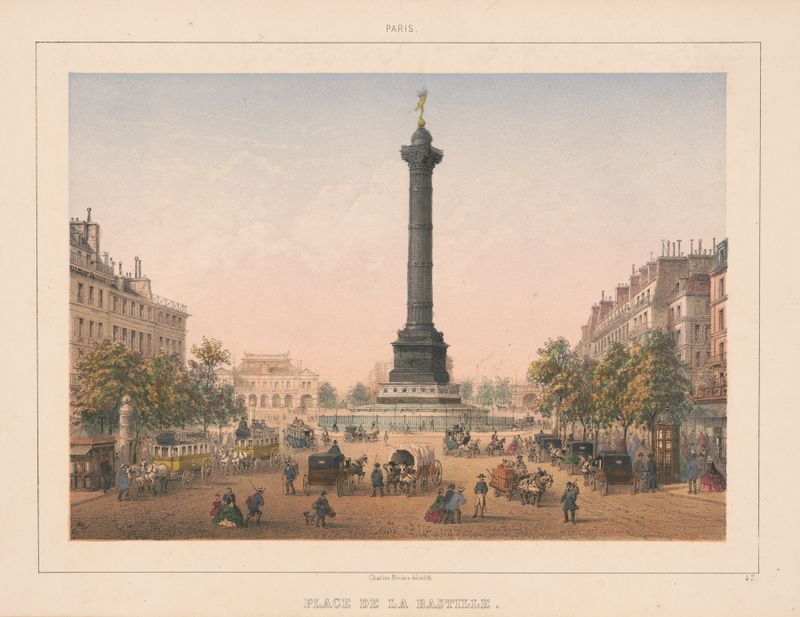
Paris. Place de la Bastille
Charles Rivière

Paris. Hôtel de Ville
Charles Rivière
More Architecture Art
Browse all →
The statue of Liberty
Frédéric Auguste Bartholdi

View of Houses in Delft, Known as ‘The Little Street’
Johannes Vermeer

View of Houses in Delft, Known as ‘The Little Street’
Johannes Vermeer

The Cathedral in Rouen. The portal, Grey Weather
Claude Monet

The yellow house
Vincent van Gogh

The Church in Auvers-sur-Oise, View from the Chevet
Vincent van Gogh