
Park motif from Talashkino — History & Facts
In the interplay of light and shadow, we discover the emotional core of a scene that is both serene and reflective. It speaks of hidden depths, inviting us to explore not just the surface, but what lurks beneath. Look to the left at the vibrant greenery that envelops the figures. The brushstrokes dance harmoniously, creating a lush landscape that seems to breathe with life.
Notice how the dappled sunlight filters through the leaves, casting intricate patterns on the ground — each shadow infused with a sense of mystery. The colors are rich yet subdued, a blend of emerald greens and soft earth tones, capturing the quiet essence of a moment in nature. Beneath the tranquil façade lies an emotional undercurrent. The juxtaposition of light and shadow suggests the duality of human experience: joy intertwined with melancholy.
The figures, seemingly at peace, evoke a sense of nostalgia, as if they are caught in a fleeting memory. Each gesture and posture hints at untold stories, inviting viewers to ponder the relationships and histories that shape them. In 1896, Jan Ciągliński was immersed in the artistic climate of Poland, where he garnered inspiration from the lush landscapes of Talashkino. This period marked an exploration of national identity through art, as the countryside became a canvas for both personal expression and collective memory.
Here, he encapsulated a moment that was not merely picturesque but resonant with the complexities of life in a changing world.
More Artworks by Jan Ciągliński
Browse all →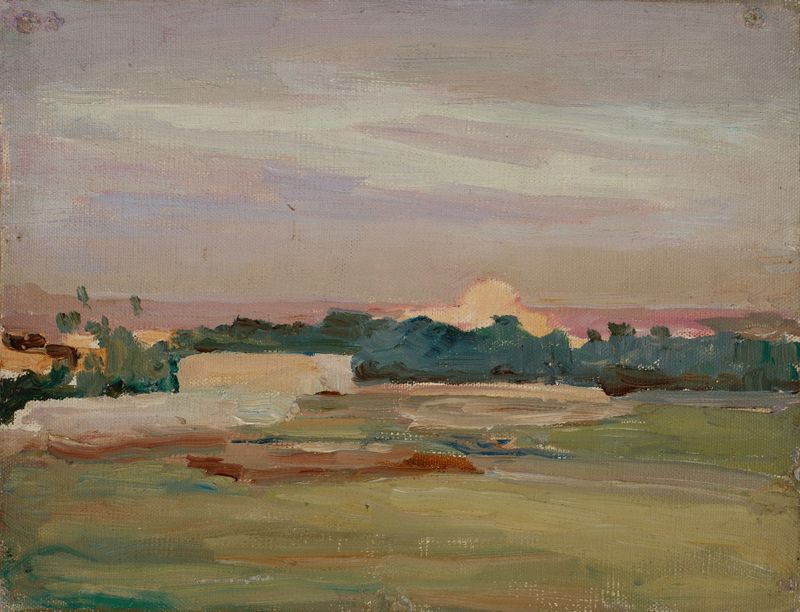
The Sirocco
Jan Ciągliński
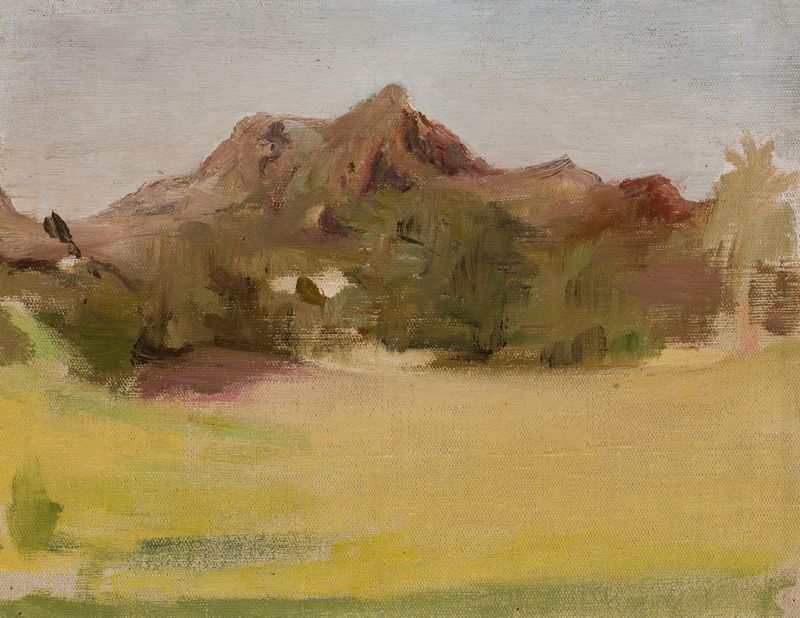
Mountain landscape. From the journey to India
Jan Ciągliński
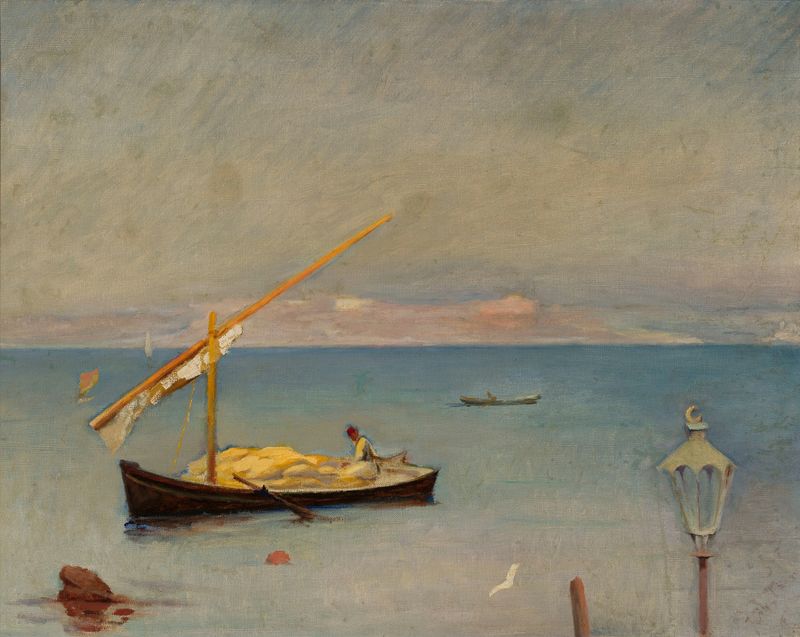
At Bosporus
Jan Ciągliński
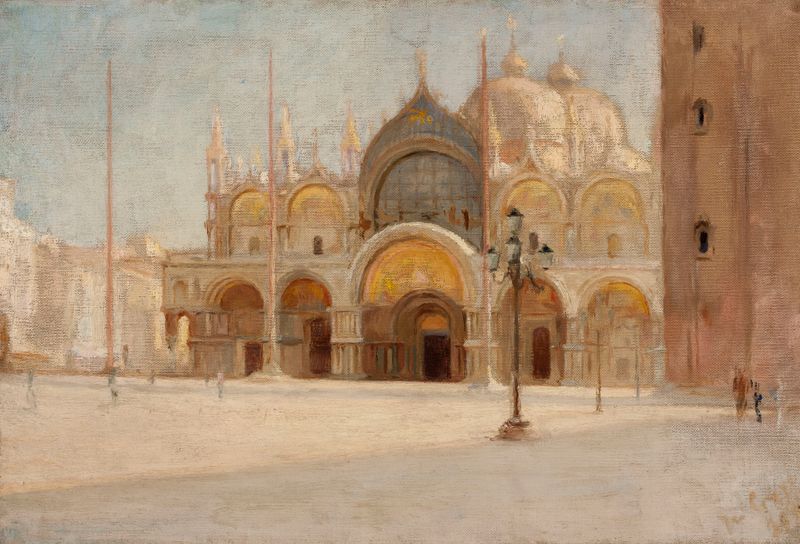
St Mark’s Square in Venice
Jan Ciągliński
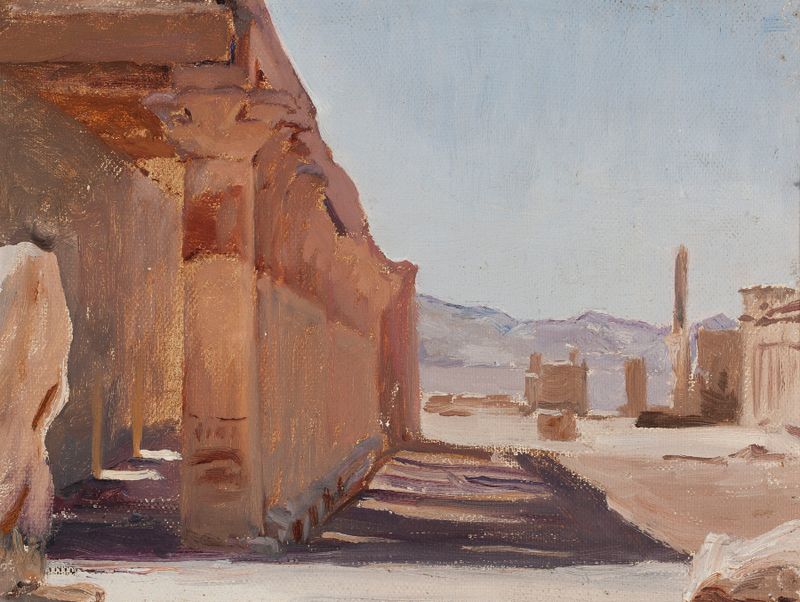
Temple. From the journey to Egypt
Jan Ciągliński
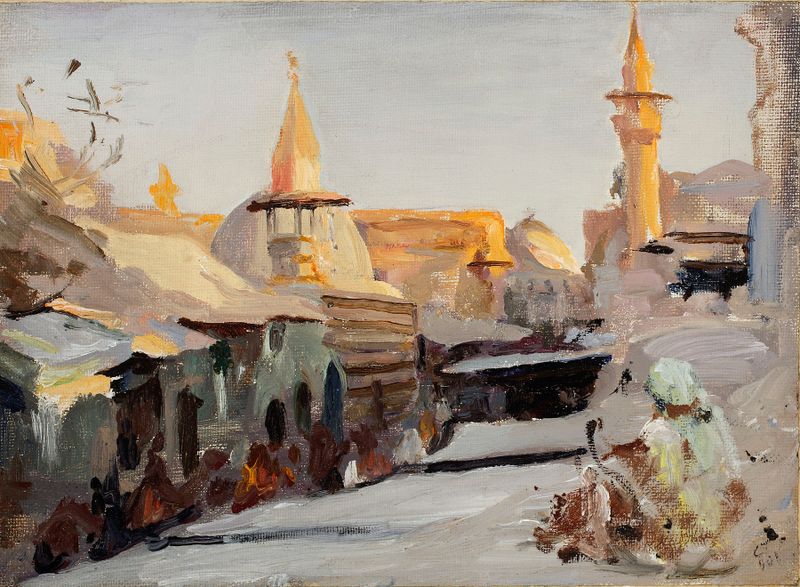
Street in Damascus. From the journey to Palestine
Jan Ciągliński
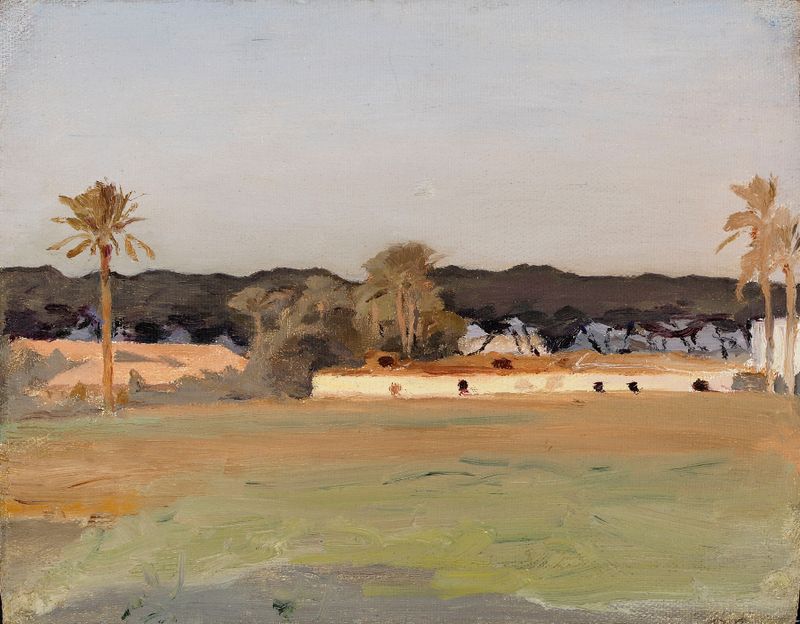
Evening. From the journey to Egypt
Jan Ciągliński
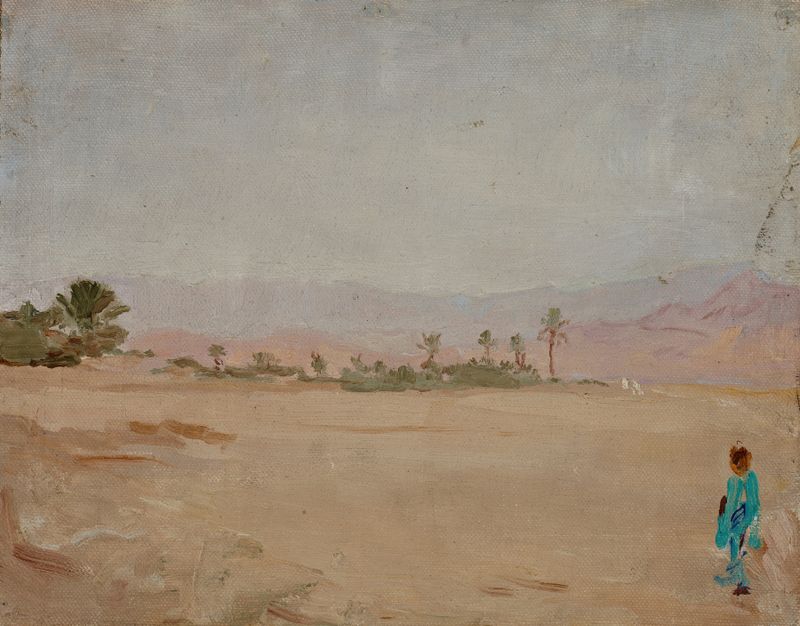
Sahara (Desert)
Jan Ciągliński
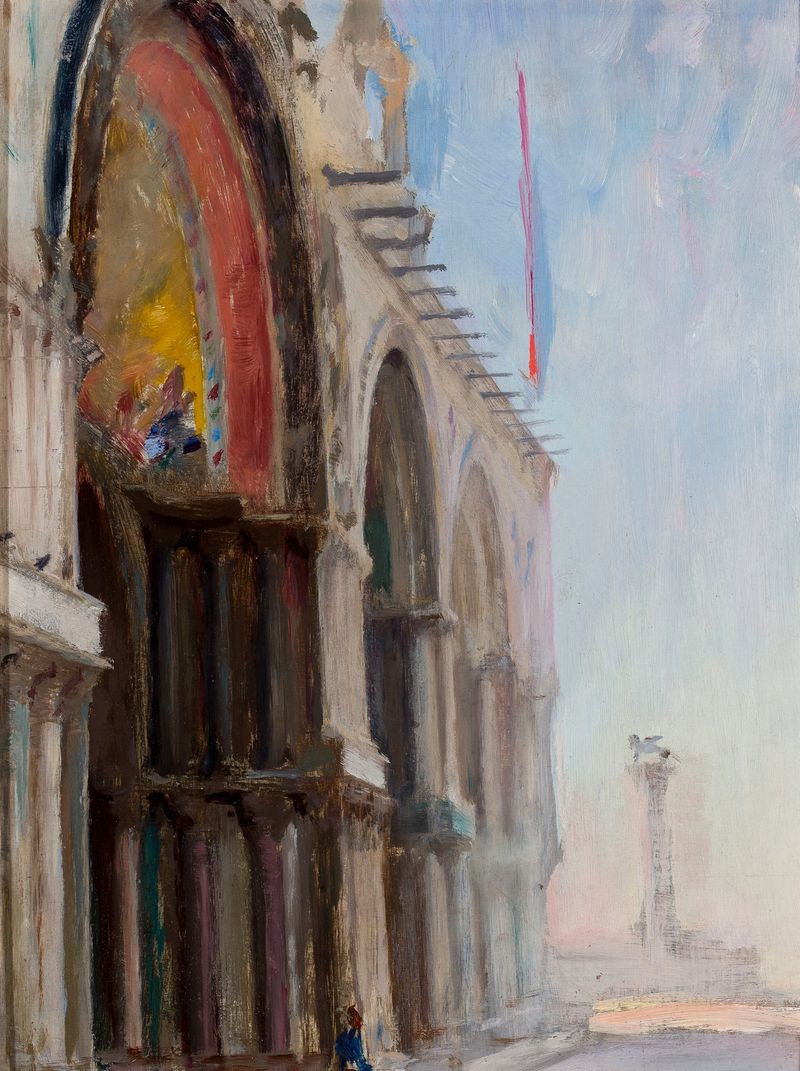
Venice – San Marco. From the journey to Italy
Jan Ciągliński
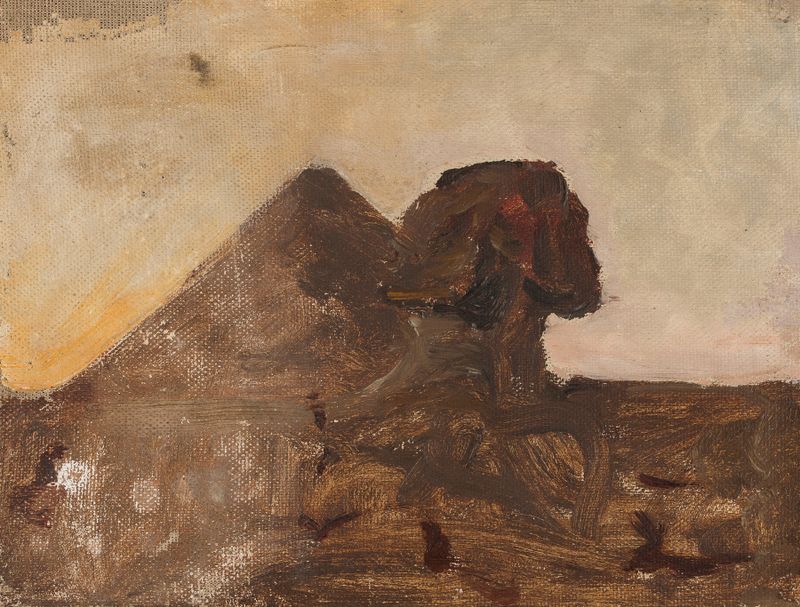
Evening in the desert – Sphinx and pyramid. From the journey to Egypt
Jan Ciągliński





