
Part of the Colosseum with the Arch of Constantine and Arch of Titus in the Distance, Rome — History & Facts
When did color learn to lie? In the hands of an artist, it can conjure not just reality but the echoes of history, weaving tales of obsession and grandeur. Look to the lower left, where a warm golden light bathes the imposing structure of the Colosseum, inviting eyes to trace its weathered stones. The arches of Constantine and Titus rise in the distance, their majestic forms softened by a delicate interplay of light and shadow. Notice how the muted palette—earthy browns and subtle grays—contrasts with fleeting hints of azure sky, creating a sense of longing and nostalgia, as if the scene yearns to speak of the epochs that have passed. In this composition, the clash between the monumental architecture and the serenity of the surrounding landscape reveals an emotional tension.
The viewer is drawn into a dialogue between the grandeur of human achievement and the inevitability of time, suggesting an obsession with legacy. The artist’s meticulous attention to detail—every crack and crevice—becomes an obsession in itself, a testament to the relentless passage of history that shapes our perception of beauty and permanence. Carlo Labruzzi painted this work in the late 18th century, a period marked by a burgeoning interest in classical antiquity and the picturesque landscapes of Rome. As a neoclassical artist, Labruzzi sought to capture not just the physical attributes of these ruins but also the emotional resonance they held for a world captivated by its own artistic revival.
In this moment, he stood at the crossroads of admiration for the past and a deep-seated desire to immortalize it through his brush.
More Artworks by Carlo Labruzzi
Browse all →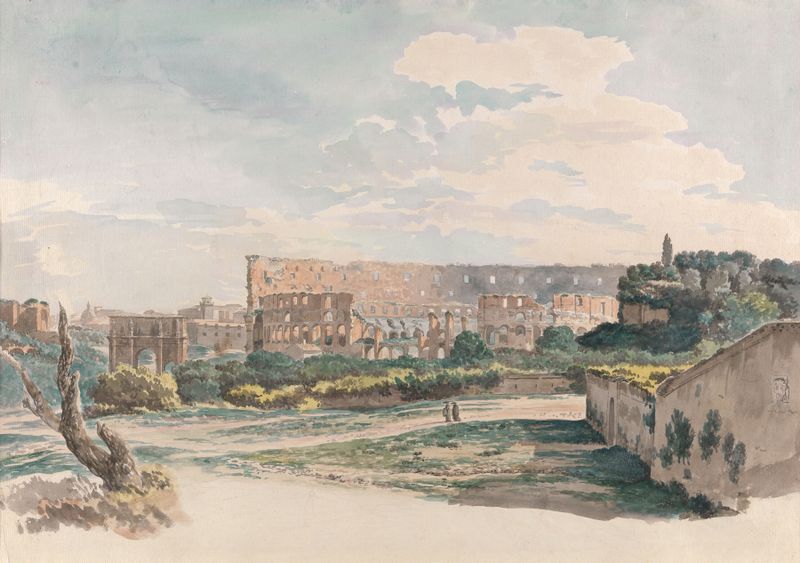
The Colosseum from the Caelian Mount, with the Arch of Constantine and a View of the Forum, Rome.
Carlo Labruzzi
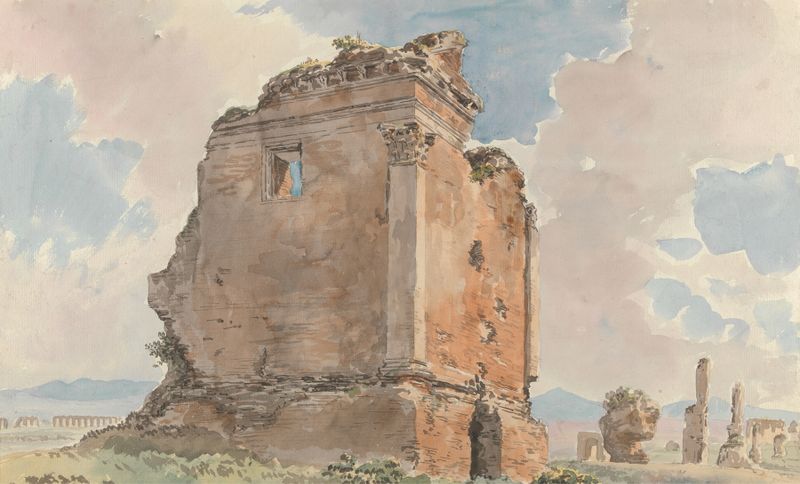
Sepulchre on the Via Nomentana in the Roman Campagna
Carlo Labruzzi
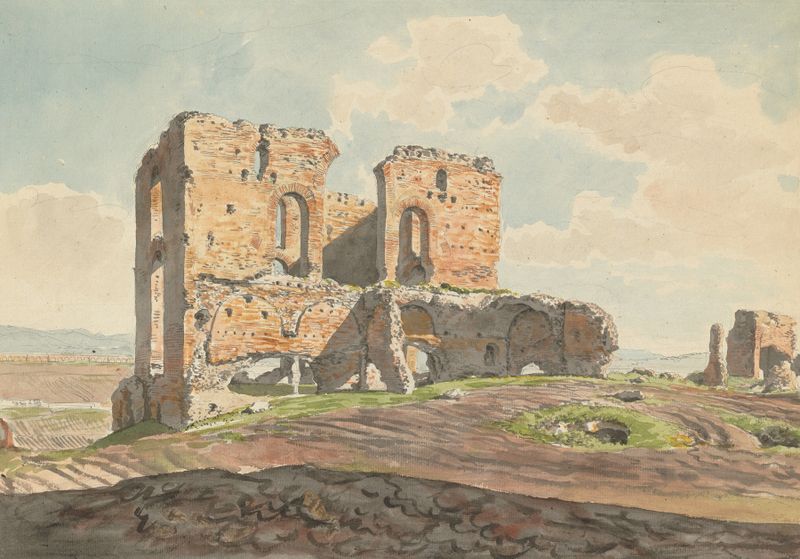
The Great Villa of the Quintilii on the Appian Way
Carlo Labruzzi
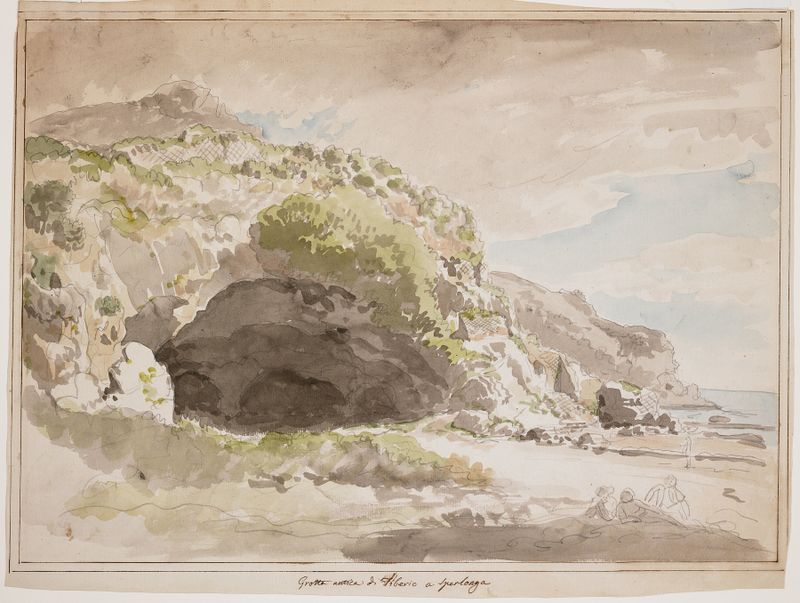
Grotto of Tiberius at Sperlonga
Carlo Labruzzi
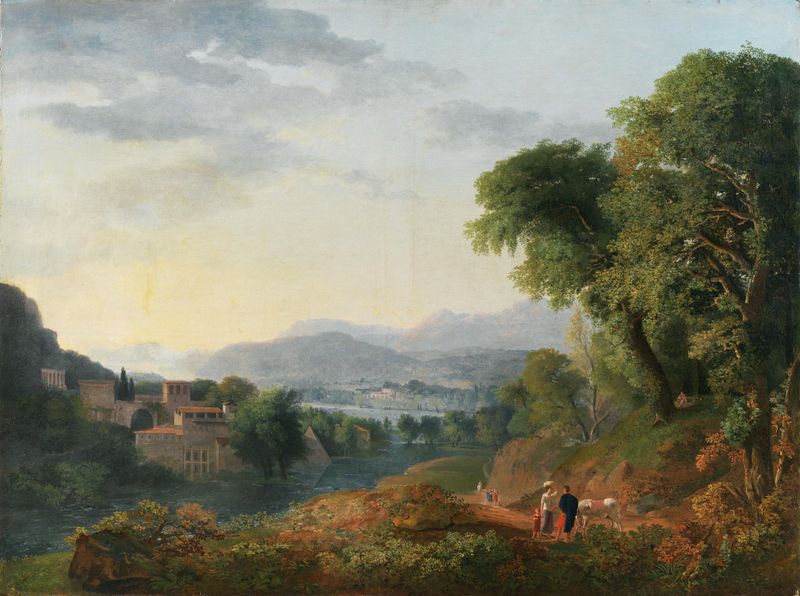
An Italianate landscape
Carlo Labruzzi
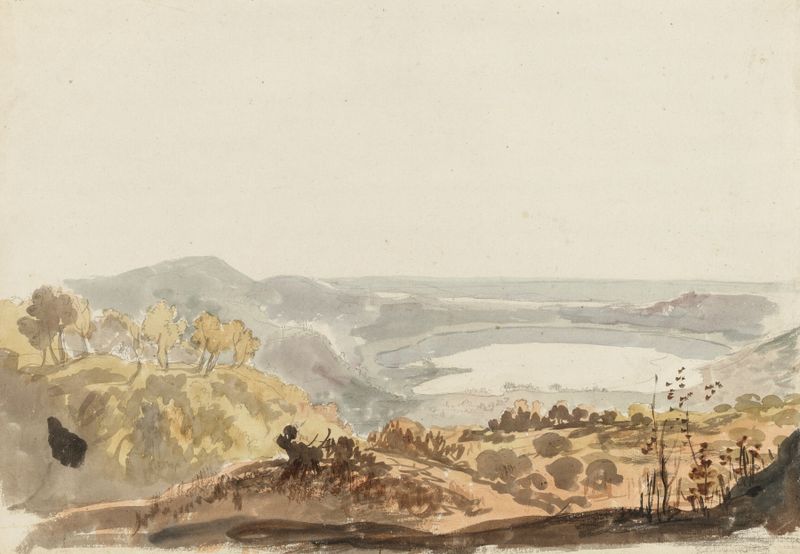
View of Lake Nemi looking towards Rome
Carlo Labruzzi
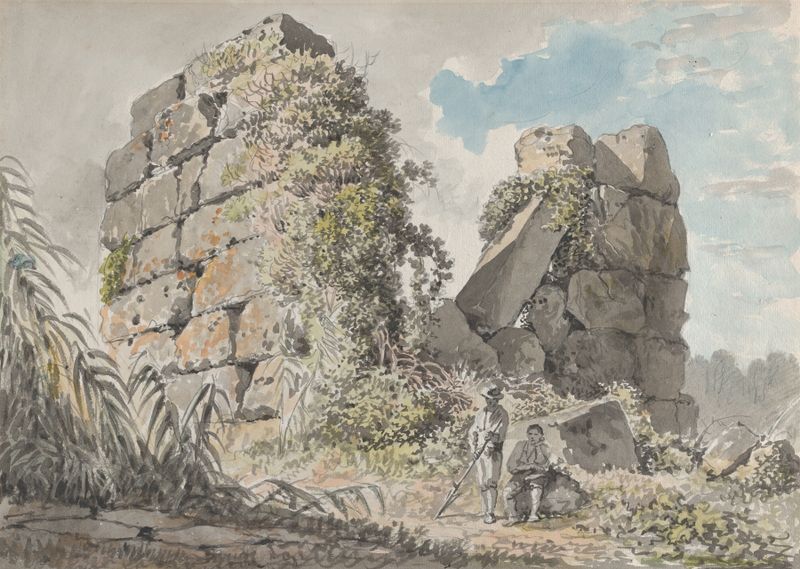
Ruins on the Right of the Via Appia
Carlo Labruzzi
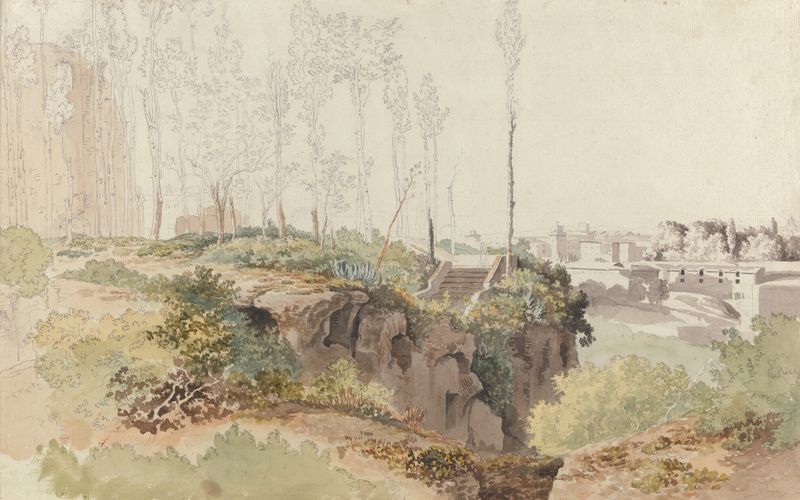
The Baths of Caracalla, Rome
Carlo Labruzzi
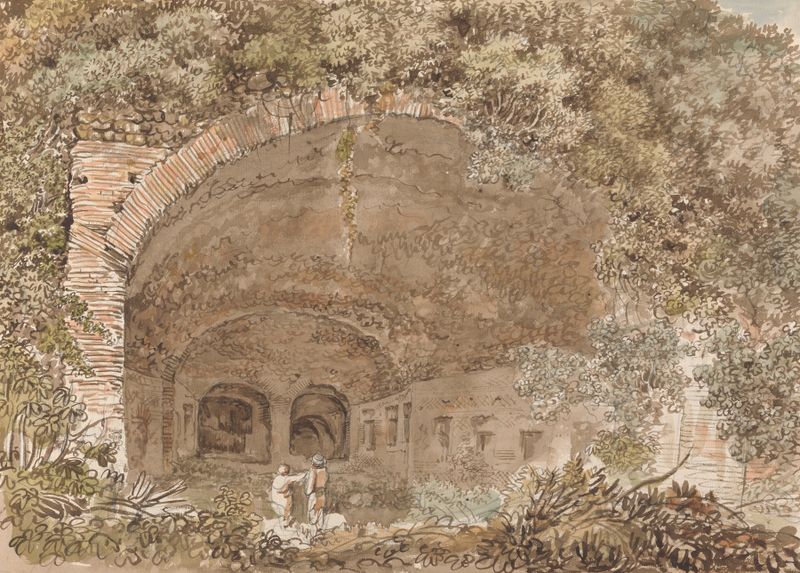
On the Appian Way
Carlo Labruzzi
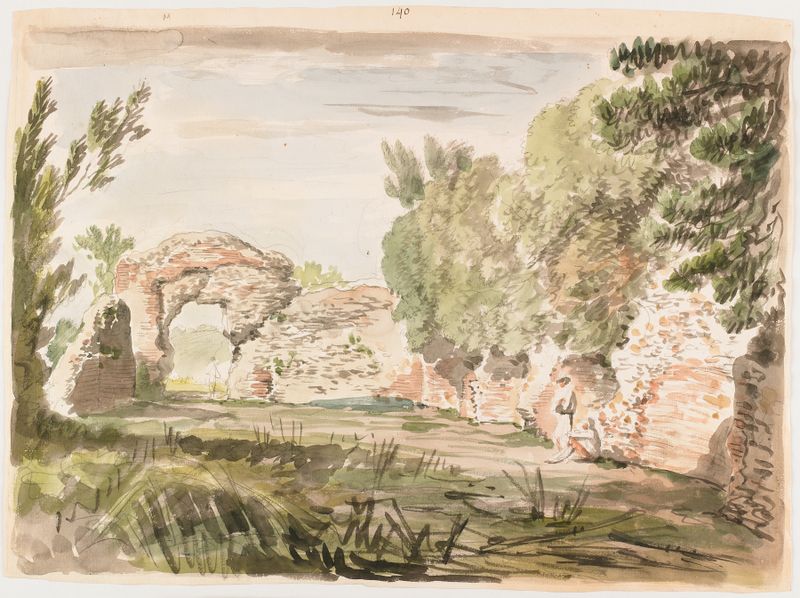
Landscape with Trees, Ruin and Three Figures
Carlo Labruzzi
More Architecture Art
Browse all →
The statue of Liberty
Frédéric Auguste Bartholdi

View of Houses in Delft, Known as ‘The Little Street’
Johannes Vermeer

View of Houses in Delft, Known as ‘The Little Street’
Johannes Vermeer

The Cathedral in Rouen. The portal, Grey Weather
Claude Monet

The yellow house
Vincent van Gogh

The Church in Auvers-sur-Oise, View from the Chevet
Vincent van Gogh