
The Great Villa of the Quintilii on the Appian Way — History & Facts
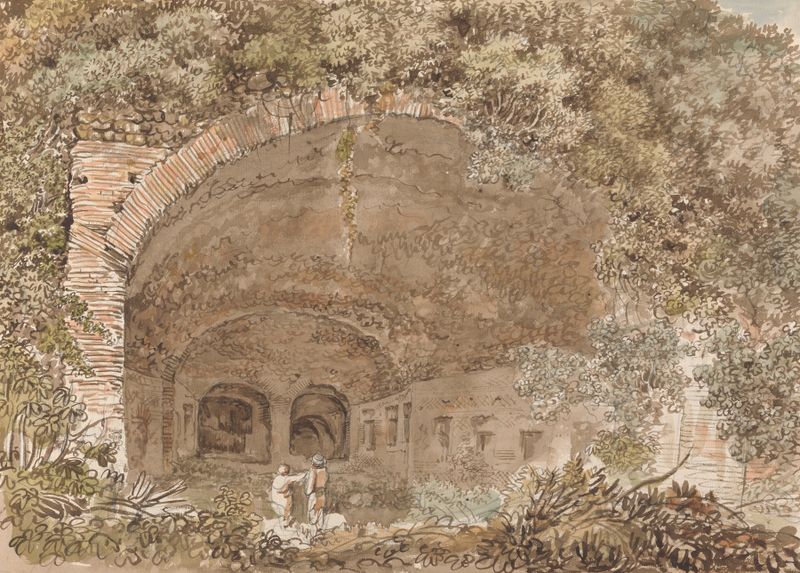
Under the brush, chaos becomes grace. In a world yearning for beauty, we find solace in the serene landscapes that offer both a respite and a reflection of our inner selves. Focus on the foreground of this captivating work, where the meticulously rendered ruins of the villa invite you closer. Notice the way the soft, golden sunlight bathes the weathered stone, highlighting textures that whisper of history.
Look to the left, where verdant foliage wraps tenderly around the remnants, creating a harmonious balance between nature and what once was—a reminder of time's gentle hand. The juxtaposition of decay and vibrancy is profoundly moving here. The somber ruins, tinged with shades of ochre and gray, stand in sharp contrast to the lively greens and blues of the surrounding landscape. This tension speaks of lost grandeur, yet it is imbued with an undeniable beauty that evokes nostalgia and reverence.
The viewer becomes acutely aware of life's transience, recognizing that even in decline, there exists a poignant grace. In 1789, while creating this piece, the artist found himself in Italy, a country steeped in rich histories and artistic revival. During this period, the neoclassical movement was blossoming, drawing inspiration from antiquity and emphasizing harmony and beauty. Labruzzi's choice to depict such a site reflects not only his admiration for the classical past but also his place within an evolving artistic landscape, one that sought to elevate the sublime nature of humanity and its creations.
More Artworks by Carlo Labruzzi
Browse all →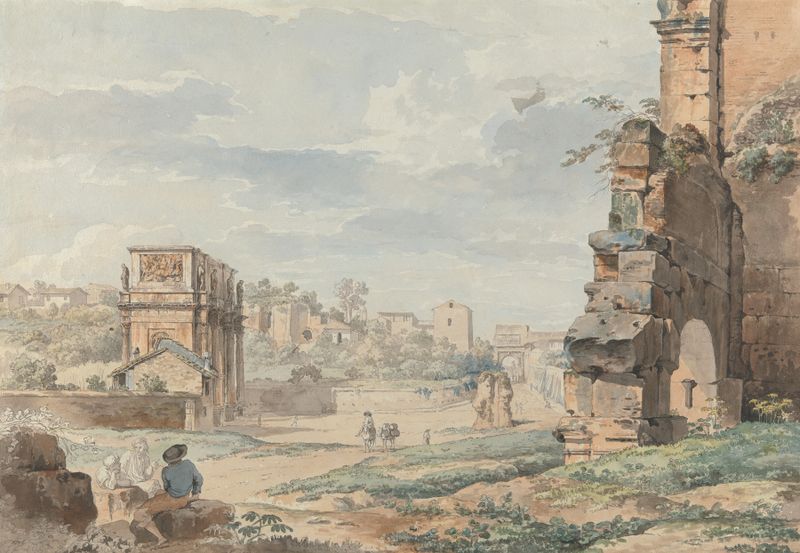
Part of the Colosseum with the Arch of Constantine and Arch of Titus in the Distance, Rome
Carlo Labruzzi
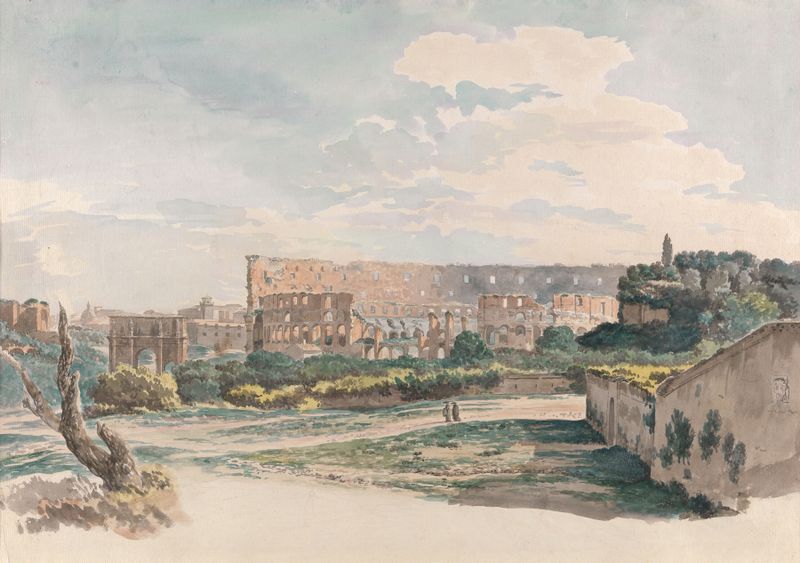
The Colosseum from the Caelian Mount, with the Arch of Constantine and a View of the Forum, Rome.
Carlo Labruzzi
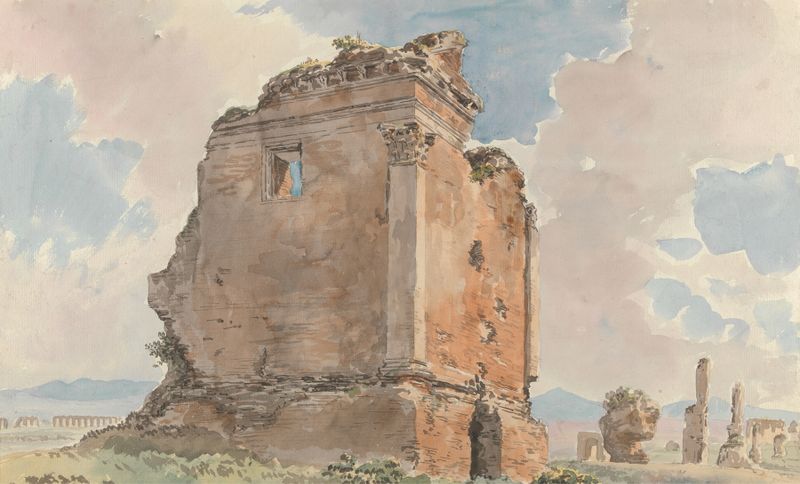
Sepulchre on the Via Nomentana in the Roman Campagna
Carlo Labruzzi
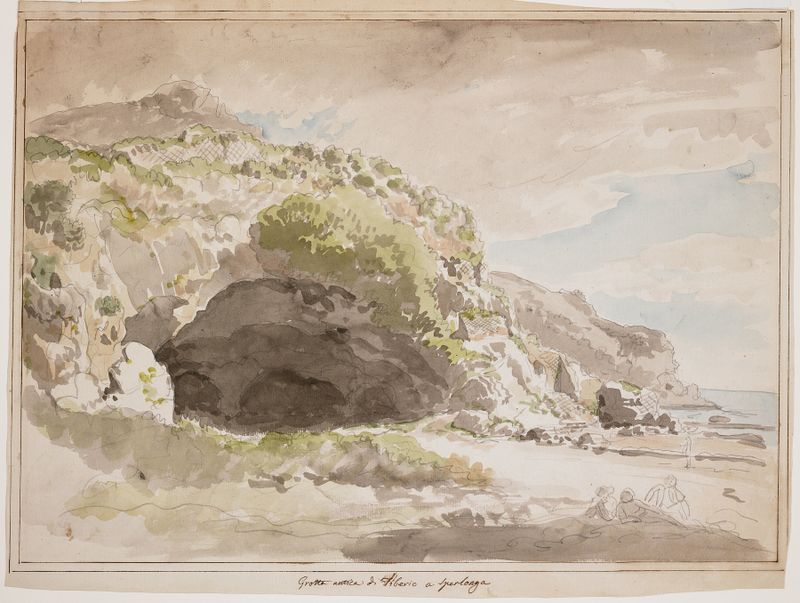
Grotto of Tiberius at Sperlonga
Carlo Labruzzi
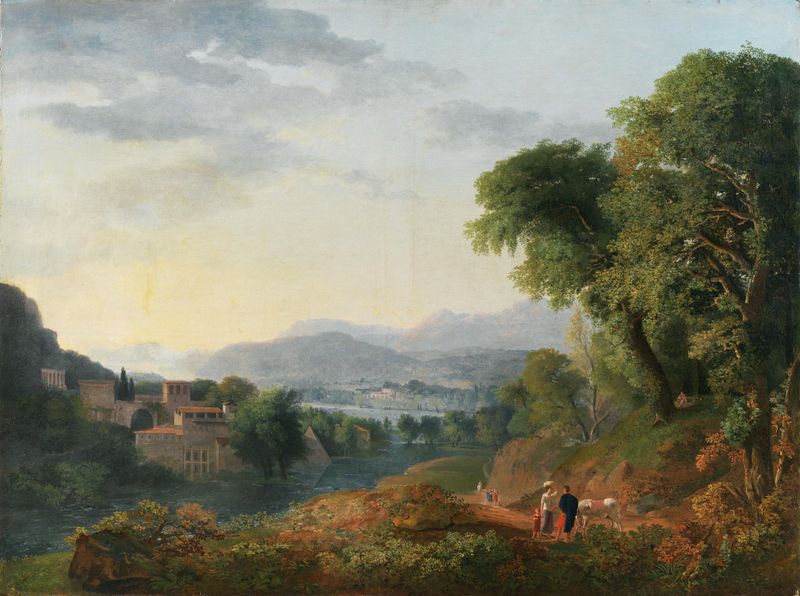
An Italianate landscape
Carlo Labruzzi
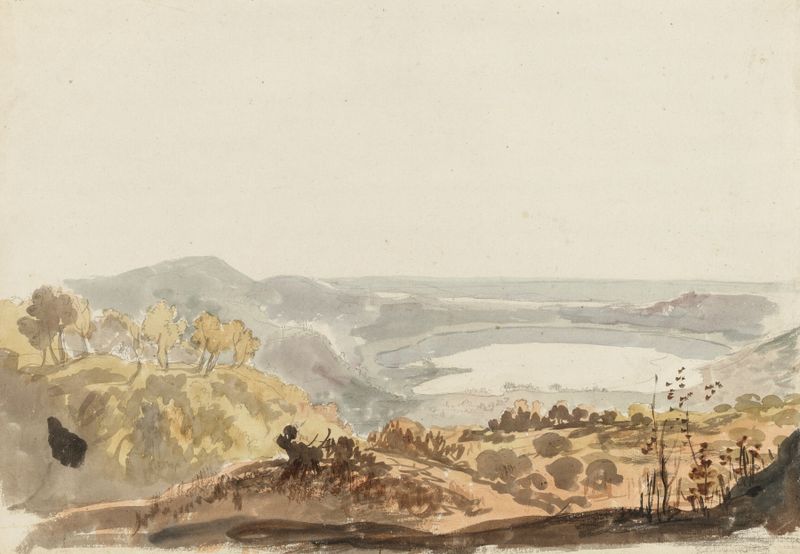
View of Lake Nemi looking towards Rome
Carlo Labruzzi
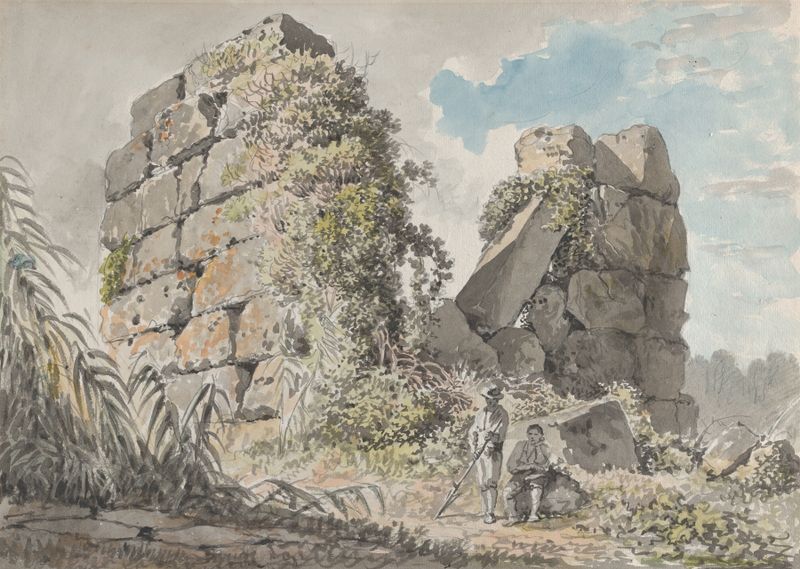
Ruins on the Right of the Via Appia
Carlo Labruzzi
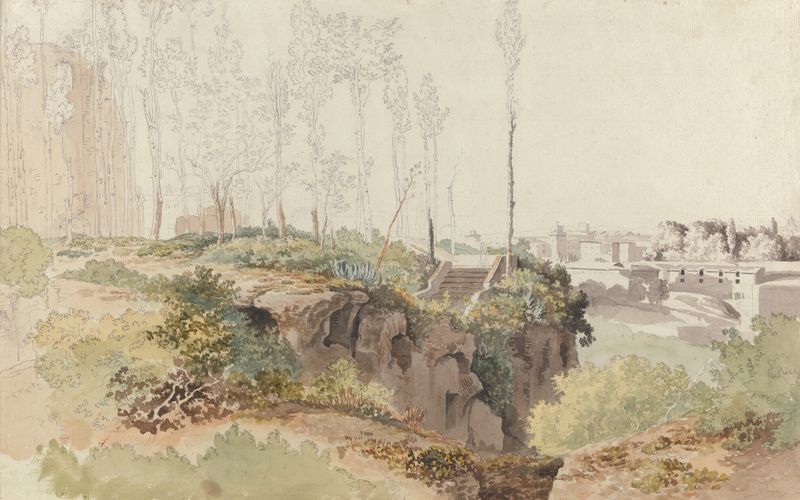
The Baths of Caracalla, Rome
Carlo Labruzzi
On the Appian Way
Carlo Labruzzi
Landscape with Trees, Ruin and Three Figures
Carlo Labruzzi





