
An Italianate landscape — History & Facts
In the stillness of an Italianate landscape, time stretches beyond the canvas, inviting us to immerse in its tranquility and timelessness. The gentle roll of hills and the soft caress of light whisper of moments both captured and lost. Look to the left, where the sun casts a luminous glow on the distant mountains. Notice how the artist’s precise brushwork creates a shimmering effect on the water, reflecting the sky in a dance of blues and whites.
The rich greens of the vegetation in the foreground draw the eye toward the path winding through the scene, inviting the viewer to embark on a silent journey through this idyllic countryside. Subtle contrasts in color and texture evoke a sense of harmony, allowing the landscape to breathe. Yet beneath this serene exterior lies a complex interplay of emotion and nostalgia. The lonely path suggests a journey that may never end, hinting at the passage of time and the inevitable solitude that accompanies it.
The horizon, though beautiful, is a reminder of what lies beyond reach – dreams, memories, and moments suspended in the air. This juxtaposition of beauty and longing resonates deeply, prompting the viewer to reflect on their relationship with both the past and the present. Carlo Labruzzi painted this landscape during a time when the Romantic movement was flourishing in Italy, embracing nature's beauty and emotional depth. Active in the late 18th century, Labruzzi was influenced by his contemporaries, who sought to evoke feelings through landscapes.
His work reflects a transitional moment in art, where the focus shifted from strict realism to a more expressive portrayal of nature, inviting contemplation on the passage of time and the memories we carry.
More Artworks by Carlo Labruzzi
Browse all →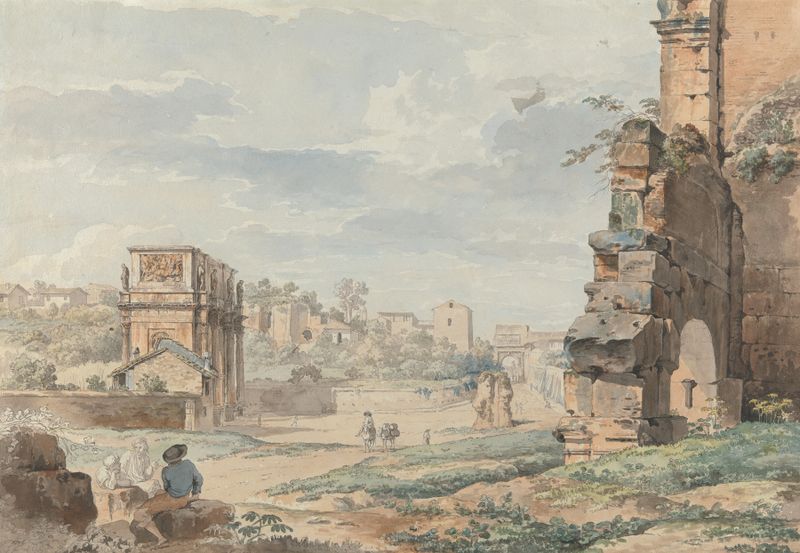
Part of the Colosseum with the Arch of Constantine and Arch of Titus in the Distance, Rome
Carlo Labruzzi
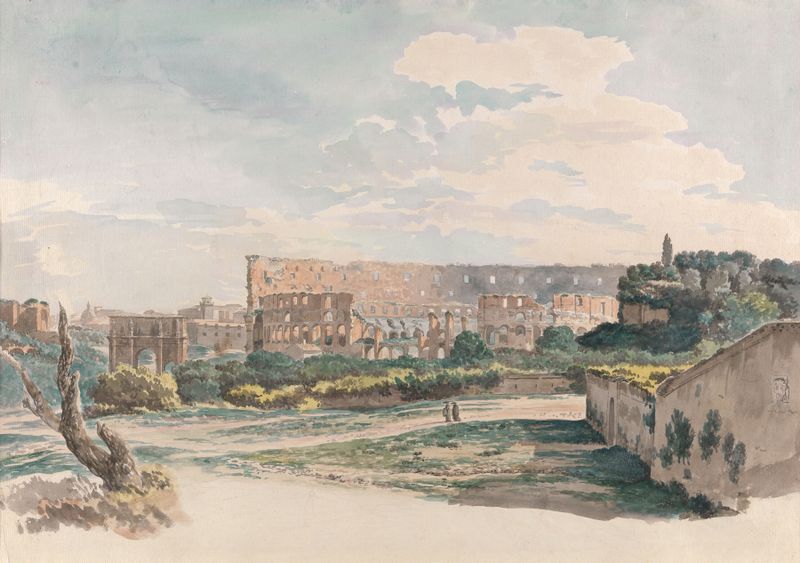
The Colosseum from the Caelian Mount, with the Arch of Constantine and a View of the Forum, Rome.
Carlo Labruzzi
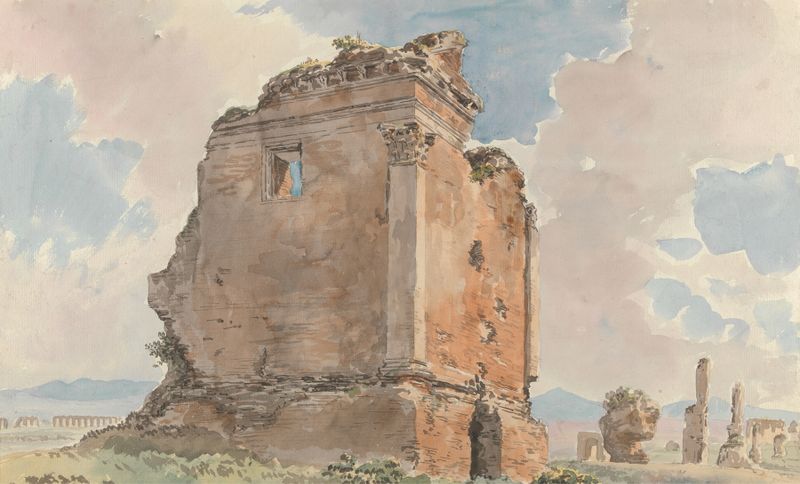
Sepulchre on the Via Nomentana in the Roman Campagna
Carlo Labruzzi
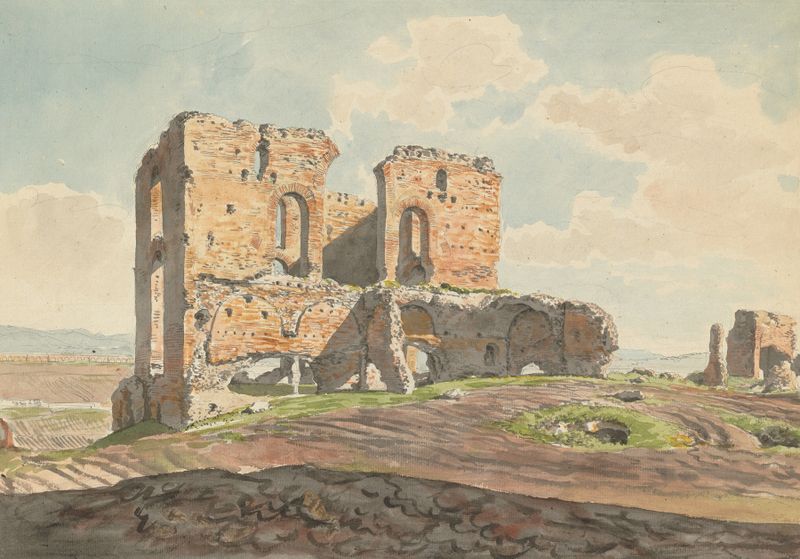
The Great Villa of the Quintilii on the Appian Way
Carlo Labruzzi
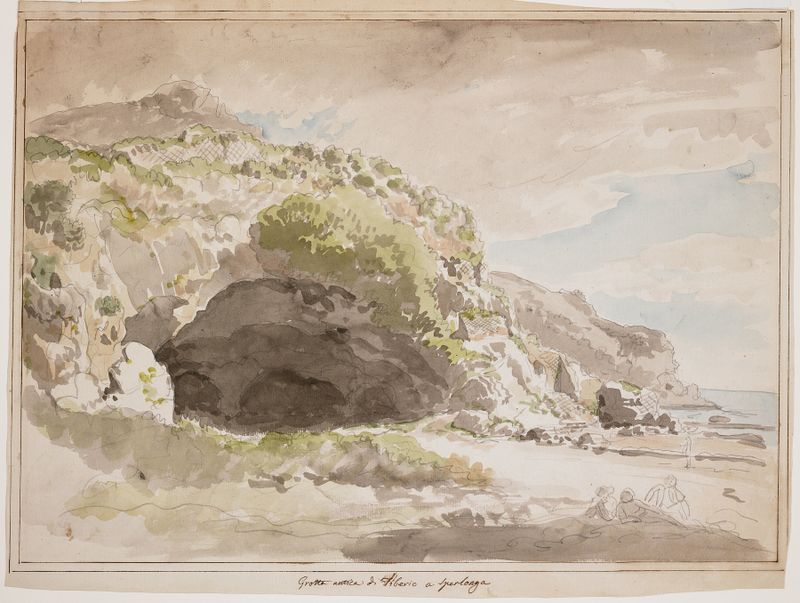
Grotto of Tiberius at Sperlonga
Carlo Labruzzi
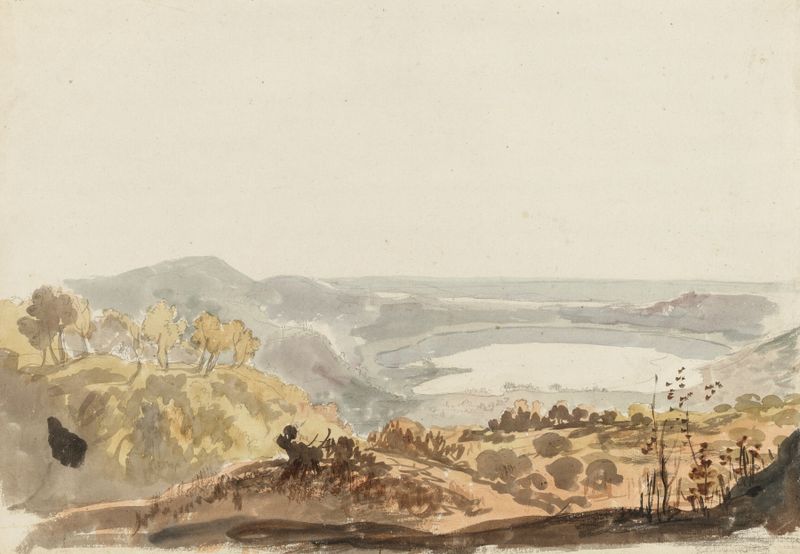
View of Lake Nemi looking towards Rome
Carlo Labruzzi
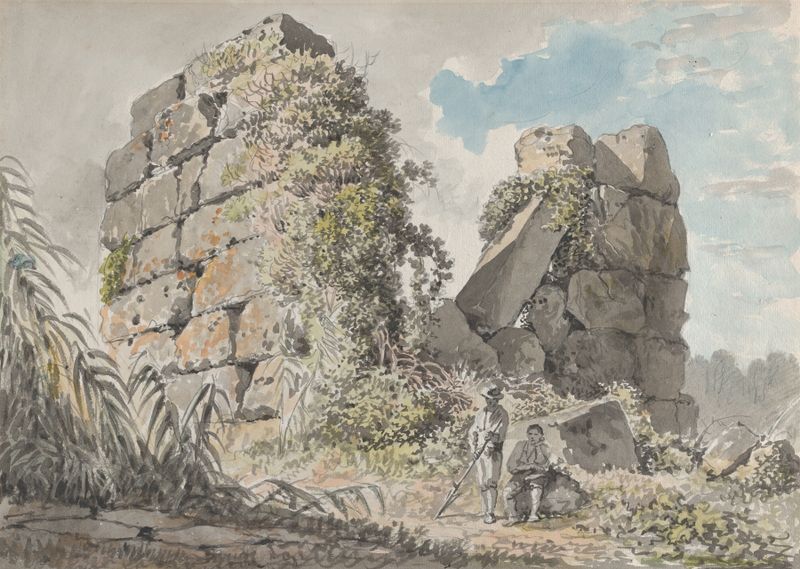
Ruins on the Right of the Via Appia
Carlo Labruzzi
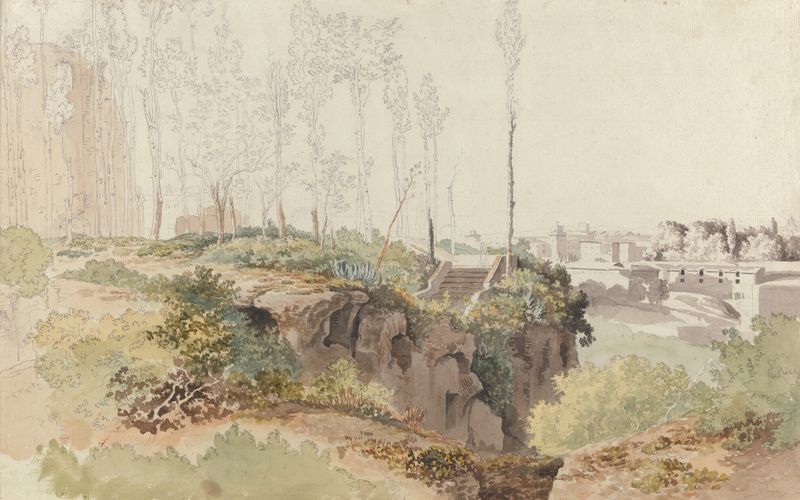
The Baths of Caracalla, Rome
Carlo Labruzzi
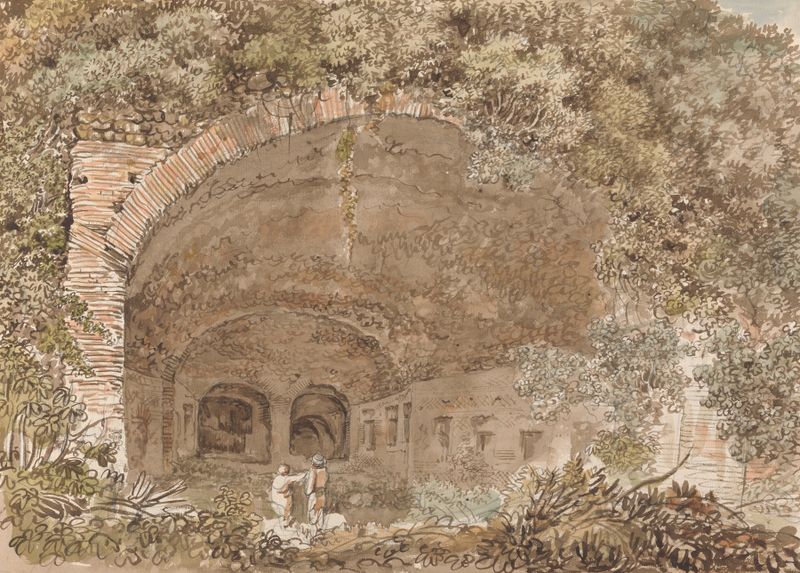
On the Appian Way
Carlo Labruzzi
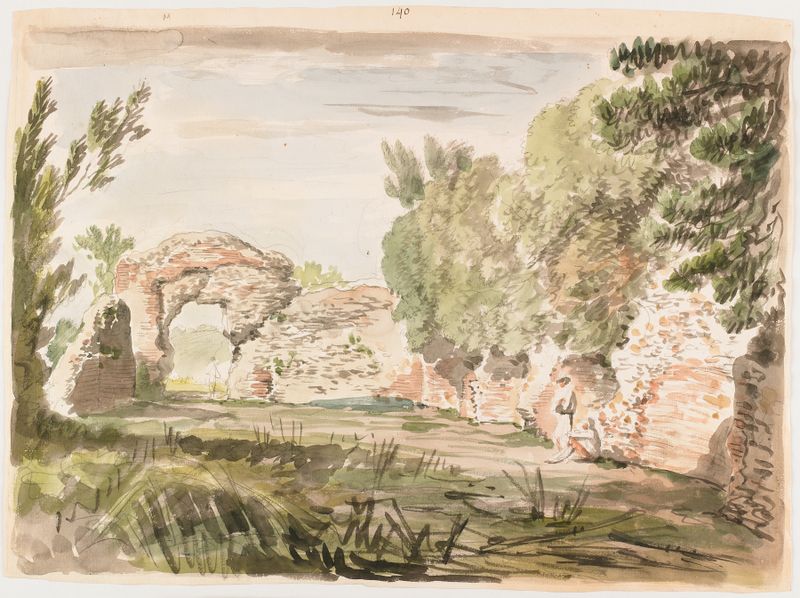
Landscape with Trees, Ruin and Three Figures
Carlo Labruzzi





