
Partie aus Südasien — History & Facts
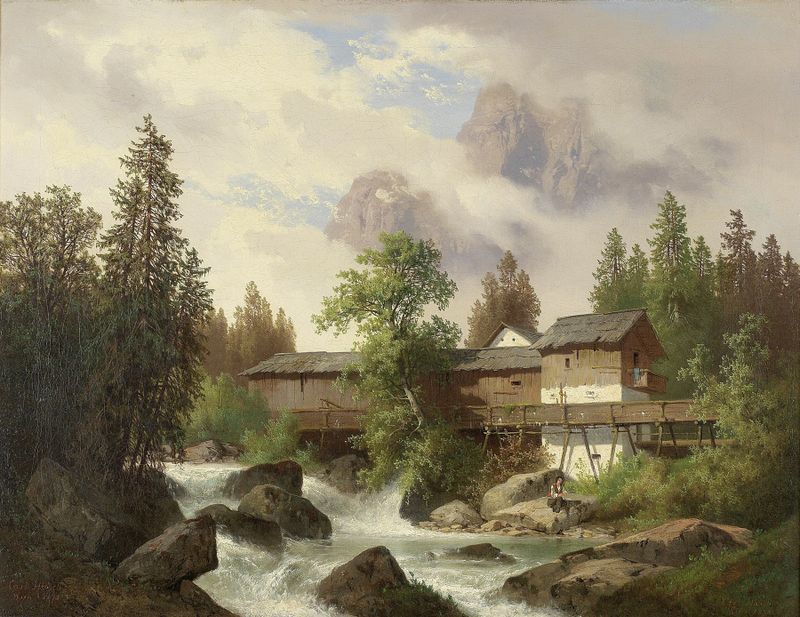
This sentiment rings true in the mesmerizing depths of Partie aus Südasien, where ecstasy and anguish intertwine like shadows in a dance, each brushstroke echoing the complexities of the human experience. Look to the center of the canvas, where vibrant hues of gold and deep crimson pulse with an almost hypnotic energy. The intricate patterns and swirling forms draw you into the heart of the scene, inviting you to explore the juxtaposition of light and shadow. Notice how the delicate lines seem to vibrate with life, while the rich colors evoke a sense of both celebration and sorrow, a reminder of the duality that exists within the most beautiful moments. As you delve deeper, the tension becomes palpable.
The golden accents may suggest prosperity and joy, yet the underlying darkness hints at unspoken struggles. The swirling patterns could symbolize the chaos of desire or the fleeting nature of pleasure. It is this intricate layering of emotion that transforms the work from merely an aesthetic experience into a profound exploration of ecstasy and its discontents. Carl Hasch created Partie aus Südasien during a time of rich artistic experimentation, likely in the late 19th century.
His work reflects the influences of the Symbolist movement and the fascination with exotic themes prevalent in European art at the time. As he navigated the complexities of identity and culture, Hasch used this piece to transcend geographical boundaries, channeling both the beauty and pain of human experience through a vibrant, introspective lens.
More Artworks by Carl Hasch
Browse all →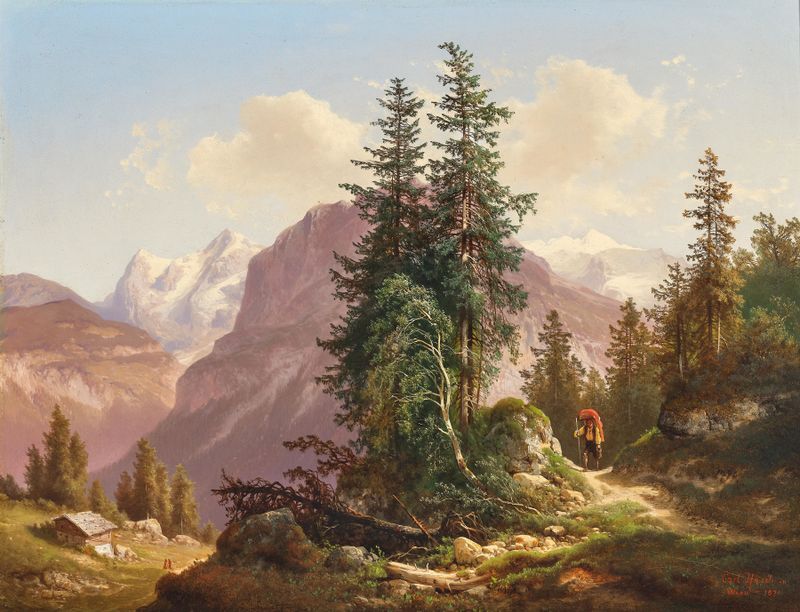
Der Eiger, der Mönch und der Silberhorn in der Schweiz
Carl Hasch

Gebirgsbach in der Ramsau
Carl Hasch

Jäger im Hochgebirge
Carl Hasch
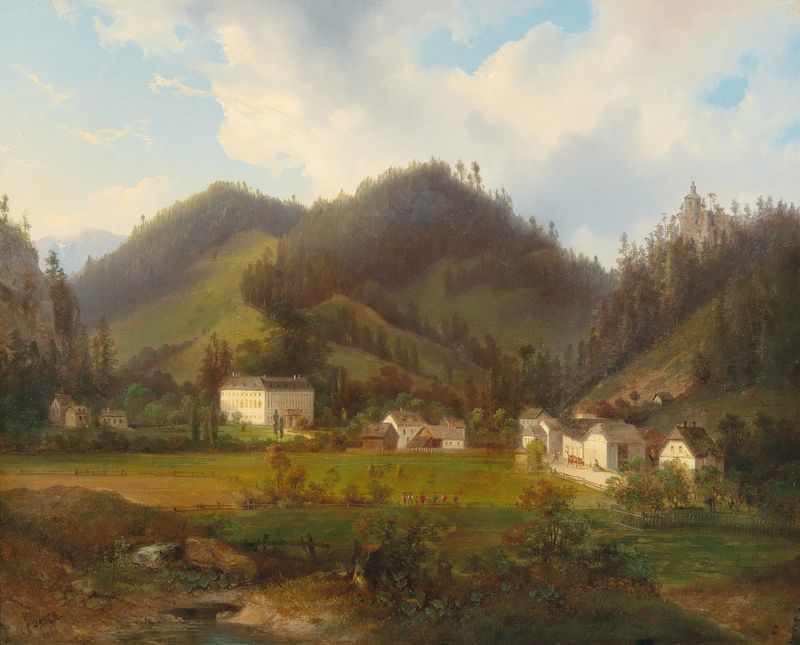
View of Schloss Gutenstein
Carl Hasch
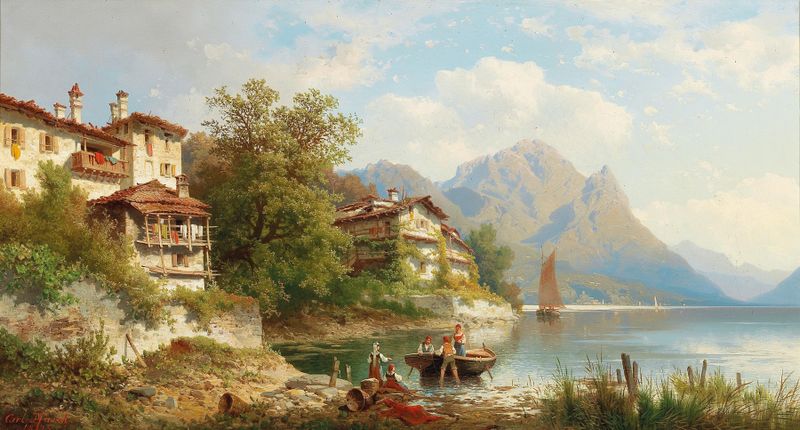
Motiv aus Gandria am Lago di Lugano
Carl Hasch

Waldmühle bei Windischgarsten
Carl Hasch

Waterfall
Carl Hasch

Am Seebach in Prag
Carl Hasch
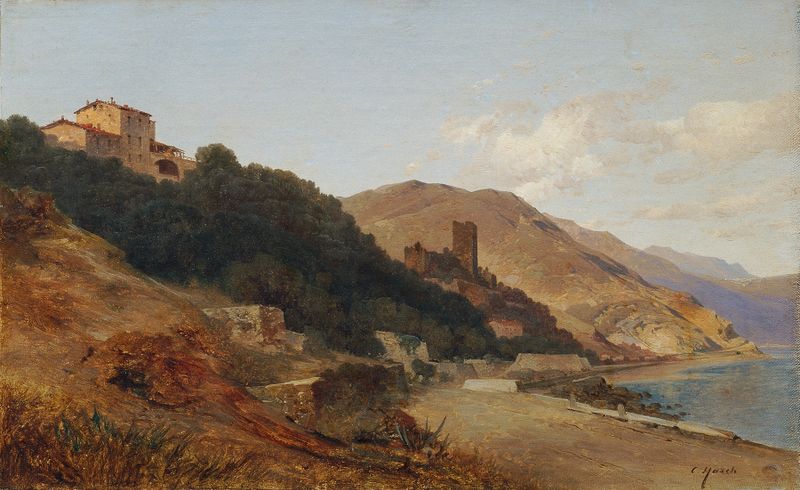
Italienische Abendlandschaft
Carl Hasch
Landschaft mit Sägemühle
Carl Hasch





