
Passage des Patriarches (donnant sur la rue Mouffetard et la rue des Patriarches) — History & Facts
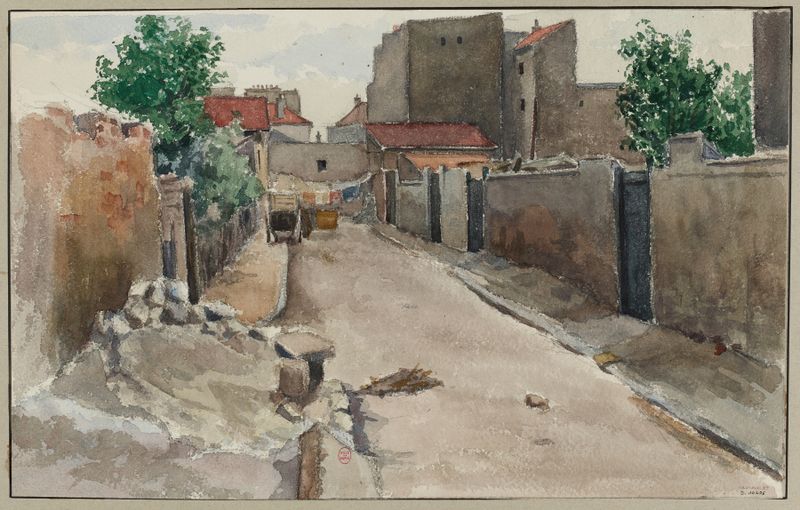
In the midst of bustling Paris, how often do we overlook the subtle moments that define our existence? The silence of a doorway, the whisper of cobblestones, a fleeting shadow — all waiting to be acknowledged in their quietude. Look to the left at the archway, carefully framed by verdant foliage that spills from the corners. The soft, muted hues of ochre and green create an inviting warmth, while the dappled light filters through the trees, revealing the textured surfaces of the buildings. Notice how the light falls upon the cobbled path, guiding the viewer’s eye deeper into the scene, evoking a sense of both nostalgia and curiosity.
It's a masterful play of perspective that draws you in, urging a closer examination of the intimate urban landscape. Yet, amidst this serene charm lies an undercurrent of tension. The void of absence is palpable; there are no figures to animate the streets, echoing a sense of solitude that resonates profoundly. The juxtaposition of light and shadow hints at stories untold, memories lingering in the air.
The absence of human presence invites the viewer to ponder the lives that once thrived here, now reduced to mere echoes and whispers amidst the architecture. F. Séguin painted this piece in 1895, during a period of vibrant artistic transformation in Paris. The city was alive with the energy of the Impressionist movement, yet Séguin carved his own path, capturing the essence of urban life with a unique stillness.
At this time, he was exploring the interplay between light and space, seeking to immortalize the fleeting beauty of everyday moments in a world rapidly changing around him.
More Artworks by F. Séguin
Browse all →
Rue Brantôme. (anciennement rue des Petits Champs donnant rue Saint Martin et rue Beaubourg)
F. Séguin
La rue de Chambéry, prise de la rue de Nice la Frontière
F. Séguin
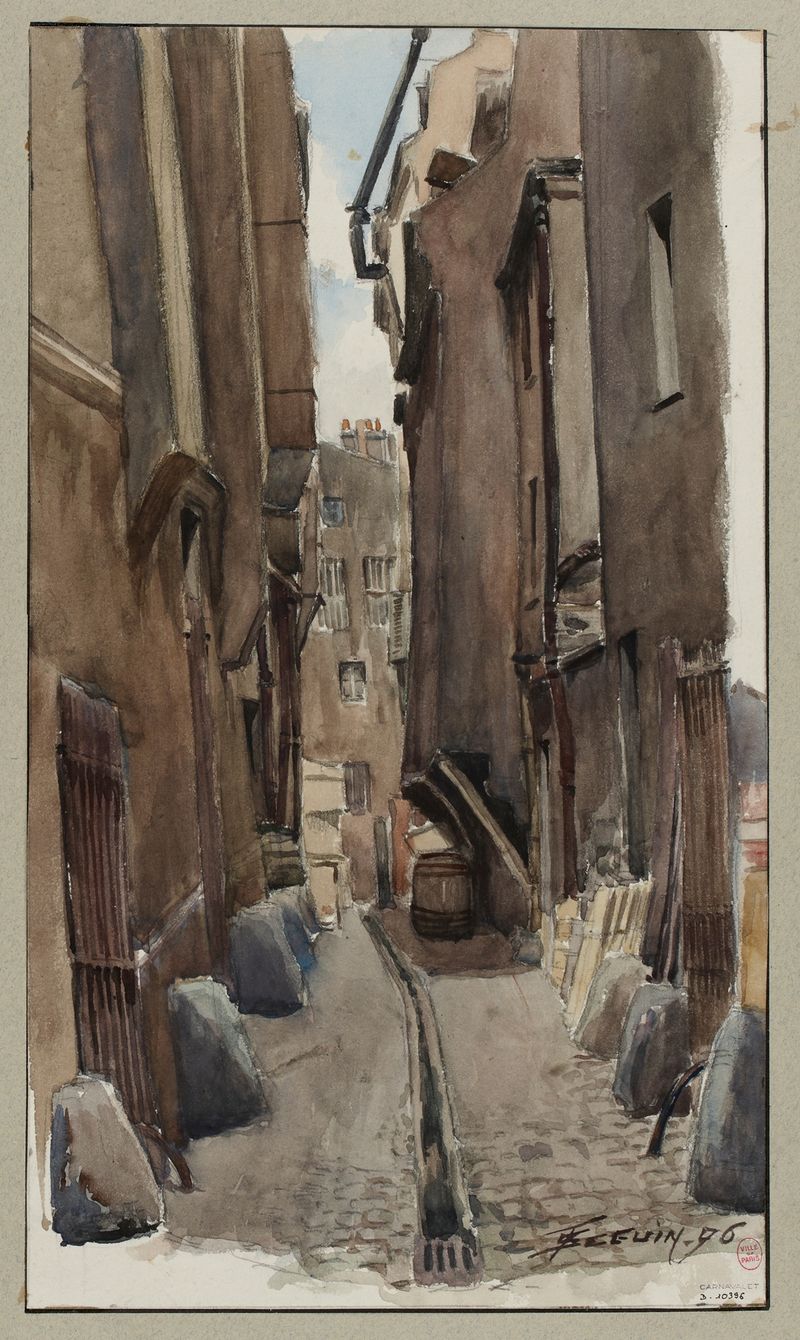
Le Cul de sac du Bœuf, (rue Saint Merri)
F. Séguin

Rue Descartes
F. Séguin
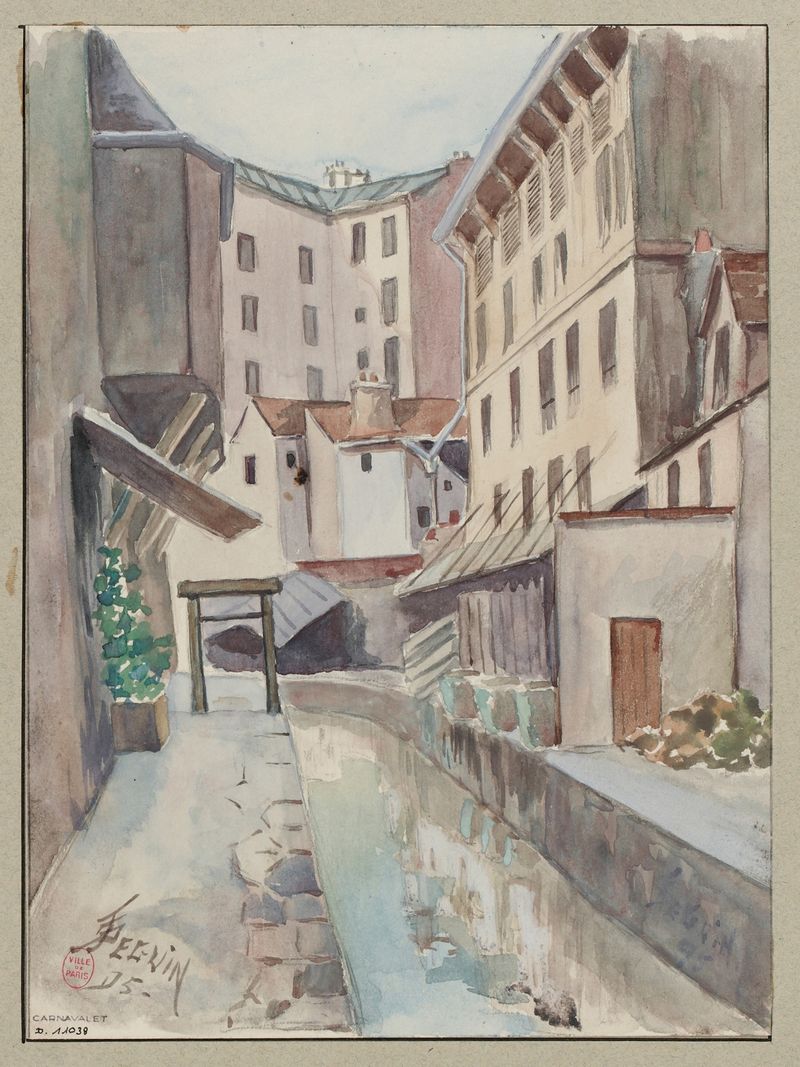
Le bord de la Bièvre à l’avenue des Gobelins
F. Séguin

Villa des Otages mur où furent fusillés les 52 derniers otages de la Commune, rue Haxo
F. Séguin
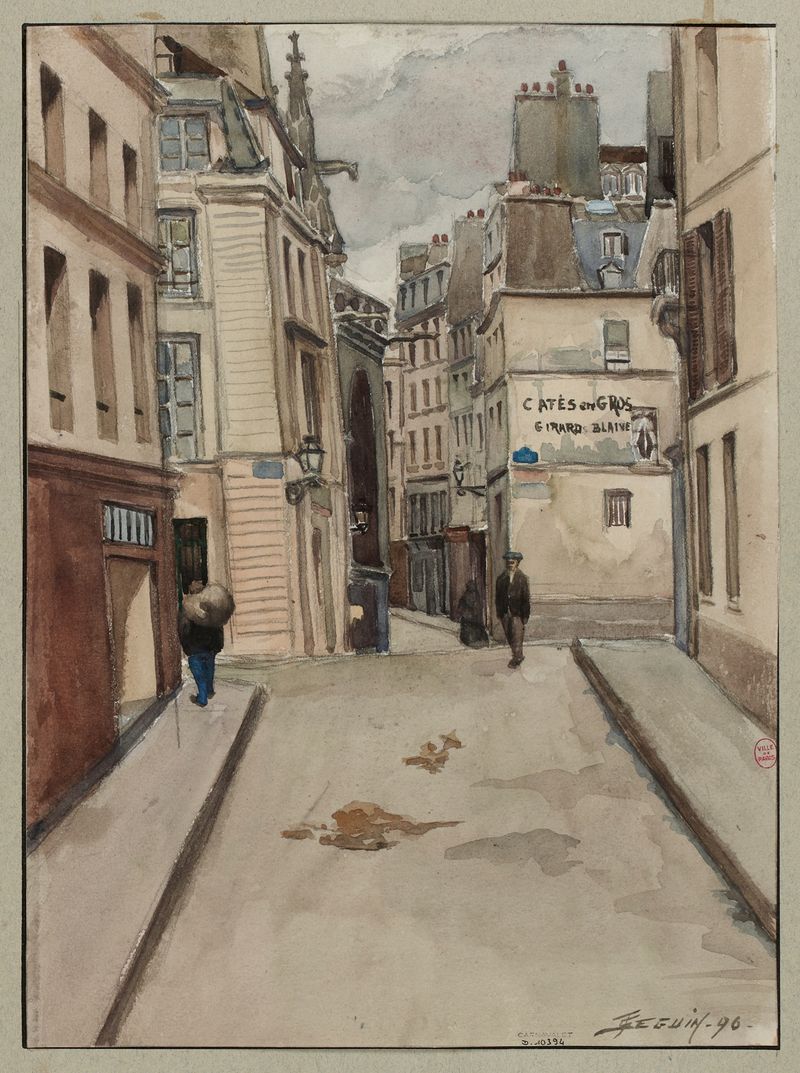
Rue du Cloître Saint Mérry, de la rue du Renard à la rue Saint Martin
F. Séguin
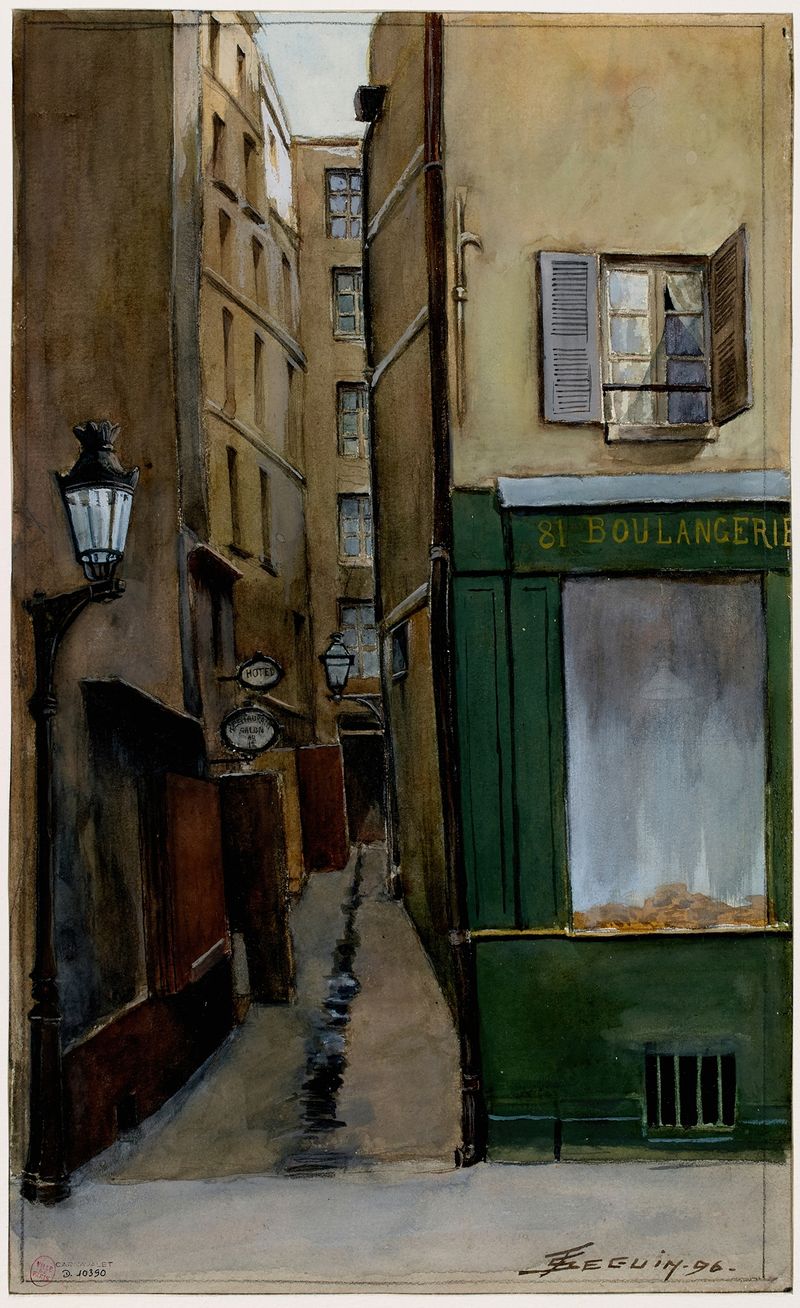
Cul de sac du Fiacre, 81 rue Saint Martin
F. Séguin
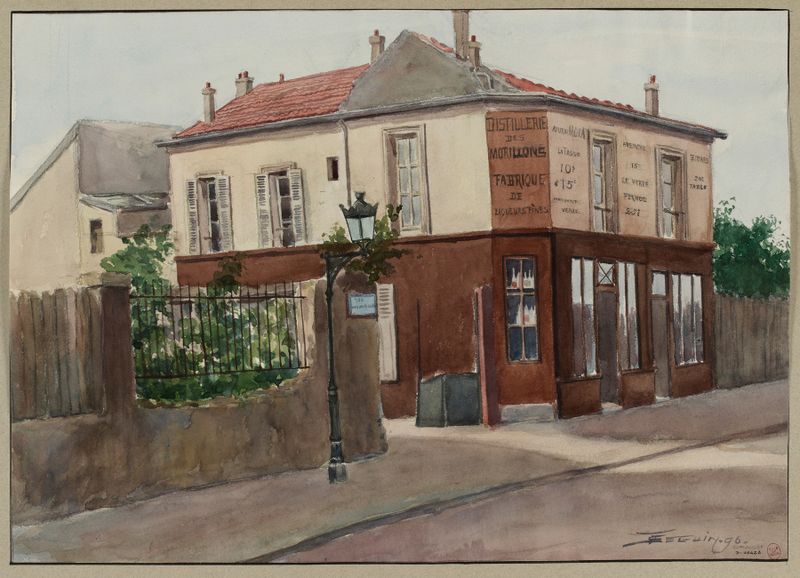
Angle de l’impasse Carlier et au 24 rue des Morillons, Vaugirard
F. Séguin
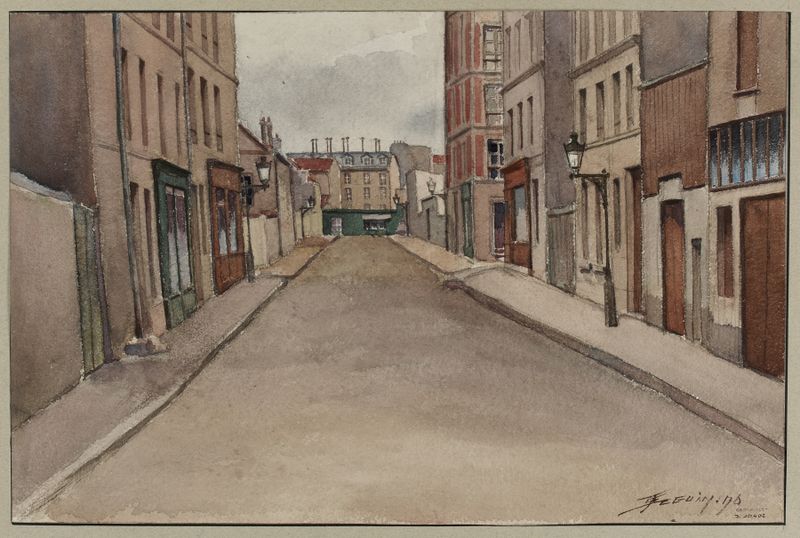
Rue Franquet
F. Séguin
More Architecture Art
Browse all →
The statue of Liberty
Frédéric Auguste Bartholdi

View of Houses in Delft, Known as ‘The Little Street’
Johannes Vermeer

View of Houses in Delft, Known as ‘The Little Street’
Johannes Vermeer

The Cathedral in Rouen. The portal, Grey Weather
Claude Monet

The yellow house
Vincent van Gogh

The Church in Auvers-sur-Oise, View from the Chevet
Vincent van Gogh