
Paulus met zwaard en boek — History & Facts
What secret hides in the quiet of the canvas? In Paulus met zwaard en boek, an intricate convergence of faith and intellect emerges, inviting the viewer to contemplate the profound duality of existence. The painting, steeped in memory and contemplation, serves as a reminder of the weight of choices and the power of knowledge. Look to the center, where the figure of Paul stands resolute, sword in one hand and scripture in the other. The contrasting materials of steel and parchment catch the light differently, highlighting their symbolic significance; the sword, sharp and active, represents authority and conflict, while the book, soft and faded, embodies wisdom and peace.
The rich colors of Cranach's palette—deep reds and earthy greens—draw the eye and create a reverent atmosphere, making the viewer feel as though they stand in the presence of a moment suspended in time. Beneath the surface lies a rich interplay of themes. The juxtaposition of the sword and book suggests an internal struggle between violence and enlightenment, a tension that speaks to the human condition. The expression on Paul's face reveals a quiet introspection, hinting at the burdens of his past and the heavy responsibility of his future.
Such details evoke the complexity of memory, as both a personal and shared experience, urging us to reflect on our own choices and the narratives that shape our lives. In the years between 1510 and 1515, Lucas Cranach was deeply engaged with the Reformation, a transformative period that questioned tradition and authority in the context of faith. Working in Wittenberg, he became a key figure in the movement, creating art that resonated with the changing sentiments of the time. This painting reflects both his artistic prowess and the larger cultural shifts, encapsulating a moment where belief and power intersected, forever altering the landscape of religious thought.
More Artworks by Lucas Cranach (I)
Browse all →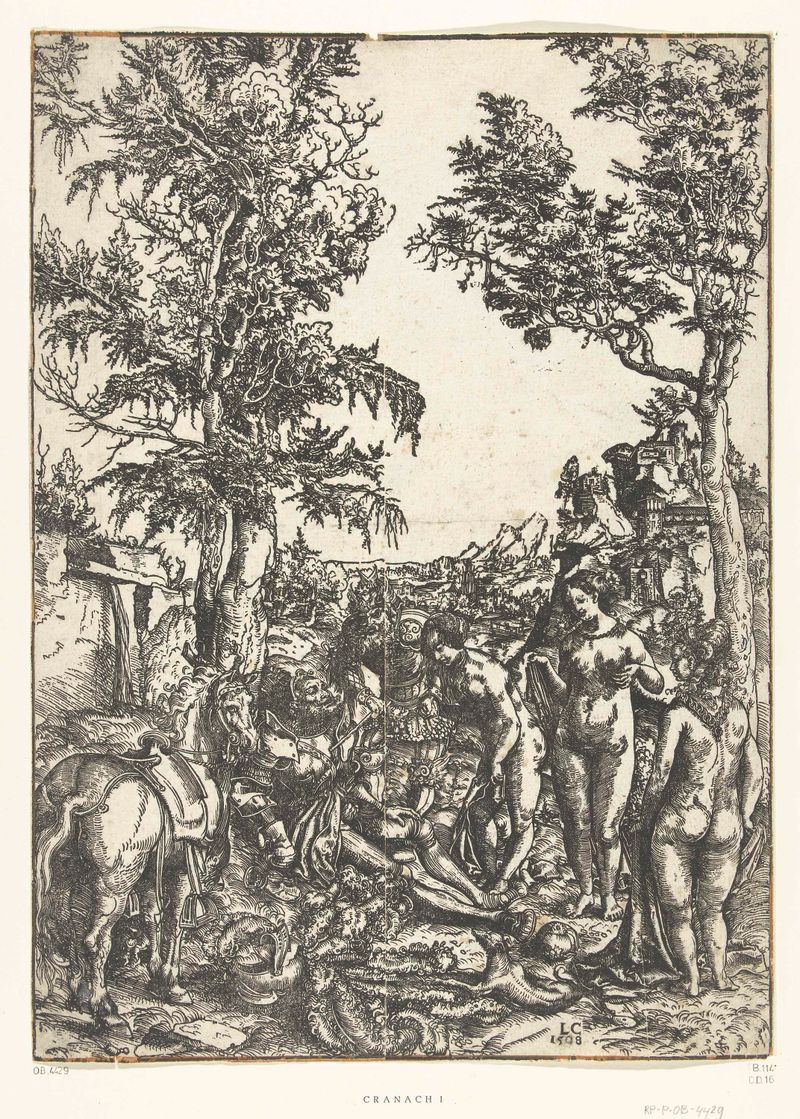
Oordeel van Paris
Lucas Cranach (I)
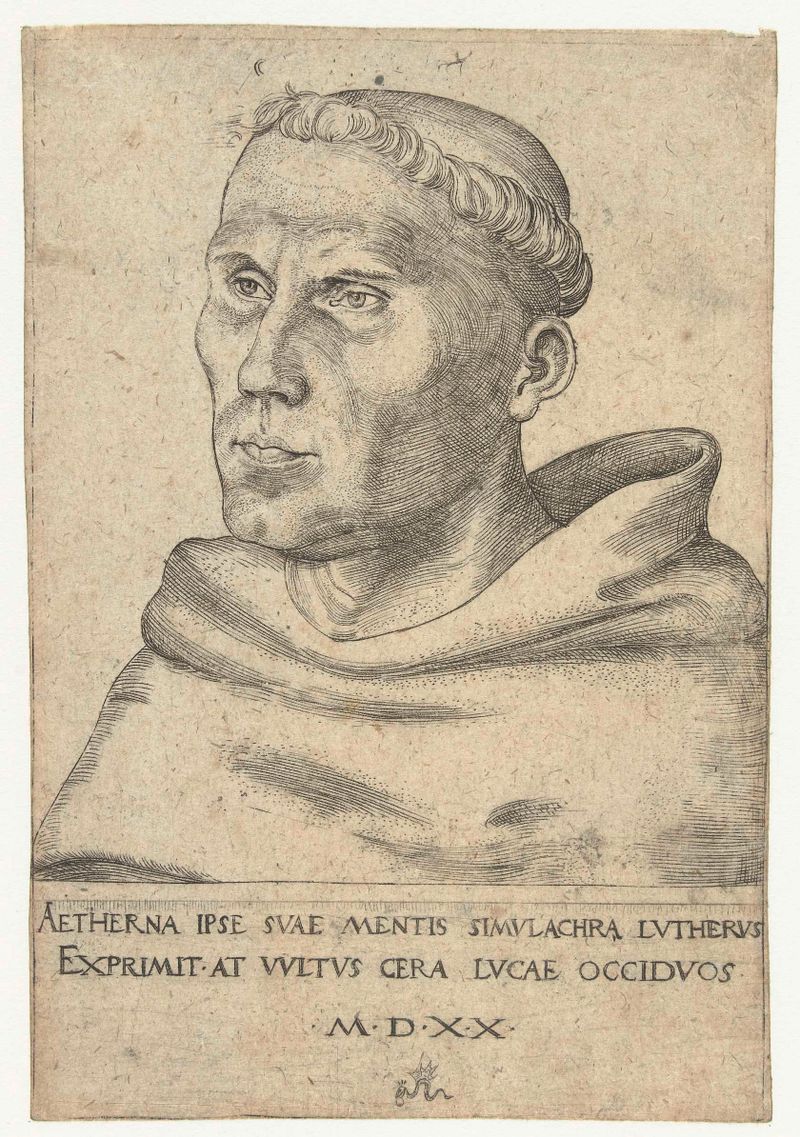
Portret van Martin Luther als Augustijner monnik
Lucas Cranach (I)
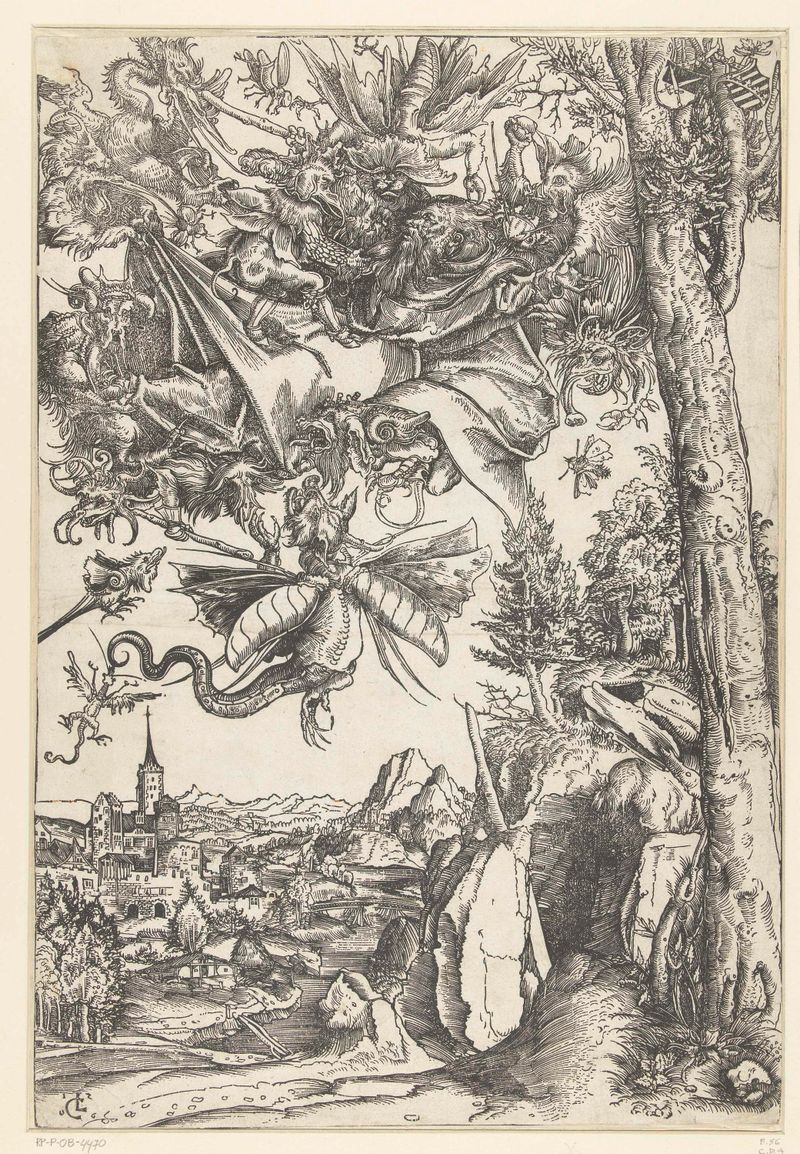
Verzoeking van Antonius met aanval door demonen
Lucas Cranach (I)

Christus en de Samaritaanse vrouw
Lucas Cranach (I)

Duits toernooi met twee edelmannen als ridders te paard
Lucas Cranach (I)
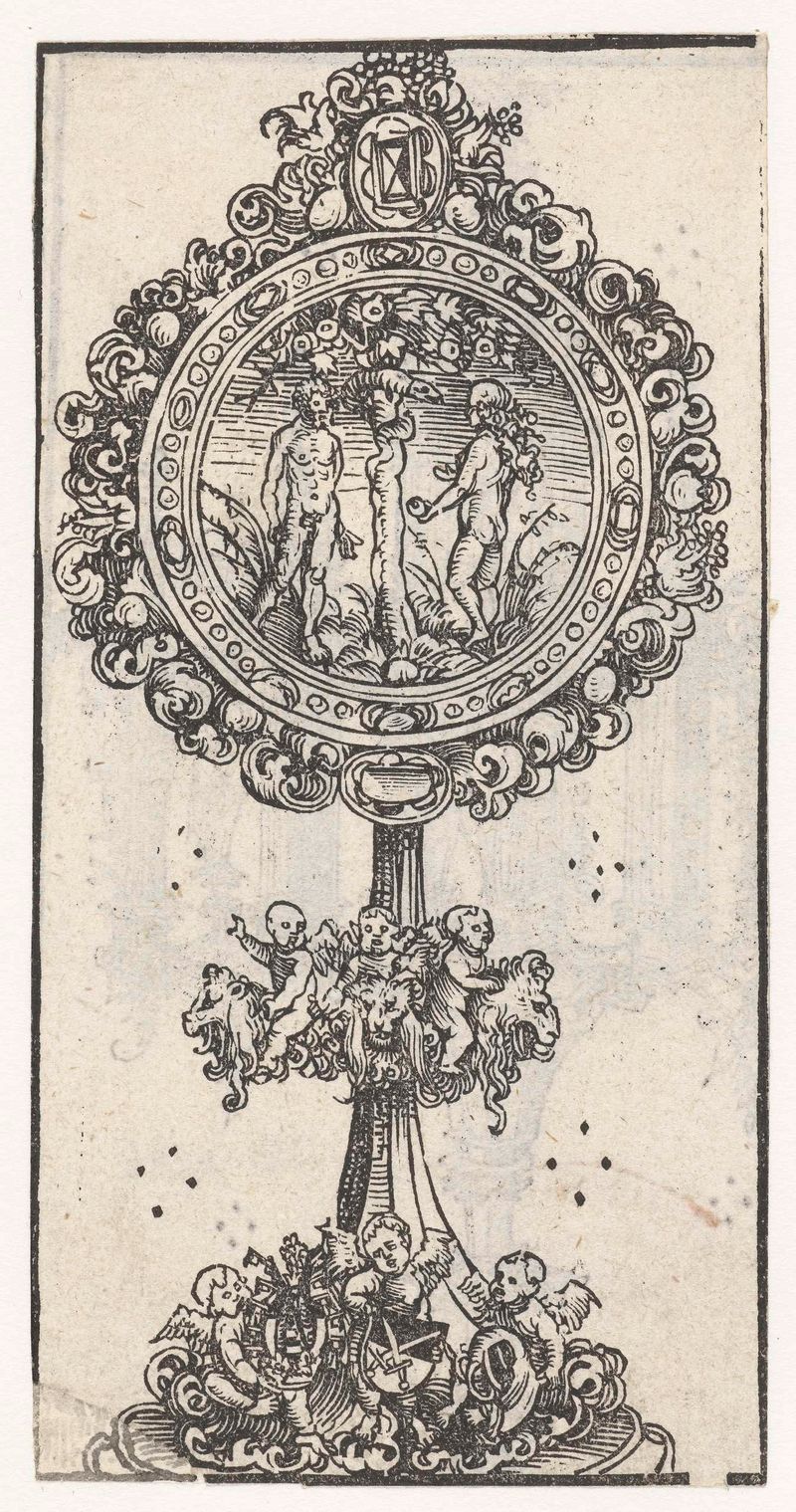
Reliekhouder met de verzoeking van Adam en Eva
Lucas Cranach (I)

Intocht van Christus in Jerusalem
Lucas Cranach (I)
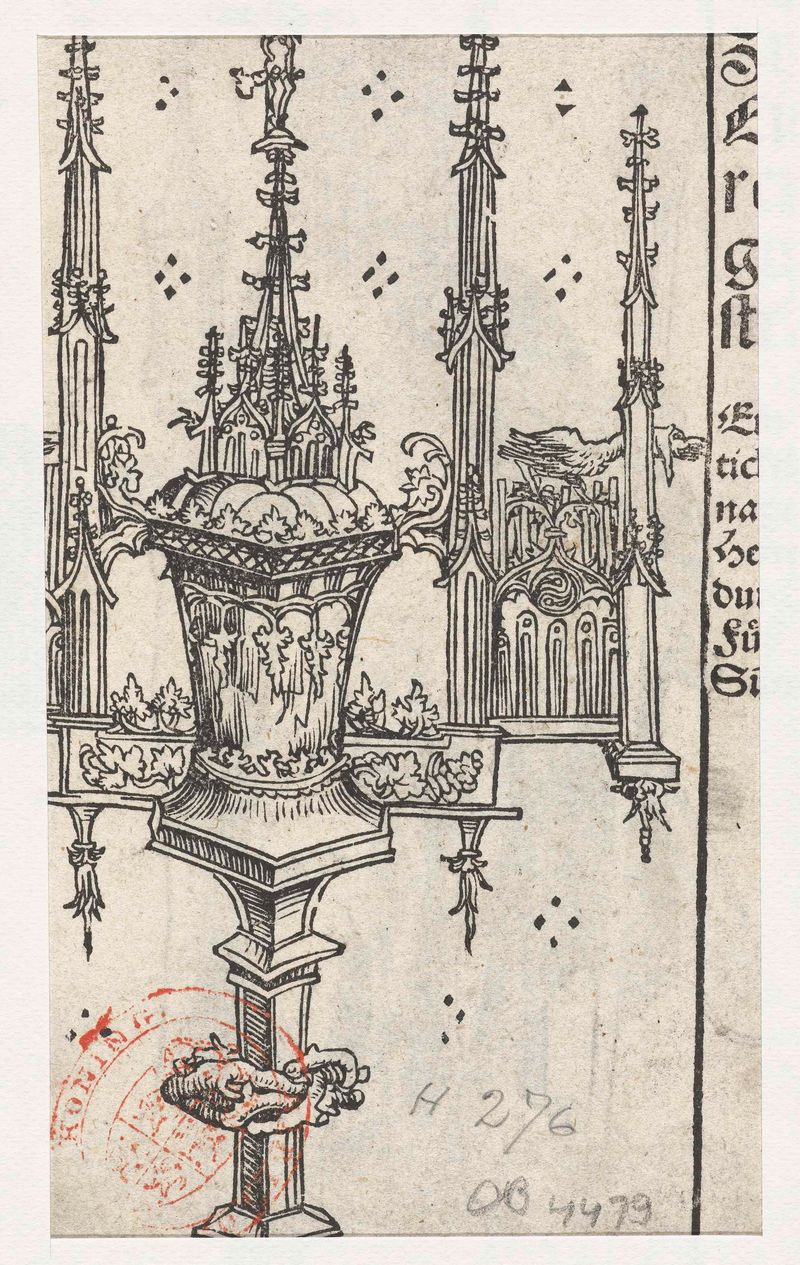
Monstrans met vogel (pelikaan)
Lucas Cranach (I)
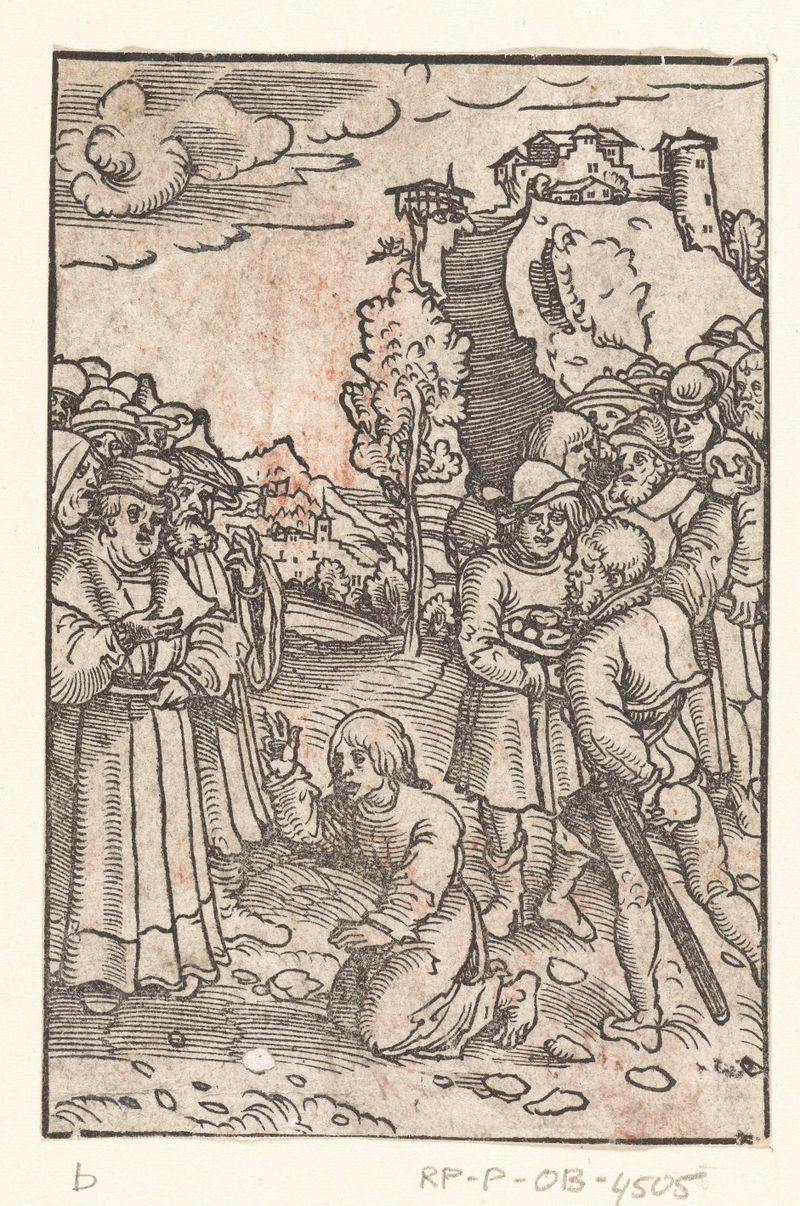
Steniging van Stefanus
Lucas Cranach (I)
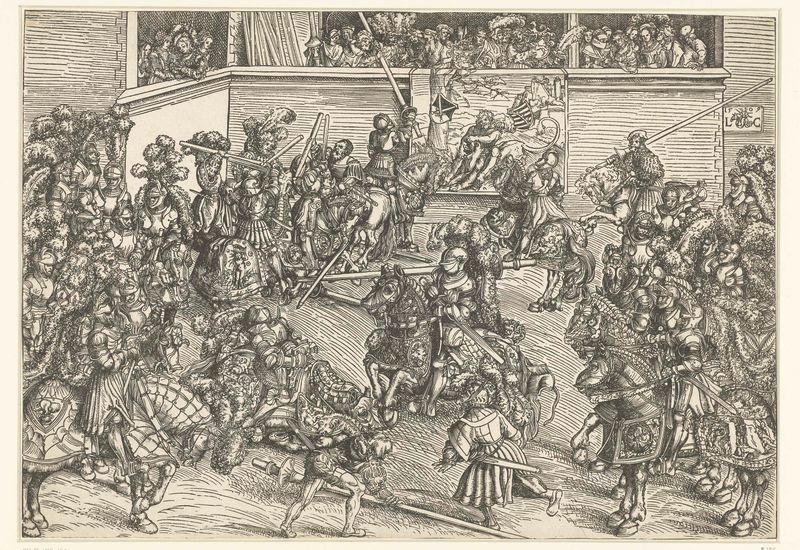
Toernooi van het keurvorstelijk hof van Saksen met wandtapijt Simson doodt de leeuw
Lucas Cranach (I)
More Religious Art
Browse all →
The Return of the Prodigal Son
Rembrandt van Rijn

The Garden of Earthly Delights
El Bosco

Count Orgaz’ funeral
El Greco

The Hundred Guilder Print: the central piece with Christ preaching, the plate arched
Rembrandt van Rijn

The Descent from the Cross
Rogier van der Weyden

The return of the prodigal son
Rembrandt van Rijn