
Paus en een bisschop — History & Facts
Can beauty exist without sorrow? In Paus en een bisschop, the viewer grapples with the delicate balance between hope and despair that lingers just beneath the surface of paint. Look to the left at the figure clad in rich, deep colors, his expression both serene and contemplative. Notice how the golden light bathes the bishop’s robes, illuminating the intricate details of the fabric, while shadows cloak the man beside him, hinting at an inner conflict. Each brushstroke captures the tension of their differing statuses, yet unites them in a moment of solemn reflection amidst the vibrant background—a striking interplay that draws you into their world. As you delve deeper, consider the symbols woven into the work, such as the cross held by the pontiff, representing both power and the weight of responsibility.
The contrasting expressions of the two figures evoke a sense of longing; the bishop’s gaze is firm yet distant, suggesting a yearning for wisdom that eludes him. The overall composition invites questions about faith, authority, and the burdens they carry, painting a narrative that resonates with viewers across centuries. Lucas Cranach painted this work in 1521 during a time of significant religious upheaval in Europe, with the rise of the Reformation challenging the established church's authority. Working in Wittenberg, he was closely associated with Martin Luther and was immersed in the vibrant conversations of art and faith.
This period offered Cranach a unique lens through which he explored themes of power and spirituality, forever capturing the essence of his time in his art.
More Artworks by Lucas Cranach (I)
Browse all →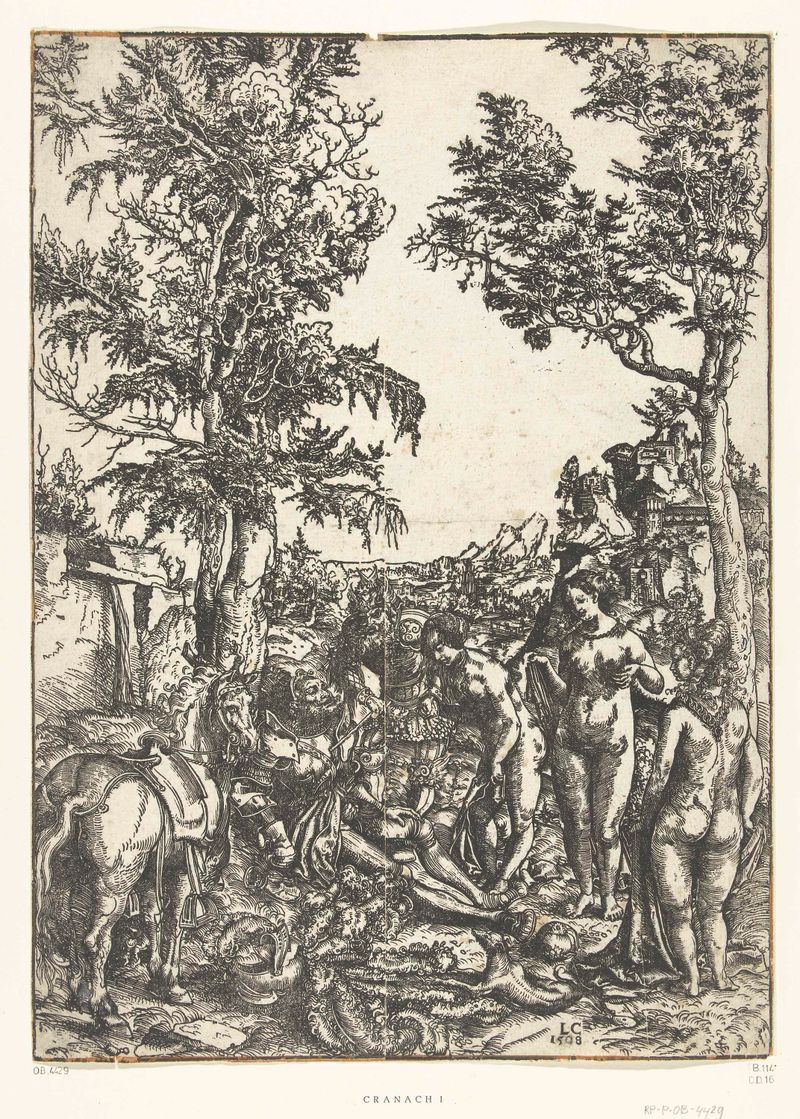
Oordeel van Paris
Lucas Cranach (I)
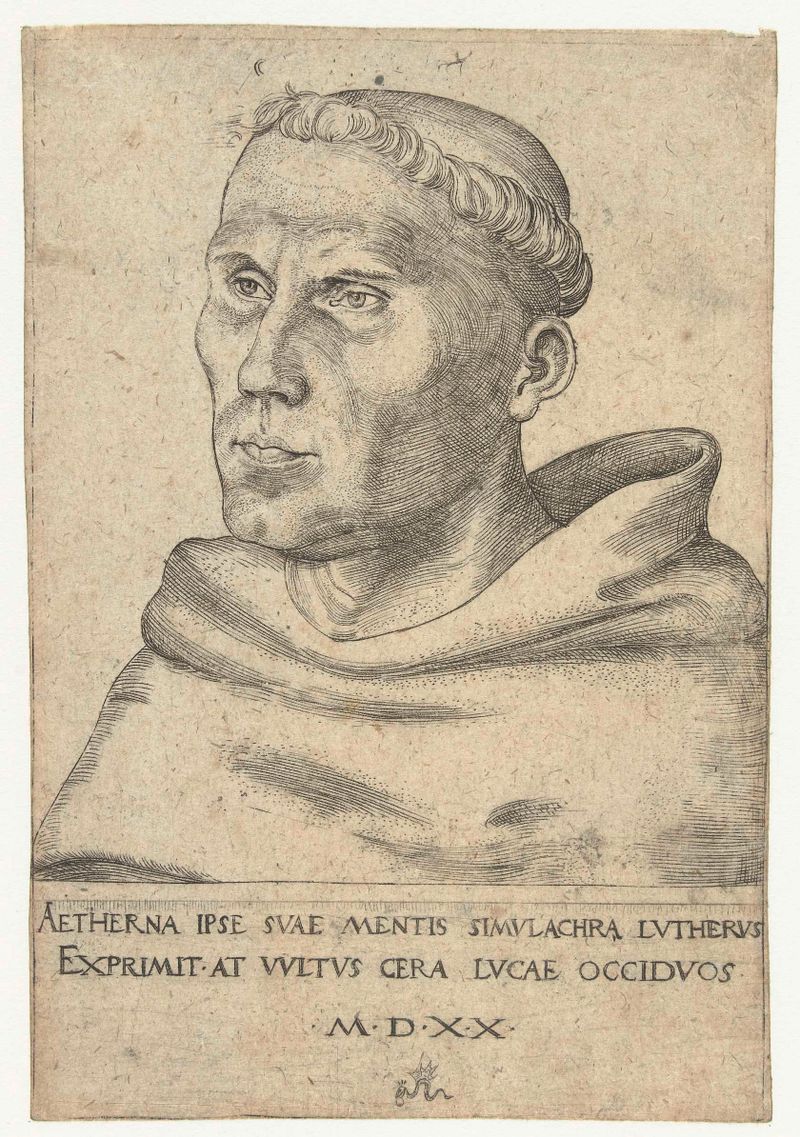
Portret van Martin Luther als Augustijner monnik
Lucas Cranach (I)
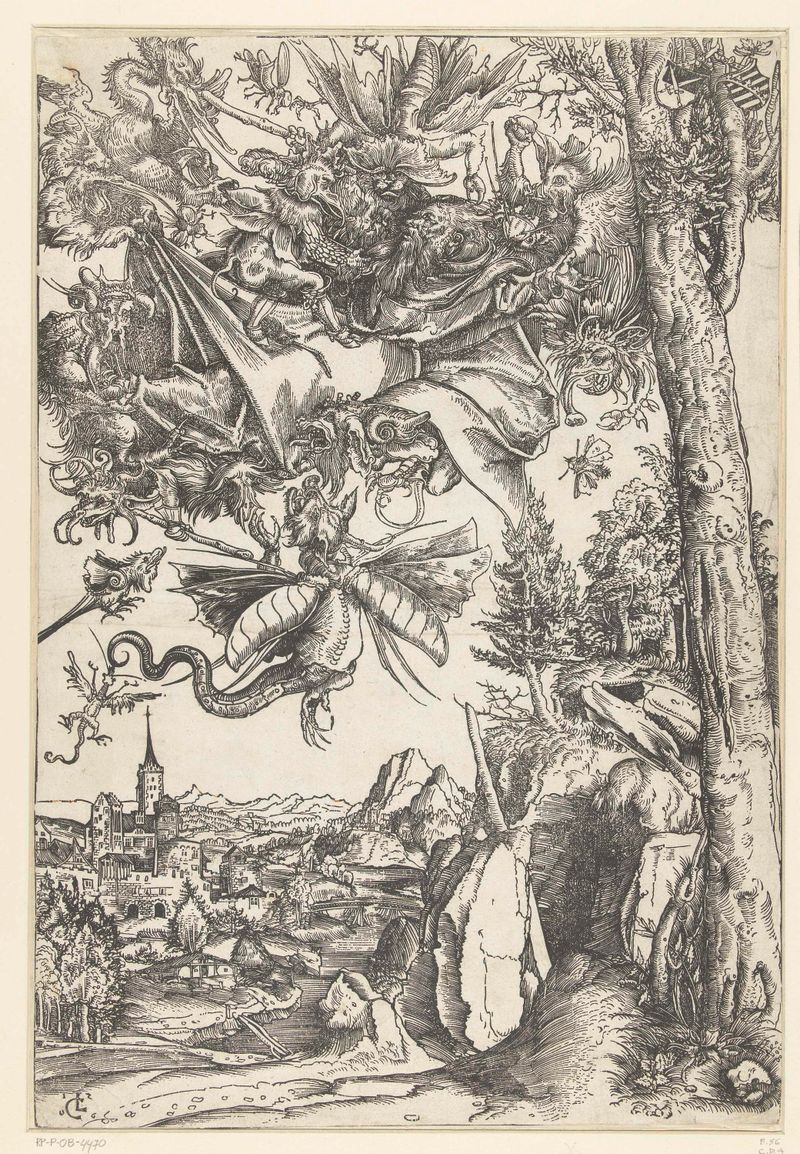
Verzoeking van Antonius met aanval door demonen
Lucas Cranach (I)

Christus en de Samaritaanse vrouw
Lucas Cranach (I)

Duits toernooi met twee edelmannen als ridders te paard
Lucas Cranach (I)
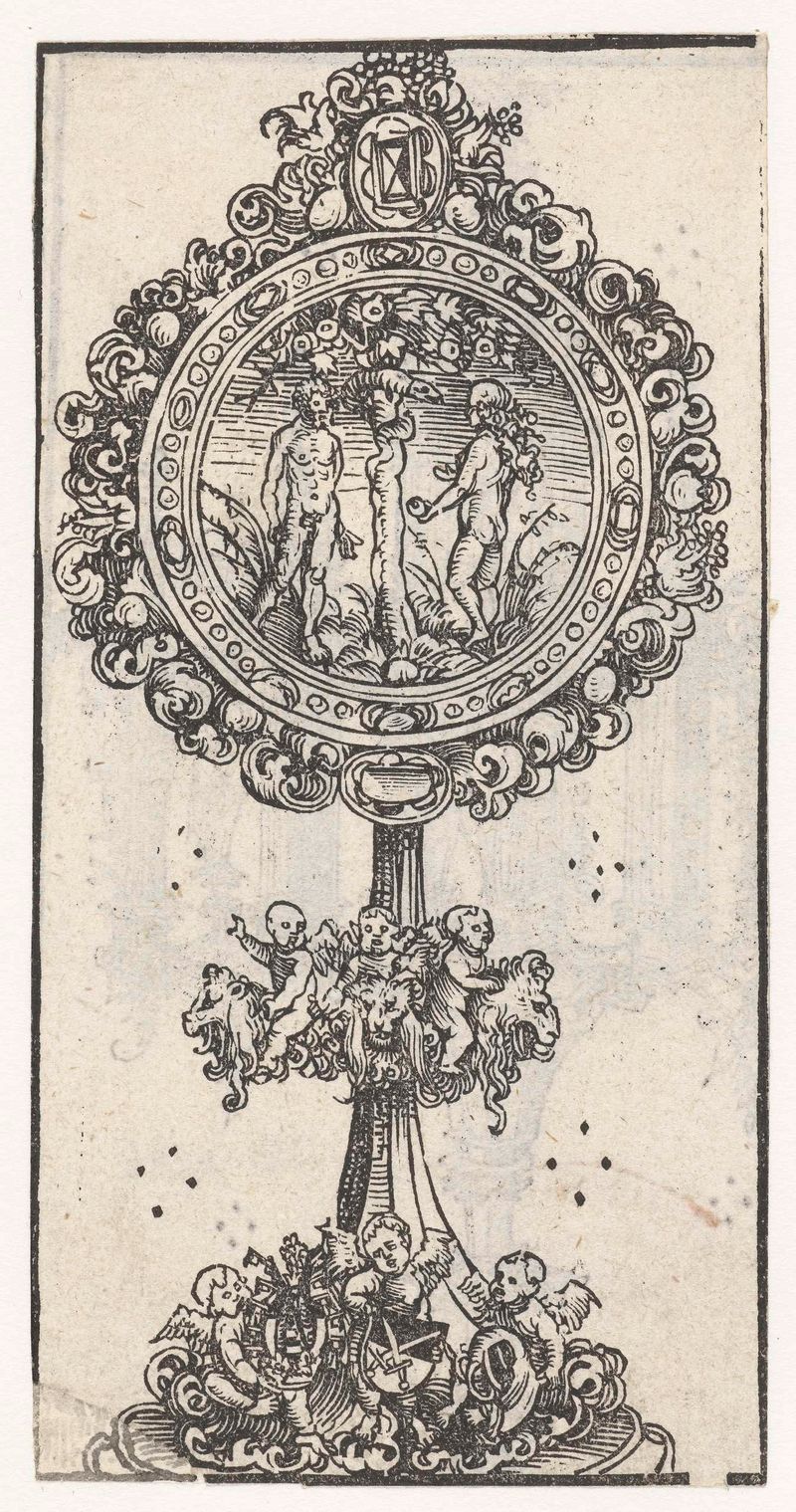
Reliekhouder met de verzoeking van Adam en Eva
Lucas Cranach (I)

Intocht van Christus in Jerusalem
Lucas Cranach (I)
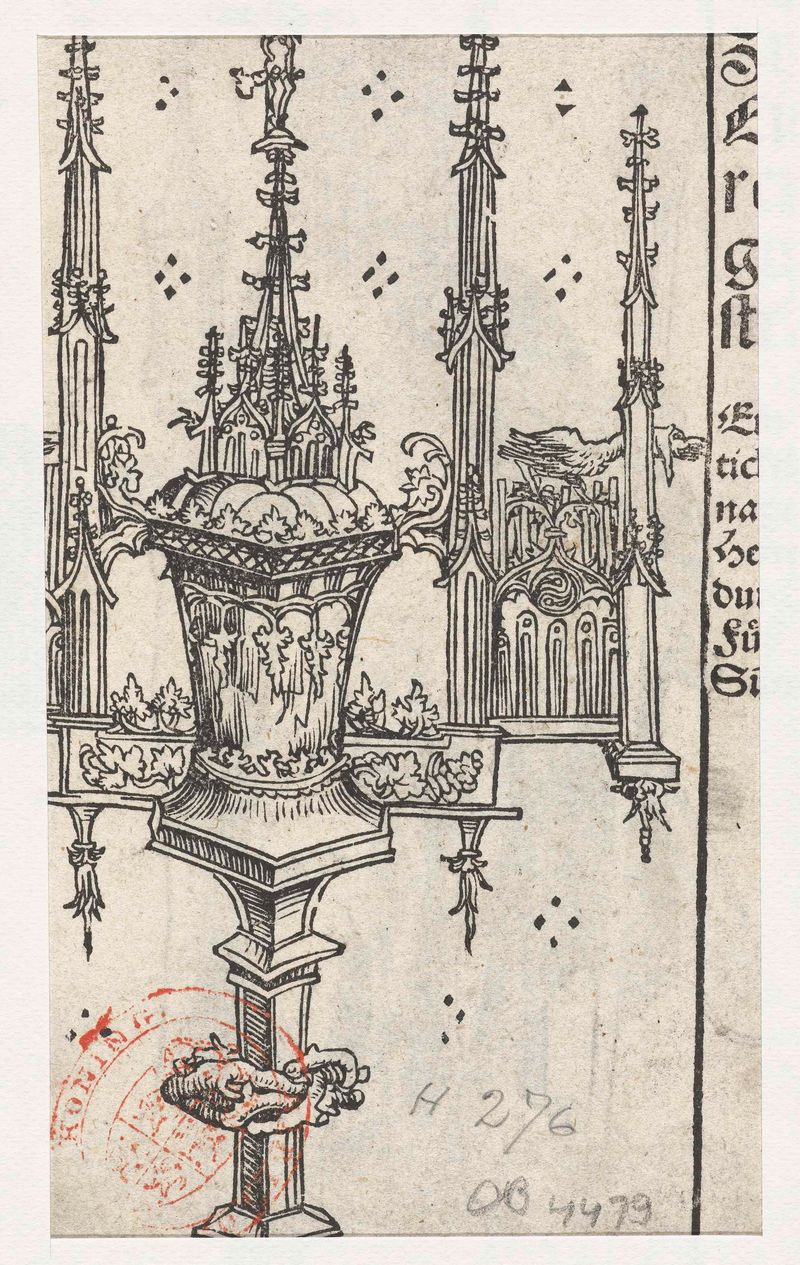
Monstrans met vogel (pelikaan)
Lucas Cranach (I)
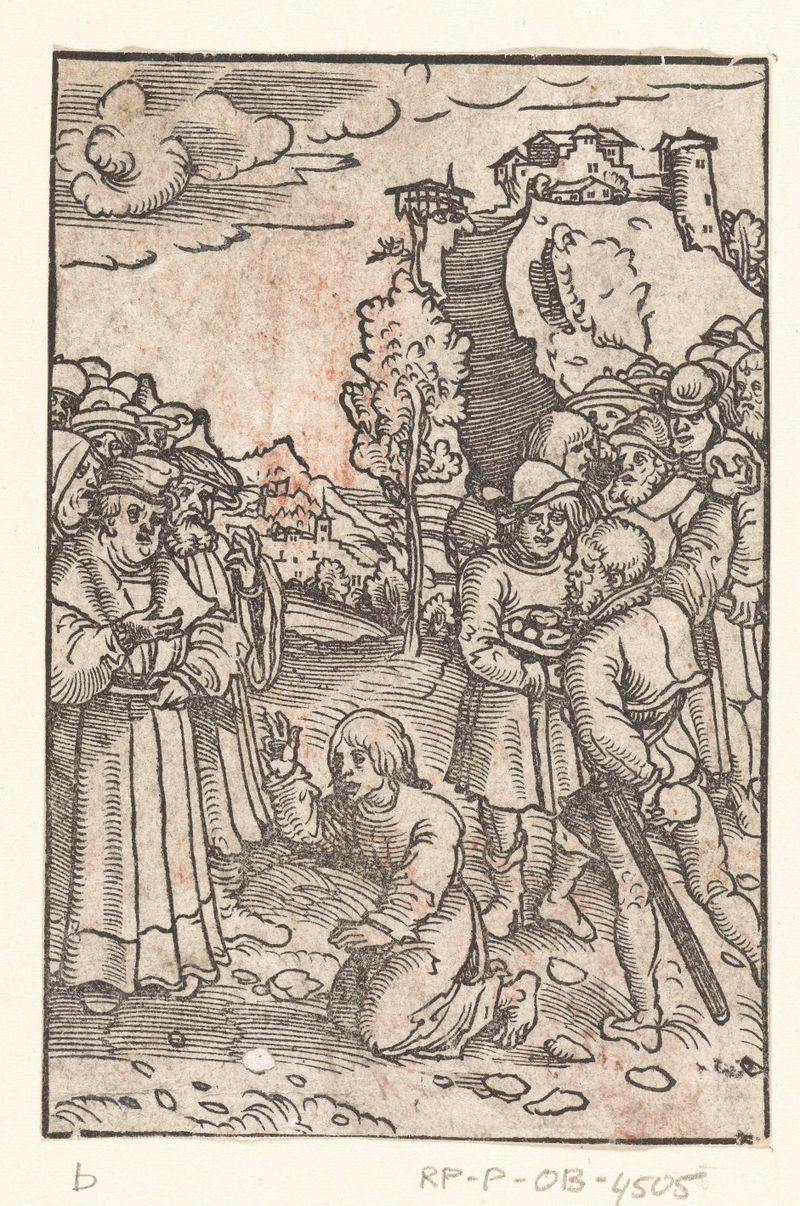
Steniging van Stefanus
Lucas Cranach (I)
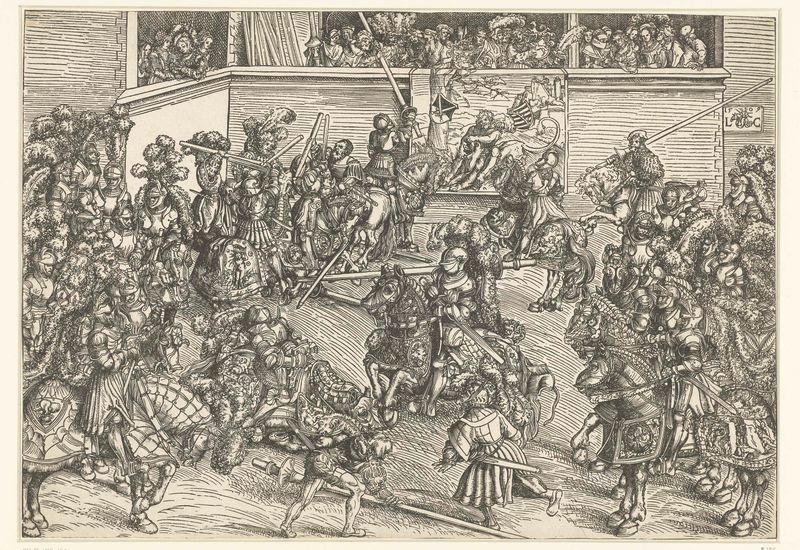
Toernooi van het keurvorstelijk hof van Saksen met wandtapijt Simson doodt de leeuw
Lucas Cranach (I)
More Portrait Art
Browse all →
Las meninas
Diego Velázquez

Self-portrait with a Bandaged Ear and Pipe
Unidentified artist

Girl with a Pearl Earring
Johannes Vermeer

The Sampling Officials of the Amsterdam Drapers’ Guild, Known as ‘The Syndics’
Rembrandt van Rijn

The Hundred Guilder Print: the man seen on the back in the lower left corner
Rembrandt van Rijn

Portrait of Dr Gachet
Vincent van Gogh