
Paus laat zich kronen met tiara — History & Facts
Who listens when art speaks of silence? In the delicate interplay of light and shadow, faith emerges as a quiet yet powerful presence. Focus on the figure at the center of the painting, a dignified man adorned with a crown, radiating a sense of authority even in stillness. Notice the intricate details of the tiara, which glimmers softly under the gentle glow that illuminates his face, creating a striking contrast against the deep, rich hues of his garments. As your eyes travel across the canvas, observe the subtle expressions of the attendants — their reverence and awe, captured in the delicate brushwork, heighten the solemnity of the ritual. The composition evokes a tension between earthly power and spiritual ascent.
The man’s serene expression suggests an inner peace, perhaps a divine connection, while the surrounding figures, draped in muted colors, amplify his spiritual significance. The tiara itself symbolizes not just authority, but a heavy burden of faith, raising questions about the responsibilities that come with power. This duality resonates deeply, inviting the viewer to ponder the weight of belief amid the fleeting glory of earthly achievements. Lucas Cranach the Elder painted this work between 1521 and 1522 during a period marked by religious transformation in Europe, as the Reformation began to challenge long-held beliefs.
Working in Wittenberg, he was closely associated with Martin Luther and the early Protestant movement. This painting reflects the tensions of its time, merging the secular and sacred, as Cranach sought to convey both the majesty and the humility of faith through his art.
More Artworks by Lucas Cranach (I)
Browse all →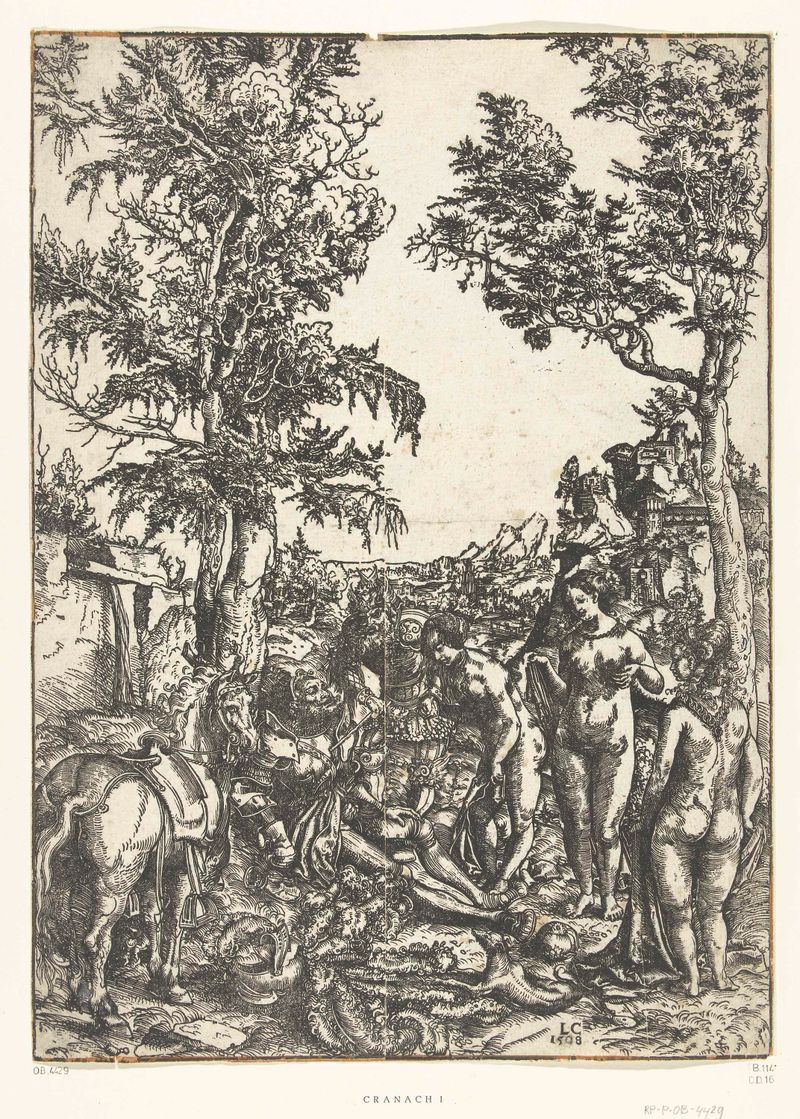
Oordeel van Paris
Lucas Cranach (I)
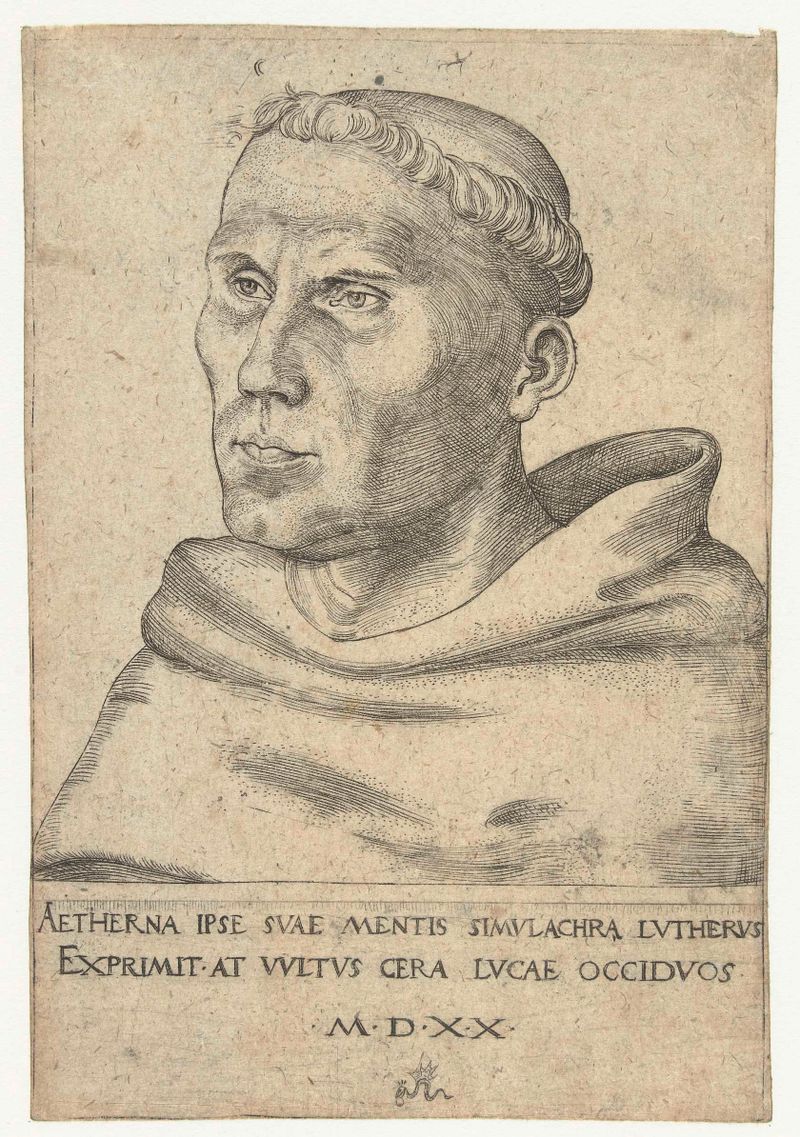
Portret van Martin Luther als Augustijner monnik
Lucas Cranach (I)
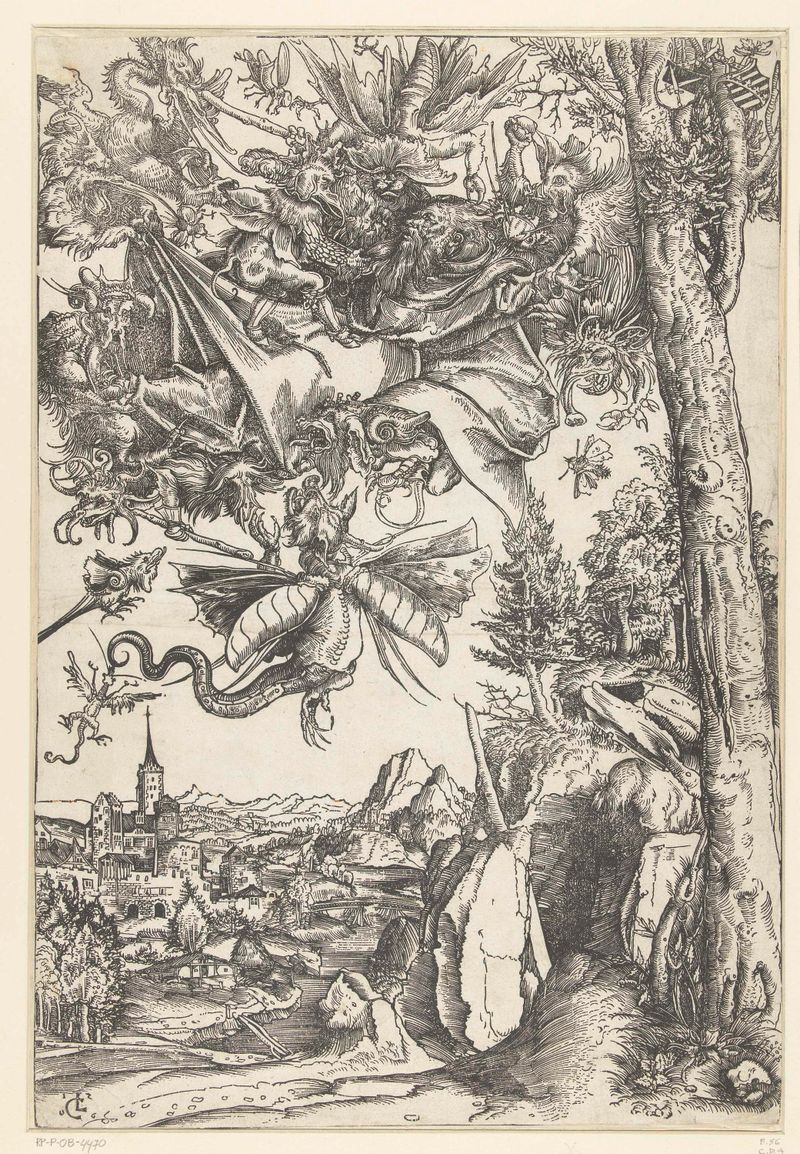
Verzoeking van Antonius met aanval door demonen
Lucas Cranach (I)

Christus en de Samaritaanse vrouw
Lucas Cranach (I)

Duits toernooi met twee edelmannen als ridders te paard
Lucas Cranach (I)
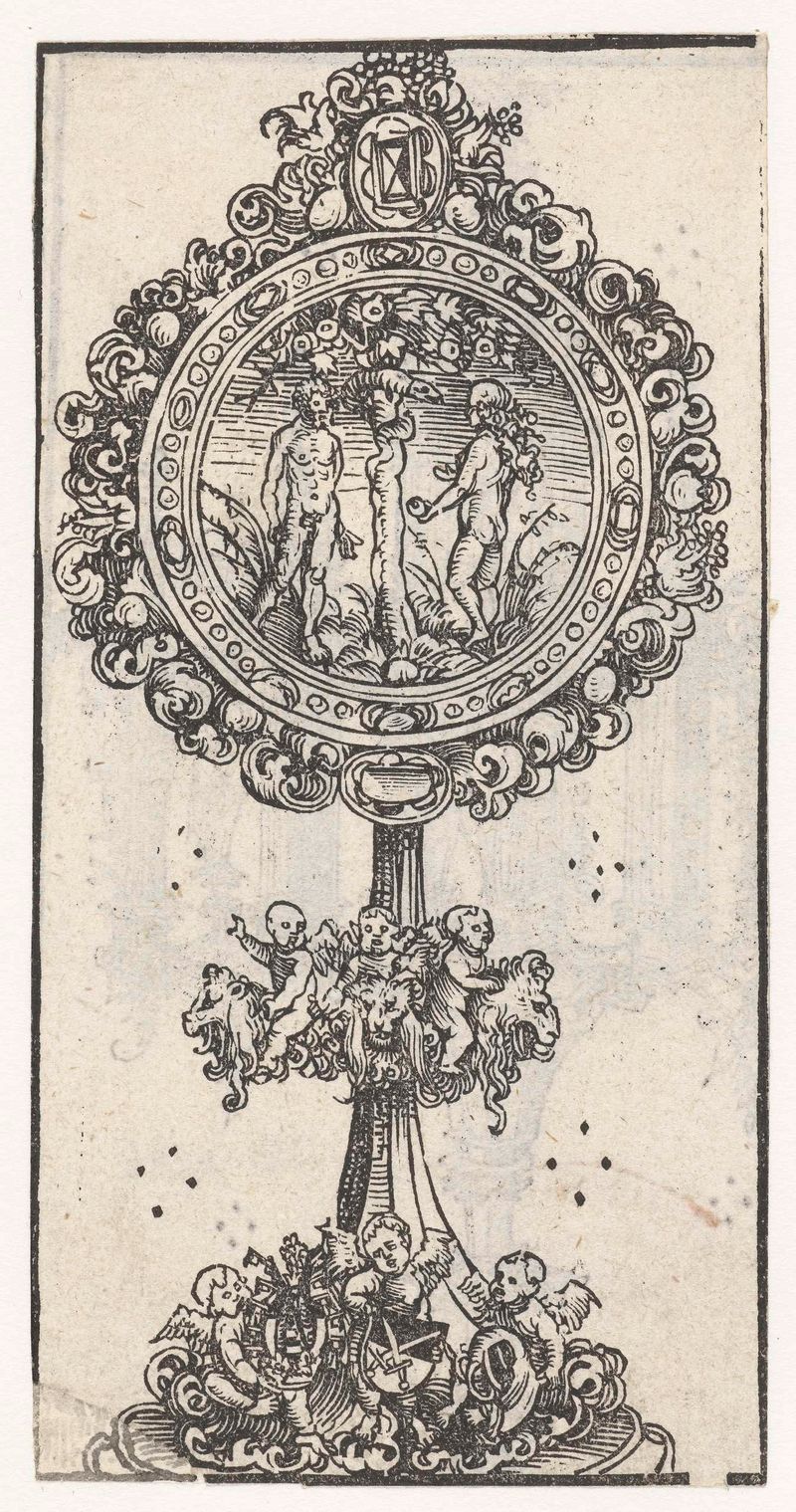
Reliekhouder met de verzoeking van Adam en Eva
Lucas Cranach (I)

Intocht van Christus in Jerusalem
Lucas Cranach (I)
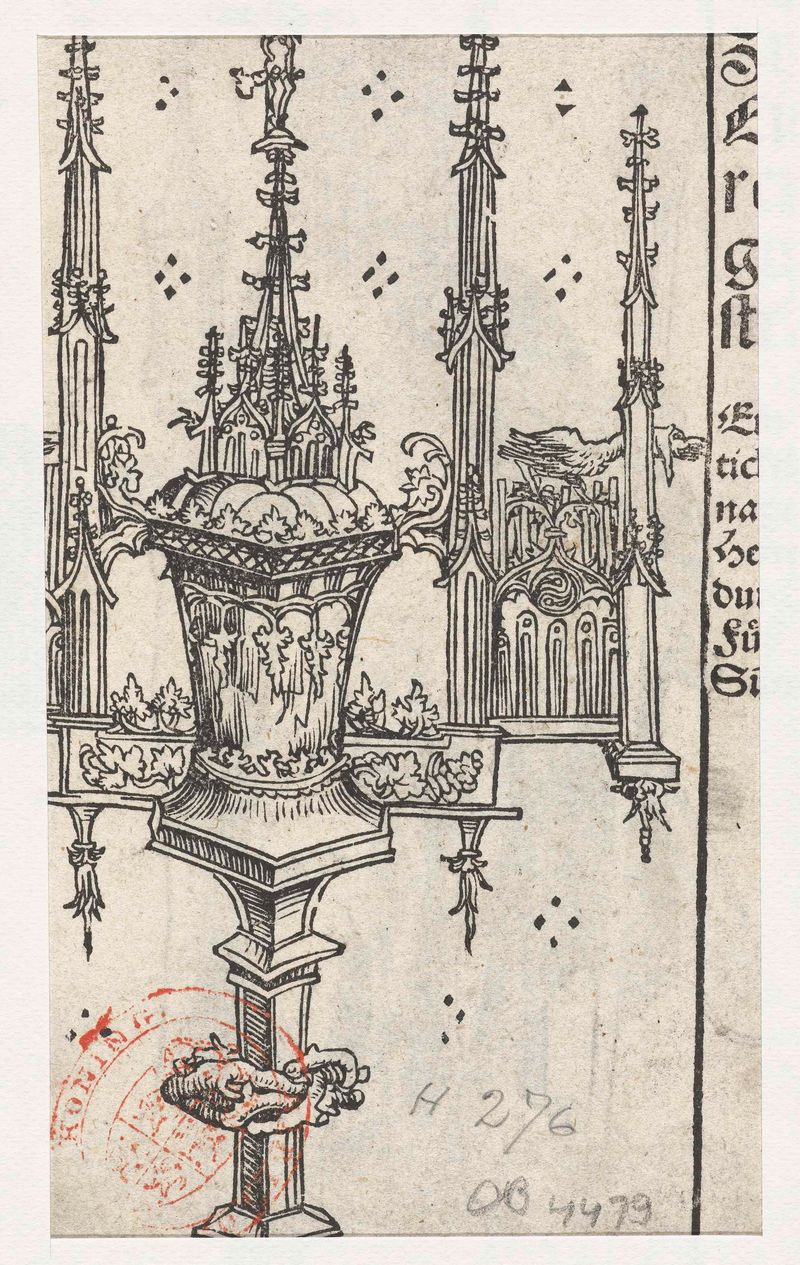
Monstrans met vogel (pelikaan)
Lucas Cranach (I)
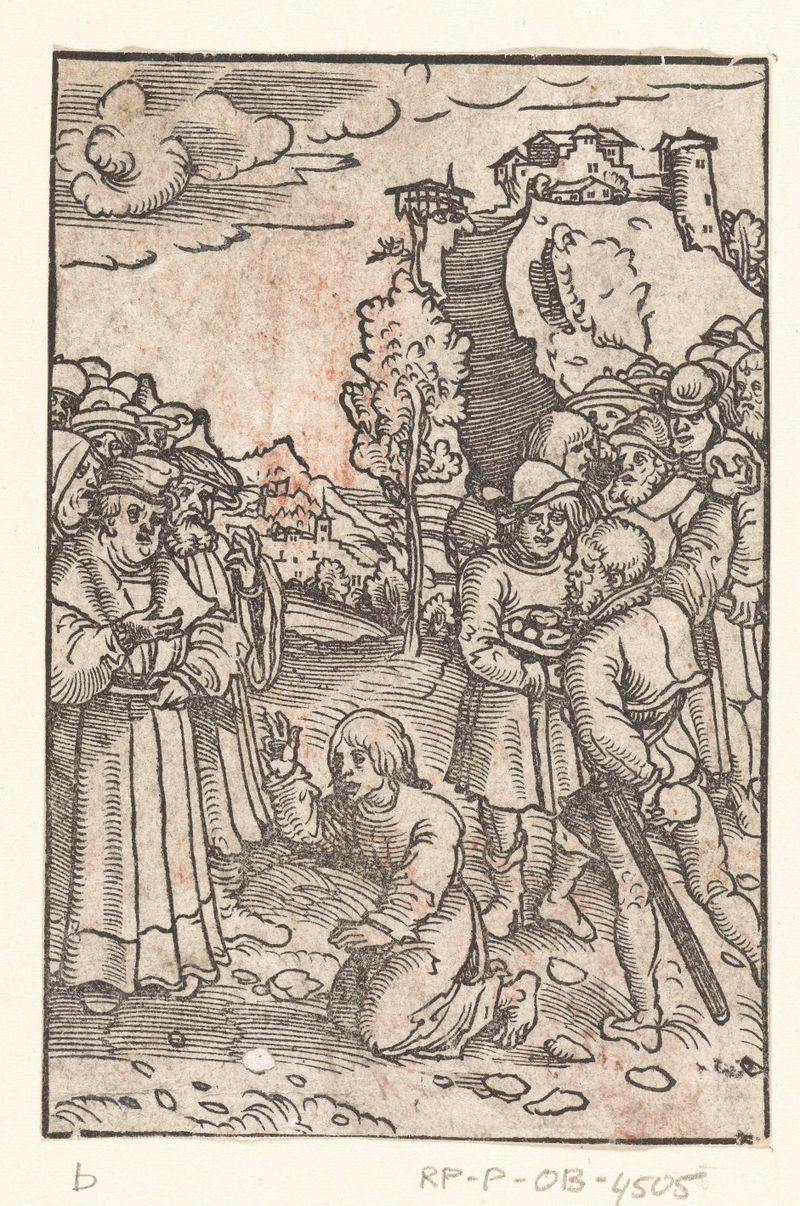
Steniging van Stefanus
Lucas Cranach (I)
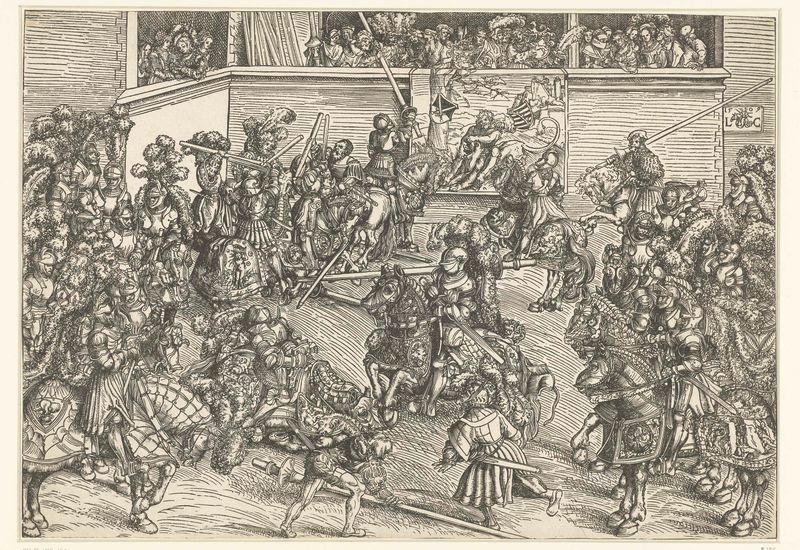
Toernooi van het keurvorstelijk hof van Saksen met wandtapijt Simson doodt de leeuw
Lucas Cranach (I)
More Portrait Art
Browse all →
Las meninas
Diego Velázquez

Self-portrait with a Bandaged Ear and Pipe
Unidentified artist

Girl with a Pearl Earring
Johannes Vermeer

The Sampling Officials of the Amsterdam Drapers’ Guild, Known as ‘The Syndics’
Rembrandt van Rijn

The Hundred Guilder Print: the man seen on the back in the lower left corner
Rembrandt van Rijn

Portrait of Dr Gachet
Vincent van Gogh