
Paus ontvangt aflaatgeld — History & Facts
Can paint confess what words never could? In the quiet confines of a chapel, a man stands, poised on the edge of faith and despair, his solitude echoing throughout the canvas. The air is thick with unspoken prayers, as the weight of absolution lies in the hands of a figure shrouded in authority, promising redemption with unyielding sternness. Look to the center, where the heavy drapery envelops the papal figure, his gaze penetrating yet detached. Notice how the cold light highlights the contours of the supplicant's face, betraying a swirl of emotions—anxious anticipation intertwined with a profound sense of isolation.
The muted palette of earthy tones complements the somber atmosphere, while the vibrant reds of the clergy's vestments draw our eyes, contrasting the bleakness of the man's plight. The painting encapsulates the tension between hope and despair, as the supplicant seeks salvation yet remains painfully aware of his own unworthiness. The juxtaposition of the refined authority of the cleric against the raw vulnerability of the man serves as a reflection of the broader human experience — the dichotomy of seeking connection in a world that often feels devoid of compassion. Each detail, from the delicate folds of fabric to the subdued expressions, speaks volumes of the loneliness that permeates their exchange. In the early 1520s, Lucas Cranach (I) created Paus ontvangt aflaatgeld in Wittenberg, during a period marked by the growing tensions of the Reformation.
As Luther’s ideas began to challenge papal authority, Cranach found himself at the intersection of traditional Catholic values and the burgeoning Protestant ethos. This artwork not only reflects the personal struggles of spiritual redemption but also embodies the larger societal shifts of an age in turmoil.
More Artworks by Lucas Cranach (I)
Browse all →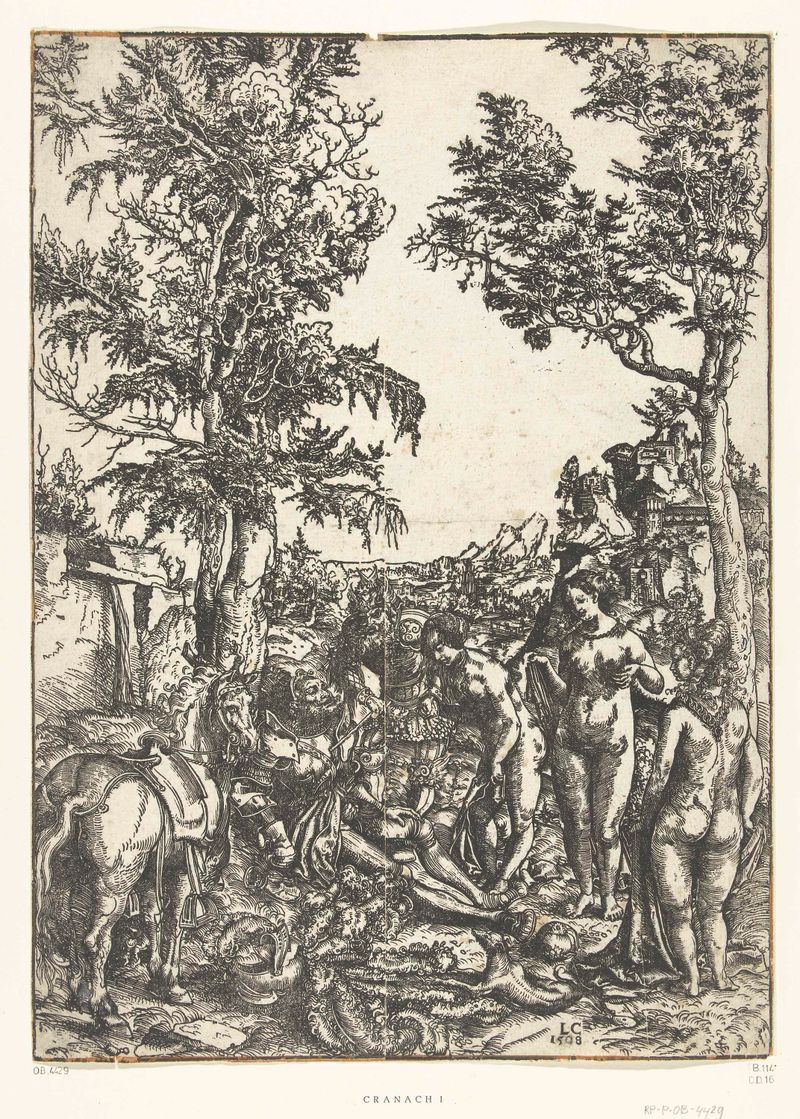
Oordeel van Paris
Lucas Cranach (I)
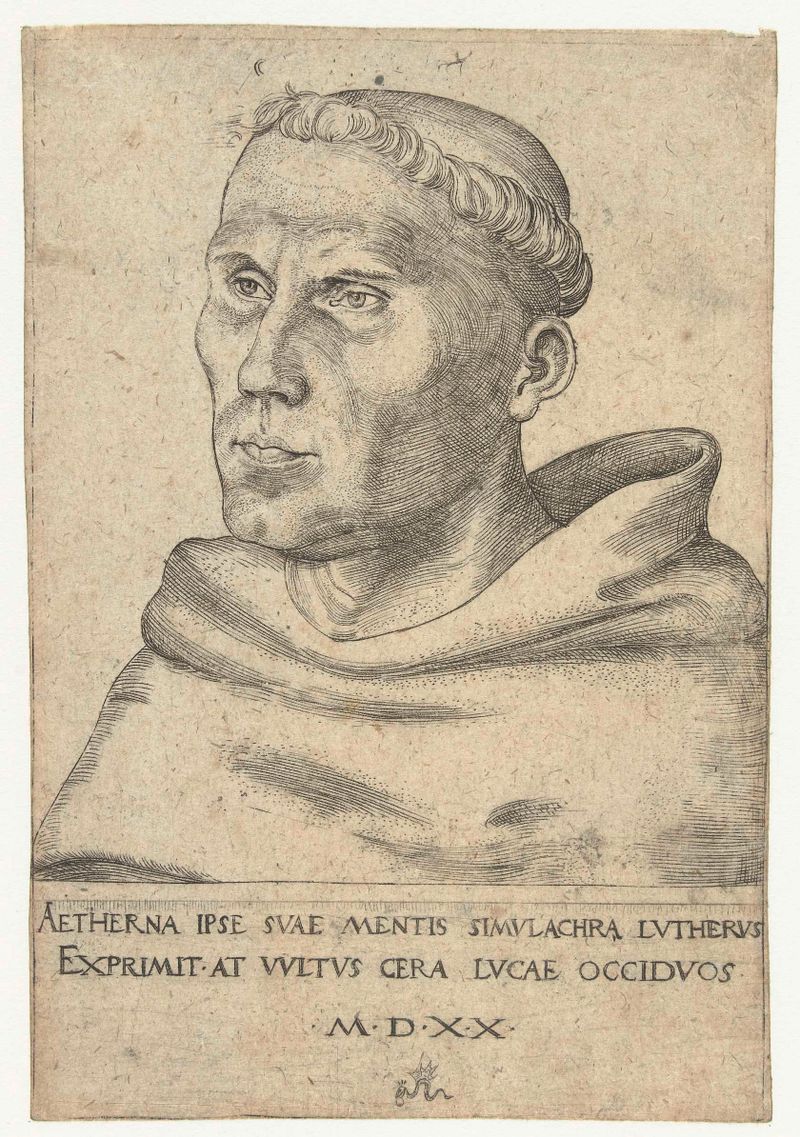
Portret van Martin Luther als Augustijner monnik
Lucas Cranach (I)
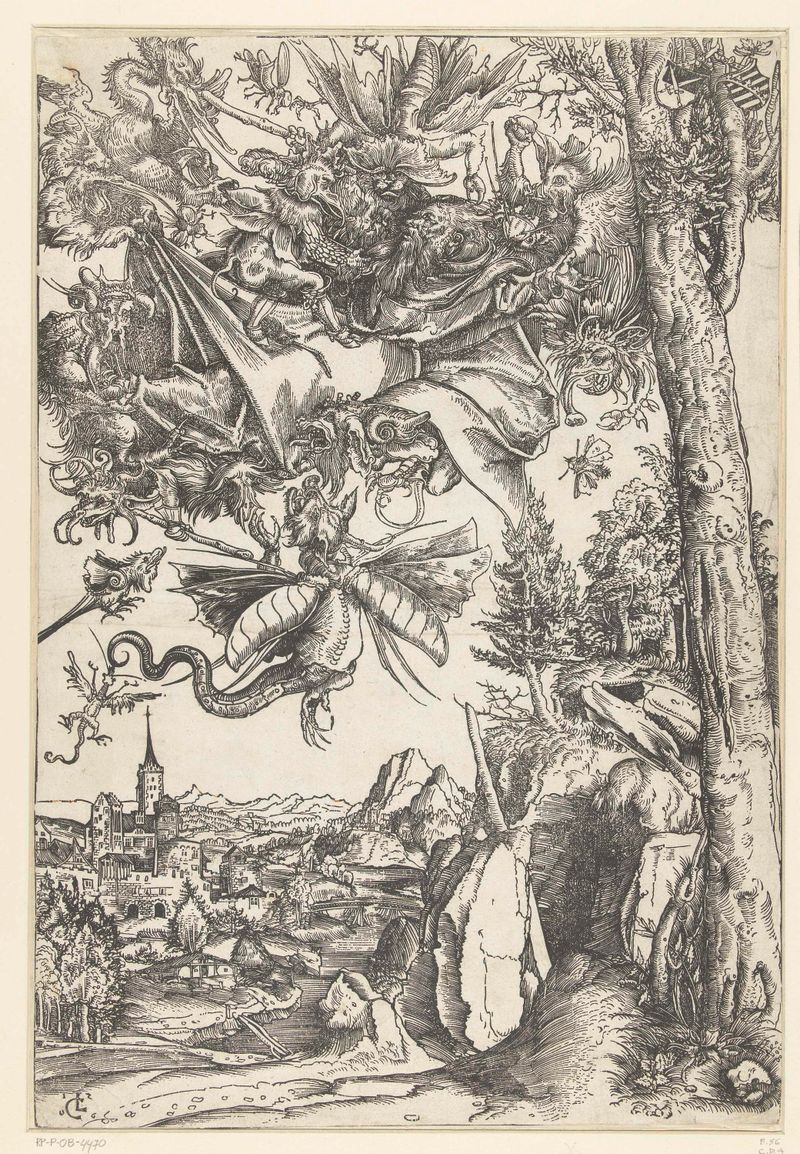
Verzoeking van Antonius met aanval door demonen
Lucas Cranach (I)

Christus en de Samaritaanse vrouw
Lucas Cranach (I)

Duits toernooi met twee edelmannen als ridders te paard
Lucas Cranach (I)
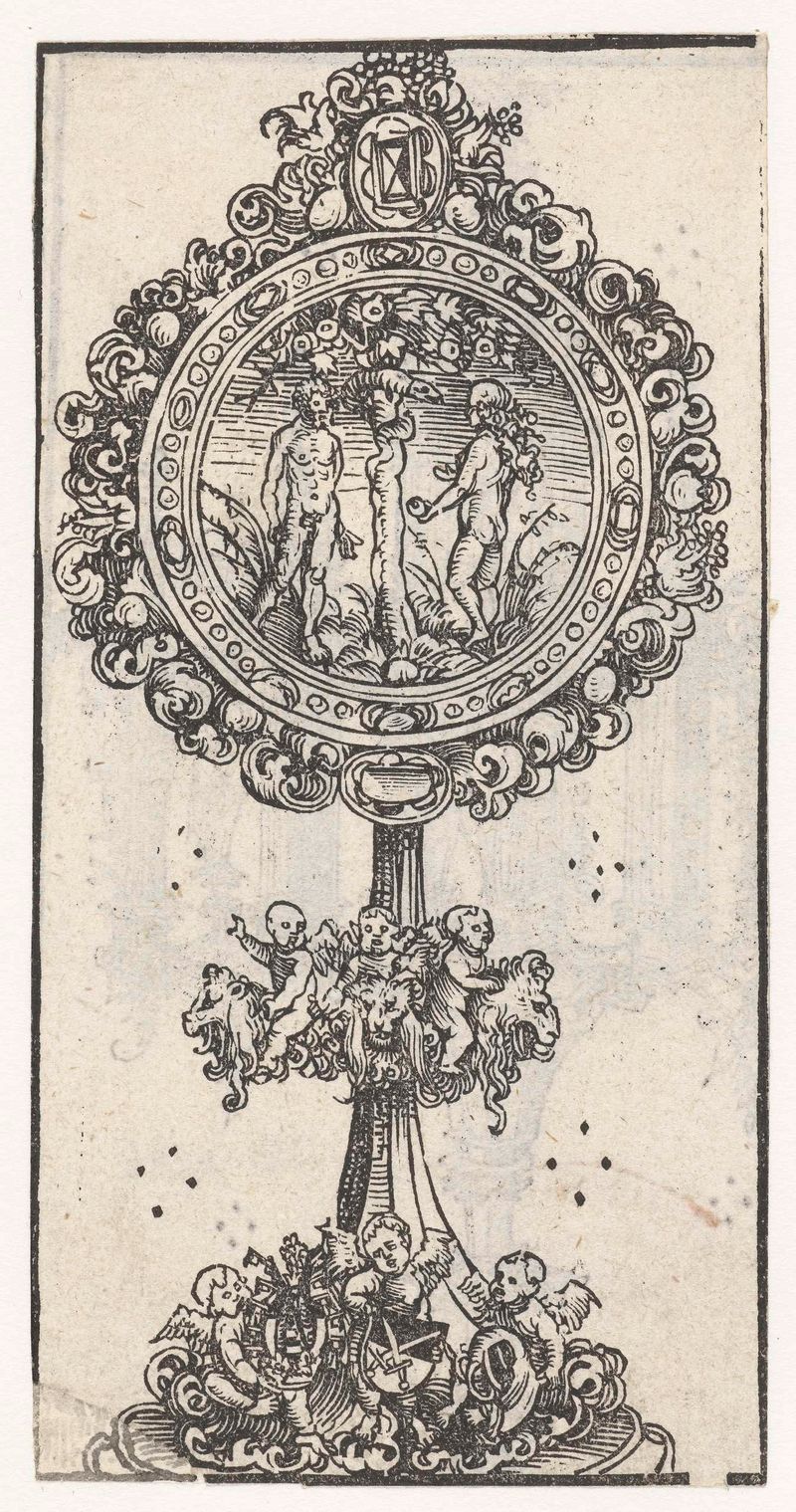
Reliekhouder met de verzoeking van Adam en Eva
Lucas Cranach (I)

Intocht van Christus in Jerusalem
Lucas Cranach (I)
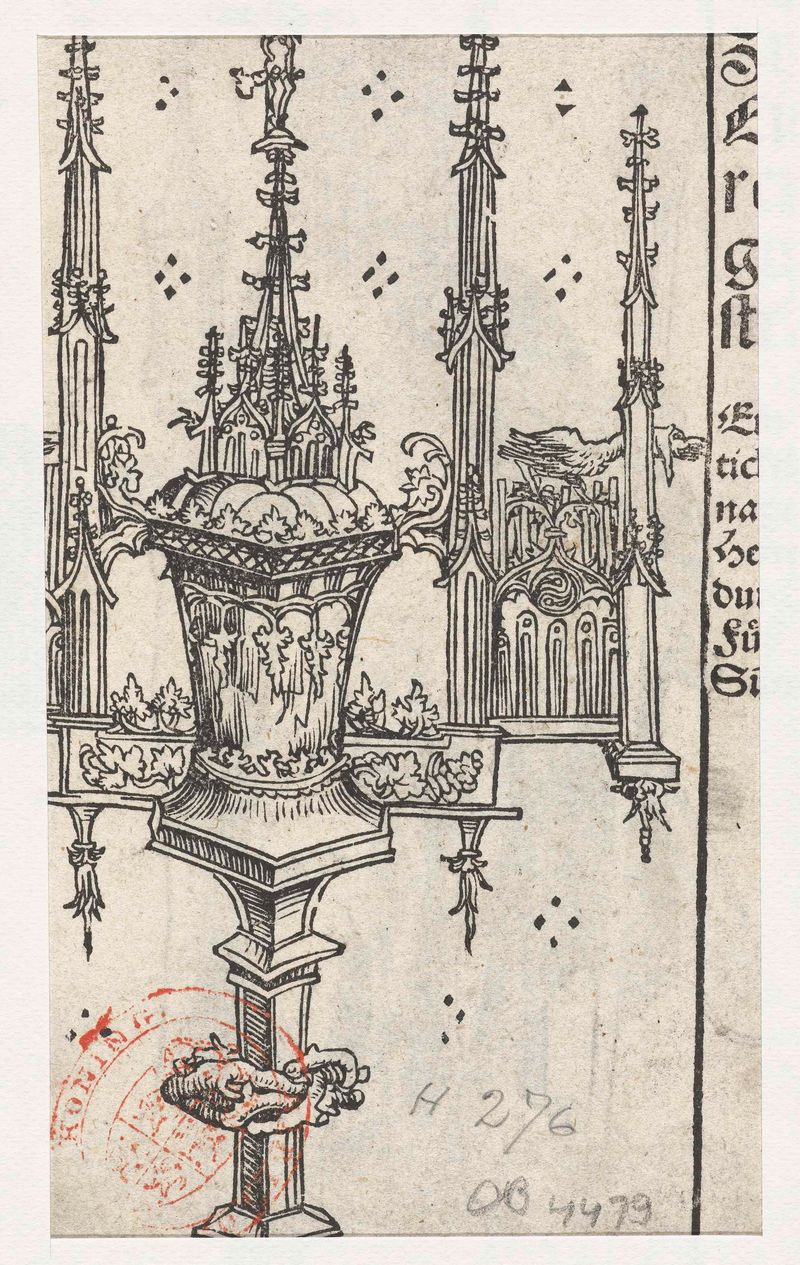
Monstrans met vogel (pelikaan)
Lucas Cranach (I)
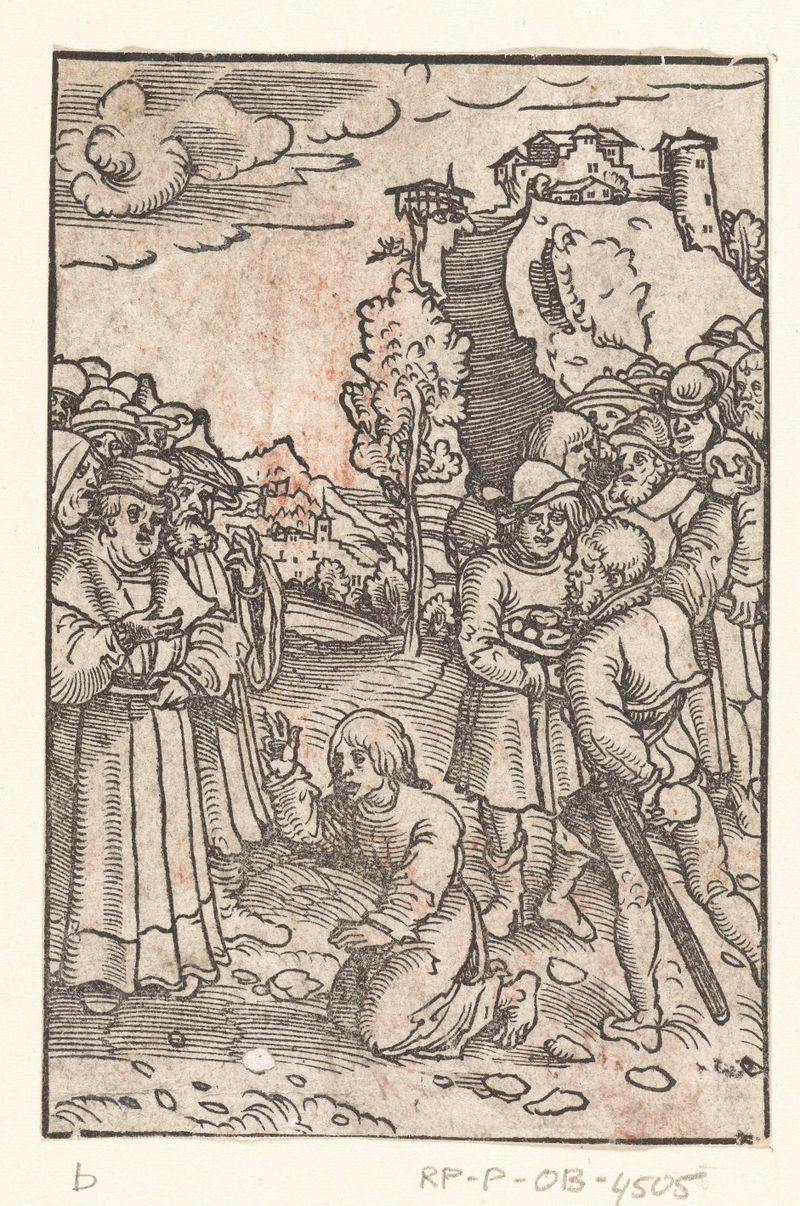
Steniging van Stefanus
Lucas Cranach (I)
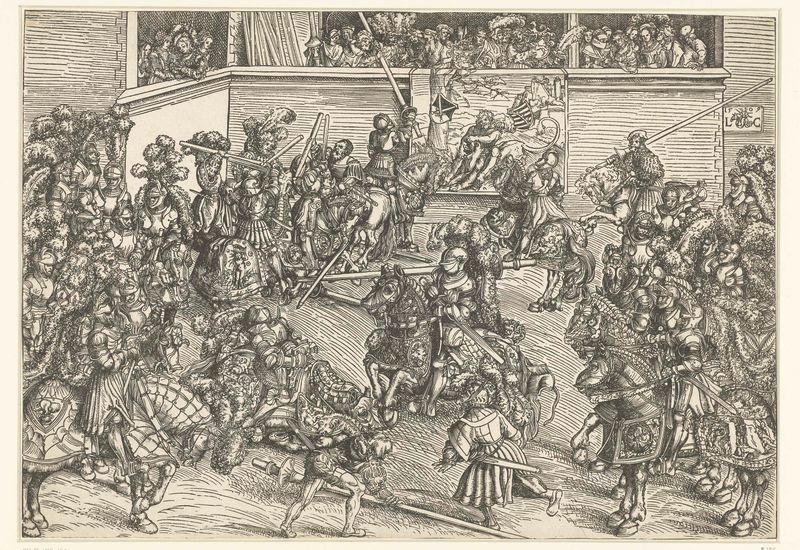
Toernooi van het keurvorstelijk hof van Saksen met wandtapijt Simson doodt de leeuw
Lucas Cranach (I)
More Religious Art
Browse all →
The Return of the Prodigal Son
Rembrandt van Rijn

The Garden of Earthly Delights
El Bosco

Count Orgaz’ funeral
El Greco

The Hundred Guilder Print: the central piece with Christ preaching, the plate arched
Rembrandt van Rijn

The Descent from the Cross
Rogier van der Weyden

The return of the prodigal son
Rembrandt van Rijn