
Paus zegent monniken en nonnen — History & Facts
Is this a mirror — or a memory? In Paus zegent monniken en nonnen, Lucas Cranach (I) paints a moment suspended in time, where fragility and faith intertwine under the gaze of the divine. Look to the center, where the figure of the pope, draped in resplendent robes, extends his hand in blessing to the gathered monks and nuns. The rich golds and deep reds of their garments contrast sharply with the cool, serene tones of the background. Notice how the light elegantly illuminates the faces of the recipients; their expressions are a mix of reverence and anticipation, embodying the weight of tradition and the fragility of belief.
The composition, arranged in a triangular formation, draws the eye upward, guiding us to the source of their hope. Beneath the surface, a subtle tension unfolds. While the pope exudes authority, there is an undercurrent of vulnerability in the faces of the clergy—a silent acknowledgment of their dependence on spiritual validation. The delicate interplay between the boldness of the pope’s stance and the soft demeanor of the monks and nuns highlights the fragility of faith itself, suggesting that even the most steadfast beliefs require nurturing and affirmation.
The setting, enriched by intricate detail, serves as a reminder of the continuous dance between power and devotion. Cranach painted this work between 1521 and 1522 during a period marked by religious upheaval in Europe, particularly the Protestant Reformation. Living and working in Wittenberg, he captured the essence of a transforming society, reflecting both the established Catholic hierarchy and the growing discontent that would soon reshape the landscape of faith. At this crossroads, the artist’s skill in depicting human emotion and divine encounter resonated deeply with his contemporaries.
More Artworks by Lucas Cranach (I)
Browse all →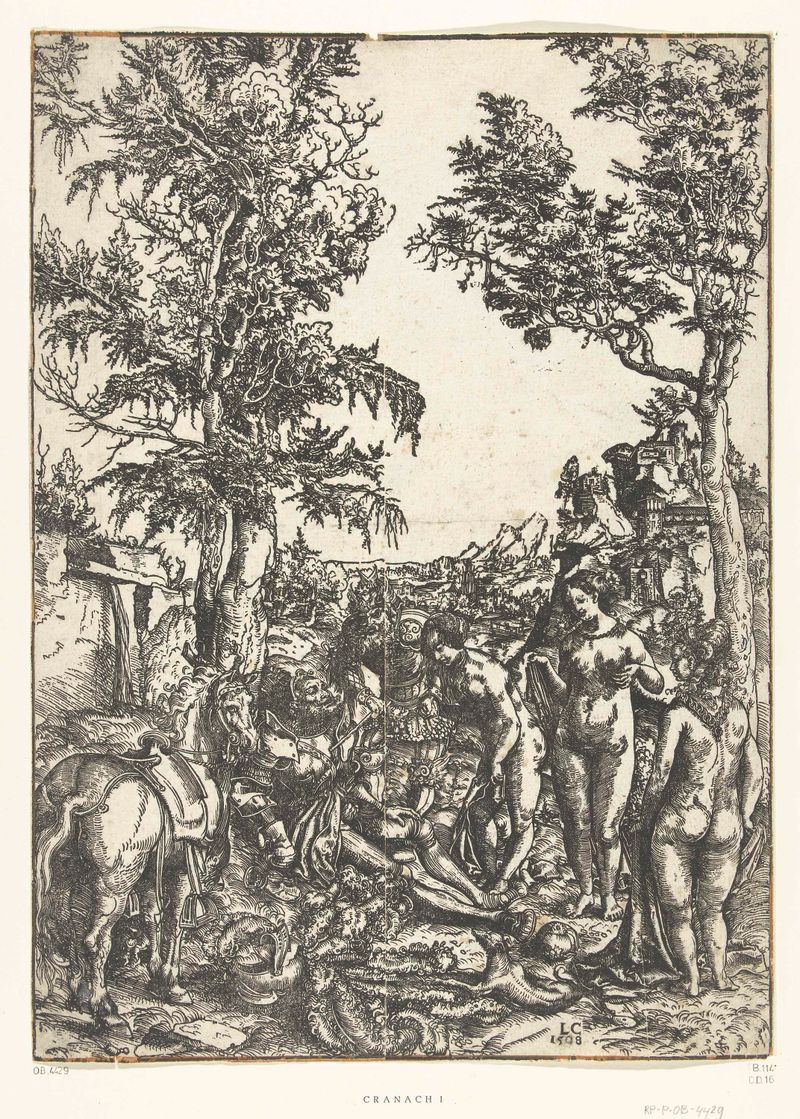
Oordeel van Paris
Lucas Cranach (I)
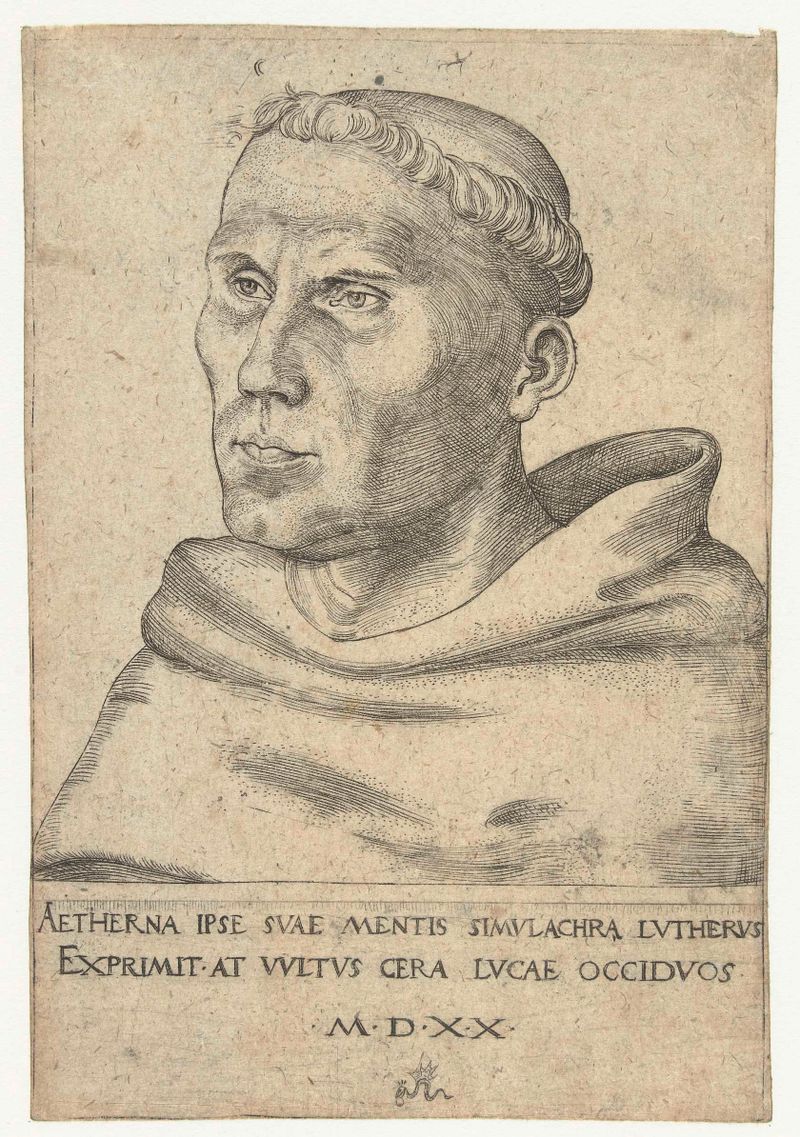
Portret van Martin Luther als Augustijner monnik
Lucas Cranach (I)
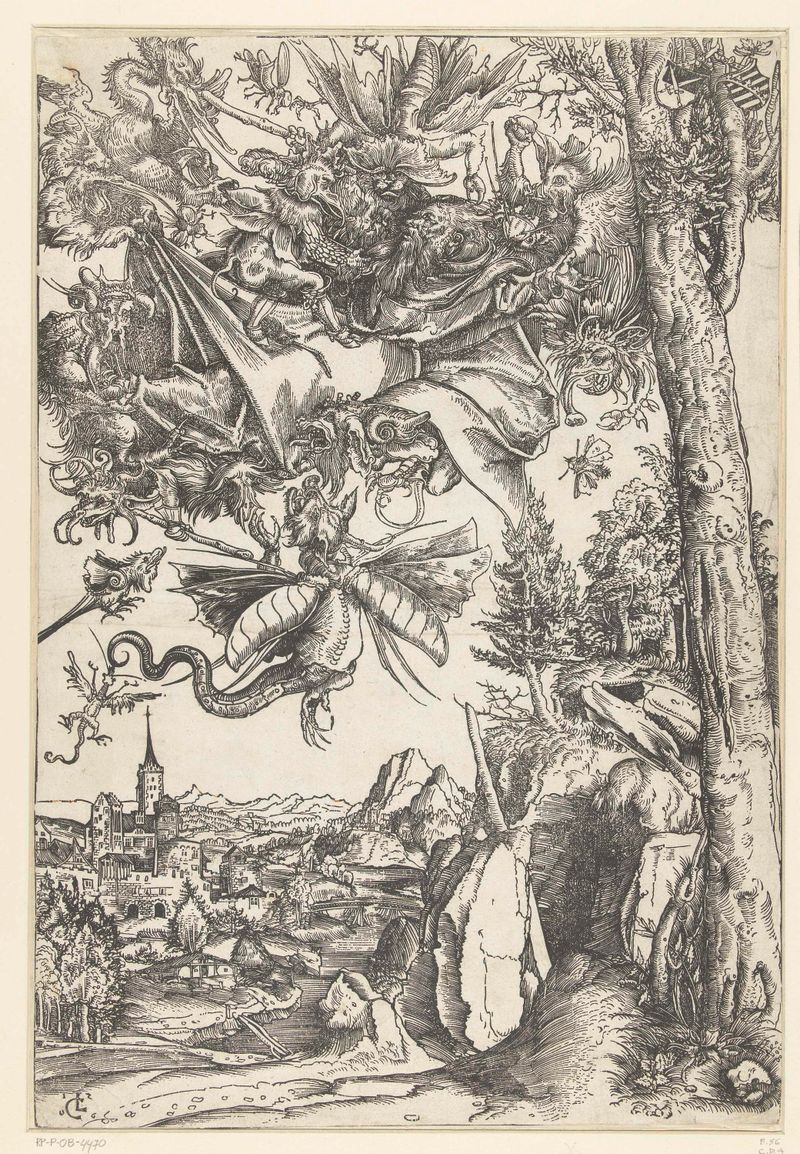
Verzoeking van Antonius met aanval door demonen
Lucas Cranach (I)

Christus en de Samaritaanse vrouw
Lucas Cranach (I)

Duits toernooi met twee edelmannen als ridders te paard
Lucas Cranach (I)
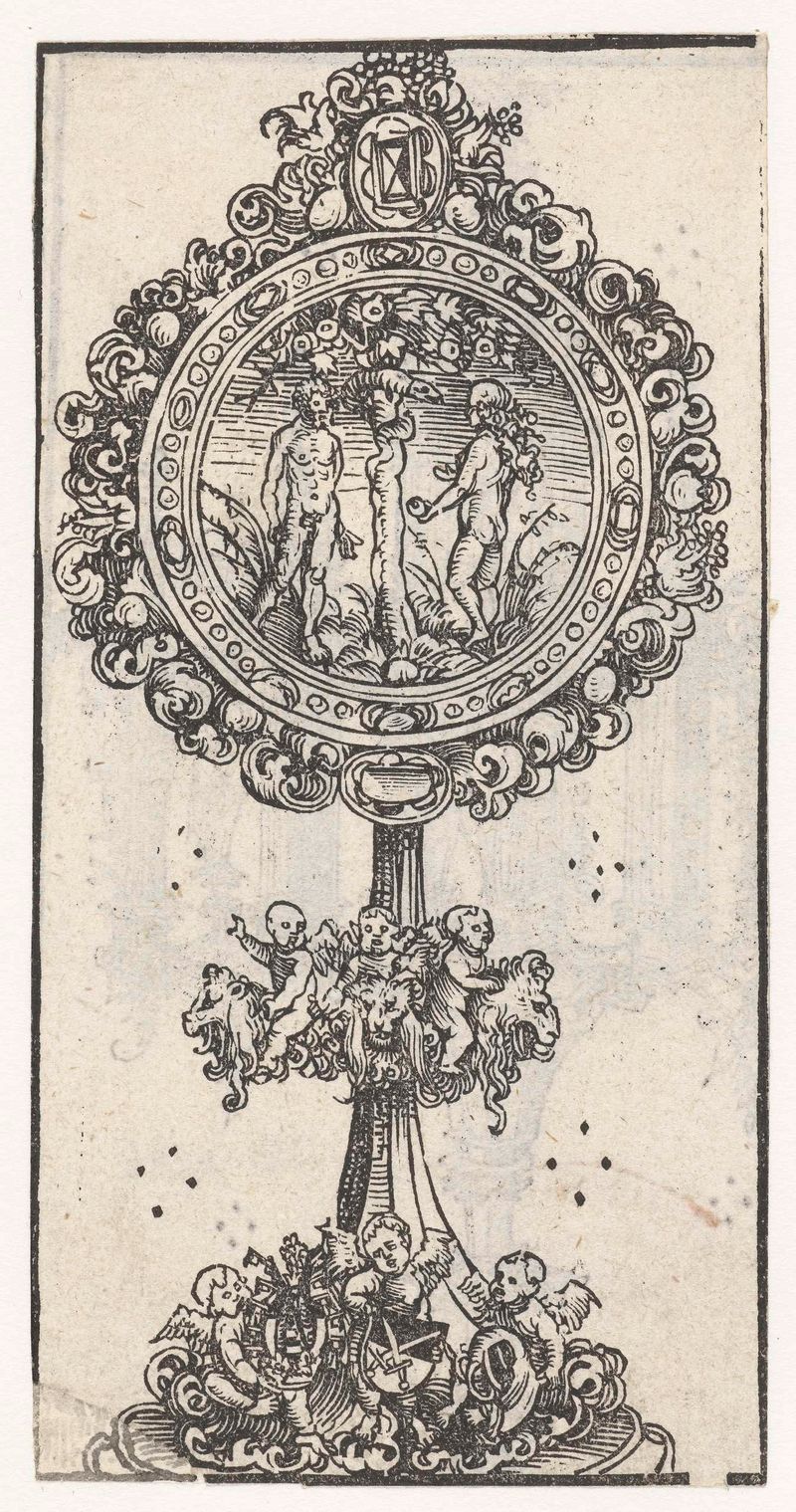
Reliekhouder met de verzoeking van Adam en Eva
Lucas Cranach (I)

Intocht van Christus in Jerusalem
Lucas Cranach (I)
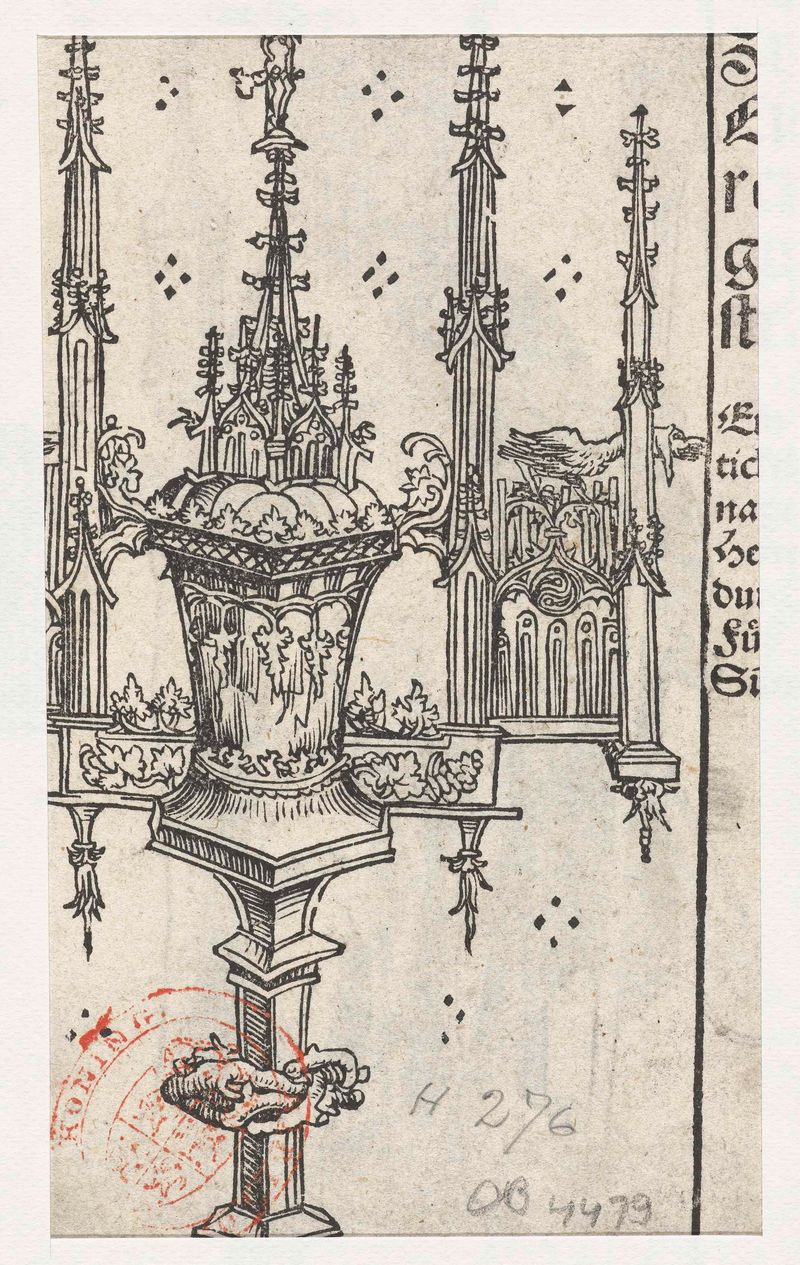
Monstrans met vogel (pelikaan)
Lucas Cranach (I)
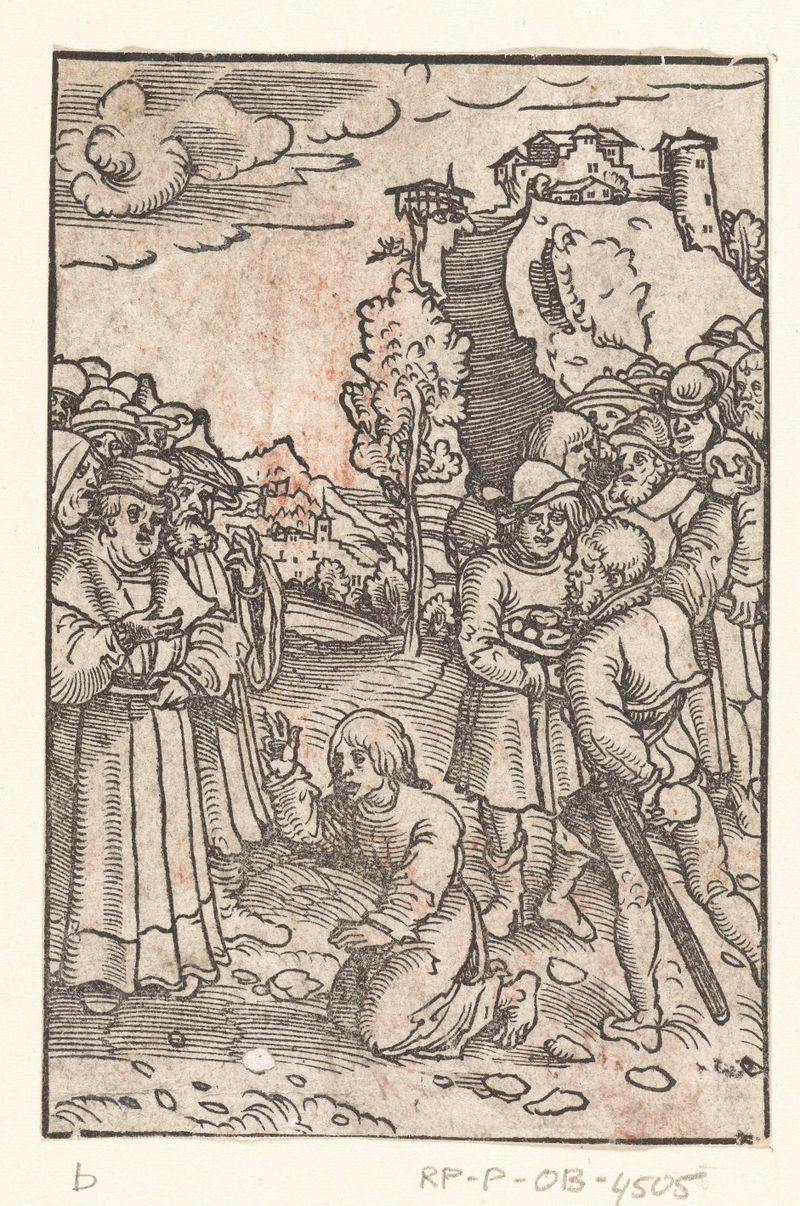
Steniging van Stefanus
Lucas Cranach (I)
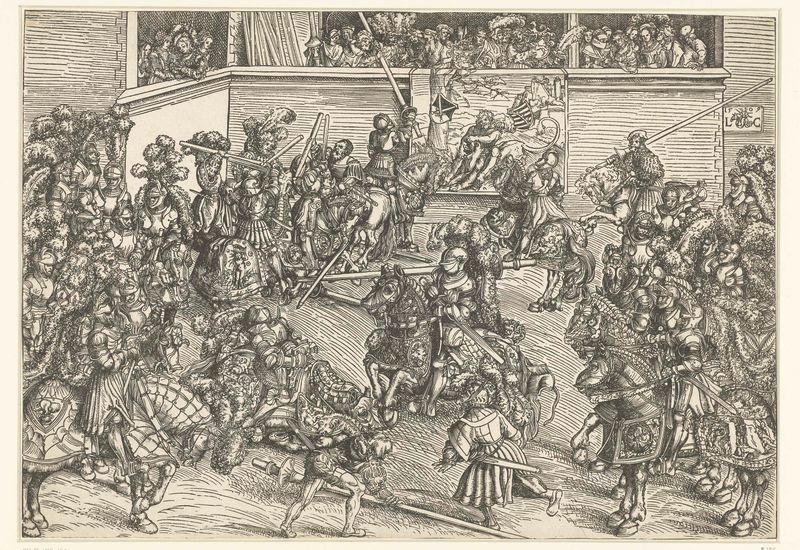
Toernooi van het keurvorstelijk hof van Saksen met wandtapijt Simson doodt de leeuw
Lucas Cranach (I)
More Religious Art
Browse all →
The Return of the Prodigal Son
Rembrandt van Rijn

The Garden of Earthly Delights
El Bosco

Count Orgaz’ funeral
El Greco

The Hundred Guilder Print: the central piece with Christ preaching, the plate arched
Rembrandt van Rijn

The Descent from the Cross
Rogier van der Weyden

The return of the prodigal son
Rembrandt van Rijn