Paysage — History & Analysis
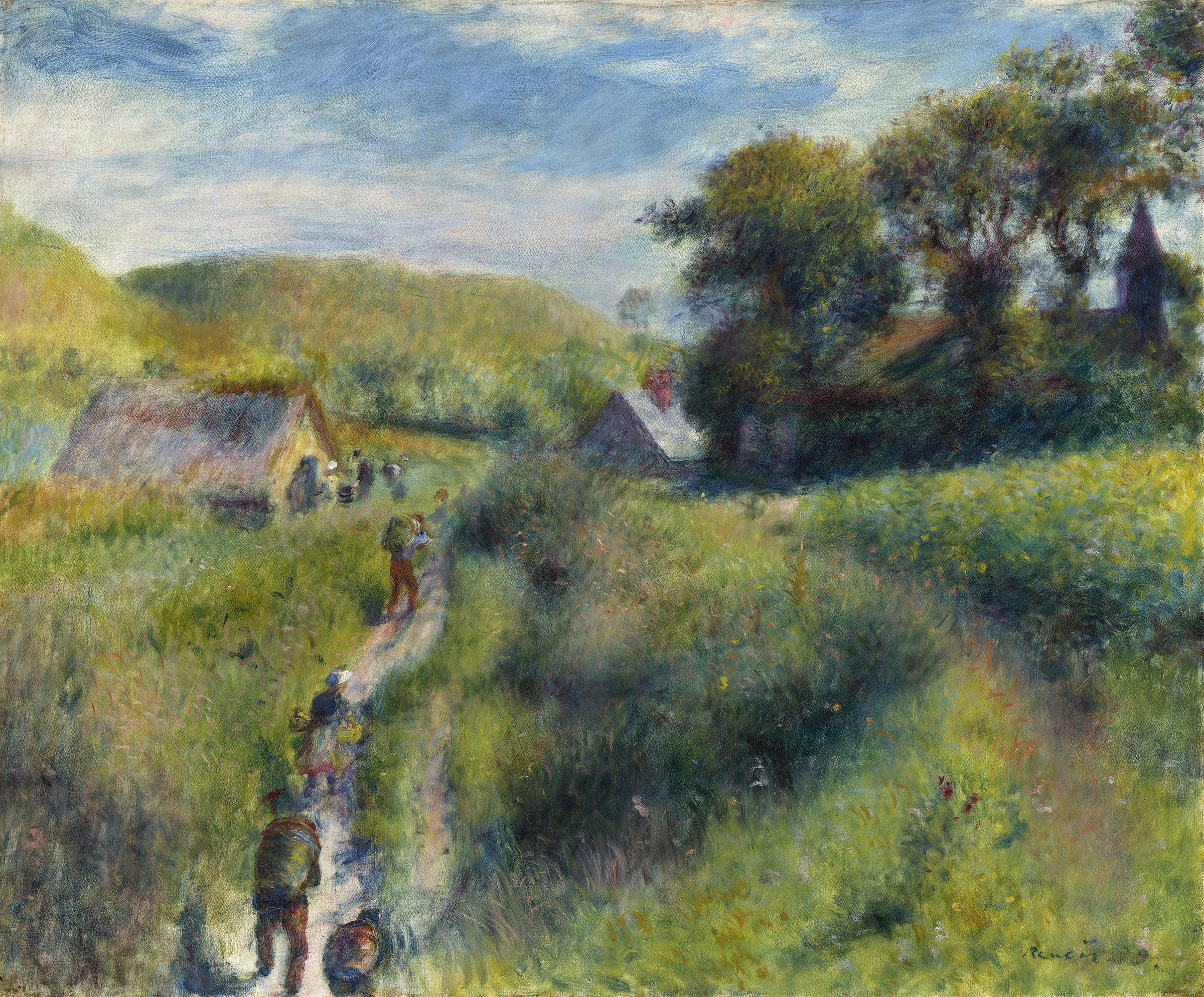
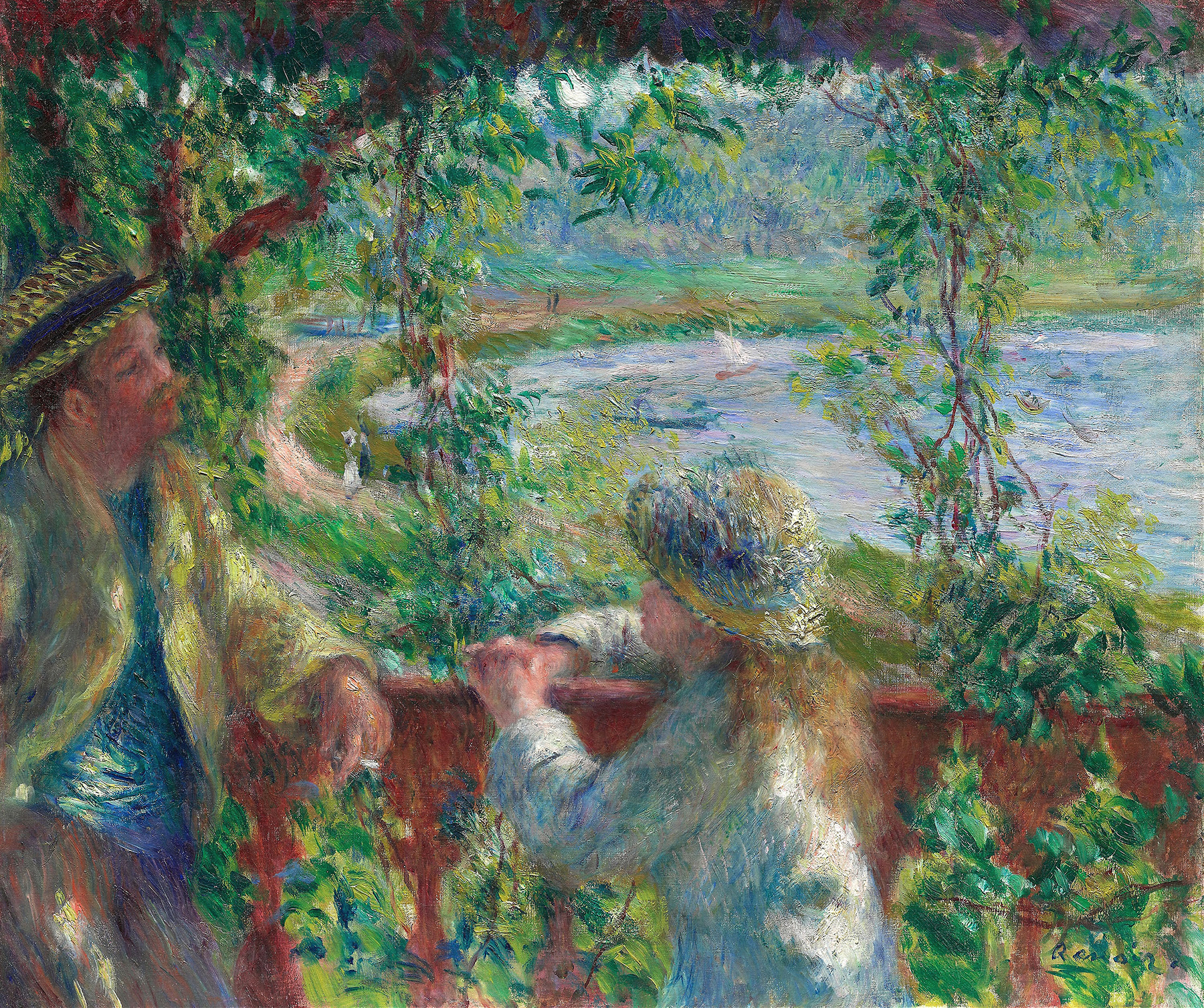
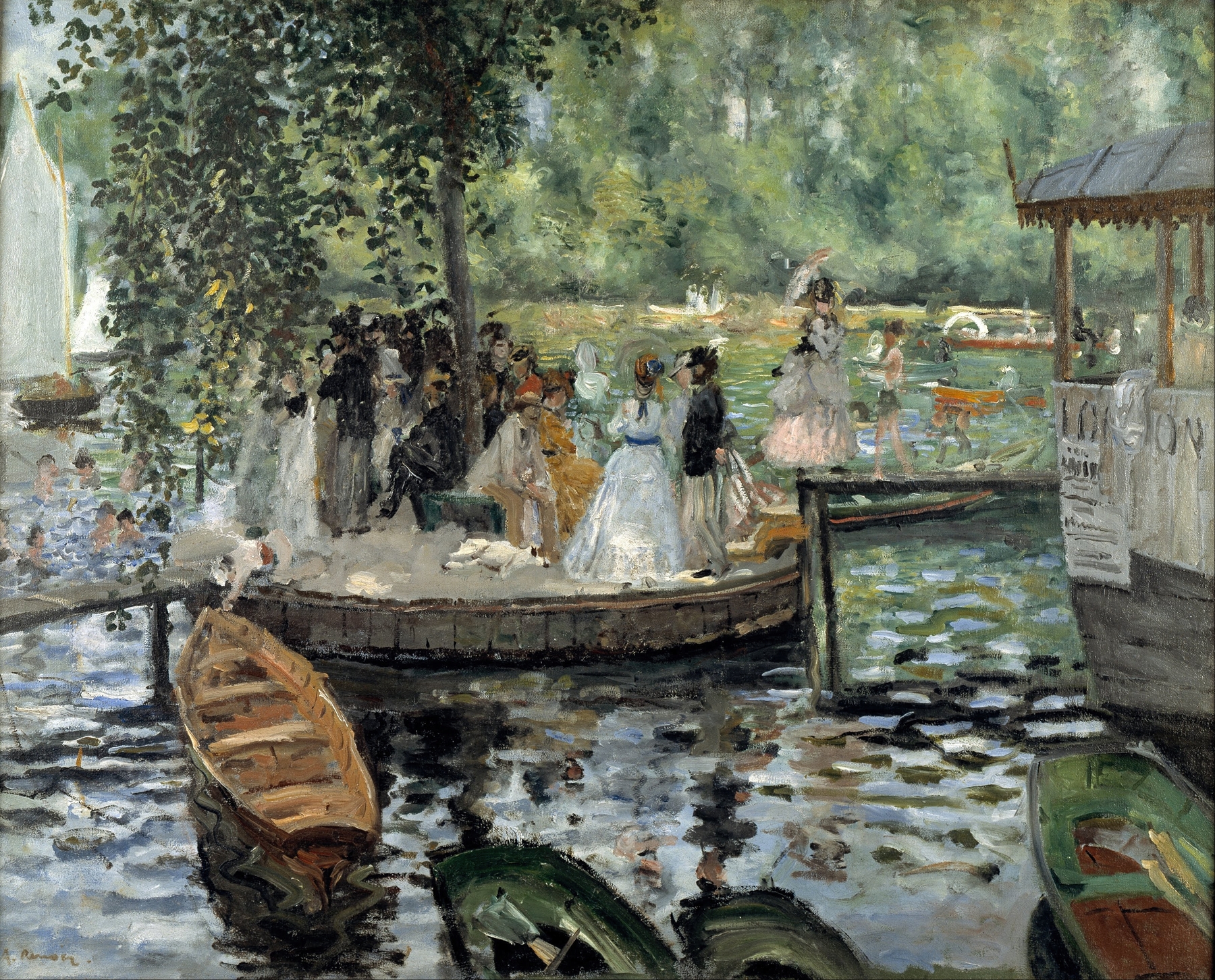
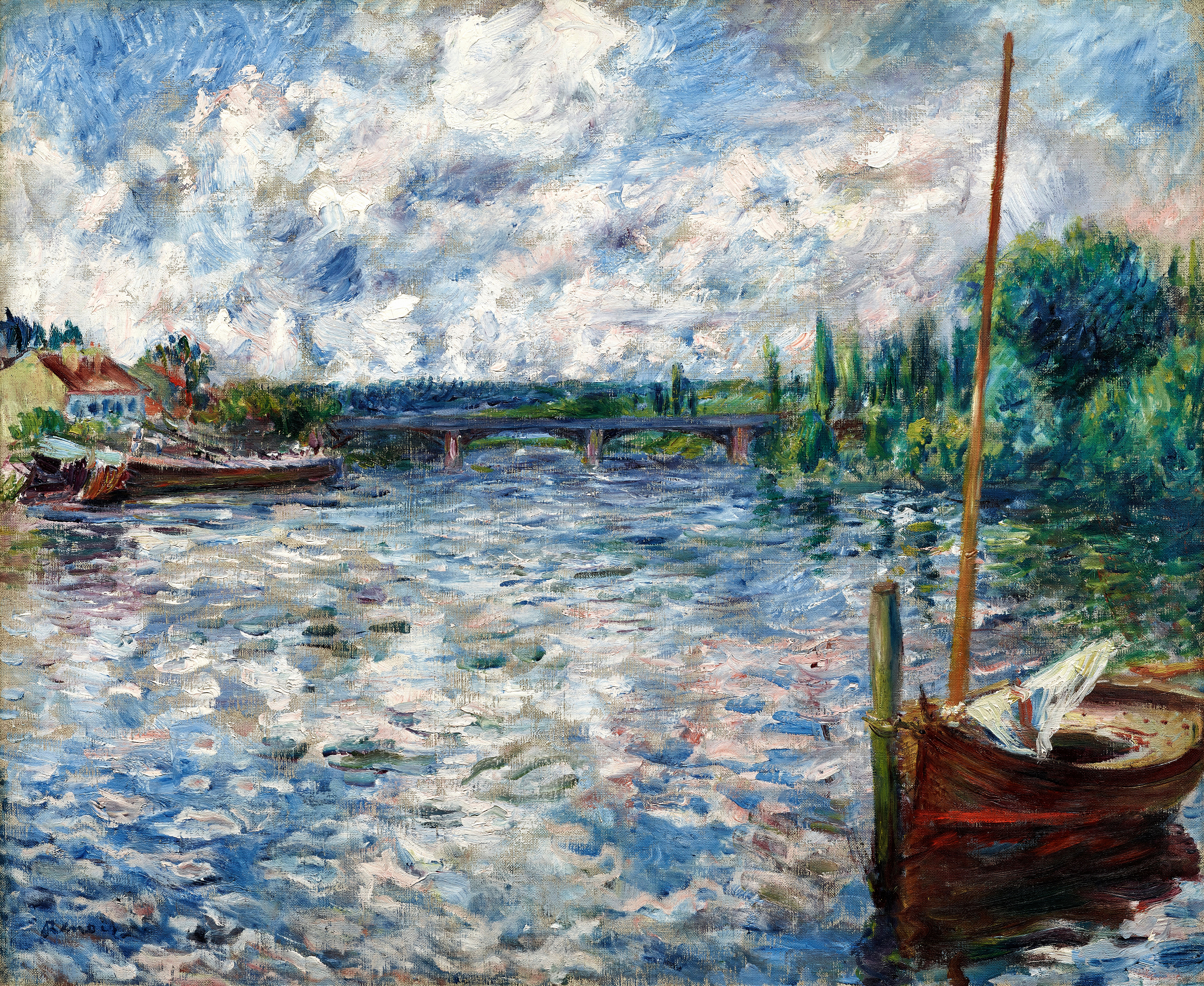
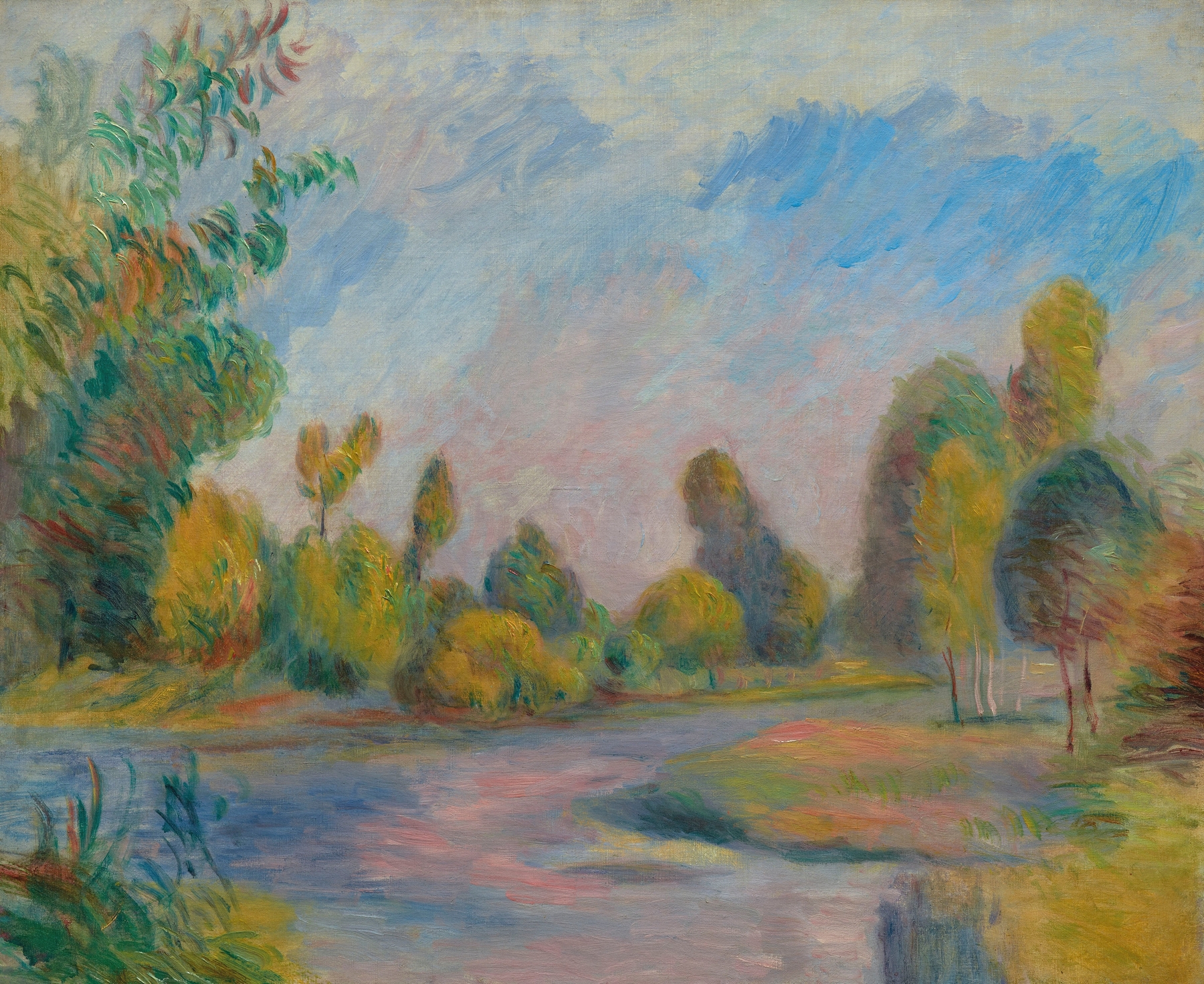
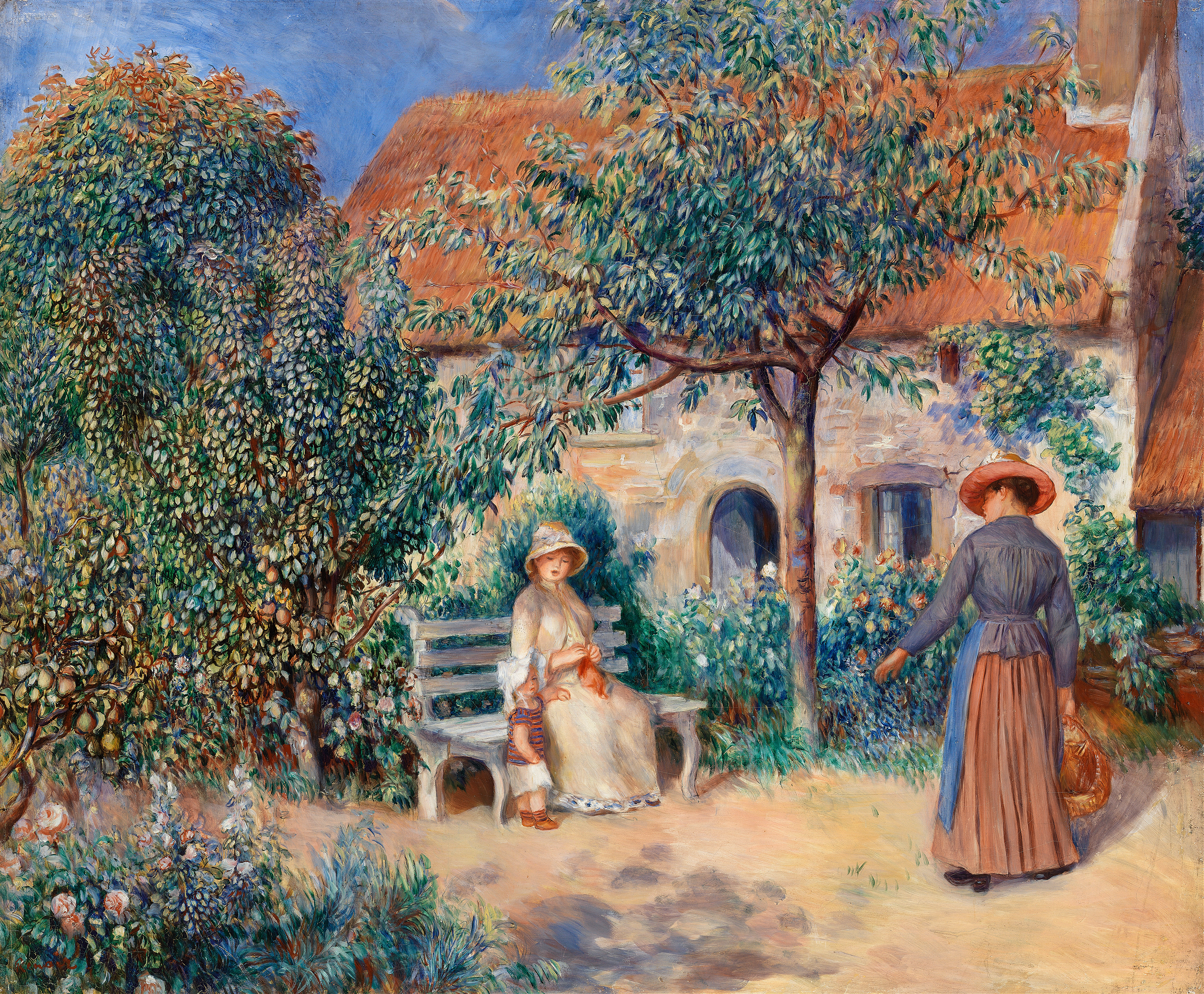
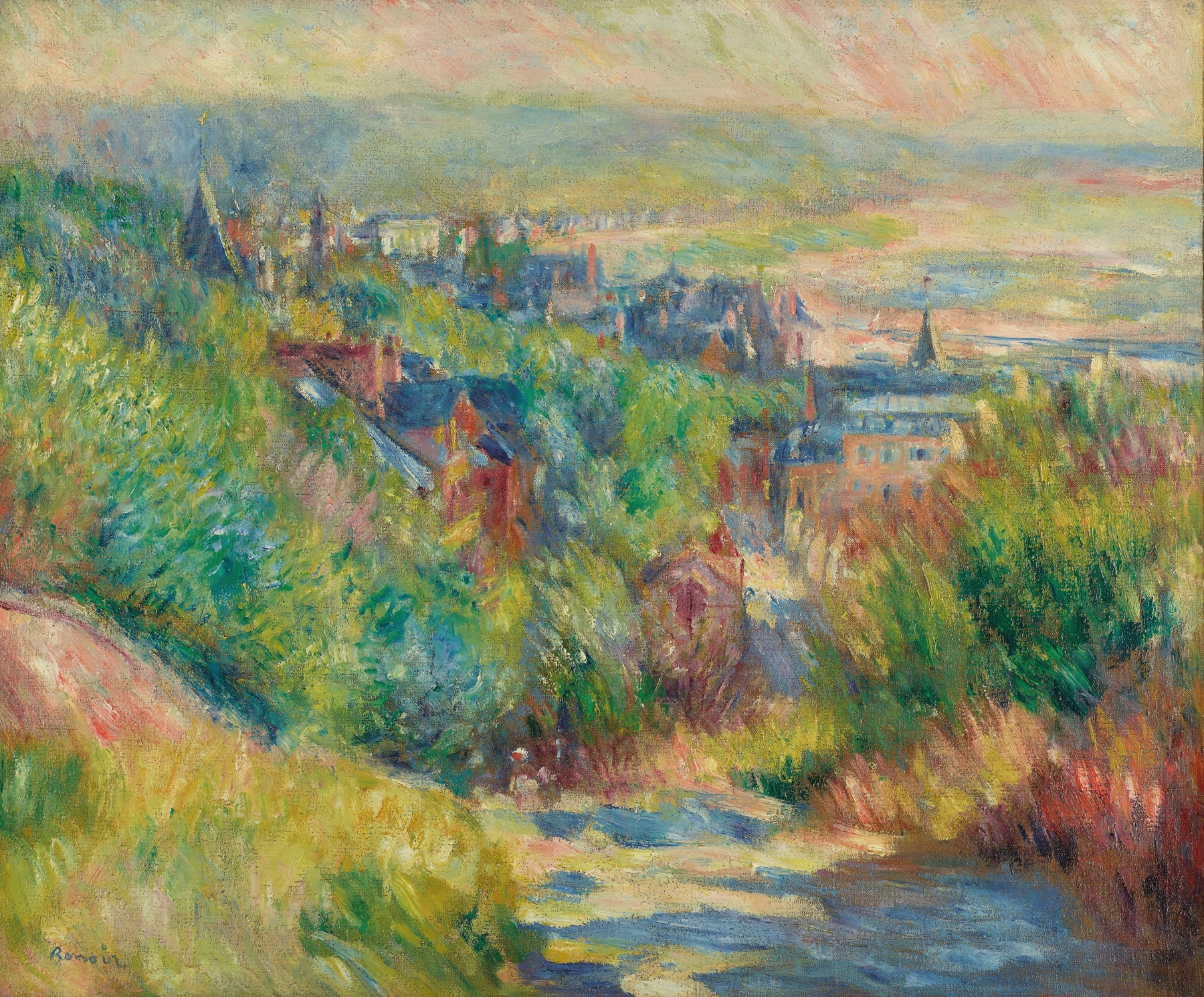
Where does light end, and longing begin? In the gentle curves of nature, the answer feels intangible yet profoundly intimate. Look closely at the vibrant greens and soft blues that swirl throughout the canvas. The dappled sunlight filters through the trees, inviting your gaze to travel over the undulating landscape. Notice how the brushstrokes pulse with life, each stroke a heartbeat, each color a memory beckoning from the past.
The way the light dances upon the foliage creates a sense of movement, as if the scene itself breathes, holding a whispered promise of the passage of time. Yet, amidst this idyllic portrayal, tension quietly simmers. The scattered light illuminates areas of warmth and joy while leaving others in the cool shadows of uncertainty. The juxtaposition of the vivid palette against the muted corners suggests a duality of existence—joy intertwined with nostalgia, brightness shadowed by the inevitable march of time.
The landscape becomes a reflection of fleeting moments, captured yet ephemeral, inviting the viewer to ponder the intricate dance between presence and absence. Renoir painted this masterpiece in 1892, during a time when he was deeply exploring the Impressionist style that had made him a pivotal figure in the art world. Working in his studio in Essoyes, he was influenced by the beauty of the French countryside and the collective push towards capturing the immediacy of light and atmosphere. This period marked a significant evolution in his work, where he embraced the merging of pleasure with the examination of time's impermanence, enriching the beauty of his landscapes.