Discover insights about this artwork
Paysage à Cagnes — History & Facts
In Paysage à Cagnes, Pierre-Auguste Renoir captures a vibrant landscape filled with lush greenery and soft, dappled light. The painting features a serene scene, likely set in the south of France, with trees and a gentle sky. The colors are rich and warm, with various shades of green and hints of blue.
The overall atmosphere is tranquil, inviting the viewer to immerse themselves in the beauty of nature. This artwork is an example of Impressionism, characterized by its loose brushwork and emphasis on light. Renoir employs a palette of bright colors, creating a lively depiction of the landscape. The use of oil on canvas allows for a smooth blending of hues, enhancing the painting's vibrancy.
Viewers can appreciate the texture and movement in the brushstrokes, which are hallmarks of Renoir's style. Paysage à Cagnes was created during a period when Renoir was exploring the beauty of outdoor scenes. This painting reflects his love for nature and the landscapes of southern France, where he often painted. An interesting fact about this work is that it showcases Renoir's transition towards a more relaxed style, focusing on the effects of light and color rather than precise details.
It remains a significant piece in understanding Renoir's contribution to the Impressionist movement.
More Artworks by Pierre-Auguste Renoir
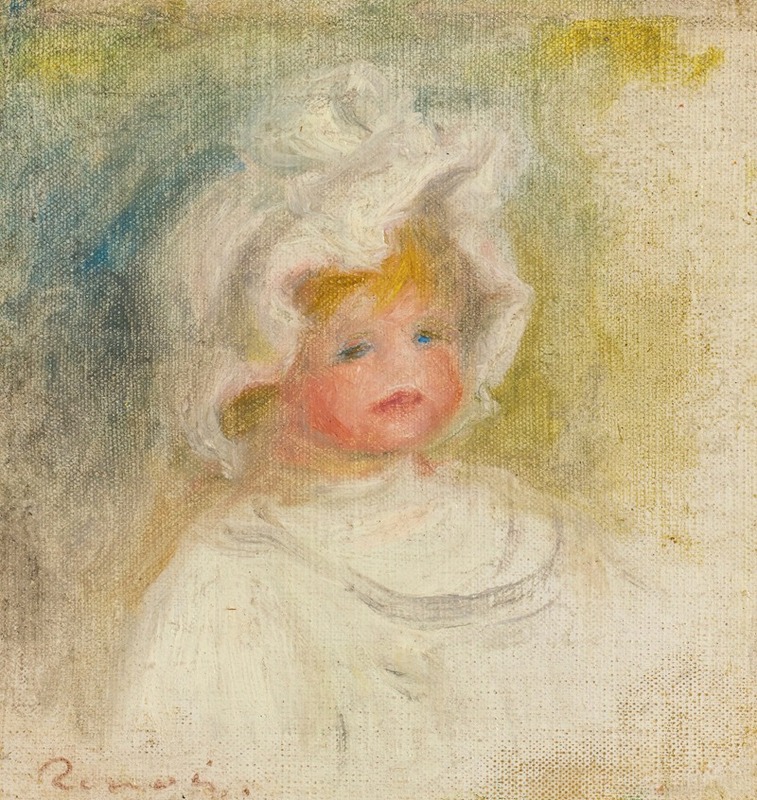
Portrait De Coco Renoir
Pierre-Auguste Renoir
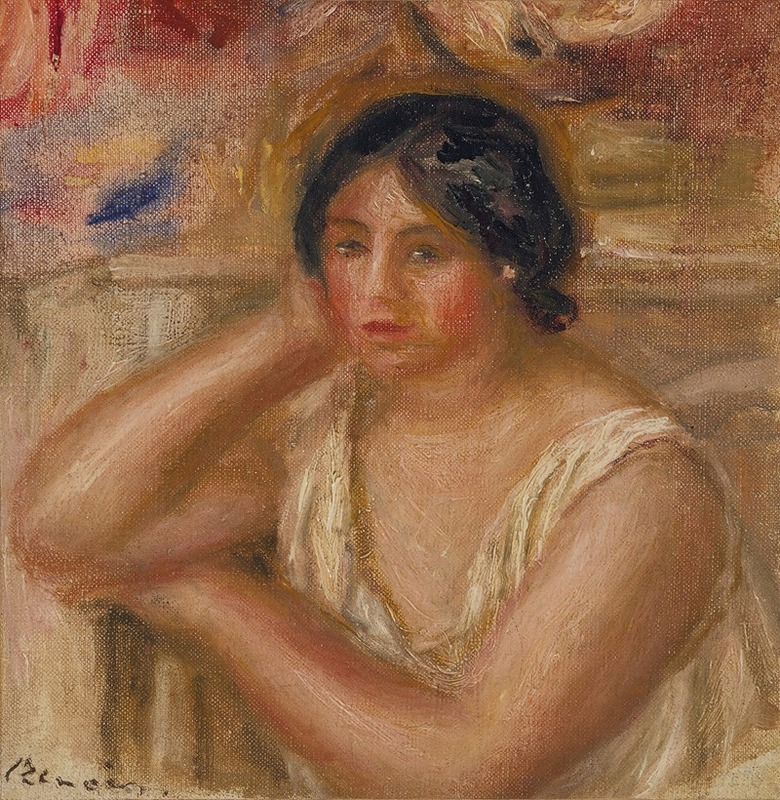
Portrait De Gabrielle
Pierre-Auguste Renoir
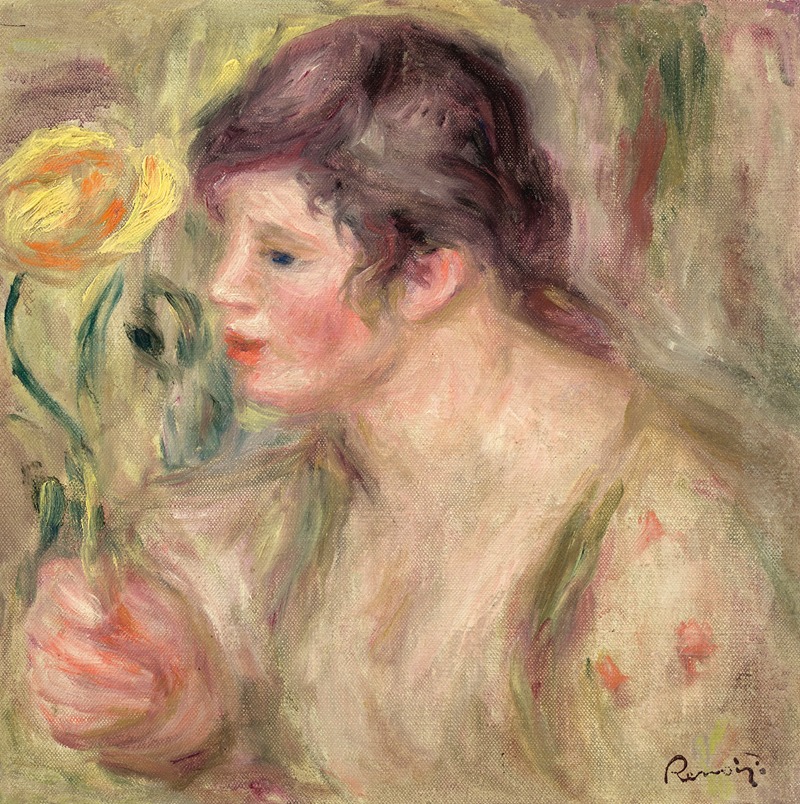
Femme à la rose
Pierre-Auguste Renoir
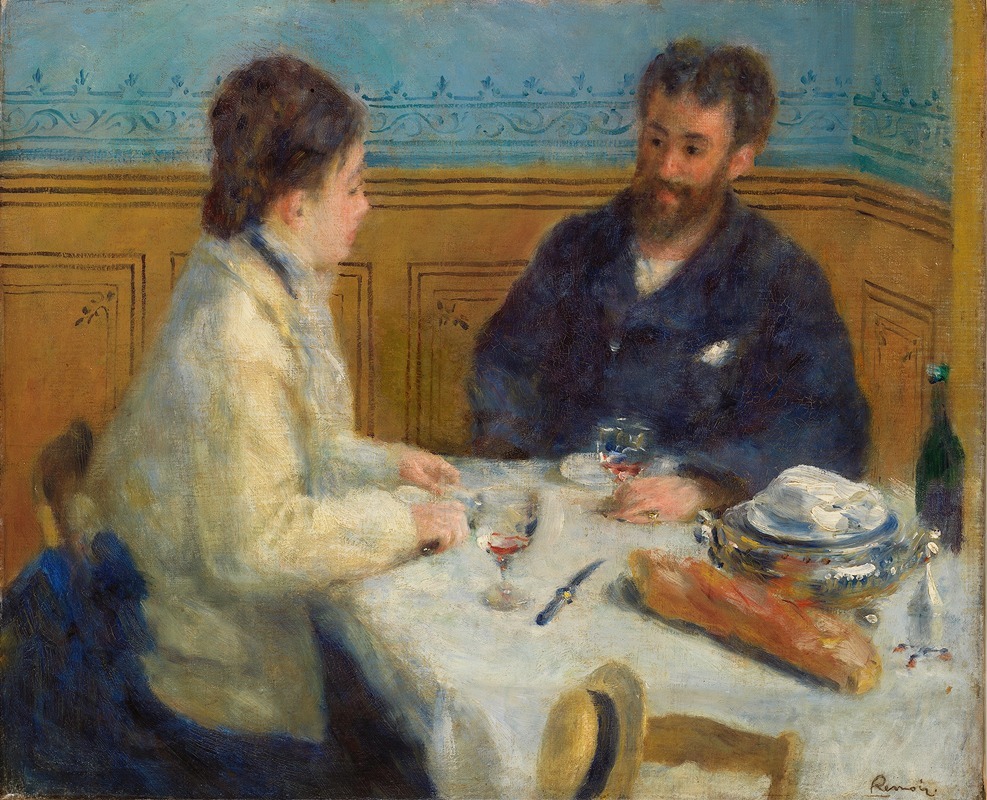
Luncheon (Le Déjeuner)
Pierre-Auguste Renoir
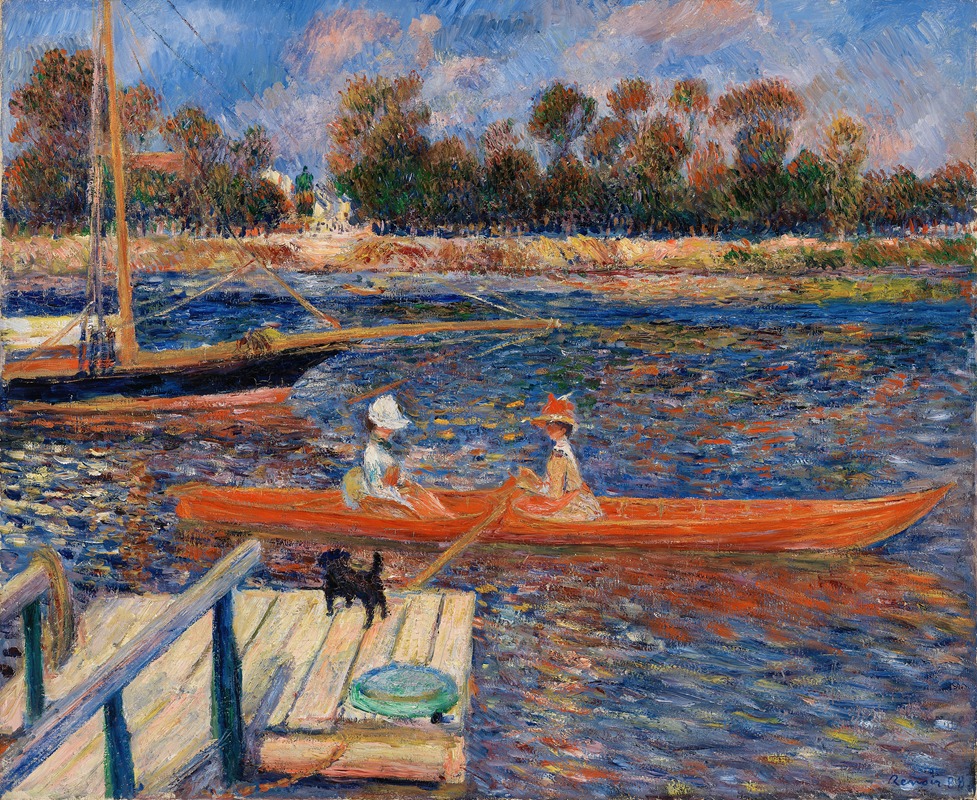
The Seine at Argenteuil (La Seine à Argenteuil)
Pierre-Auguste Renoir
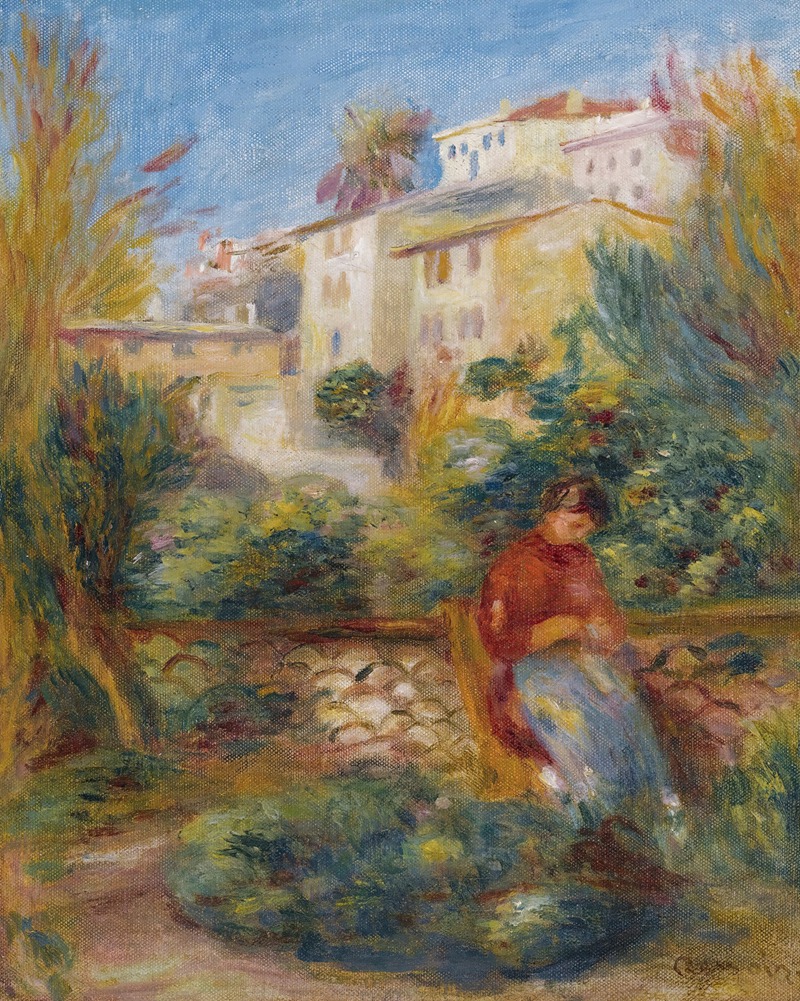
La Terrasse À Cagnes
Pierre-Auguste Renoir
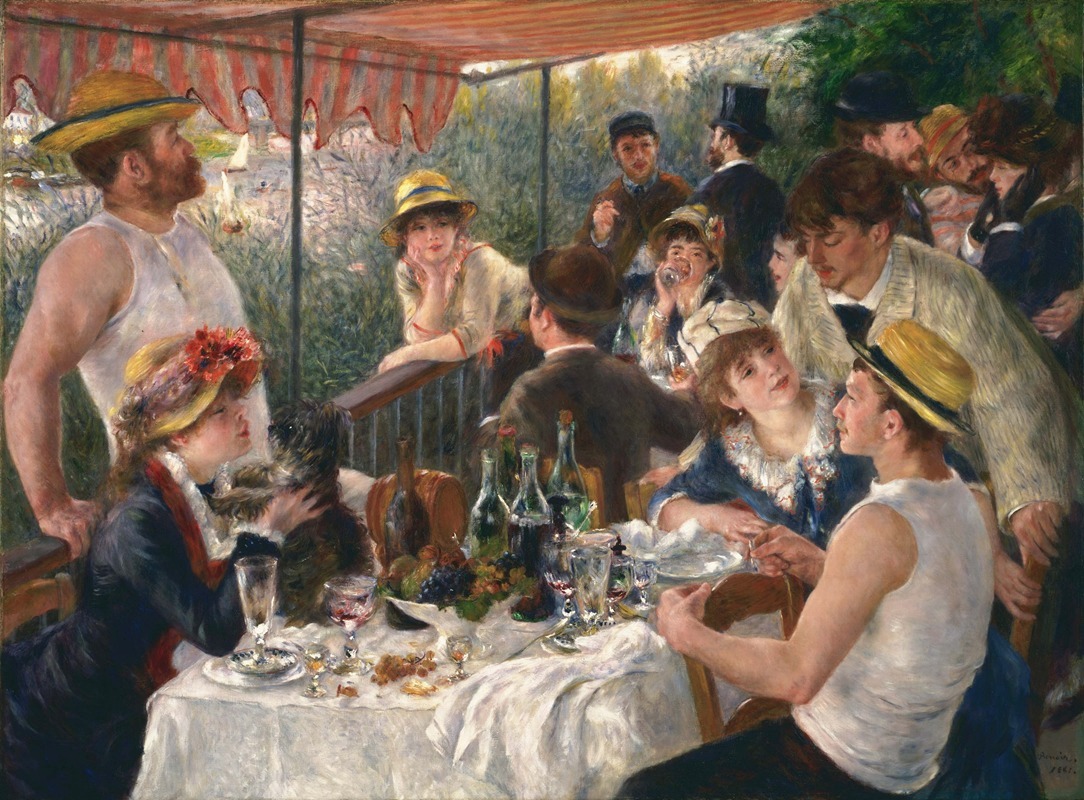
Luncheon of the Boating Party
Pierre-Auguste Renoir
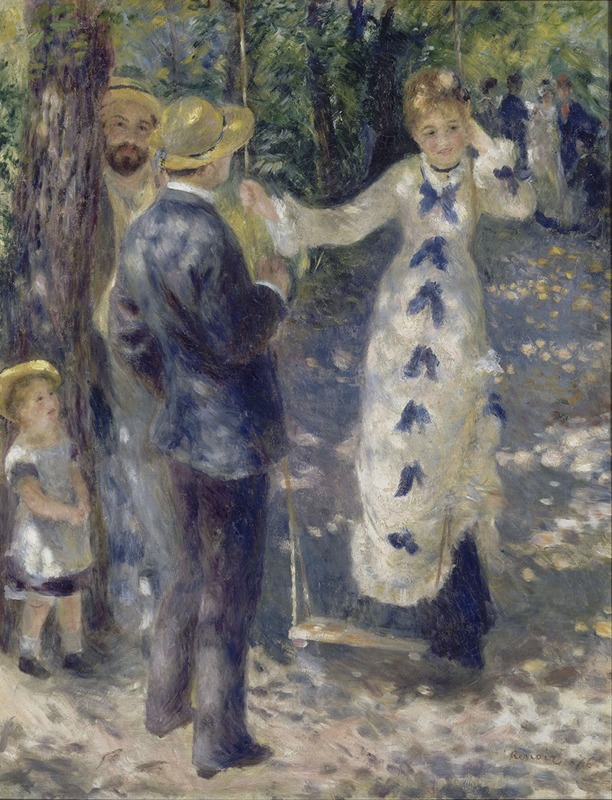
The Swing
Pierre-Auguste Renoir
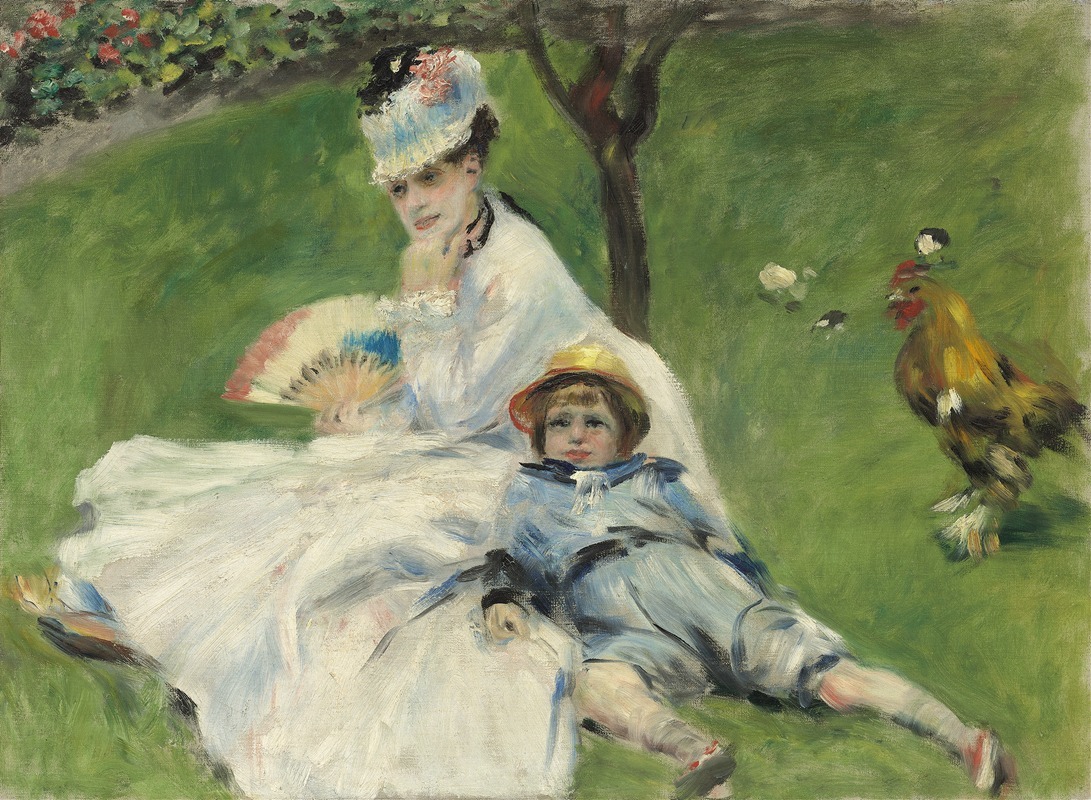
Madame Monet and Her Son
Pierre-Auguste Renoir
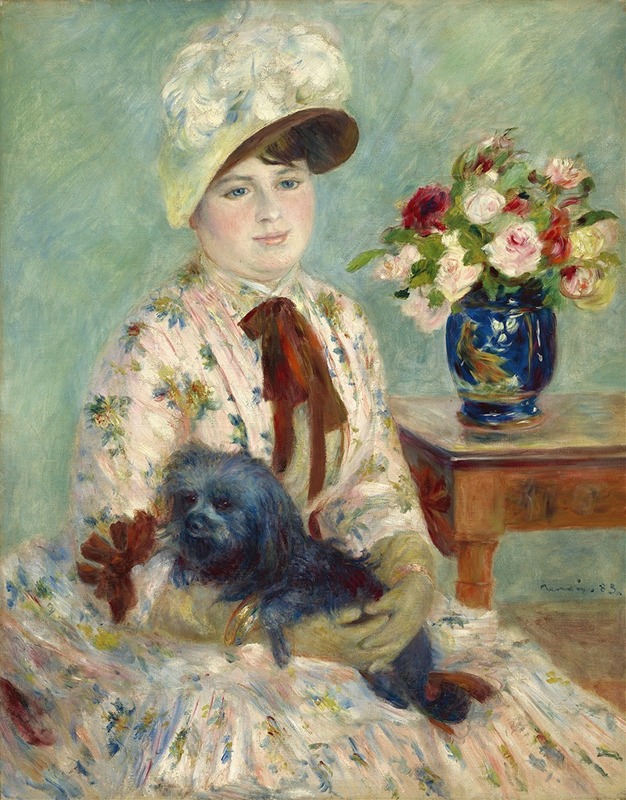
Mlle Charlotte Berthier
Pierre-Auguste Renoir