
Paysage D’auvergne — History & Facts
In the delicate interplay of nature and emotion, landscapes often conceal deeper truths beneath their stunning facades. Look to the left at the towering trees, their gnarled trunks twisting against the vibrant hues of the underbrush. The play of light is masterful, as it dances across the leaves, illuminating the varied greens and earthy browns of the scene. Notice how the horizon line draws the eye, leading toward a distant sky, where wisps of clouds curl lazily, hinting at a softness that belies the rugged surroundings.
Here, the brushwork varies from the precise detailing of the foliage to the more impressionistic strokes of the sky, creating a harmonious balance between realism and the ephemeral. Beneath the surface lies a poignant tension. The seemingly serene setting, with its lush vegetation and peaceful colors, might suggest tranquility, yet there's an underlying sense of isolation and betrayal—a reminder of nature’s indifference to human emotion. The shadows that stretch across the ground evoke a sense of foreboding, as if whispering secrets of heartache hidden within the beauty.
This duality invites the viewer to confront the complexities of life, where even the most picturesque landscapes can harbor sorrow. In the early 1830s, Rousseau was deeply engaged in the Barbizon School's naturalistic approach, having settled near the Forest of Fontainebleau. During this period, he wrestled with the balance of artistic integrity and societal expectations, yearning to express the raw beauty of the French countryside while feeling the weight of artistic tradition pressing down. His dedication to capturing the essence of nature would go on to influence generations of landscape artists, solidifying his legacy within the realm of Romanticism.
More Artworks by Théodore Rousseau
Browse all →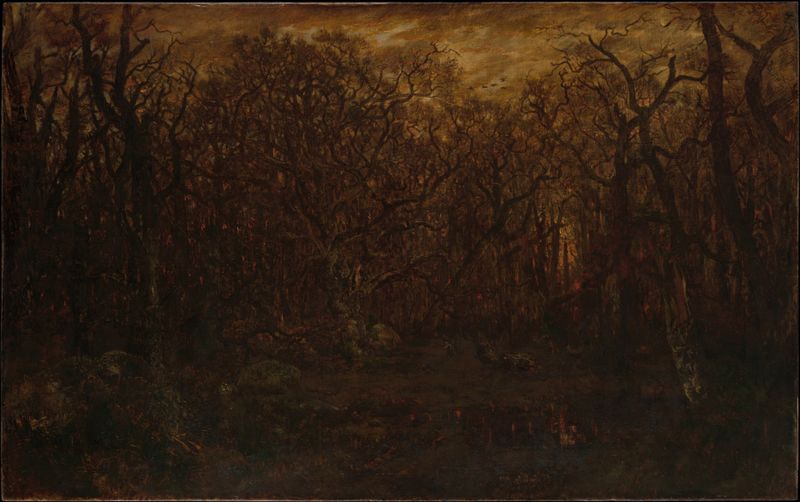
The Forest in Winter at Sunset
Théodore Rousseau
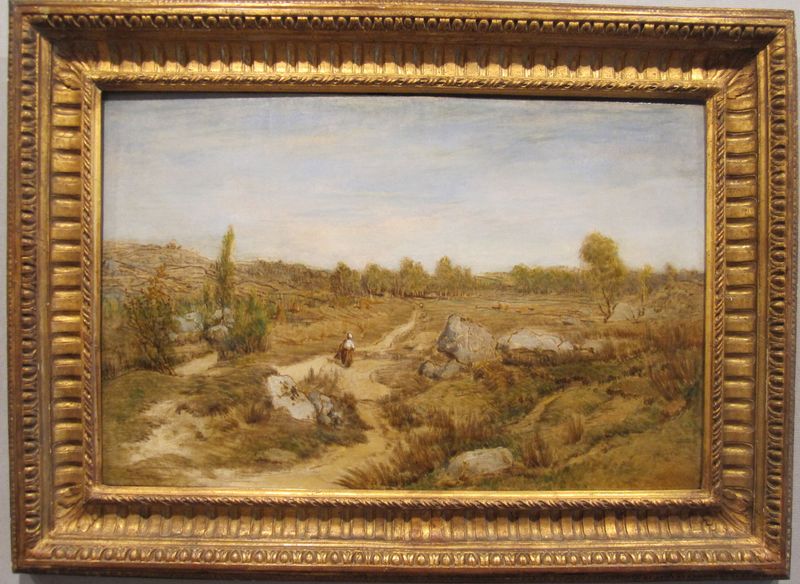
Valley of the Rouars in the Gorges d’Apremont
Théodore Rousseau
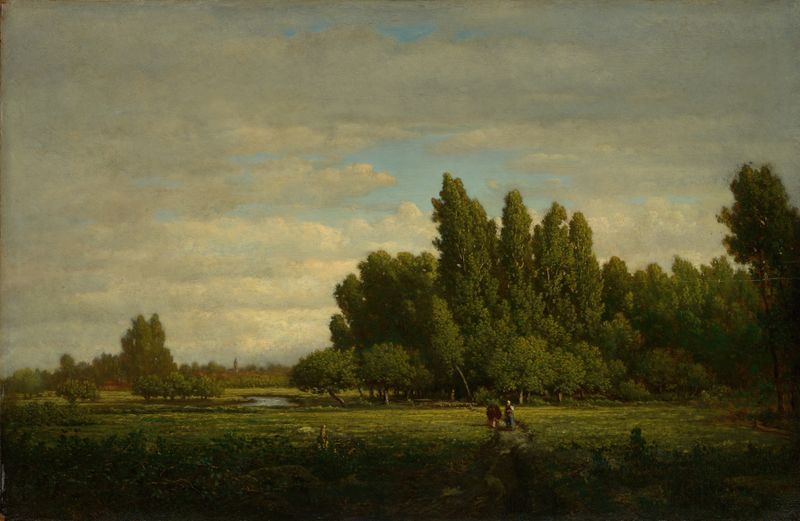
A Meadow Bordered by Trees
Théodore Rousseau
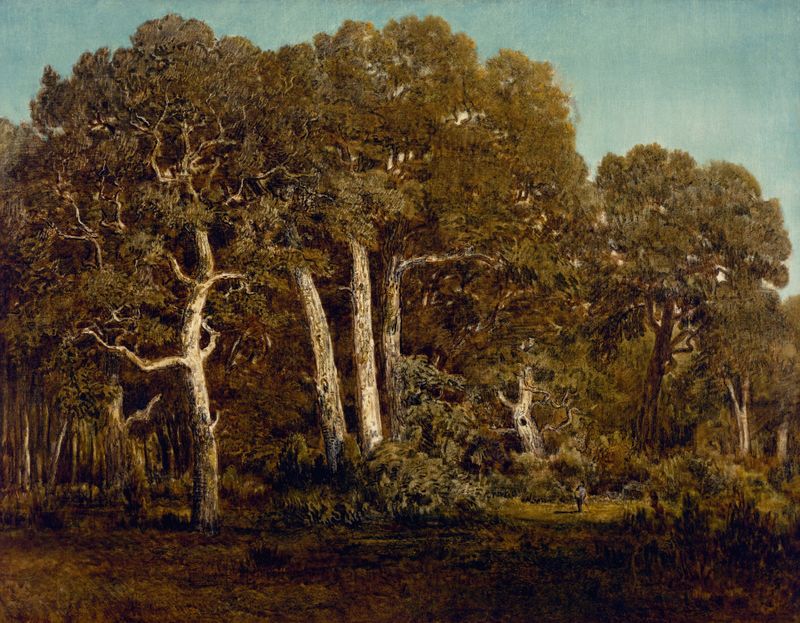
The Great Oaks of Old Bas-Bréau
Théodore Rousseau
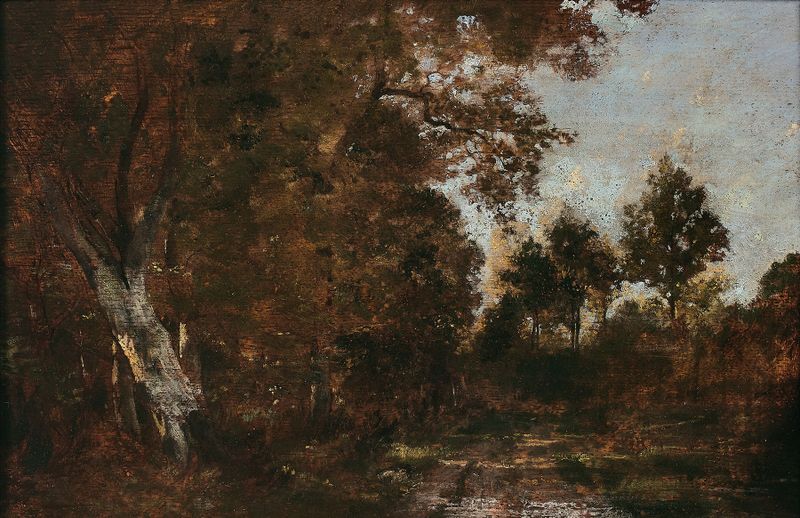
Paysage de sous-bois
Théodore Rousseau
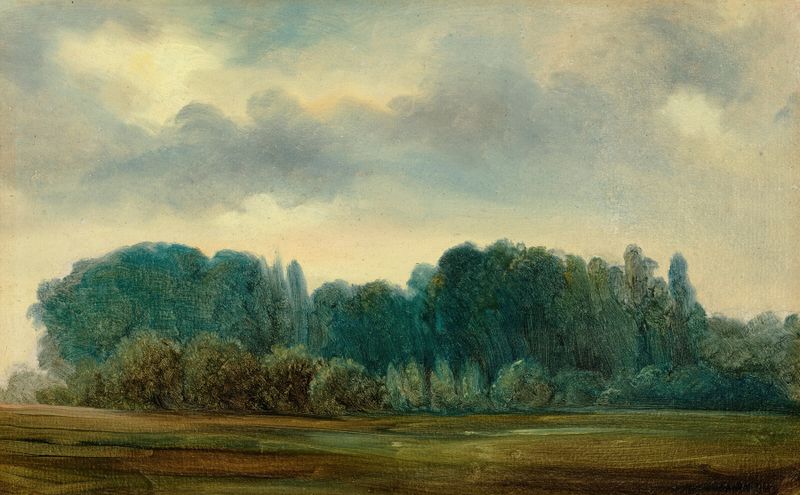
Paysage
Théodore Rousseau
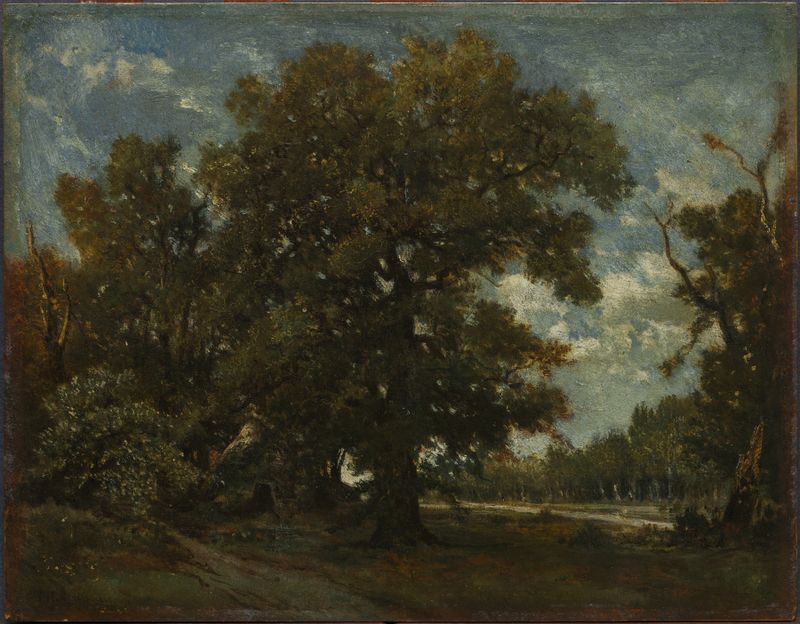
The Oak Tree
Théodore Rousseau
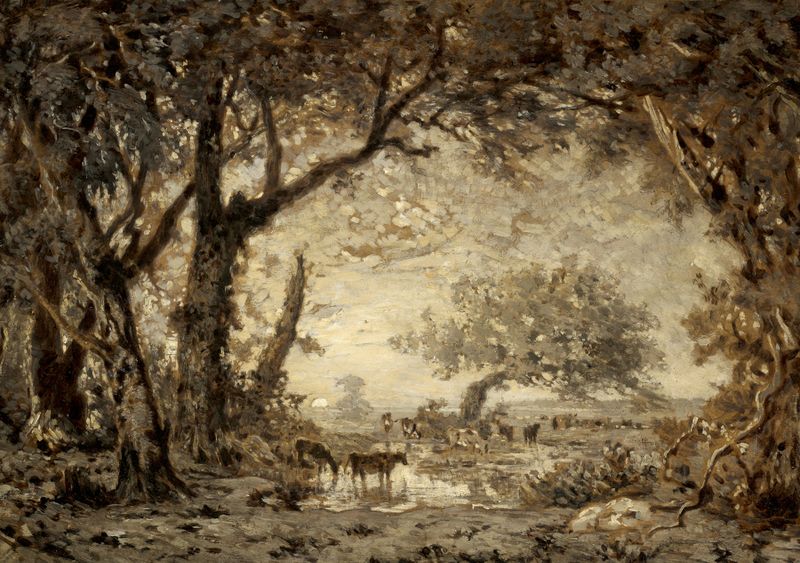
Sunset from the Forest of Fontainebleau
Théodore Rousseau
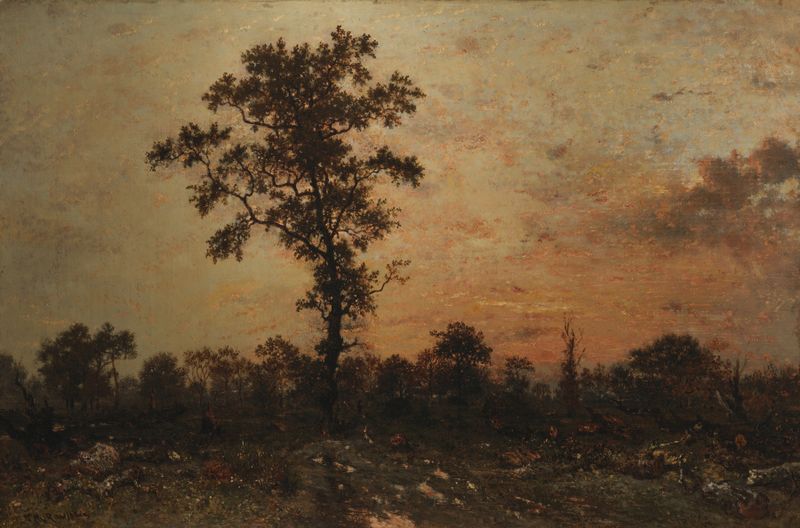
Edge of the Forest, Sun Setting
Théodore Rousseau
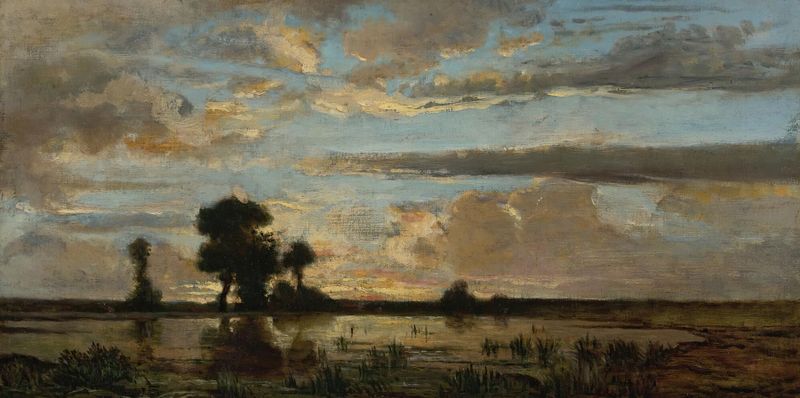
Soleil Couchant
Théodore Rousseau





