
Paysage d’Auvergne — History & Facts
When did color learn to lie? In the embrace of nature, truth and illusion intertwine, revealing the serene beauty of the landscape. Look towards the horizon where soft, muted greens and warm browns blend seamlessly, inviting your gaze to wander through an undulating expanse of trees and gentle hills. Notice how the dappled light filters through the foliage, creating a patchwork of shadows that dance upon the verdant ground. The brushwork conveys a sense of movement, capturing the essence of rustling leaves and whispering winds, while the sky, painted in soft pastels, evokes a tranquil atmosphere that seems to breathe alongside the land. Beneath the surface, however, lies a tension between realism and the reverie it inspires.
The juxtaposition of light and shade hints at the fleeting nature of this idyllic moment—a reminder that serenity can be both comforting and ephemeral. The absence of human figures accentuates the solitude of the scene, inviting contemplation and reflection on the profound connection between humanity and nature. Here, time stands still, yet it vibrates with an unspoken promise of change. In the mid-19th century, Rousseau found himself entrenched in the Barbizon School, a movement that sought to paint the French countryside with a focus on naturalism and emotional resonance.
Working primarily in Auvergne, his artistic practice reflected a world grappling with industrialization and an increasing disconnection from nature. This period, marked by Rousseau's dedication to plein air painting, allowed him to forge a path that celebrated the landscapes of his homeland while securing his legacy as a pivotal figure in the evolution of landscape art.
More Artworks by Théodore Rousseau
Browse all →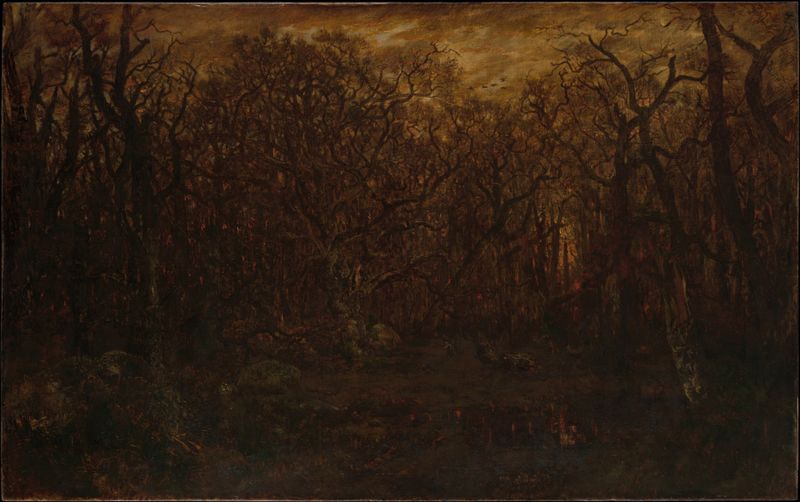
The Forest in Winter at Sunset
Théodore Rousseau
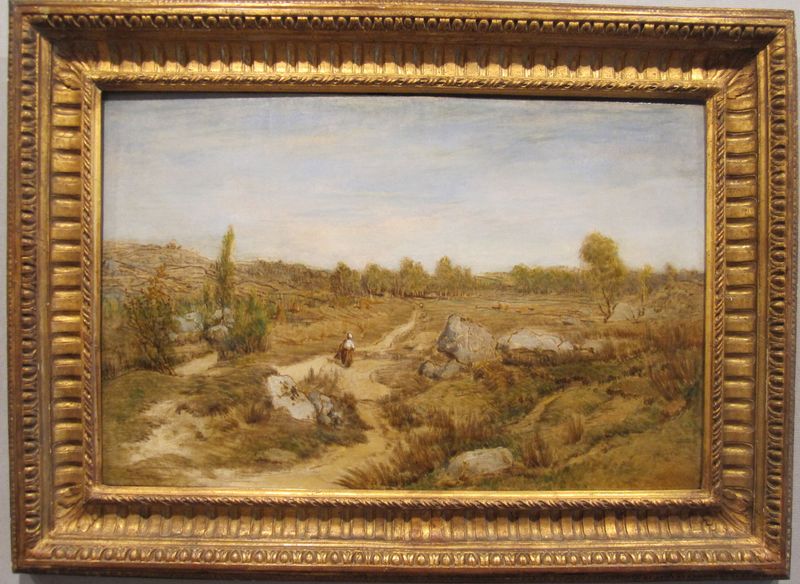
Valley of the Rouars in the Gorges d’Apremont
Théodore Rousseau
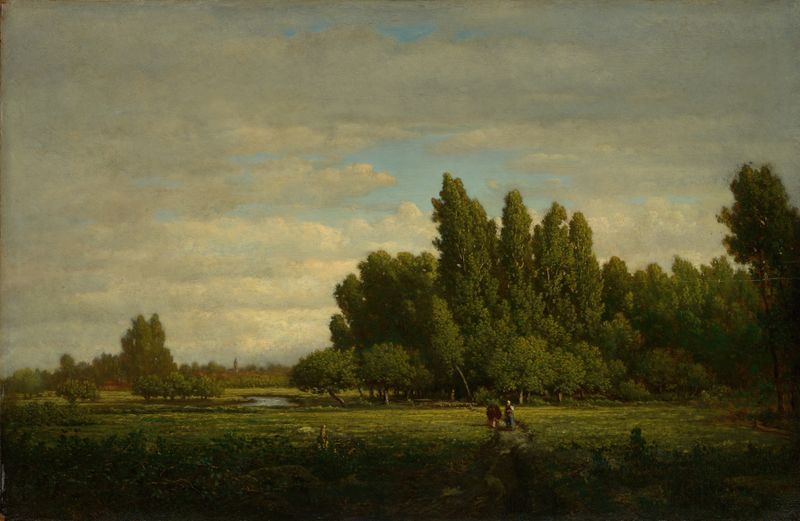
A Meadow Bordered by Trees
Théodore Rousseau
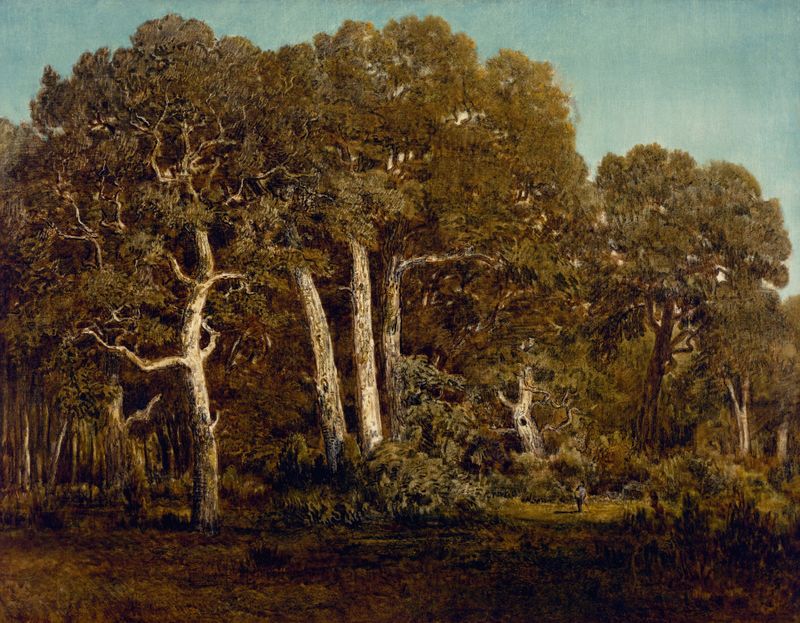
The Great Oaks of Old Bas-Bréau
Théodore Rousseau
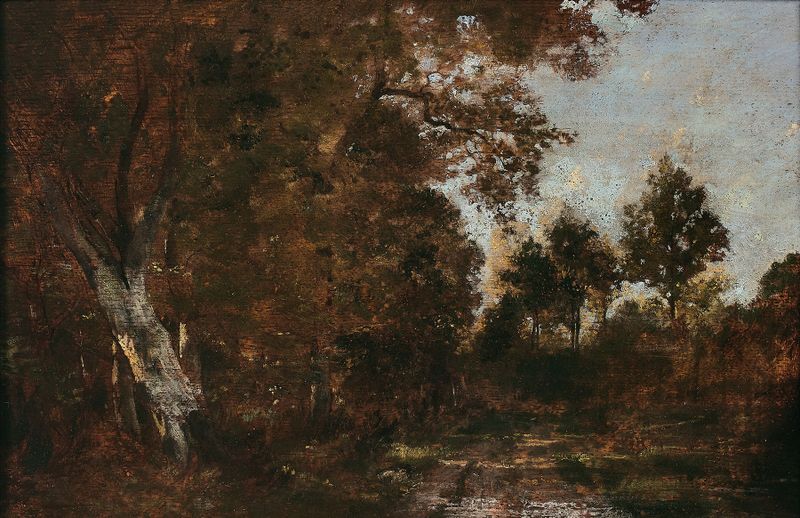
Paysage de sous-bois
Théodore Rousseau
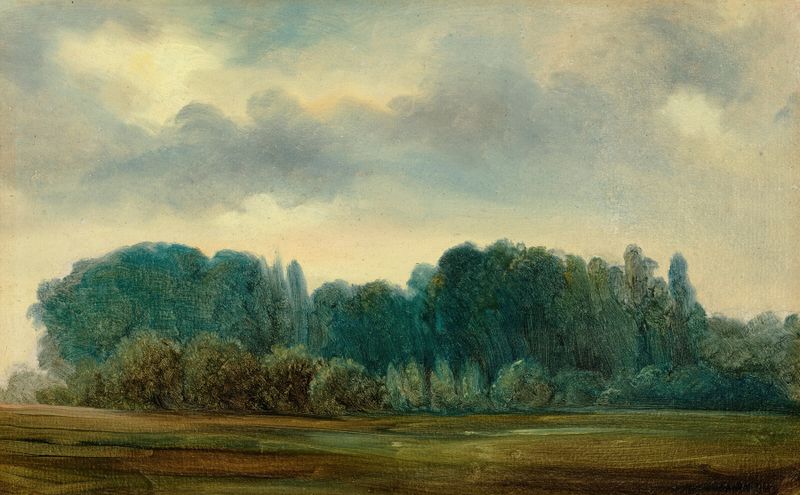
Paysage
Théodore Rousseau
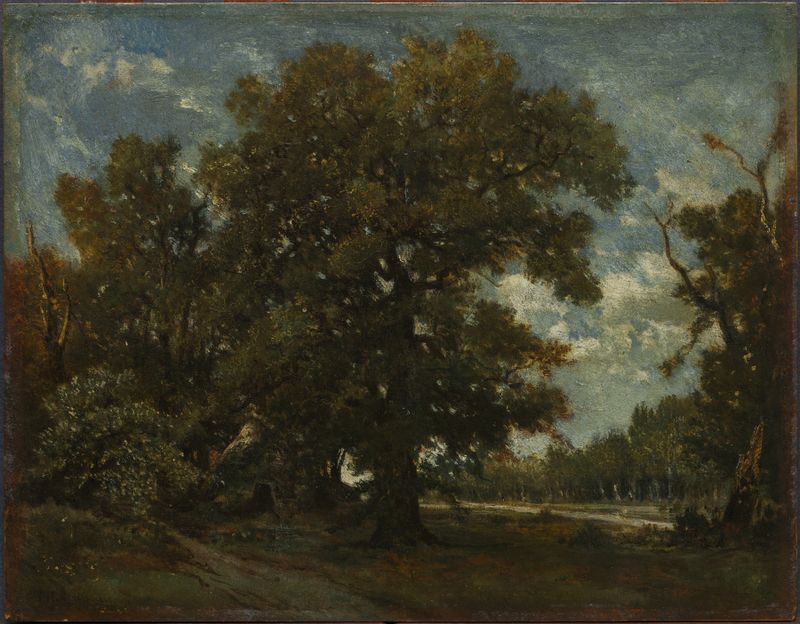
The Oak Tree
Théodore Rousseau
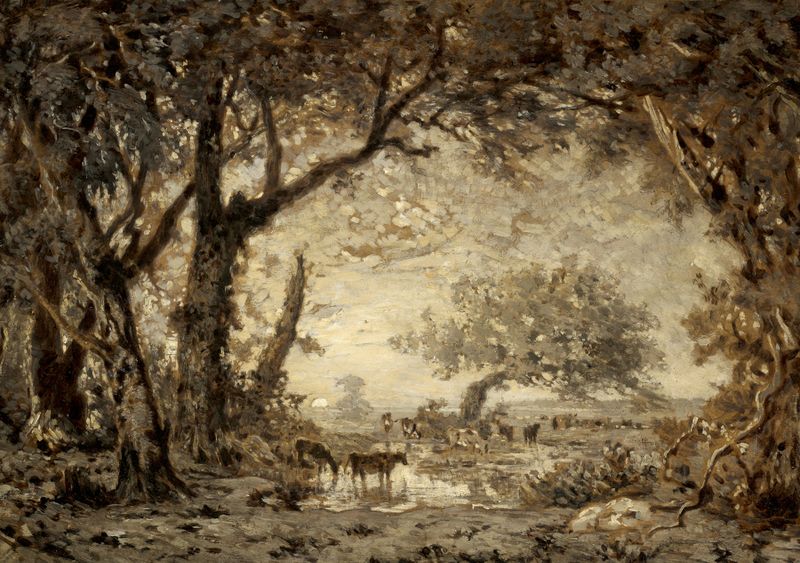
Sunset from the Forest of Fontainebleau
Théodore Rousseau
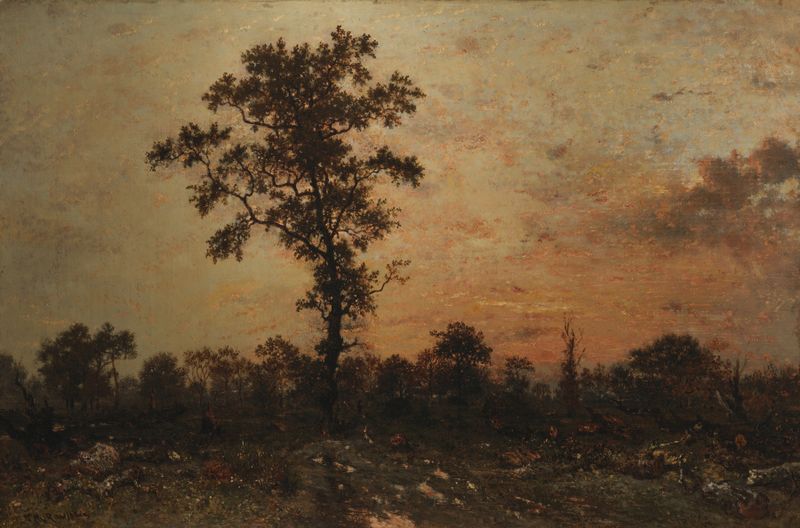
Edge of the Forest, Sun Setting
Théodore Rousseau
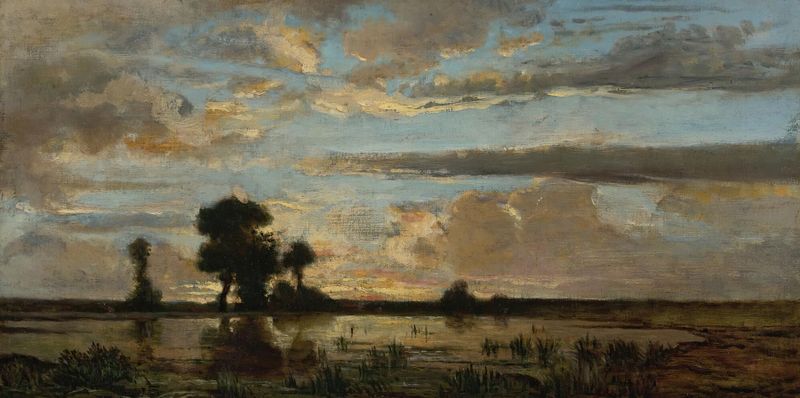
Soleil Couchant
Théodore Rousseau





