Paysage à Loguivy — History & Facts
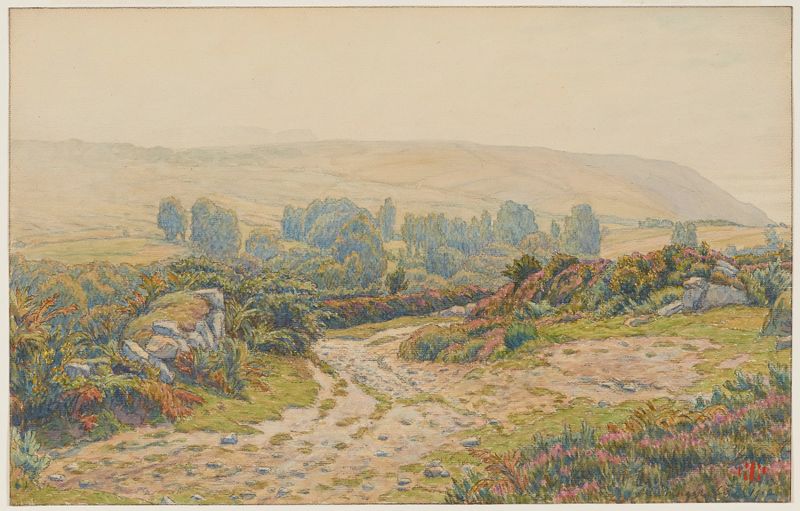
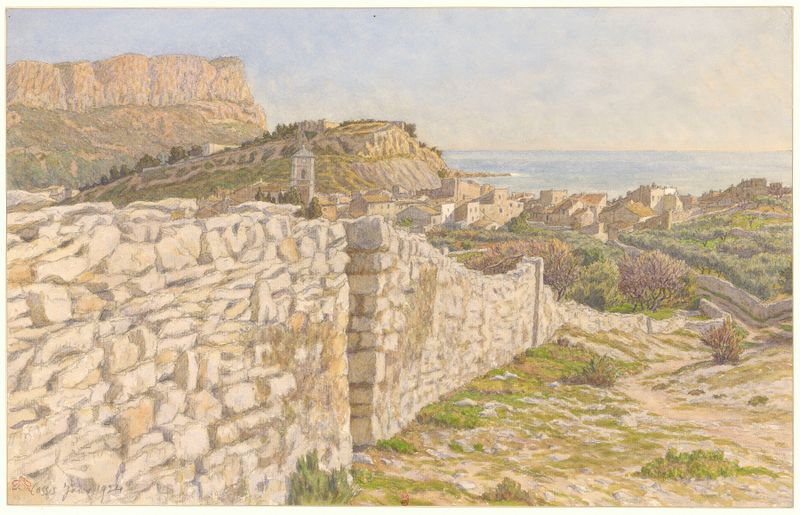
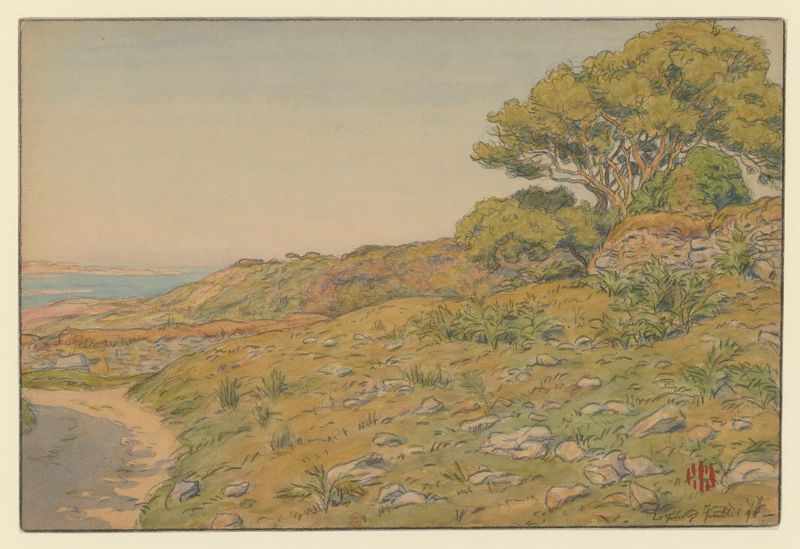
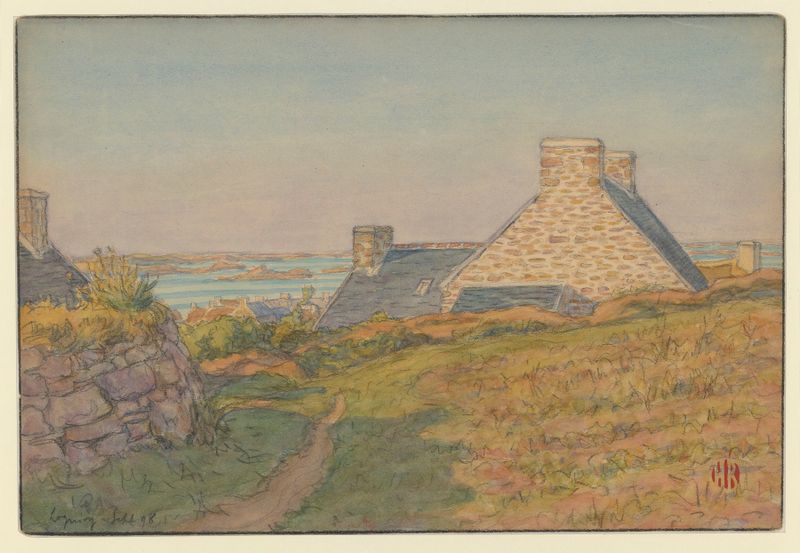
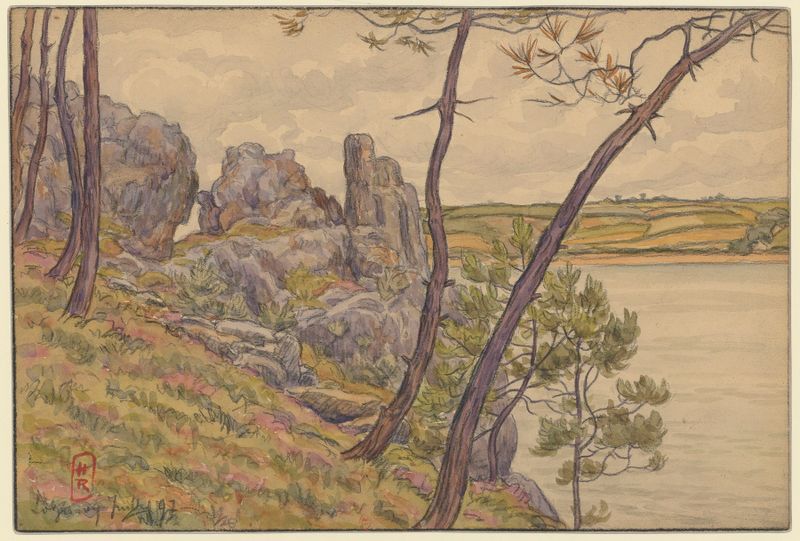
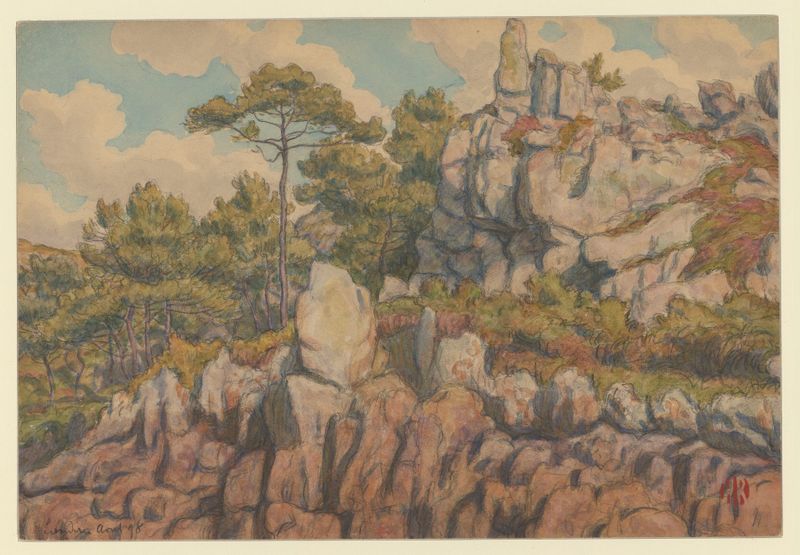
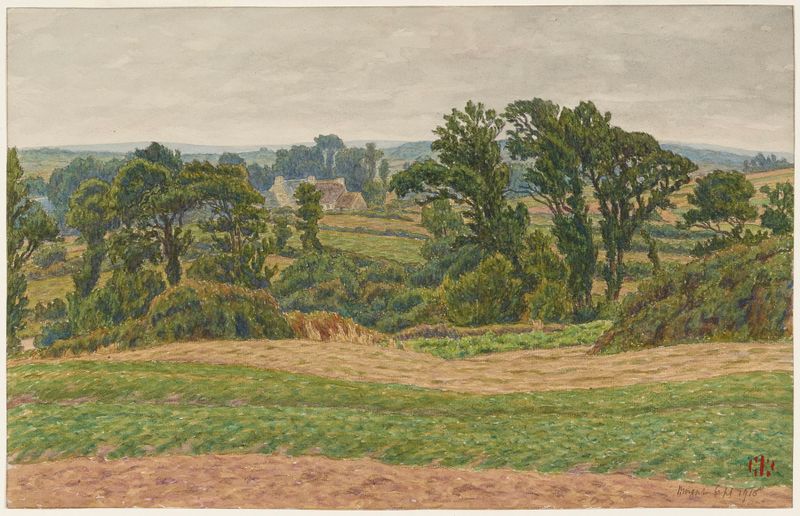
Where does light end, and longing begin? In the delicate interplay of hues and shadows, Paysage à Loguivy captures a profound truth about the nature of perception and the essence of existence. Look to the horizon, where soft, muted greens meet the gentle blues of the sky. Notice how Rivière expertly employs a palette of cool tones, creating an atmosphere that feels both serene and melancholic. The brushstrokes are fluid, almost ethereal; they guide the viewer's eye across the landscape, drawing attention to the quiet ripples of water and the distant silhouettes of trees.
The way light dances across the surface of the water suggests a fleeting moment, transient yet eternal, inviting contemplation. Diving deeper, observe the contrast between the vibrant colors of the foreground and the more subdued tones in the background. This juxtaposition evokes a sense of emotional tension, as if the viewer stands at the threshold of two worlds—one vibrant with life, the other shrouded in mystery. The scattered clouds overhead seem to hold secrets, hinting at a deeper narrative of longing and introspection, reflecting the human experience within this tranquil setting. Created in 1909, this piece marks a significant period in Rivière's life, during which he was deeply influenced by the evolution of Impressionism.
Working primarily in France, he sought to capture the essence of nature's beauty while exploring new techniques and materials. As the art world moved towards modernism, Rivière remained committed to painting landscapes that celebrated both the seen and the unseen, a hallmark of his distinctive style.