
Paysage Norvégien — History & Facts
In the realm of landscapes, few can capture the subtle dialogue between hues and the hush of nature like the work from the Dutch master. Look to the left at the lush, sweeping hills that rise and fall with a vibrant palette of greens, punctuated by strokes of earthy browns. Focus on the way the sky unfolds above, a canvas of blues brushed with clouds that dance delicately across the expanse. The foreground, adorned with a tranquil river, mirrors these colors, creating a dynamic interplay between the land and the reflective water, inviting the viewer to step deeper into this serene world. Here, the contrasting elements of light and shadow create an emotional depth that speaks to the viewer’s heart.
The interplay of warm, golden sunlight spilling onto the landscape reveals intricate details of the foliage, while the darker areas evoke a sense of mystery and contemplation. This tension between light and dark symbolizes the balance of nature – the joy of life mingled with the inevitability of loss, creating a poignant narrative that resonates with the observer. Created during the 17th century, this piece emerged at a time when Jacob van Ruisdael was solidifying his reputation in the Dutch Golden Age. Known for his masterful landscapes, he painted this work amid a flourishing art scene, marked by an increasing appreciation for the beauty of the natural world.
His commitment to realism and emotion in landscape painting would leave a lasting legacy, influencing generations of artists who followed.
More Artworks by Jacob van Ruisdael
Browse all →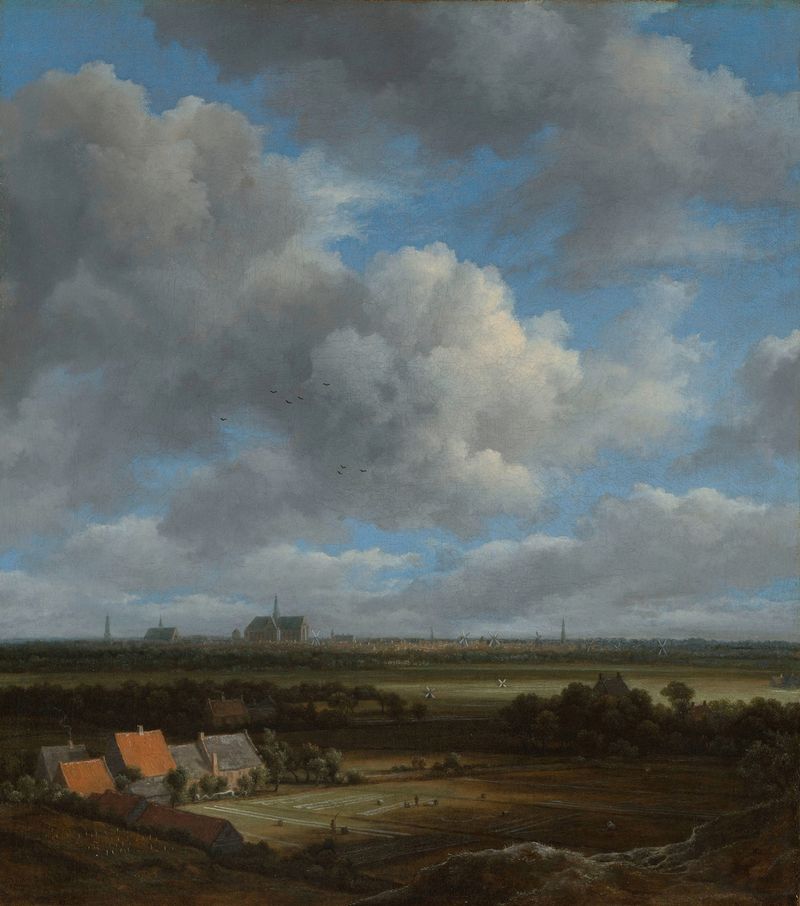
View of Haarlem from the Northwest, with the Bleaching Fields in the Foreground
Jacob van Ruisdael
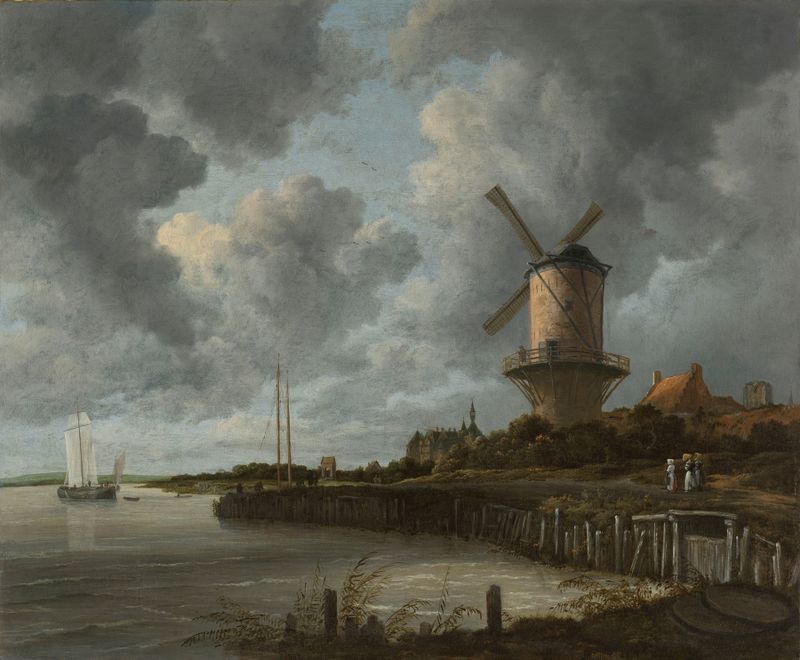
The Windmill at Wijk bij Duurstede
Jacob van Ruisdael
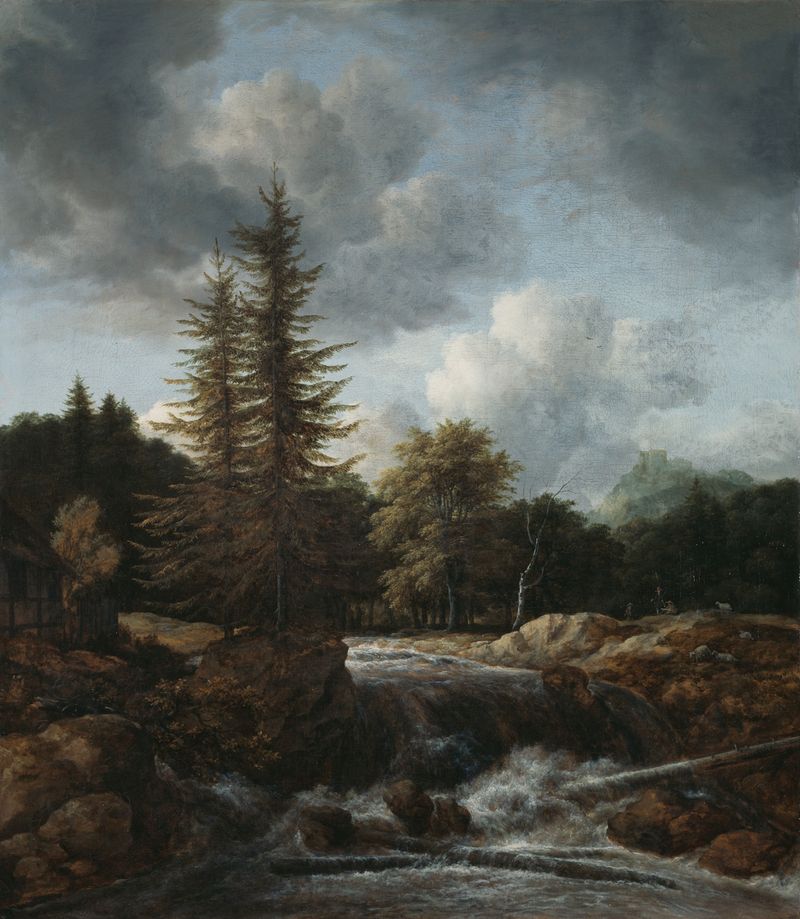
Landscape with Waterfall
Jacob van Ruisdael
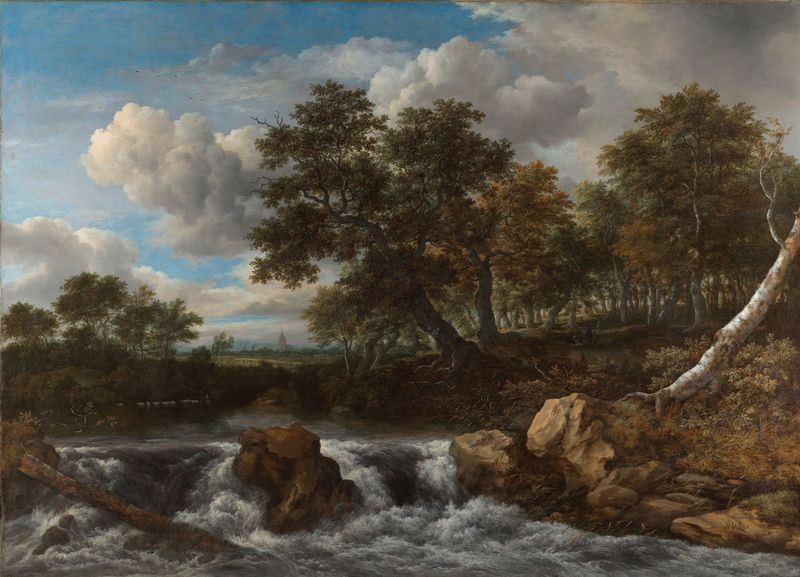
Landscape with Waterfall
Jacob van Ruisdael
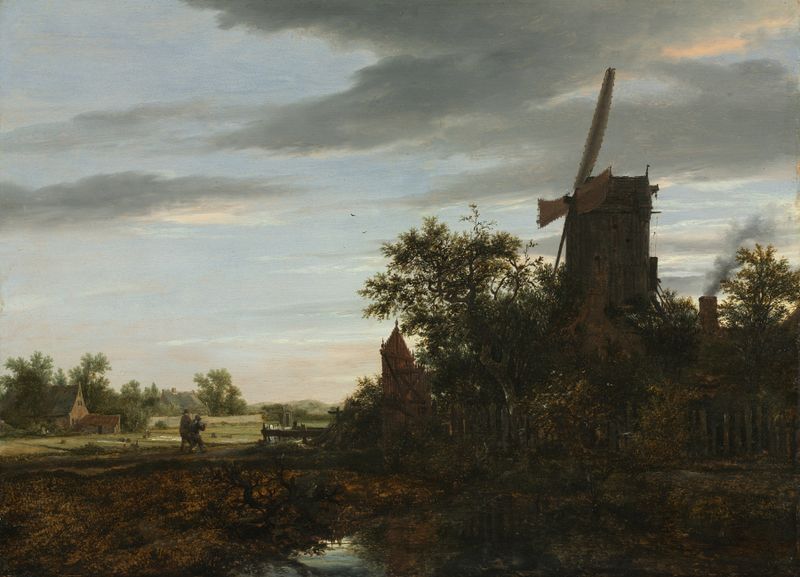
Landscape with a Windmill
Jacob van Ruisdael

Wooded hillside with a view of Bentheim Castle
Jacob van Ruisdael
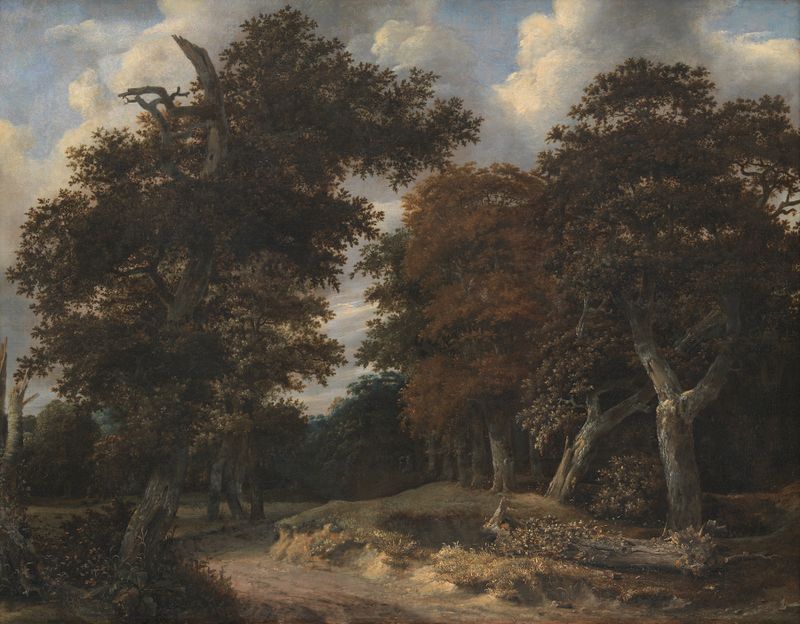
Road through an Oak Forest
Jacob van Ruisdael

Landscape with a Church
Jacob van Ruisdael

The Forest Stream
Jacob van Ruisdael

The Jewish Cemetery
Jacob van Ruisdael





