Discover insights about this artwork
Paysage — History & Facts
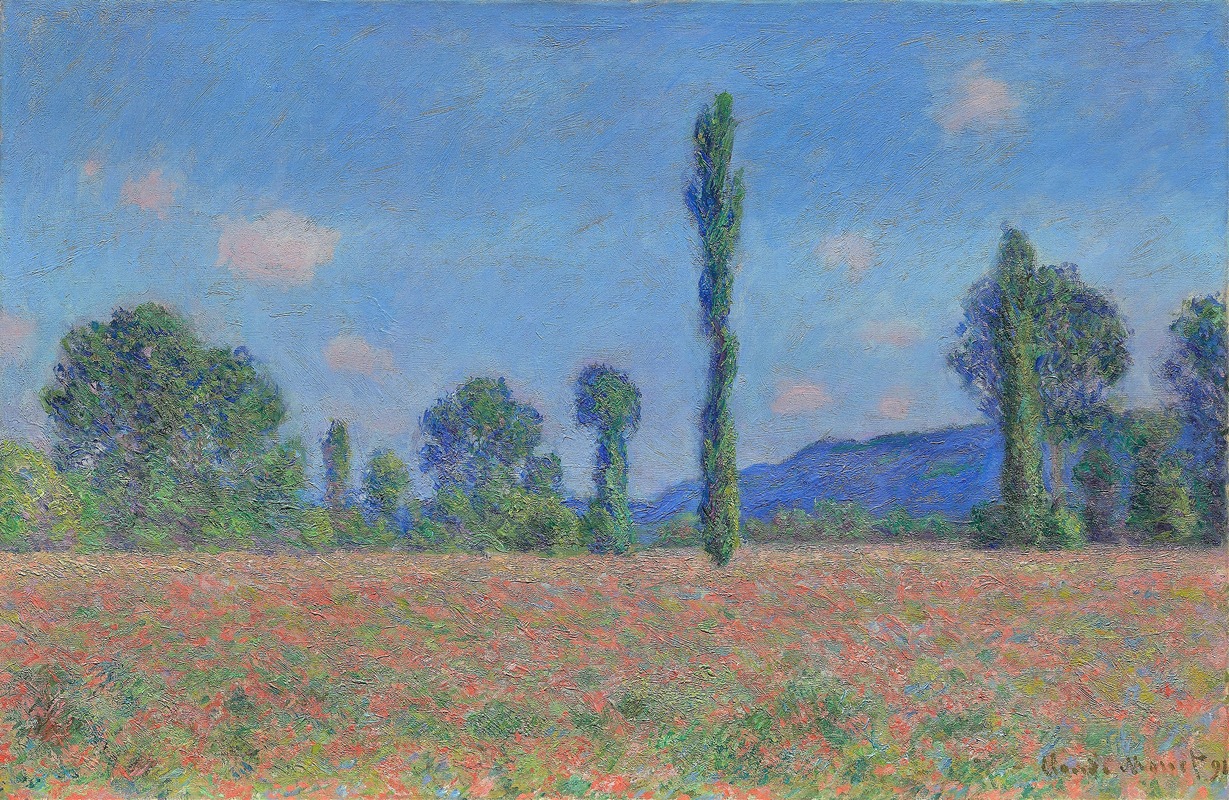
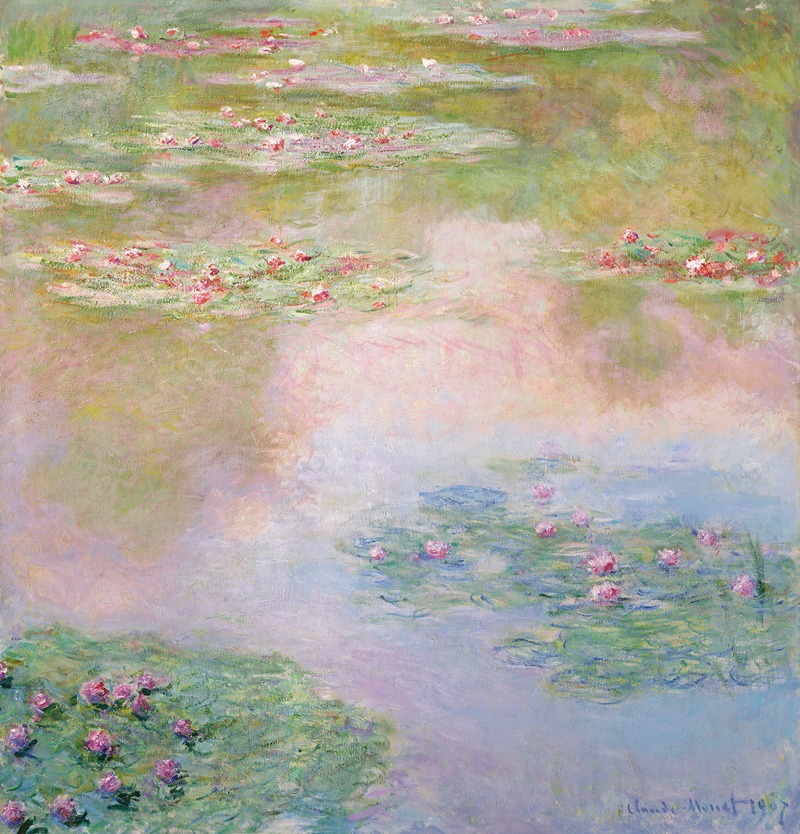
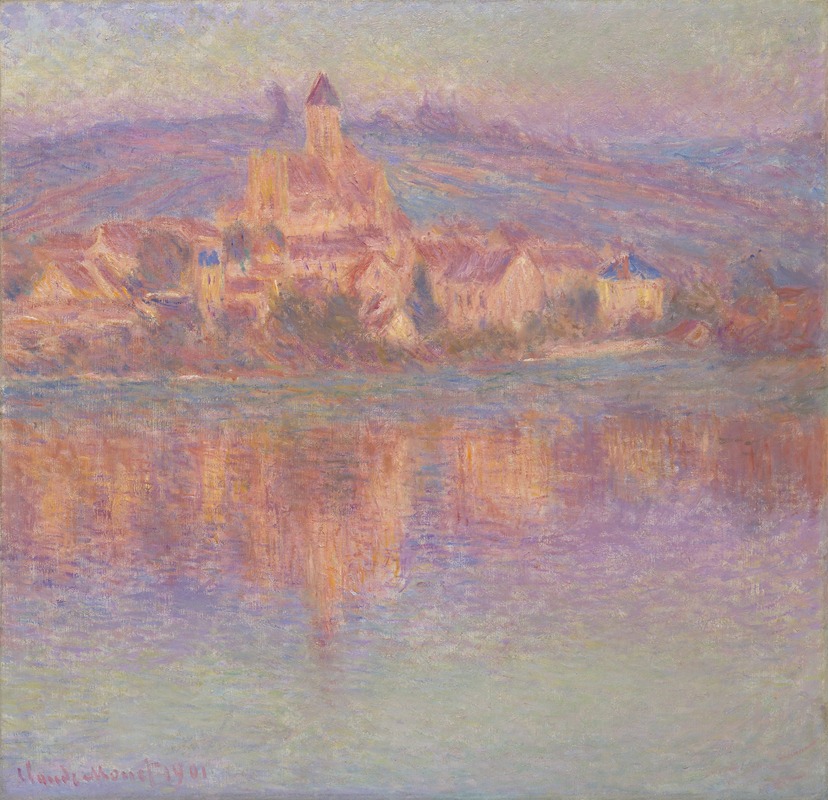
In Paysage, Pierre-Auguste Renoir captures a lush landscape filled with vibrant greens and soft, diffused light. The painting features gentle hills and a serene atmosphere, inviting the viewer into a tranquil natural setting. The colors are rich and varied, showcasing Renoir's characteristic use of light and shadow.
The scene is devoid of human figures, emphasizing the beauty of nature itself. The painting is executed in oil on canvas, a medium that allows for the fluid brushwork and vibrant color palette typical of Impressionism. Renoir's technique involves layering colors to create depth and texture, which can be observed in the foliage and the play of light across the landscape. The dimensions are approximately 60 x 80 cm, making it a medium-sized work that can easily draw viewers in.
The brushstrokes are loose and expressive, contributing to the overall impression of movement and life. Pierre-Auguste Renoir was a leading figure in the Impressionist movement, known for his ability to capture light and color in innovative ways. Paysage reflects his deep appreciation for nature and his desire to portray it with spontaneity and warmth. An interesting fact about this work is that it exemplifies Renoir's shift towards more naturalistic landscapes during the 1880s, moving away from the more structured compositions of his earlier works.
This painting is currently housed in the Musee d'Orsay, a fitting location for such a celebrated artist.
More Artworks by Pierre-Auguste Renoir
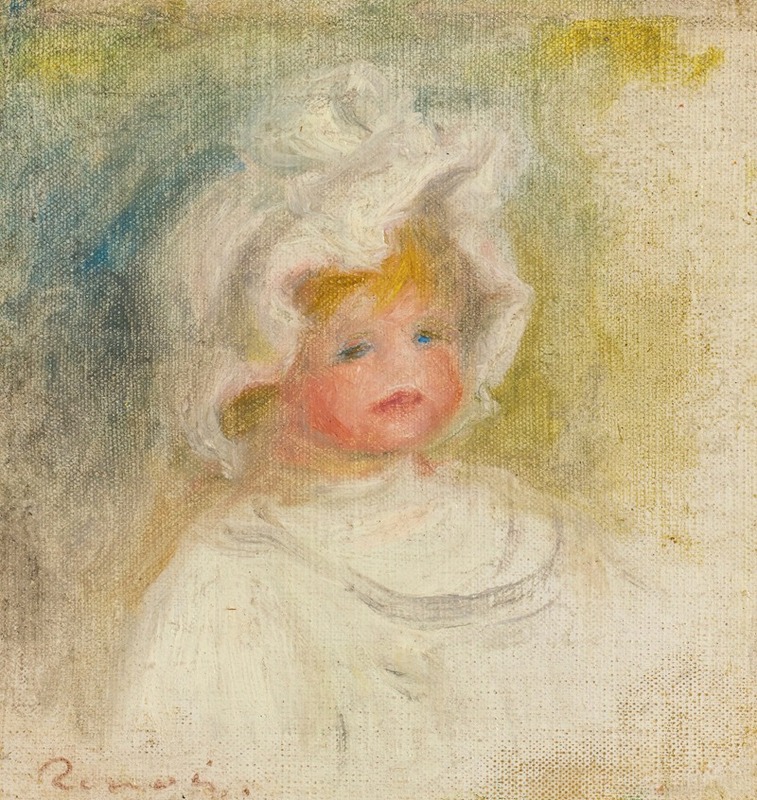
Portrait De Coco Renoir
Pierre-Auguste Renoir
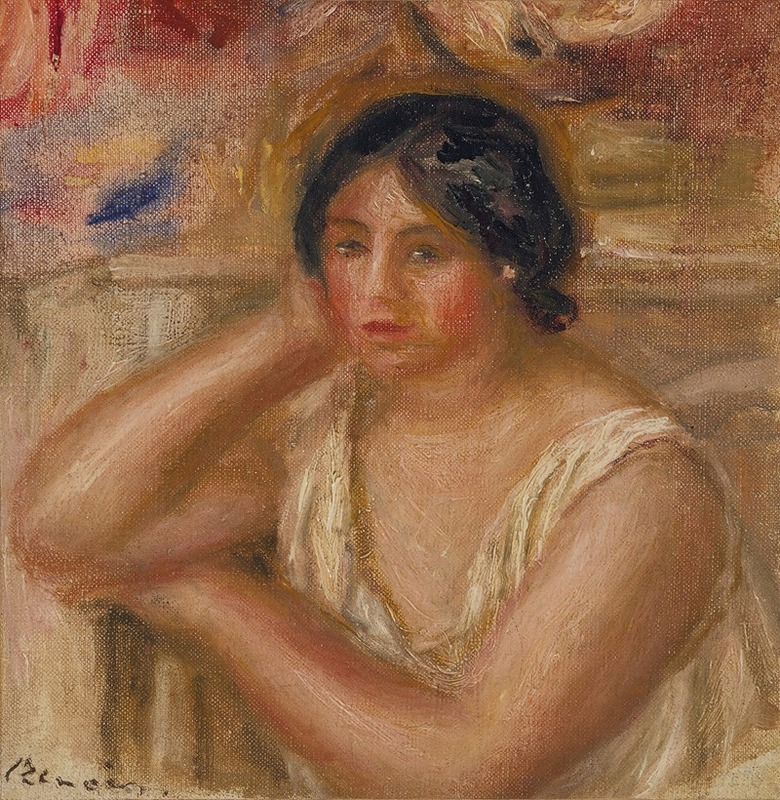
Portrait De Gabrielle
Pierre-Auguste Renoir
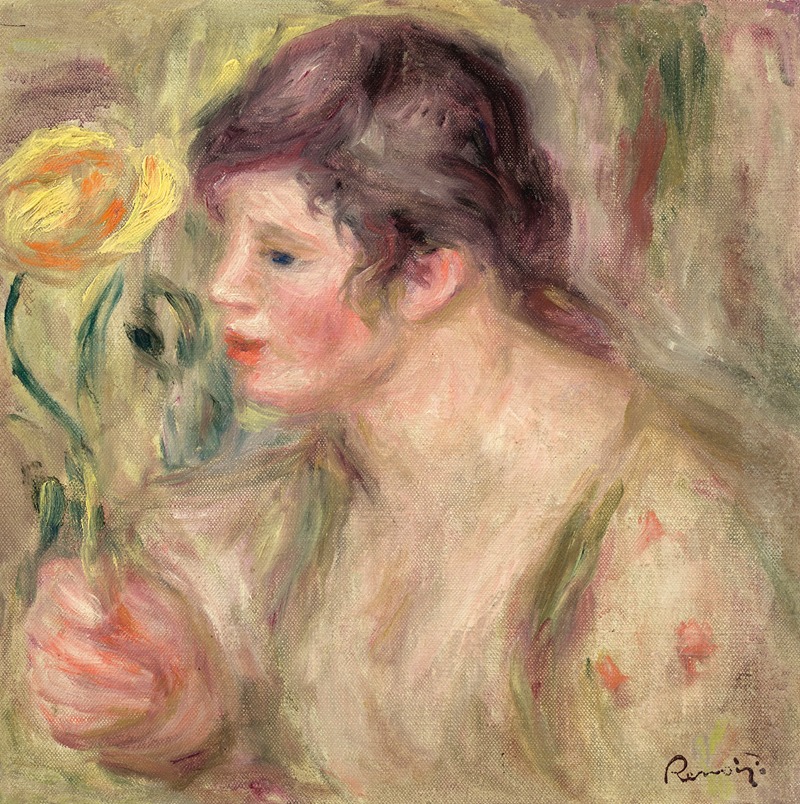
Femme à la rose
Pierre-Auguste Renoir
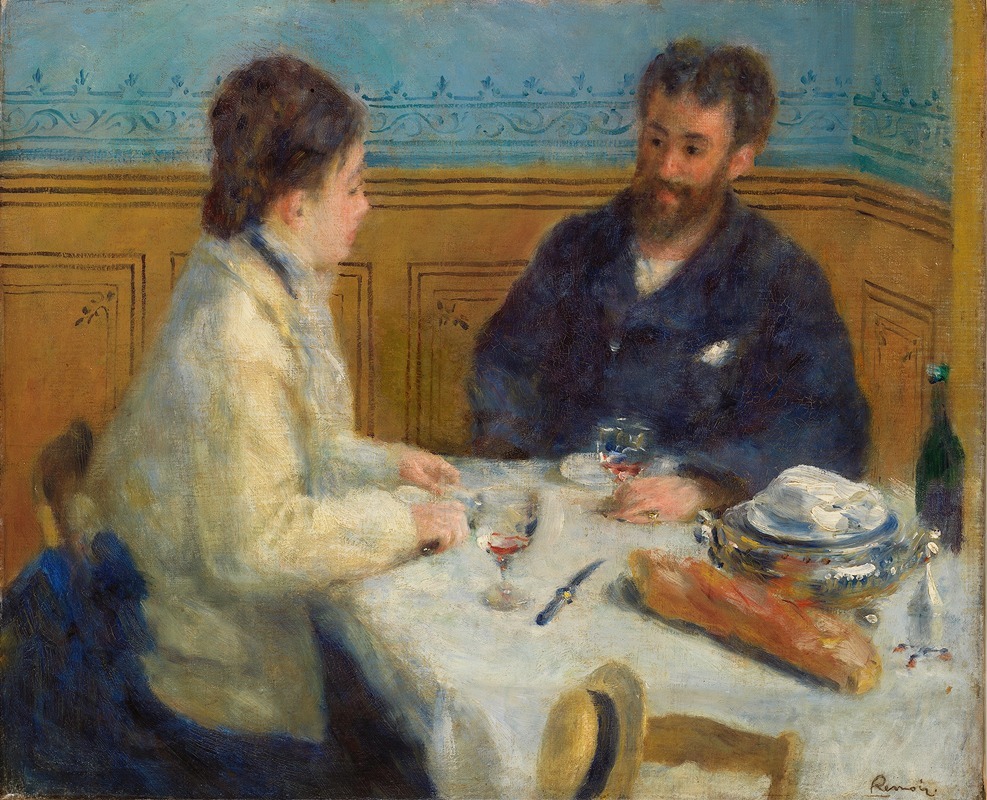
Luncheon (Le Déjeuner)
Pierre-Auguste Renoir
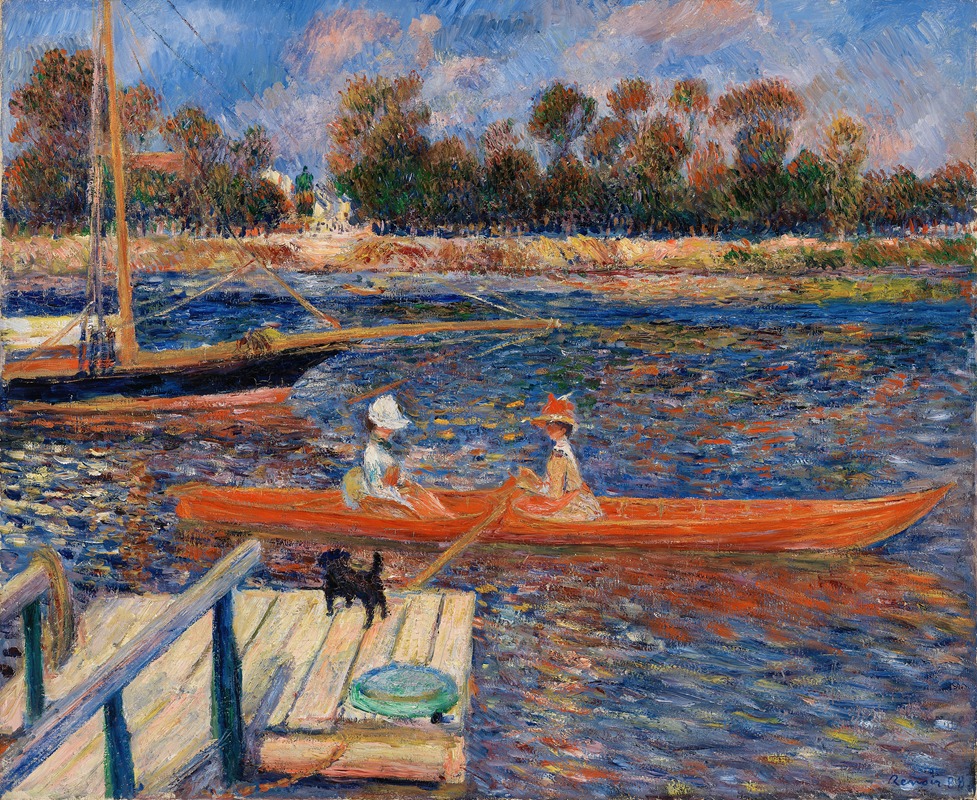
The Seine at Argenteuil (La Seine à Argenteuil)
Pierre-Auguste Renoir
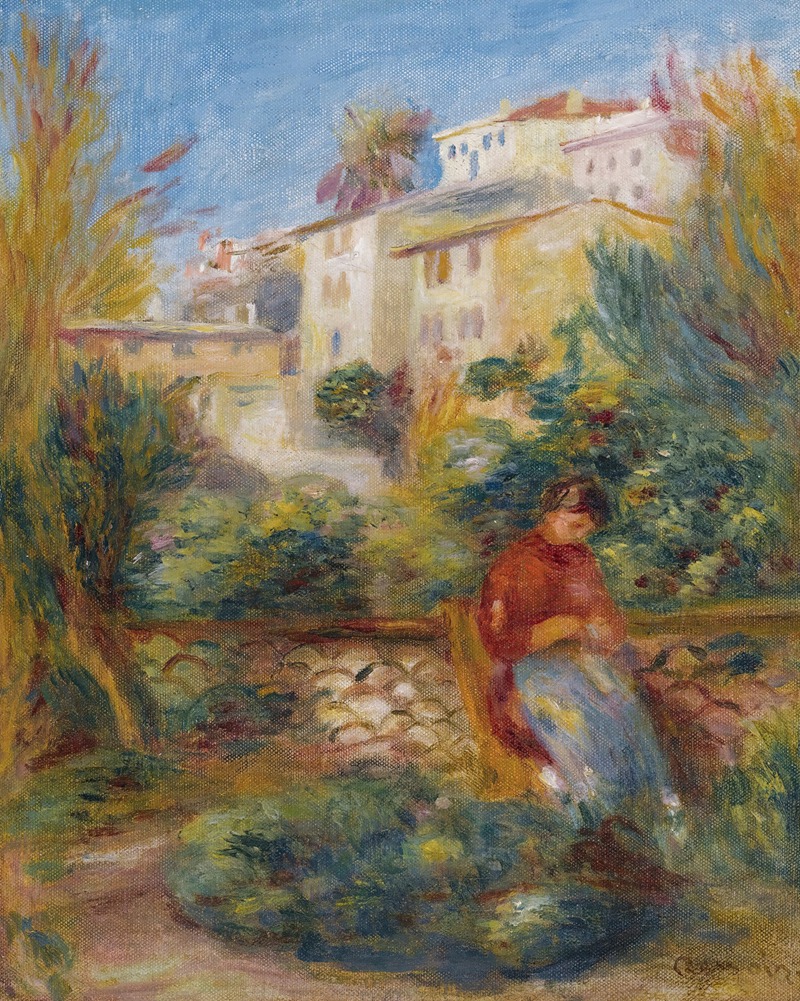
La Terrasse À Cagnes
Pierre-Auguste Renoir
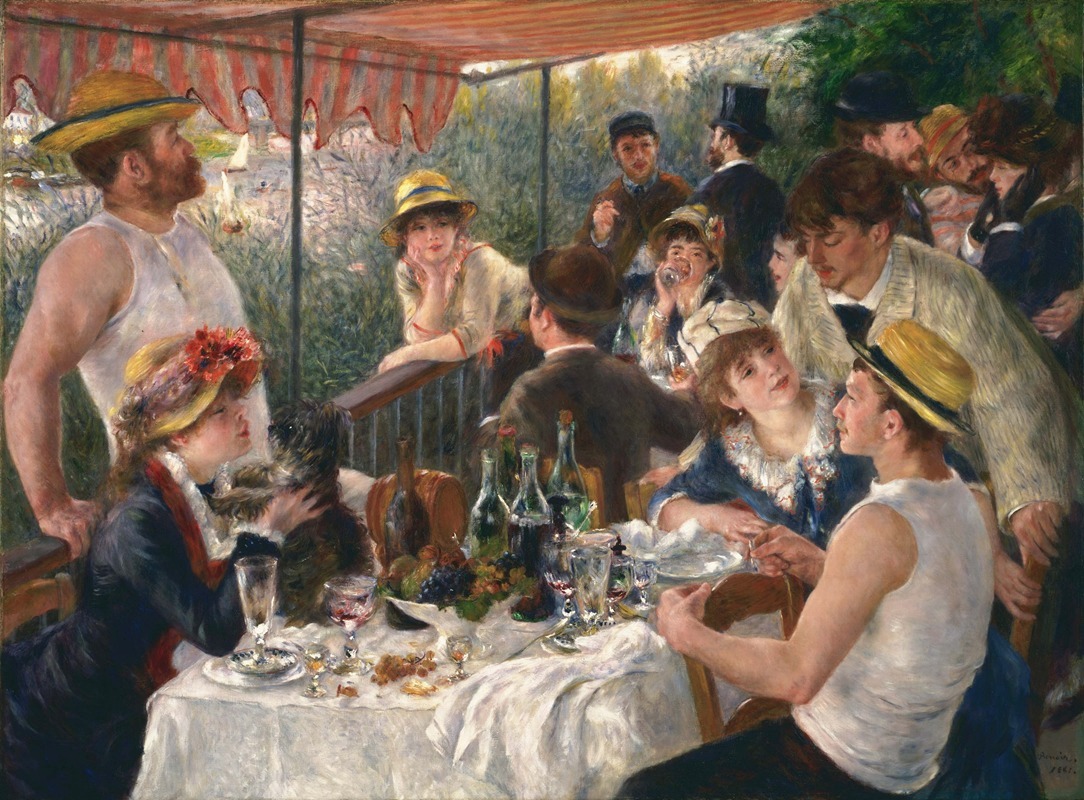
Luncheon of the Boating Party
Pierre-Auguste Renoir
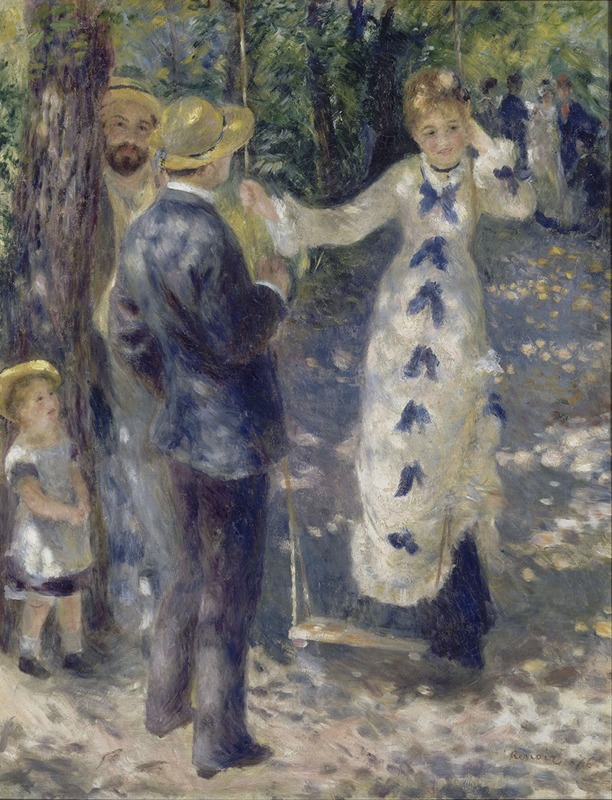
The Swing
Pierre-Auguste Renoir
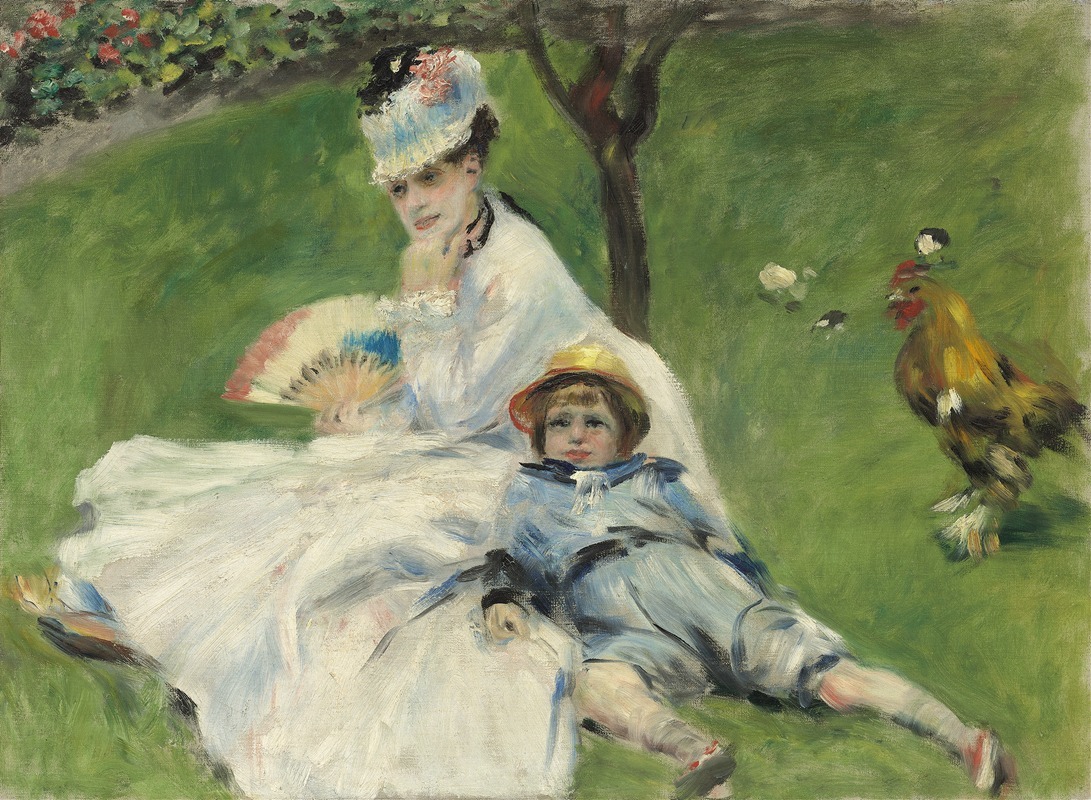
Madame Monet and Her Son
Pierre-Auguste Renoir
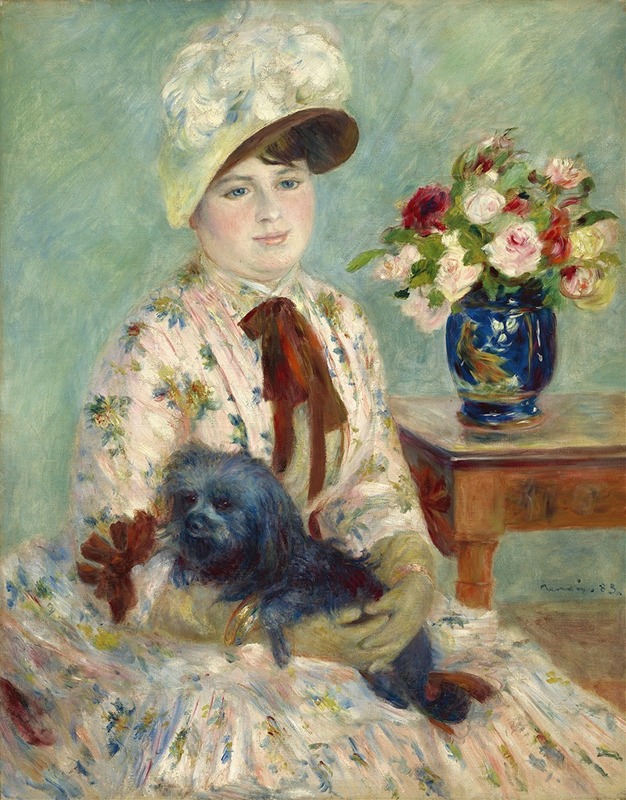
Mlle Charlotte Berthier
Pierre-Auguste Renoir