Discover insights about this artwork
Paysage — History & Facts
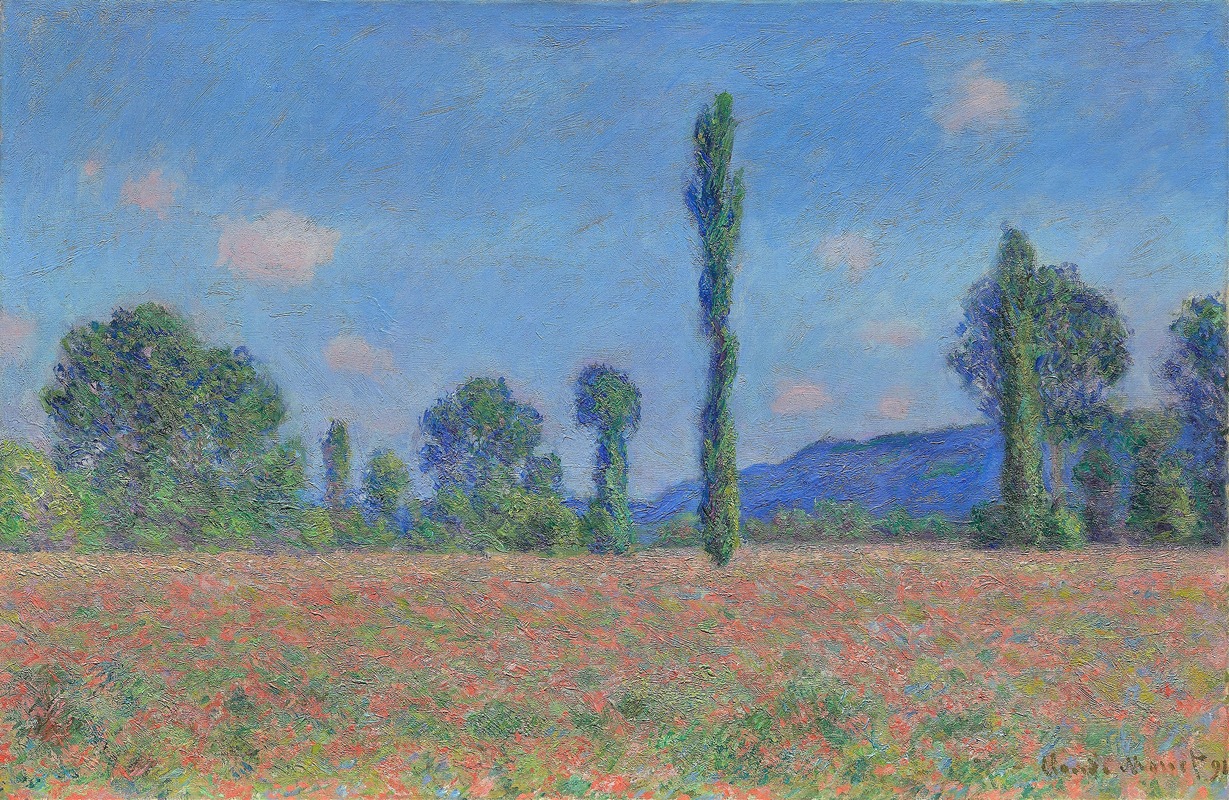
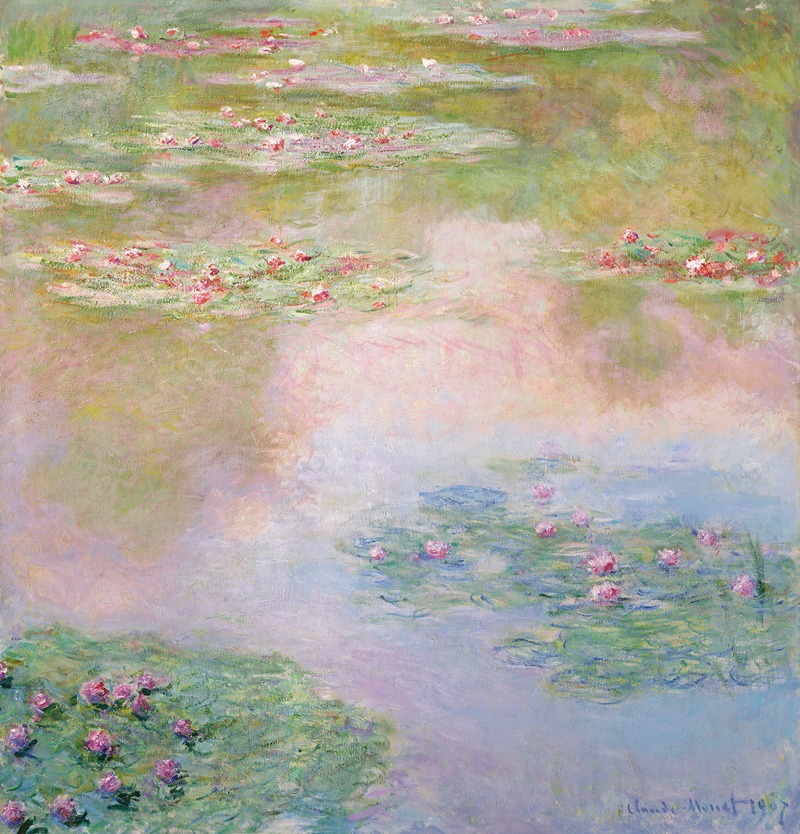
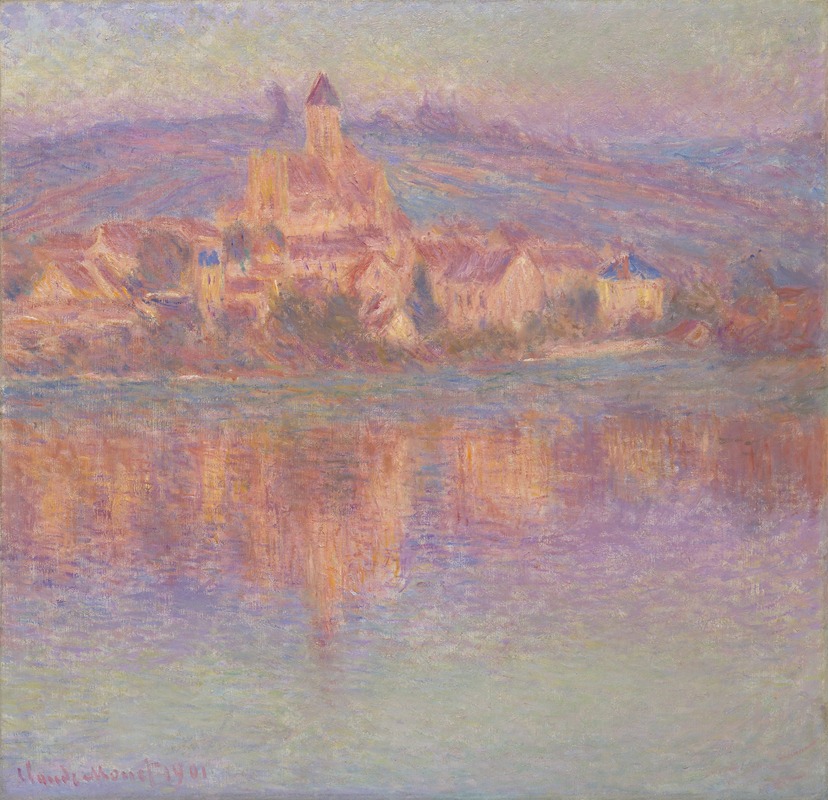
In Paysage, Pierre-Auguste Renoir captures a tranquil landscape filled with lush greenery. The painting features a soft palette of greens and blues, suggesting a serene atmosphere. Gentle light filters through the trees, creating a dappled effect on the ground.
The scene is devoid of human figures, allowing nature to take center stage. The painting is executed in oil on canvas, a common medium for Renoir, known for its vibrant colors and expressive brushwork. Viewers can observe the characteristic loose brushstrokes that define the Impressionist style. The composition is balanced, with a harmonious arrangement of elements that guide the viewer's eye through the landscape.
The use of light and shadow enhances the depth and dimensionality of the scene. Pierre-Auguste Renoir was a leading figure in the Impressionist movement, known for his ability to capture light and movement. This work, created in the c. 1880s, reflects his deep appreciation for nature and the outdoors.
An interesting fact about Paysage is that it exemplifies Renoir's transition towards a more relaxed and spontaneous style, moving away from the more structured compositions of his earlier works. Today, it is housed in the Musee d'Orsay, a testament to its significance in the art world.
More Artworks by Pierre-Auguste Renoir
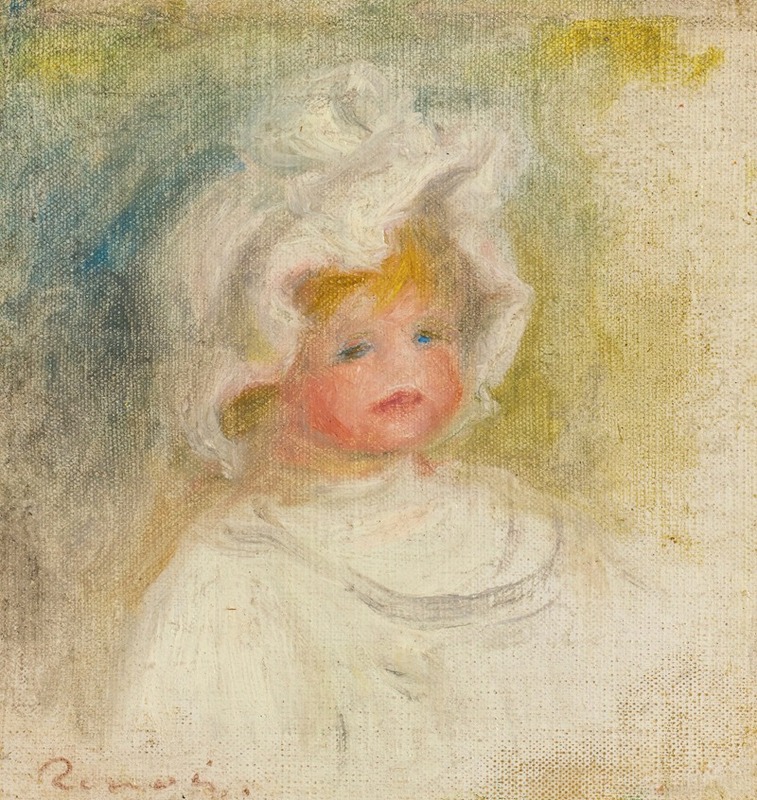
Portrait De Coco Renoir
Pierre-Auguste Renoir
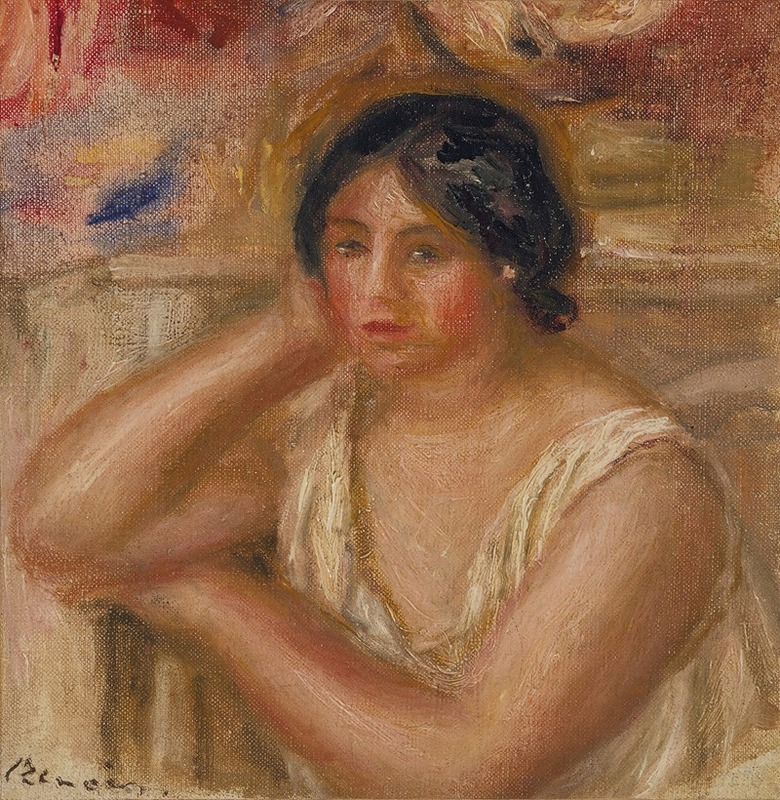
Portrait De Gabrielle
Pierre-Auguste Renoir
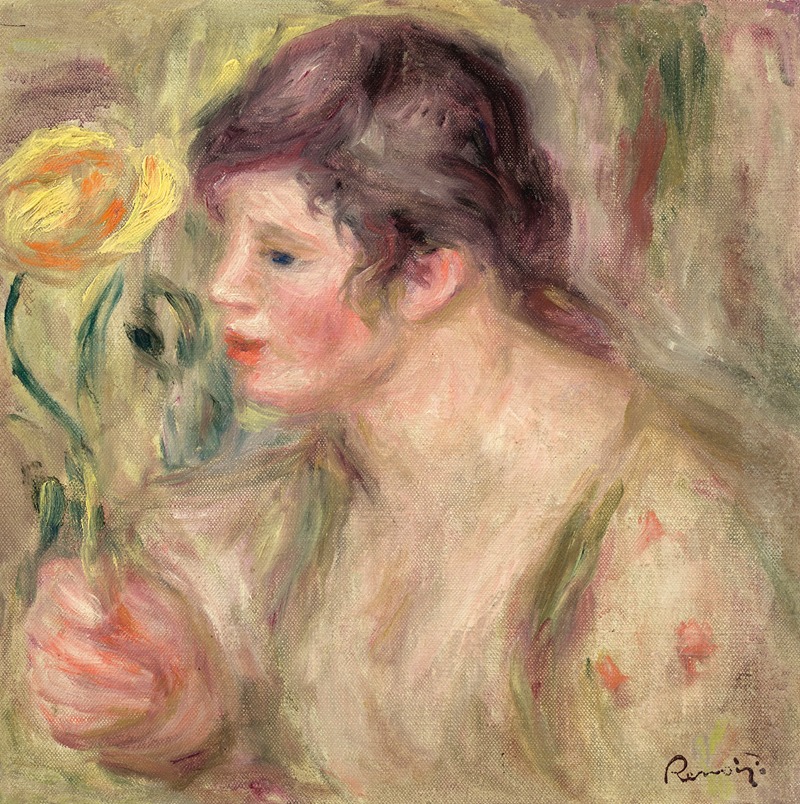
Femme à la rose
Pierre-Auguste Renoir
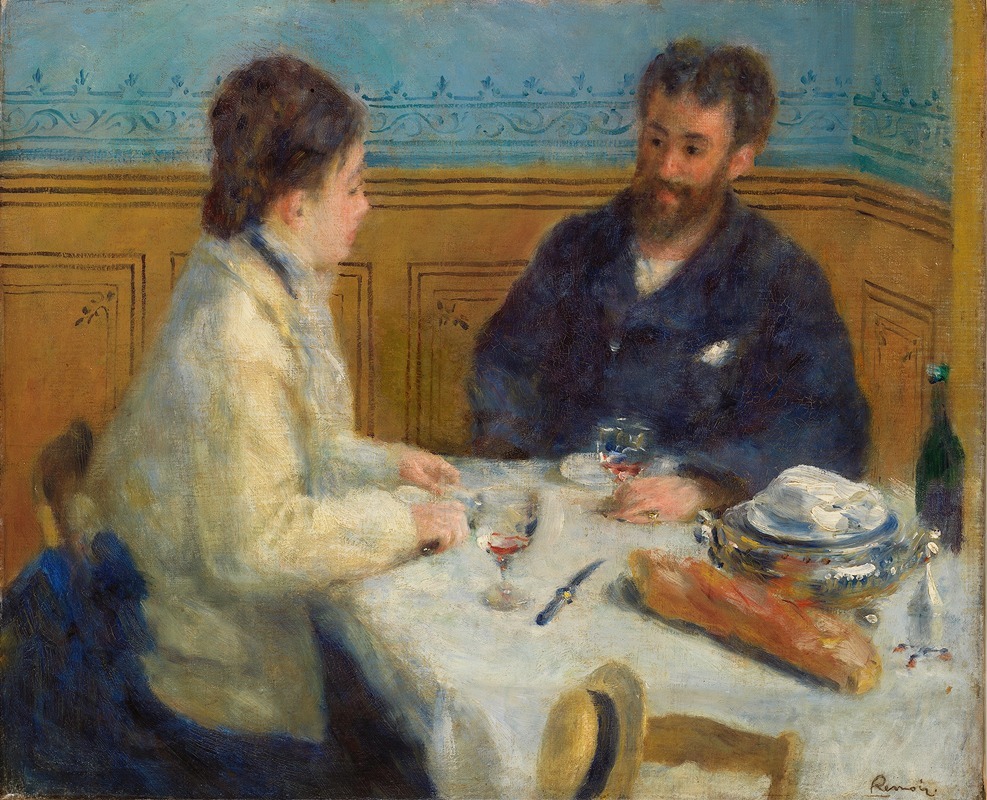
Luncheon (Le Déjeuner)
Pierre-Auguste Renoir
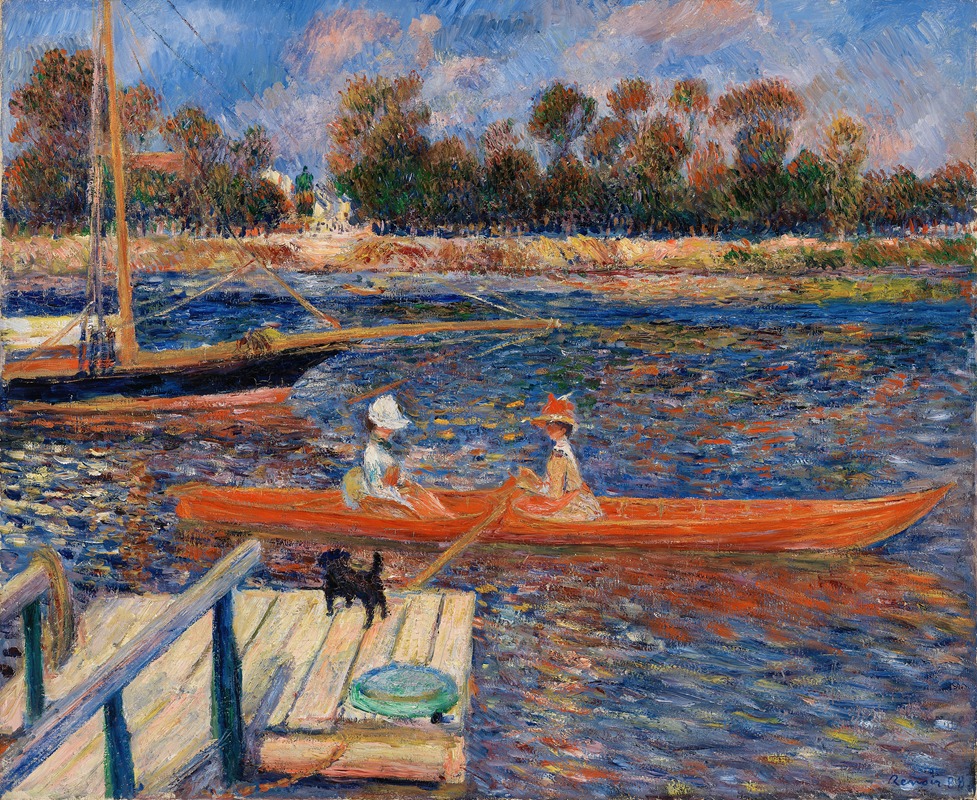
The Seine at Argenteuil (La Seine à Argenteuil)
Pierre-Auguste Renoir
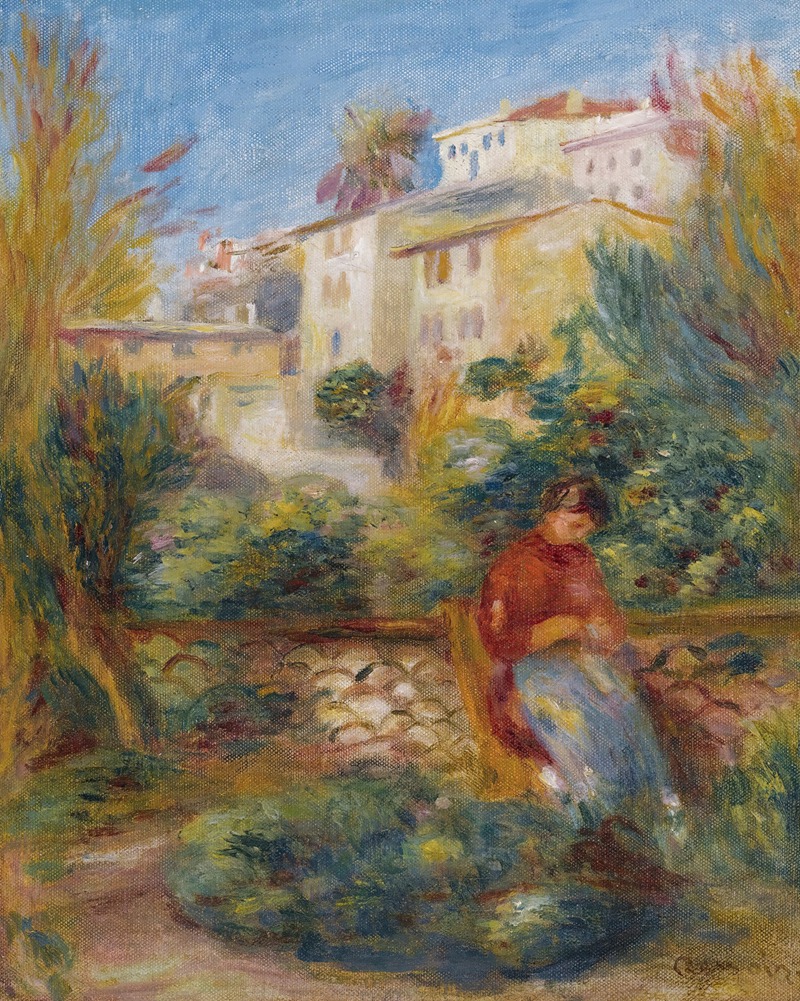
La Terrasse À Cagnes
Pierre-Auguste Renoir
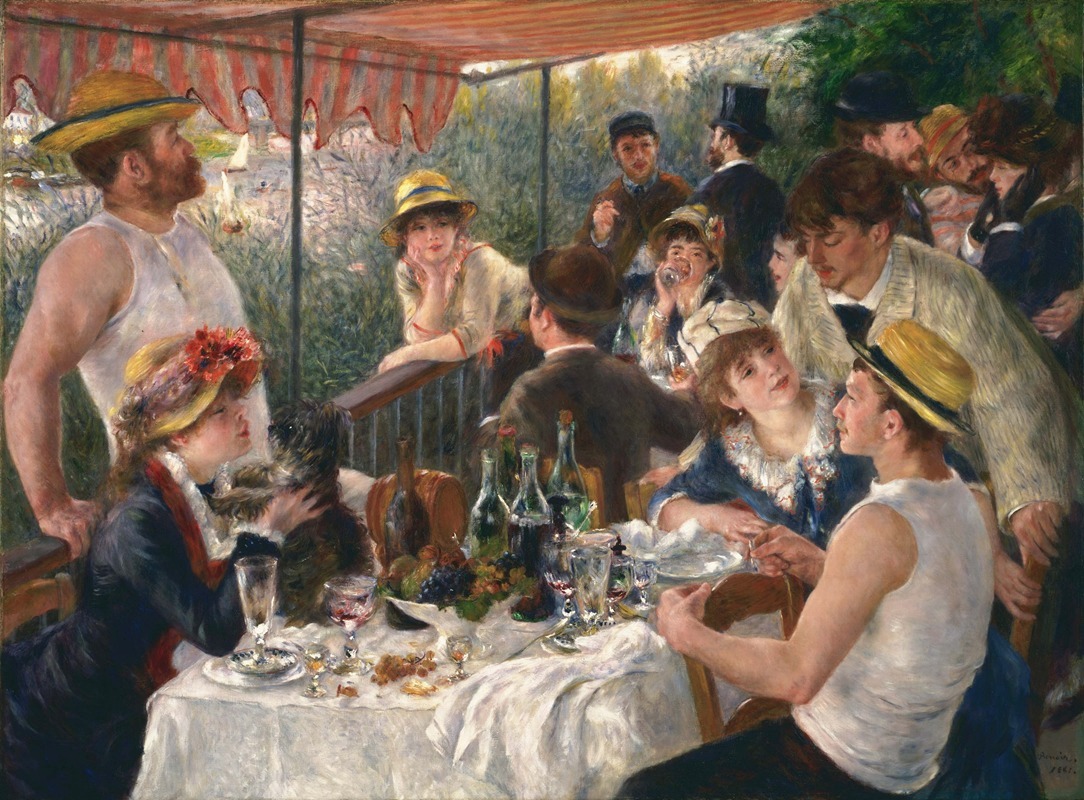
Luncheon of the Boating Party
Pierre-Auguste Renoir
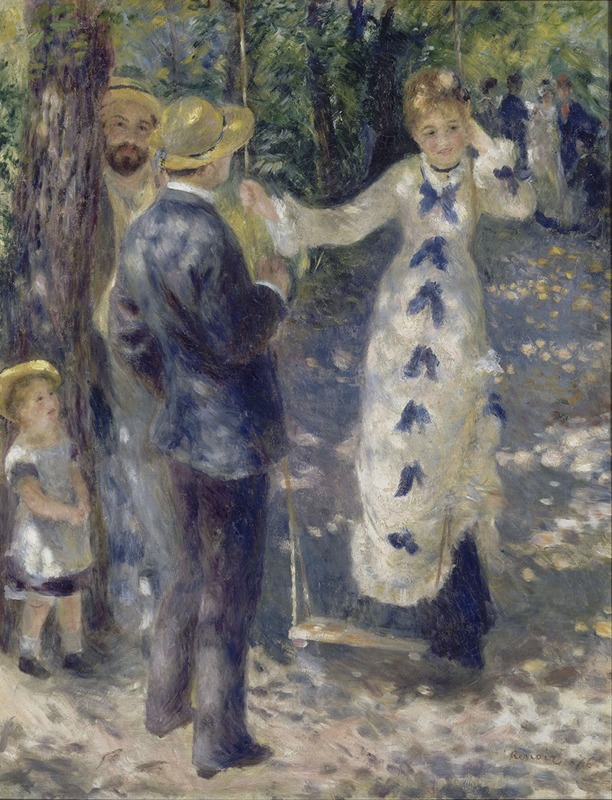
The Swing
Pierre-Auguste Renoir
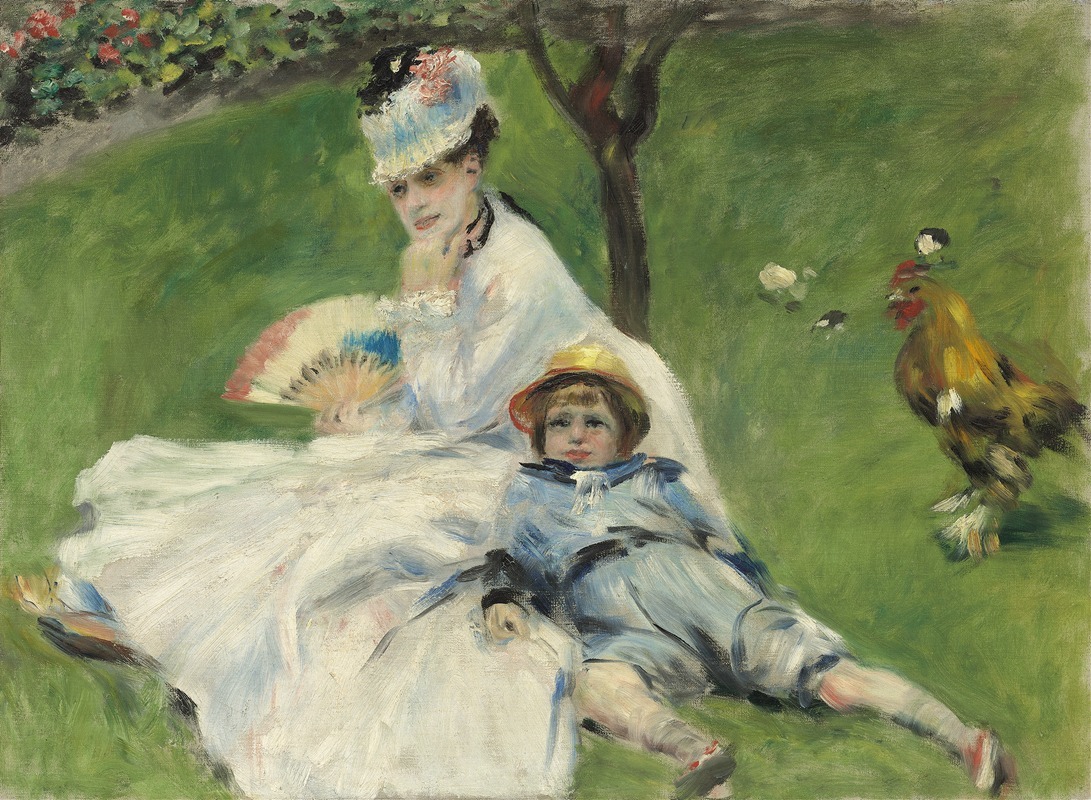
Madame Monet and Her Son
Pierre-Auguste Renoir
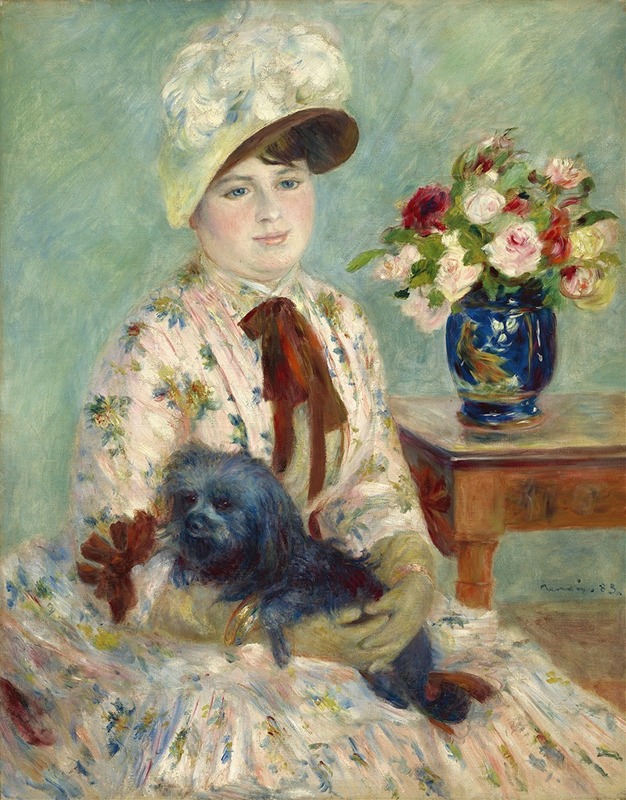
Mlle Charlotte Berthier
Pierre-Auguste Renoir