
Paysanne au bord de l’eau — History & Facts
In the stillness of Paysanne au bord de l’eau, a profound reverence envelops the viewer, inviting a moment of awe. The tranquil water reflects a world that seems untouched and pure, drawing the eye into a deeper contemplation of the human experience amidst nature's embrace. Focus on the woman seated at the water’s edge, her figure bathed in soft light that highlights the texture of her garments. Notice how the gentle ripples in the water mirror the delicate brushwork of the surrounding greenery.
The palette, a harmonious blend of earthy tones and vibrant greens, creates a serene atmosphere that feels alive, as if every leaf rustles with whispers of serenity. The composition is balanced, guiding the viewer’s gaze in a graceful arc from the figure to the shimmering water. As you linger on the artwork, consider the subtle contrasts at play. The peace of the scene juxtaposes the weight of solitude, evoking a quiet introspection.
The figure, though at ease, hints at an inner narrative—perhaps a longing or a moment of reflection that resonates universally. The water serves as a metaphor for life’s flow, while the surrounding nature acts as both a companion and an observer, fostering a deep connection to the landscape. At the time this piece was created, the artist was navigating the shifting tides of the late 19th-century French art scene, where Impressionism was transforming perceptions of light and color. Although the exact date remains uncertain, Trouillebert was active during a period rich with artistic exploration, likely influenced by the naturalistic ideals of the era.
His immersive portrayal of rural life and the interplay of nature illustrates not just a moment captured on canvas, but a heartfelt dialogue between humanity and its environment.
More Artworks by Paul Désiré Trouillebert
Browse all →
Paysage aux lavandières
Paul Désiré Trouillebert
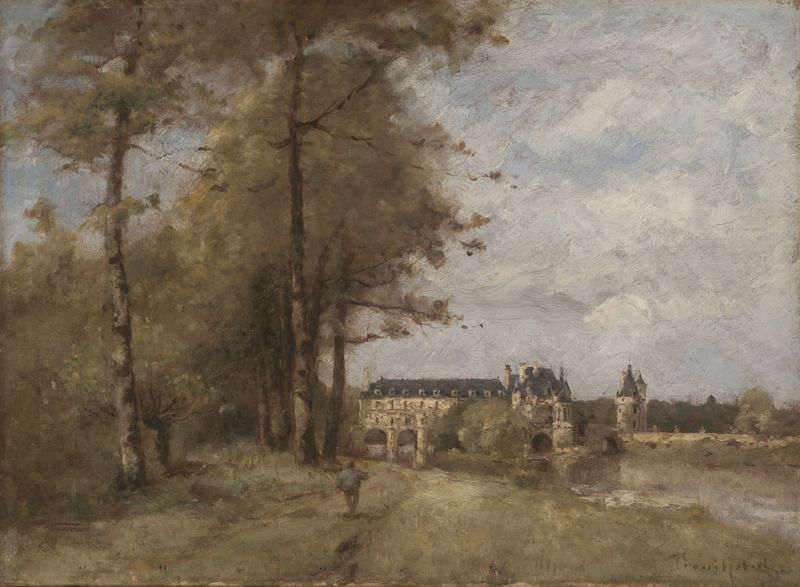
El castillo de Chenonceaux
Paul Désiré Trouillebert
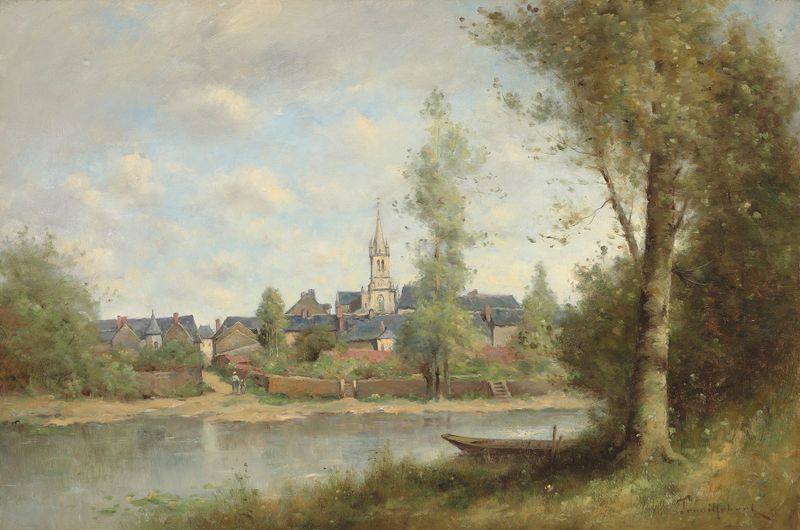
Vue De La Flèche
Paul Désiré Trouillebert

Heimweg am Fluss
Paul Désiré Trouillebert
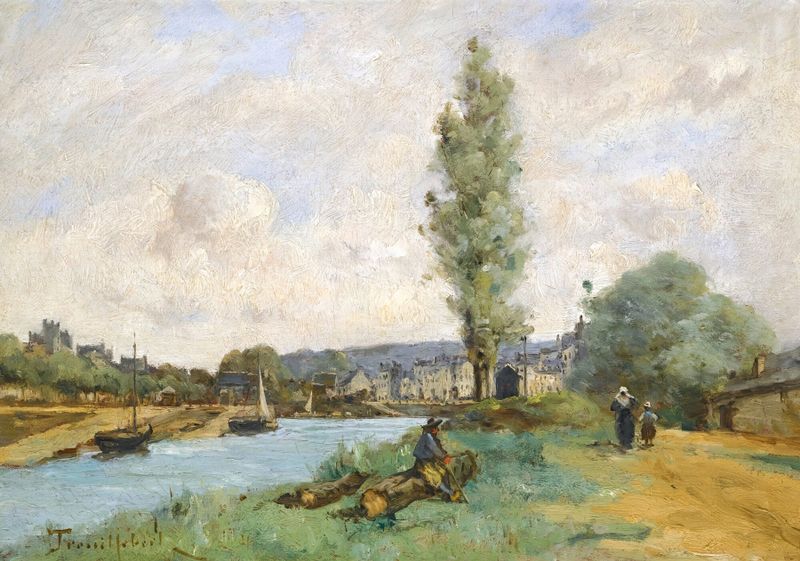
Le Pont De Landernau, Finistere
Paul Désiré Trouillebert
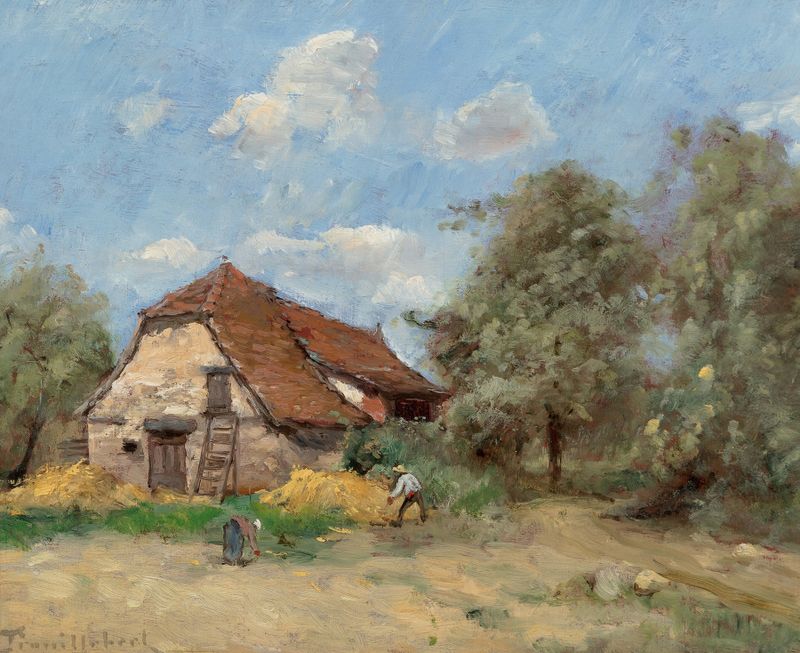
Le faucheur près de la ferme
Paul Désiré Trouillebert
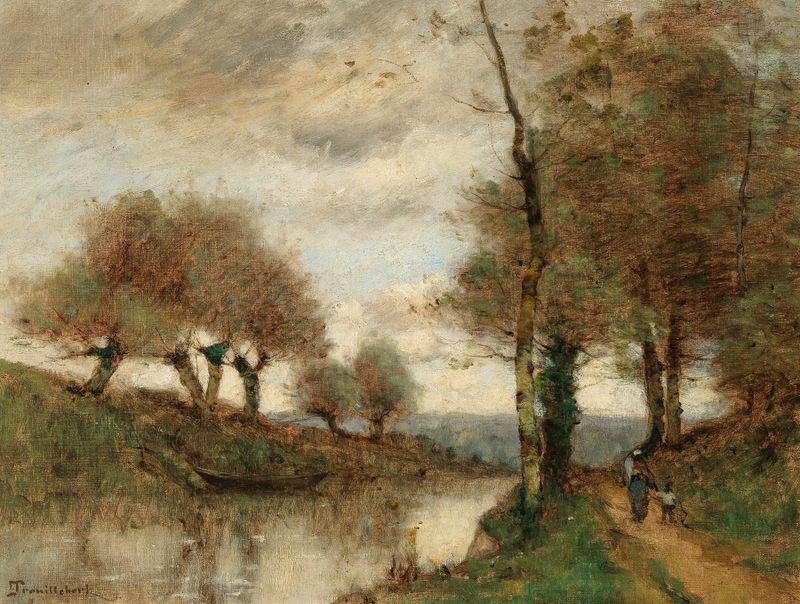
Returning Home along the River
Paul Désiré Trouillebert

Les Fagoteuses Au Bord De L’eau
Paul Désiré Trouillebert
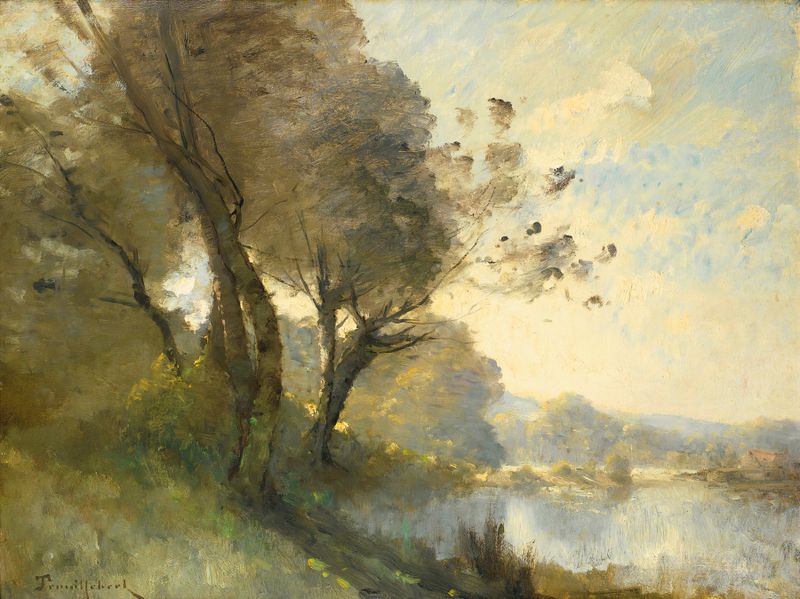
Barrage En Ruine Sur La Vienne
Paul Désiré Trouillebert
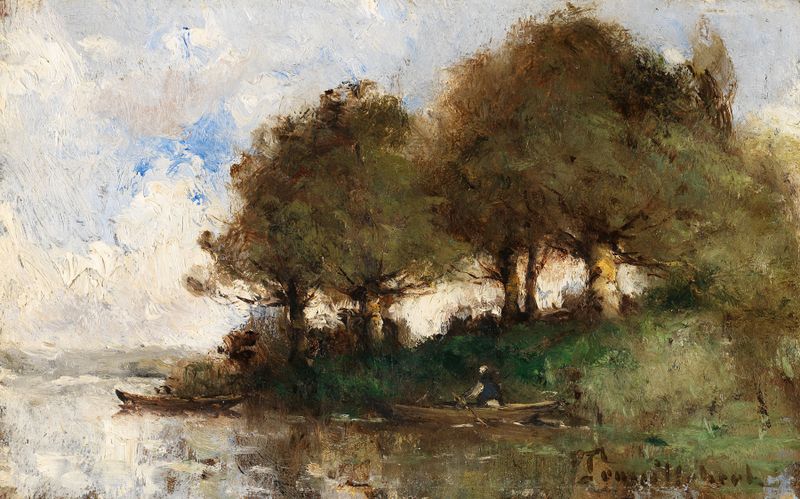
Flussufer
Paul Désiré Trouillebert





