
Peaks and Valleys of the Alps – title page — History & Facts
Can paint confess what words never could? In Peaks and Valleys of the Alps, the interplay of shadow and light weaves a narrative that transcends mere description, inviting a dialogue between the viewer and the majestic landscape. Look closely at the center, where the interplay of shadows accentuates the rugged peaks. The deep blues and grays create a stark contrast against the soft whites of the snow-capped summits. Notice how Walton uses subtle gradations of color to suggest the play of sunlight over the terrain, emphasizing both the grandeur and the solitude of the Alpine landscape.
Each brushstroke reveals a meticulous attention to detail, drawing the eye through the valleys and towards the looming cliffs. Yet, beneath the beauty lies a profound tension — the shadows suggest more than mere absence of light. They evoke the weight of history, the untold stories that linger in the hollows of the mountains. The peaks, while soaring and magnificent, also encapsulate isolation, a reminder of nature's sublime yet indifferent power.
This duality reflects the internal struggle between human ambition and the overwhelming force of the natural world, compelling us to consider our place within it. In 1867, Walton created this pivotal work during a period when Romantic ideals were evolving into a more profound engagement with realism. Living in an era marked by rapid industrialization, the artist sought solace in the untouched beauty of the Alps. His choice to depict such a vast and formidable landscape reflects a desire to connect with nature's raw essence, a stark contrast to the encroaching changes of modern life.
More Artworks by Elijah Walton
Browse all →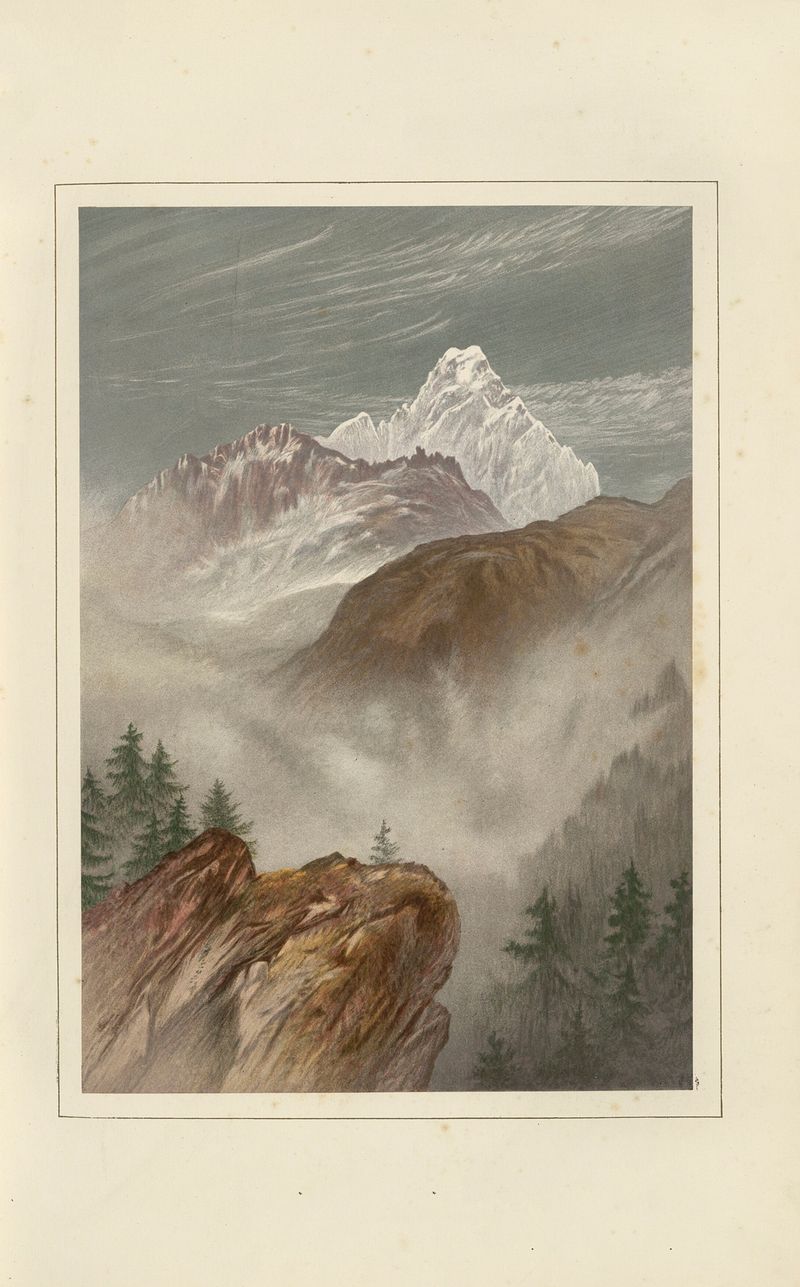
Monte Viso, from the south
Elijah Walton

The Matterhorn
Elijah Walton

The Gorner glacier
Elijah Walton

The Cascade de Roget and the Pointe de Salles
Elijah Walton
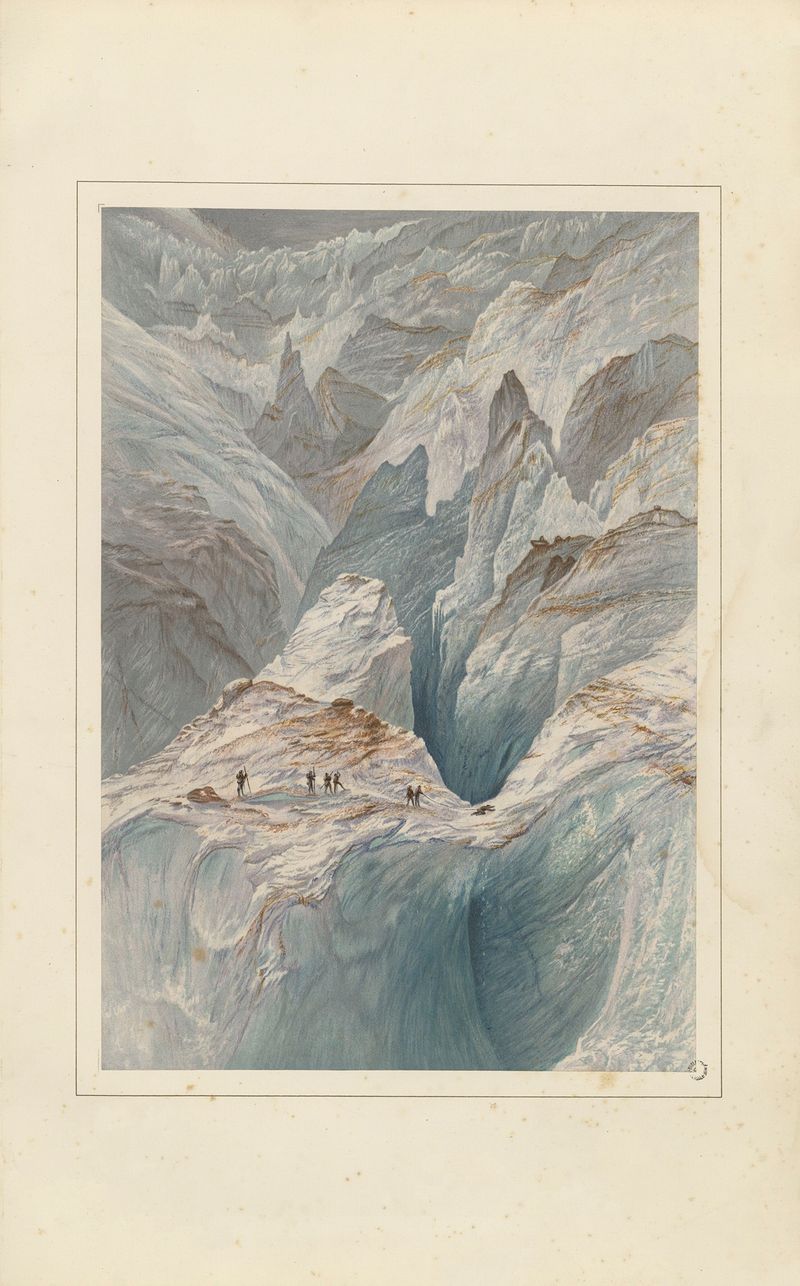
Crevasses on the Mer de Glace
Elijah Walton
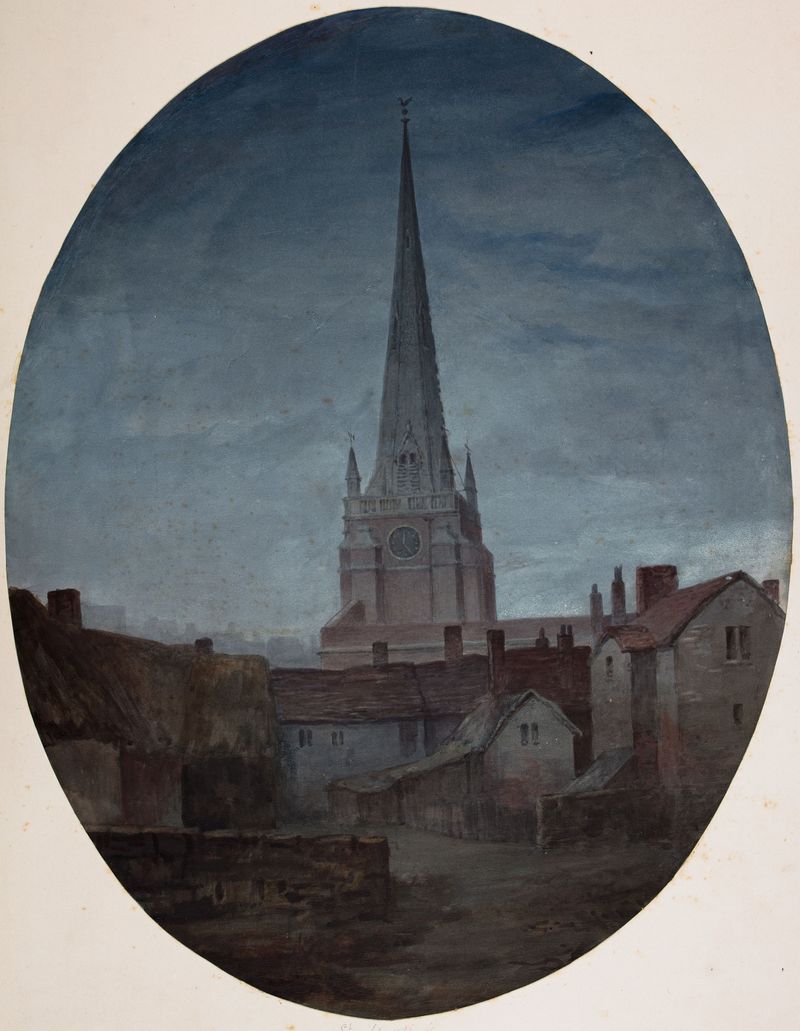
St Martin’s Church Birmingham, By Night
Elijah Walton

The Weisshorn, from near St. Niklaus
Elijah Walton

Monte Viso, from the Col de La Croix
Elijah Walton
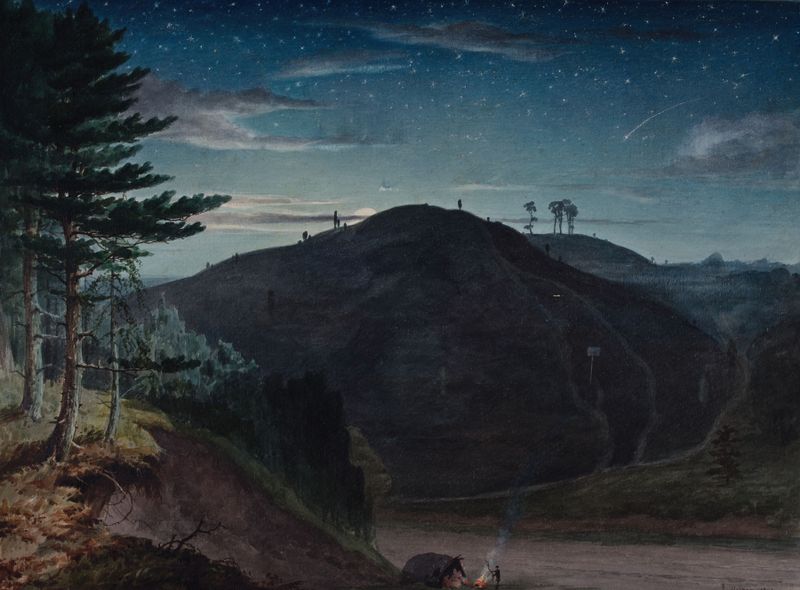
Cofton From Rednal, Moonlight
Elijah Walton
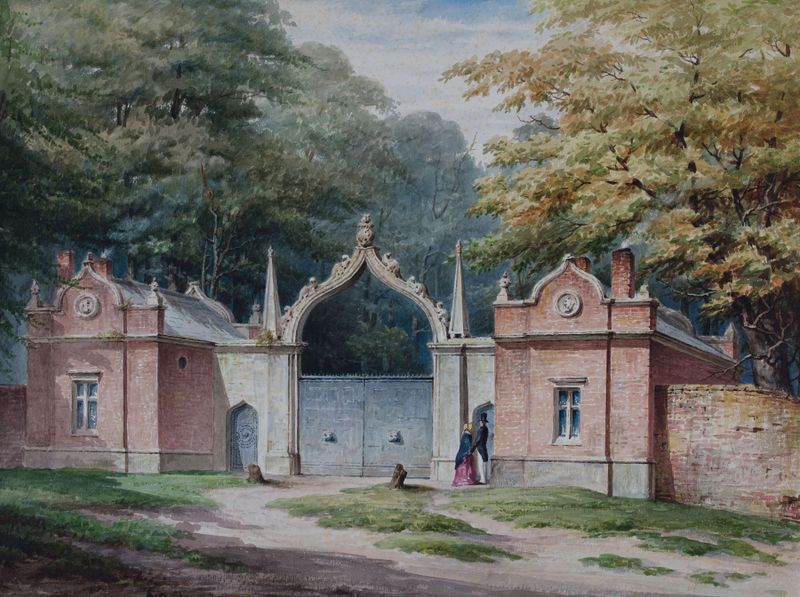
Lodge Gates, Entrance To Aston Hall
Elijah Walton





