
Pede-Sainte-Anne (église du village) — History & Facts
What if silence could speak through light? In Pede-Sainte-Anne (église du village), Jean-François Taelemans captures a stillness that breathes, hinting at the chaos simmering beneath the surface of serene rural life. Focus your gaze on the church, standing resolute against a backdrop of muted greens and browns. The light cascades gently across the façade, illuminating the weathered stones while casting elongated shadows that dance with the creeping dusk. Notice how the artist employs a palette of soft pastels, suggesting a calmness that belies the emotional undercurrents swirling around the village.
The sparse figures, lost in their own thoughts, seem almost ghostly, their gestures conveying a profound solitude. Beneath the tranquil surface lies a tension between faith and isolation. The church represents a place of solace, yet the empty spaces around it evoke a sense of madness — a disconnect between the communal hope usually found in such sacred spaces and the solitude experienced by its parishioners. The juxtaposition of light and shadow serves as a metaphor for the struggle between inner turmoil and outward serenity, revealing a world that feels both anchored and adrift. Created in 1912, this piece reflects Taelemans' commitment to capturing the essence of Belgian life amidst a rapidly changing society.
Living in a time when the tensions of modernity were beginning to surface, he navigated the delicate balance of tradition and innovation in his work. At this moment, the art world was experiencing shifts that would soon lead to the avant-garde movements of the 20th century, making his quiet reflections on village life all the more poignant.
More Artworks by Jean-François Taelemans
Browse all →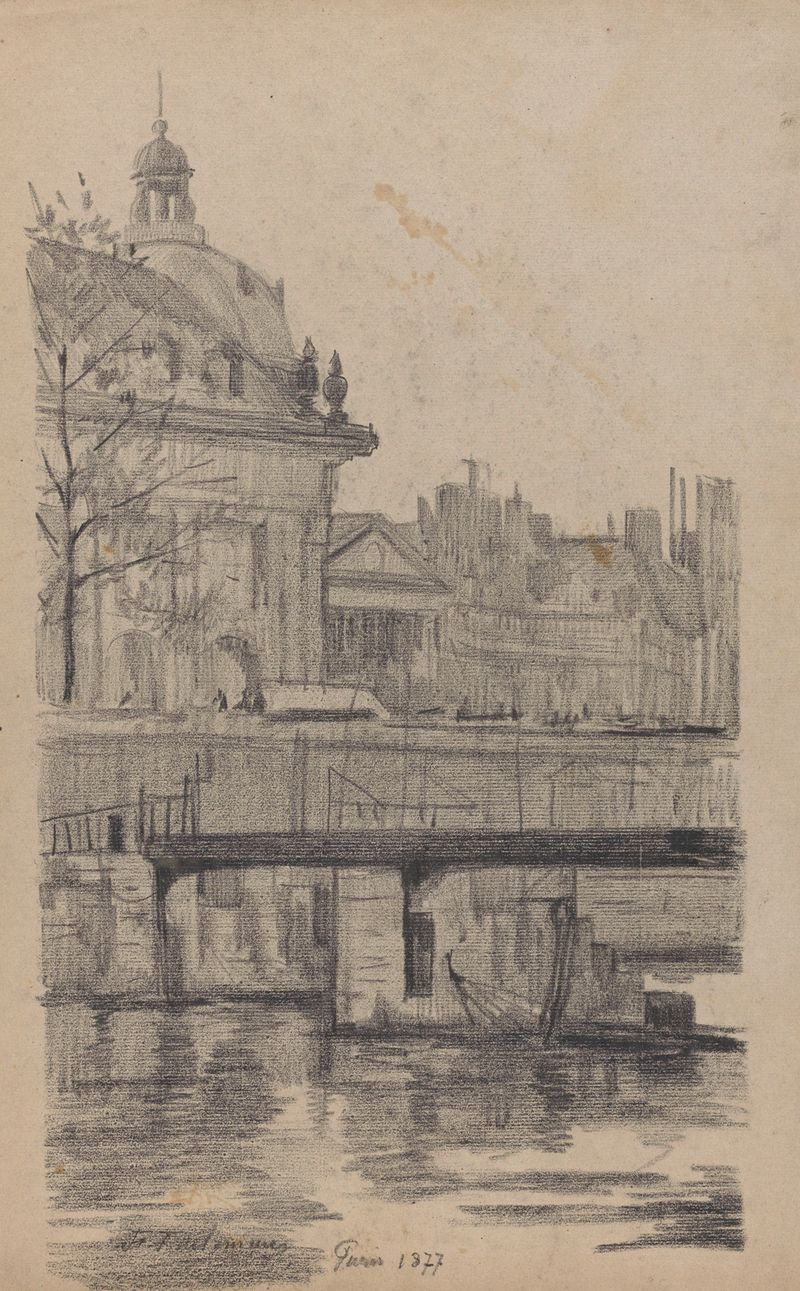
Paris (vue de la Seine et du Collège des Quatre Nations (actuellement siège de l’Institut de France)
Jean-François Taelemans
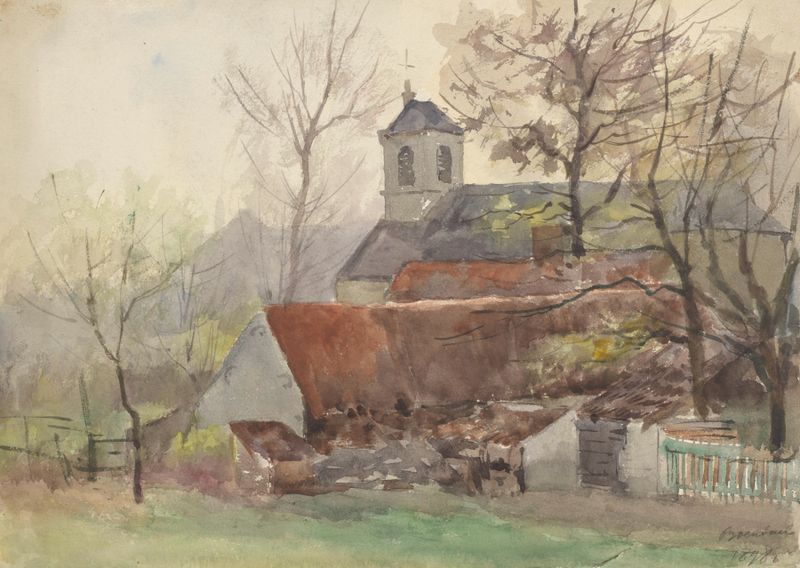
Boendael (église)
Jean-François Taelemans
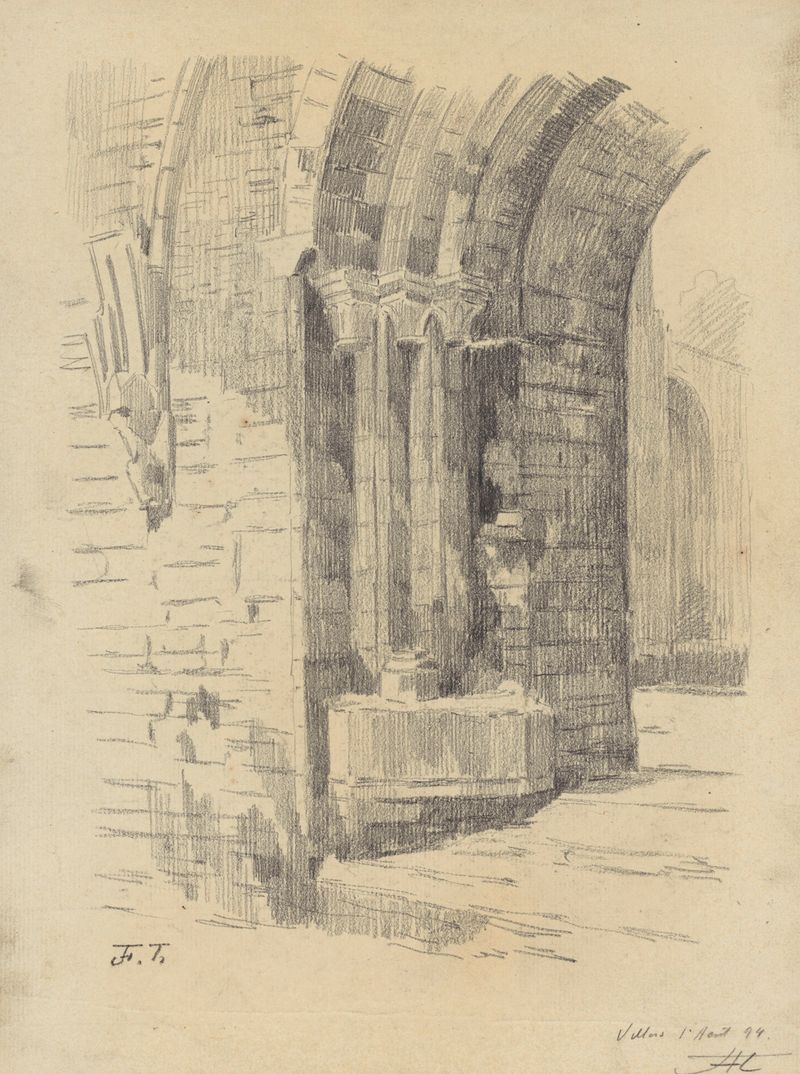
Ruines de l’abbaye de Villers-la-Ville – porche entre le cloître et l’église abbatiale (côté droit)
Jean-François Taelemans
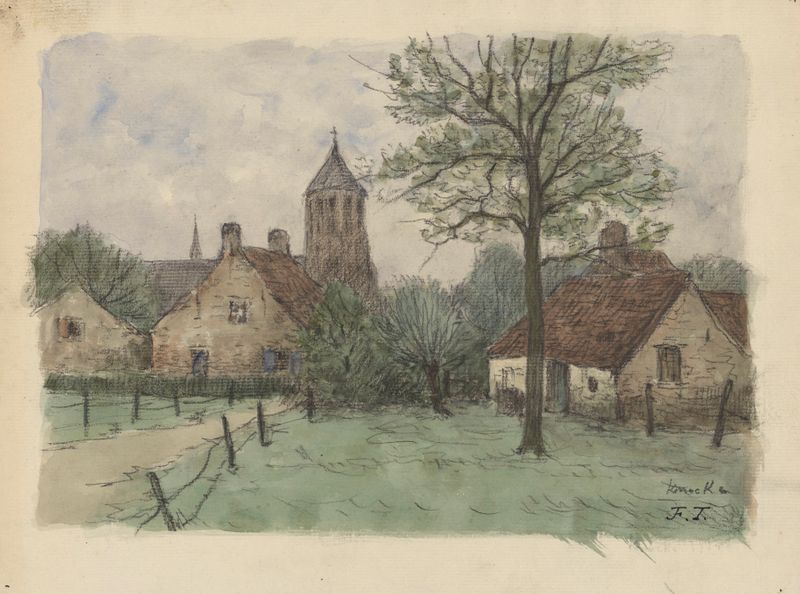
Village et église Sint Margaretha à Knocke
Jean-François Taelemans
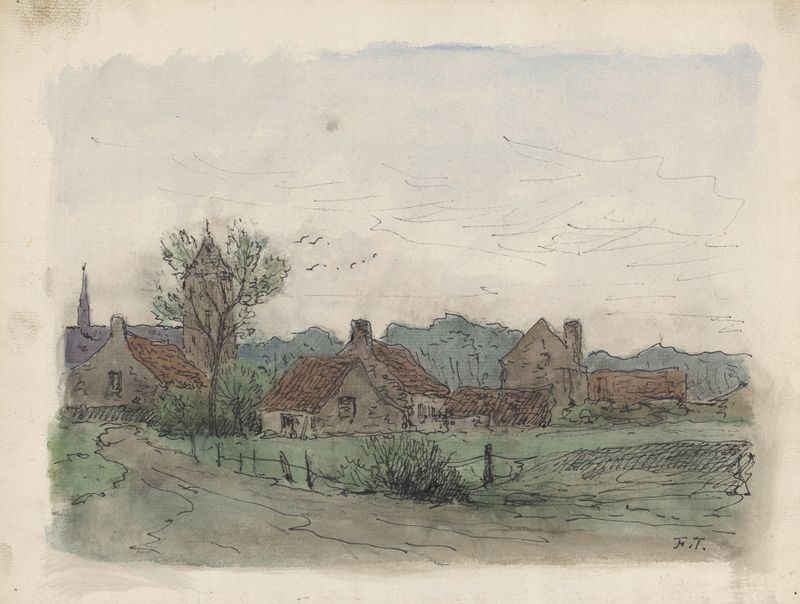
Village
Jean-François Taelemans
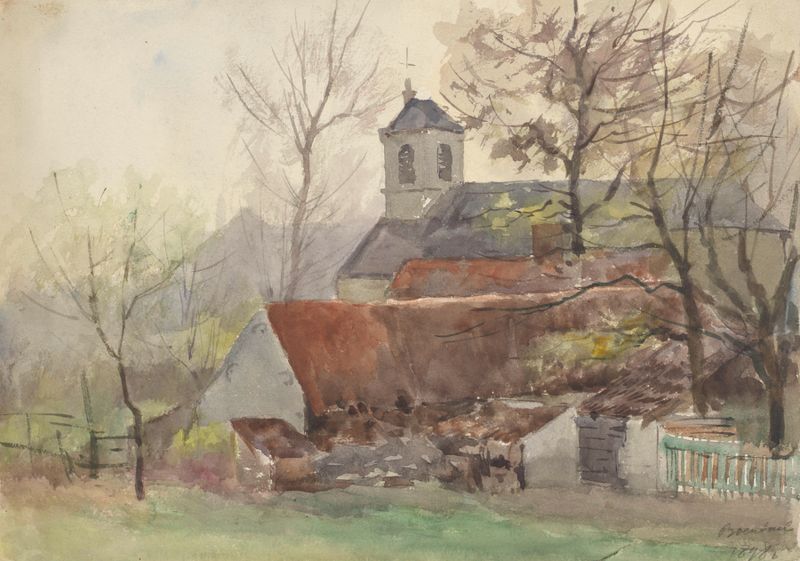
Boendael (église)
Jean-François Taelemans
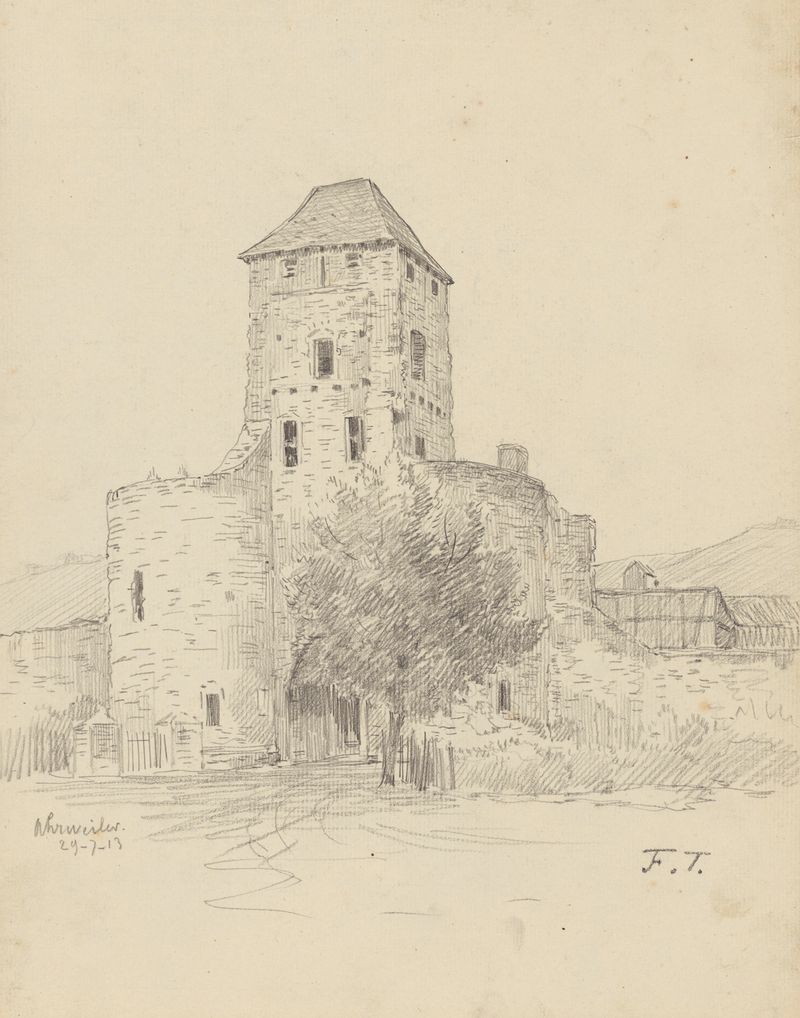
Vieille tour (porte) à Ahrweiler (Allemagne)
Jean-François Taelemans
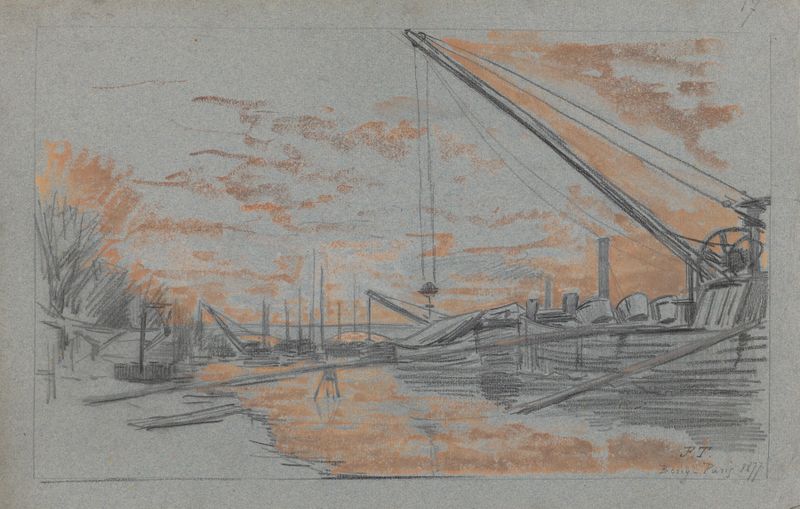
Bercy – Paris (bord de Seine avec chalands à l’ancre en cours de chargement, soleil couchant)
Jean-François Taelemans
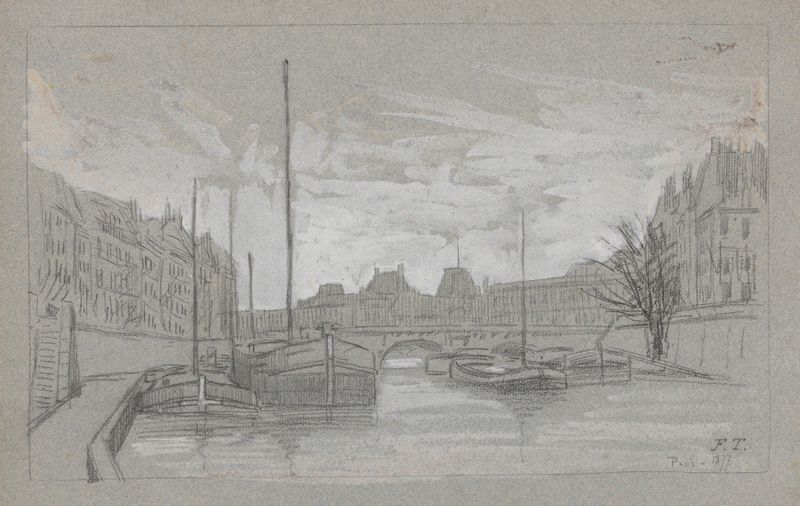
Paris (bateaux sur la Seine près d’un pont)
Jean-François Taelemans
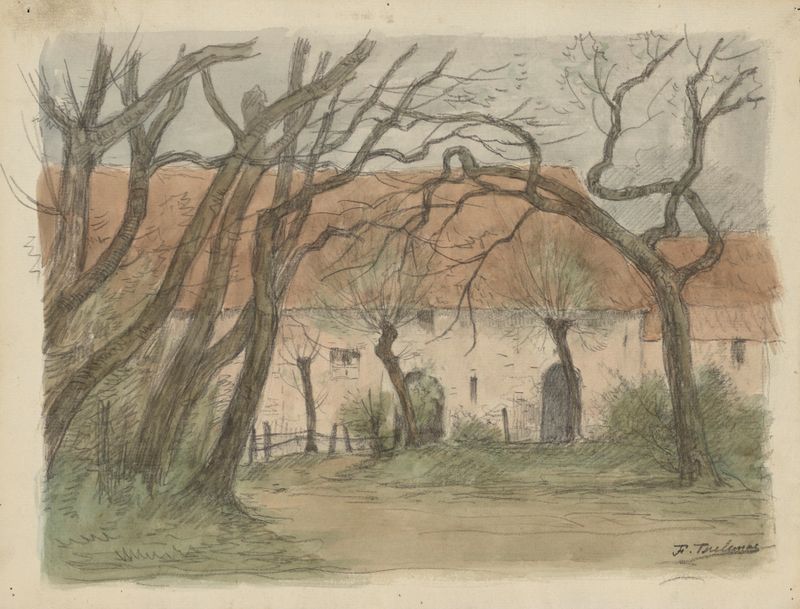
Grande maison campagnarde derrière un bouquet d’arbres
Jean-François Taelemans
More Architecture Art
Browse all →
The statue of Liberty
Frédéric Auguste Bartholdi

View of Houses in Delft, Known as ‘The Little Street’
Johannes Vermeer

View of Houses in Delft, Known as ‘The Little Street’
Johannes Vermeer

The Cathedral in Rouen. The portal, Grey Weather
Claude Monet

The yellow house
Vincent van Gogh

The Church in Auvers-sur-Oise, View from the Chevet
Vincent van Gogh