
Pendennis Castle and the entrance to Falmouth Harbour, Cornwall; Scene after a Wreck — History & Facts
In the tumult of nature's wrath, violence and beauty intertwine, revealing the fragile line between destruction and awe. A stillness grips the viewer, beckoning them to reflect on this eternal dance of chaos and serenity. Look to the left at the tumultuous waves crashing against jagged rocks, their frothy crests glinting with hints of sunlight. Notice how Turner captures the tumult with swift, almost frantic brushstrokes, conveying the power of the storm.
The sky, a tempestuous blend of bruised purples and violent grays, looms above, while the distant calm of Falmouth Harbour offers a stark contrast. The shipwreck, barely discernible amidst the chaos, draws the eye, urging one to seek the story woven into the fabric of the scene. Delve deeper into the emotional tensions at play—the juxtaposition of the serene harbor against the savage sea reflects the duality of human experience. The wreck serves as a poignant reminder of mortality, whispered softly amidst the roaring waves.
The play of light throughout the chaos hints at hope, suggesting that even in violence, beauty and tranquility linger just beyond the horizon. In this period, Turner was grappling with personal loss and the changing tides of the art world. Painted in the early 19th century, he was at the forefront of Romanticism, exploring themes of nature's power and human vulnerability. The tumult of history—industrialization, societal upheaval—permeated his work, breathing life into every stroke, revealing an artist deeply aware of both his internal struggles and the world beyond.
More Artworks by Joseph Mallord William Turner
Browse all →
Dort or Dordrecht- The Dort Packet-Boat from Rotterdam Becalmed
Joseph Mallord William Turner
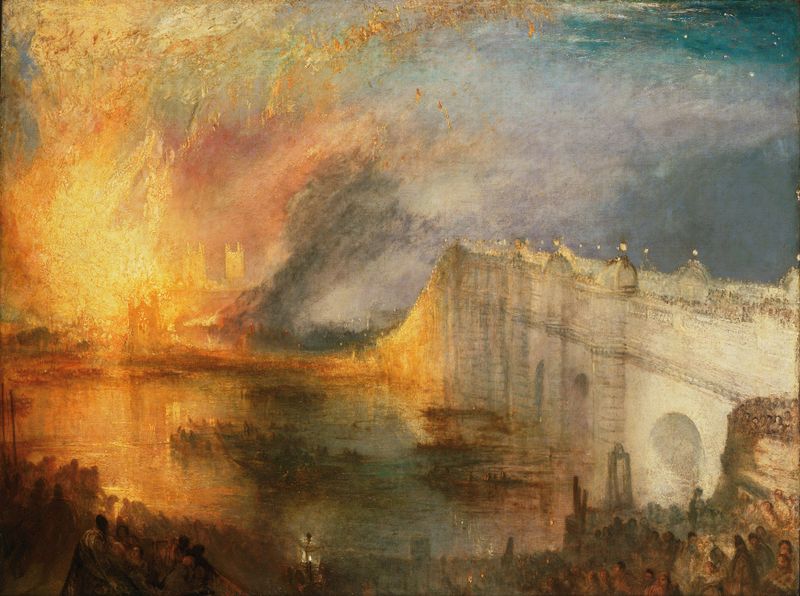
The Burning of the Houses of Lords and Commons, October 16, 1834
Joseph Mallord William Turner
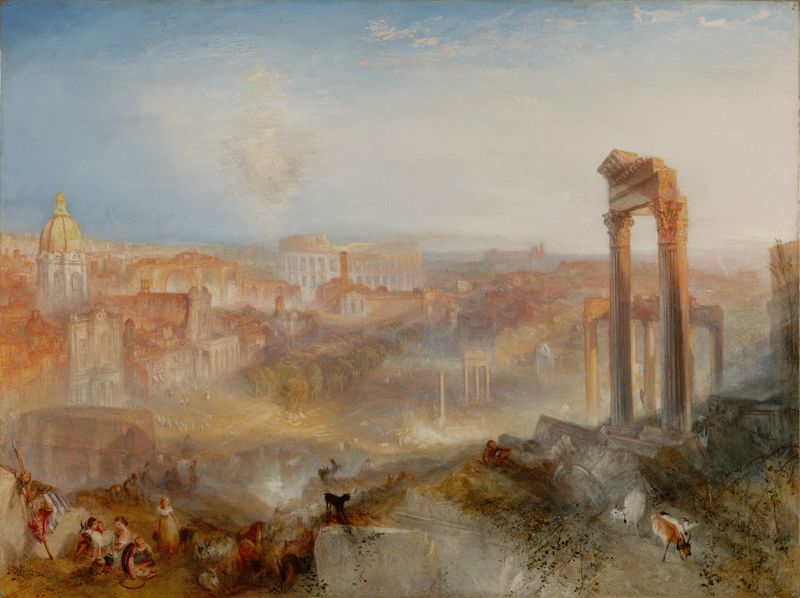
Modern Rome – Campo Vaccino
Joseph Mallord William Turner
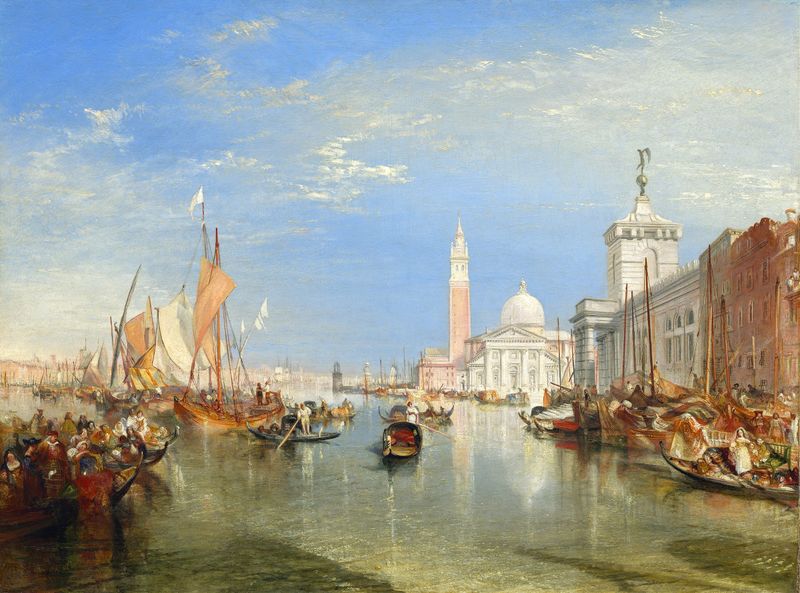
Venice – The Dogana and San Giorgio Maggiore
Joseph Mallord William Turner

The Burning of the Houses of Lords and Commons, 16 October 1834
Joseph Mallord William Turner
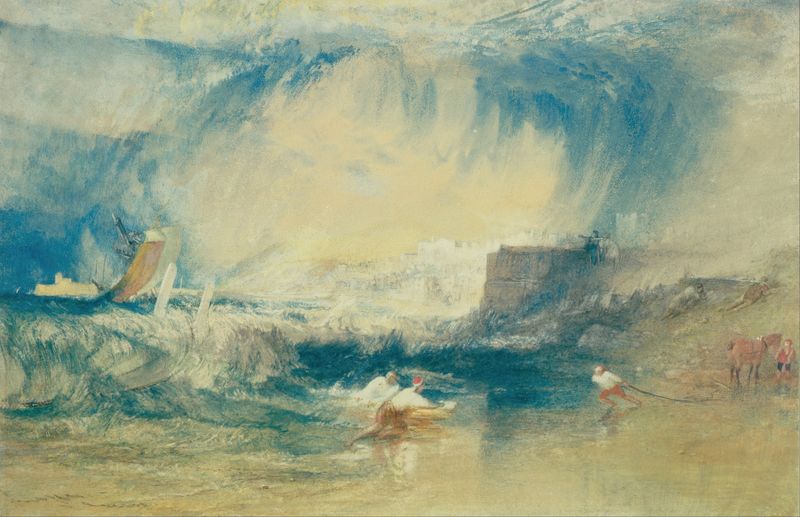
Lyme Regis, Dorsetshire, England
Joseph Mallord William Turner
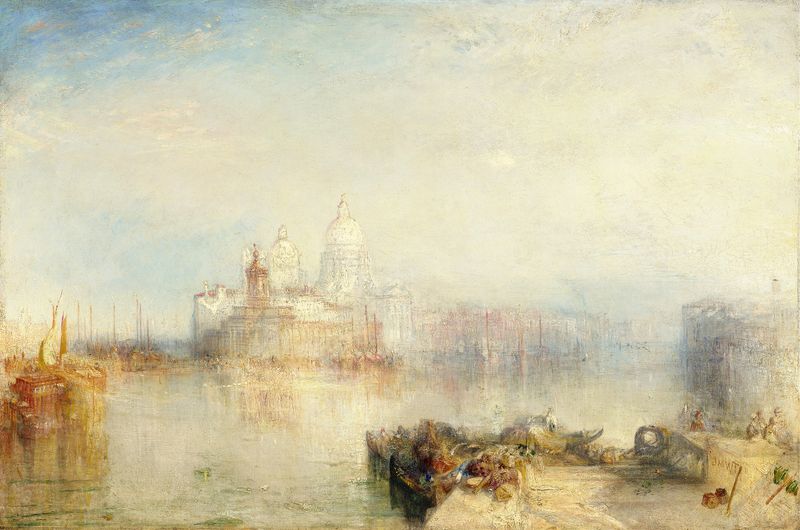
The Dogana and Santa Maria della Salute, Venice
Joseph Mallord William Turner
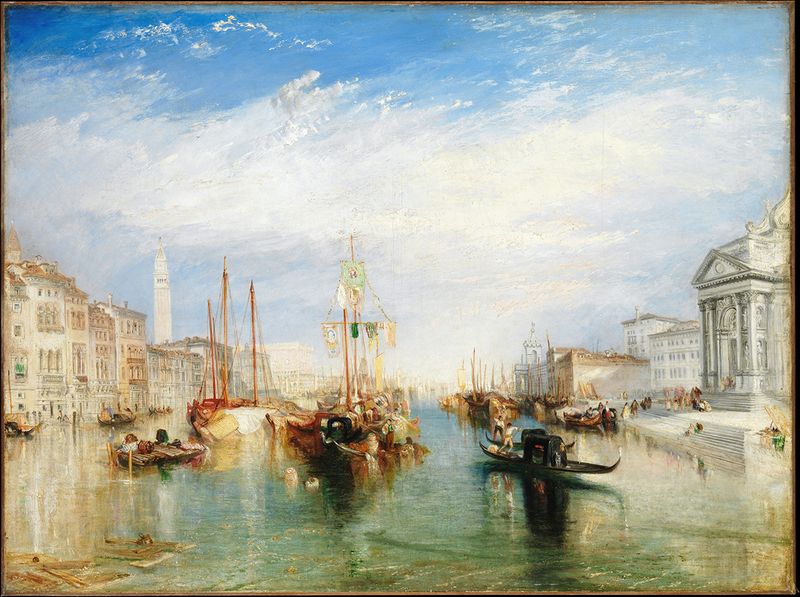
Venice, from the Porch of Madonna della Salute
Joseph Mallord William Turner
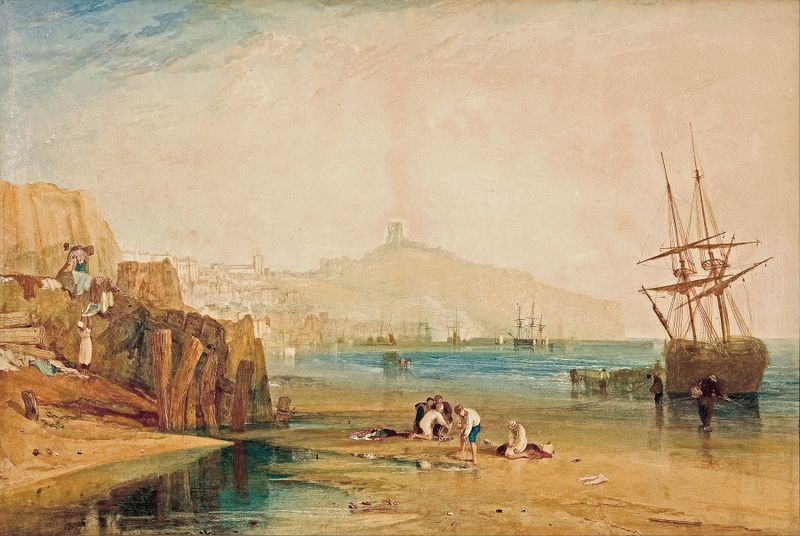
Scarborough town and castle; morning; boys catching crabs
Joseph Mallord William Turner
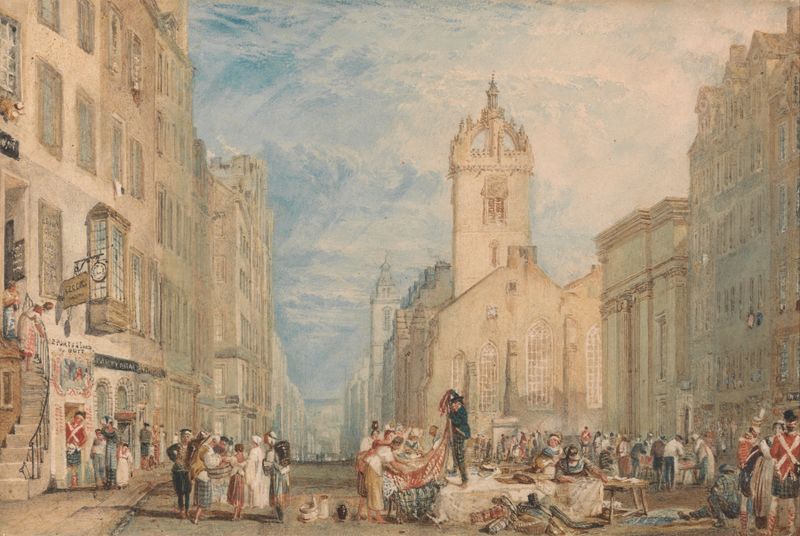
High Street, Edinburgh
Joseph Mallord William Turner




