Peony Garden — History & Facts
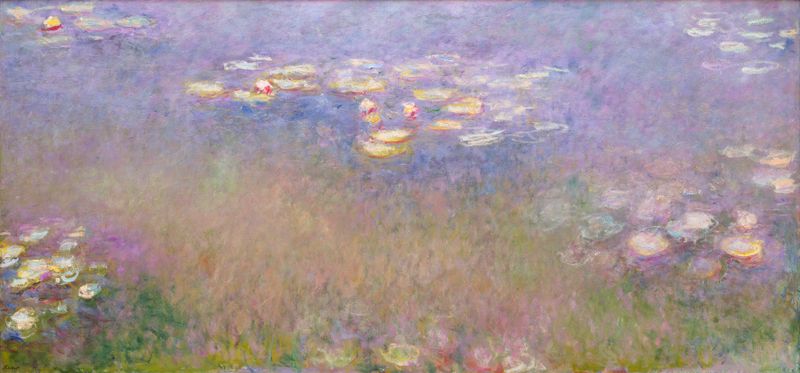
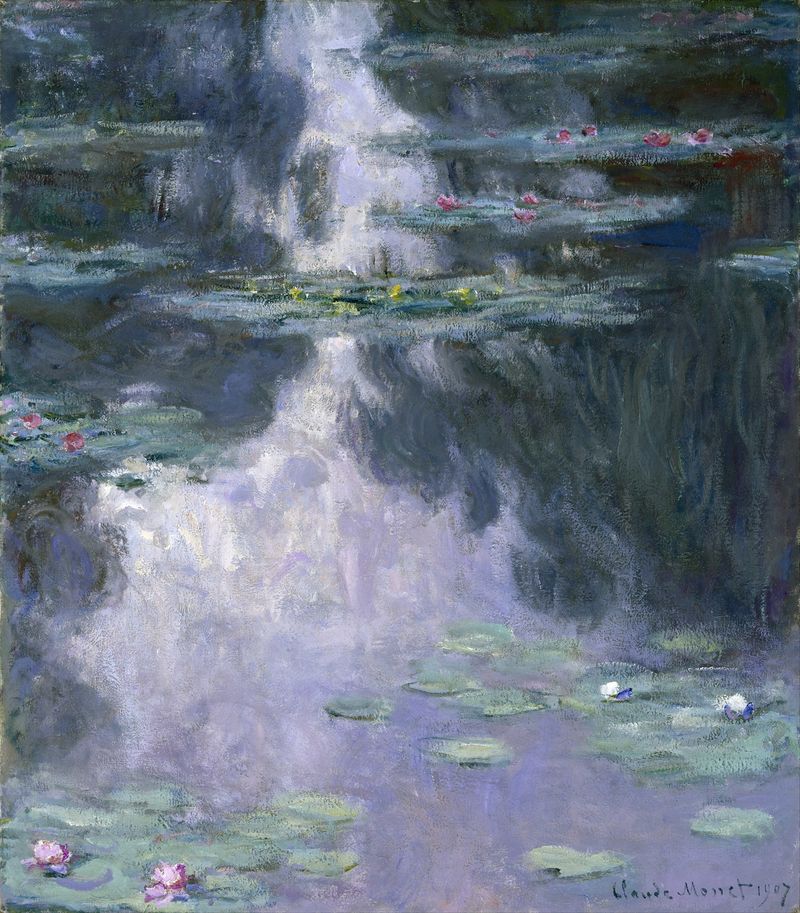
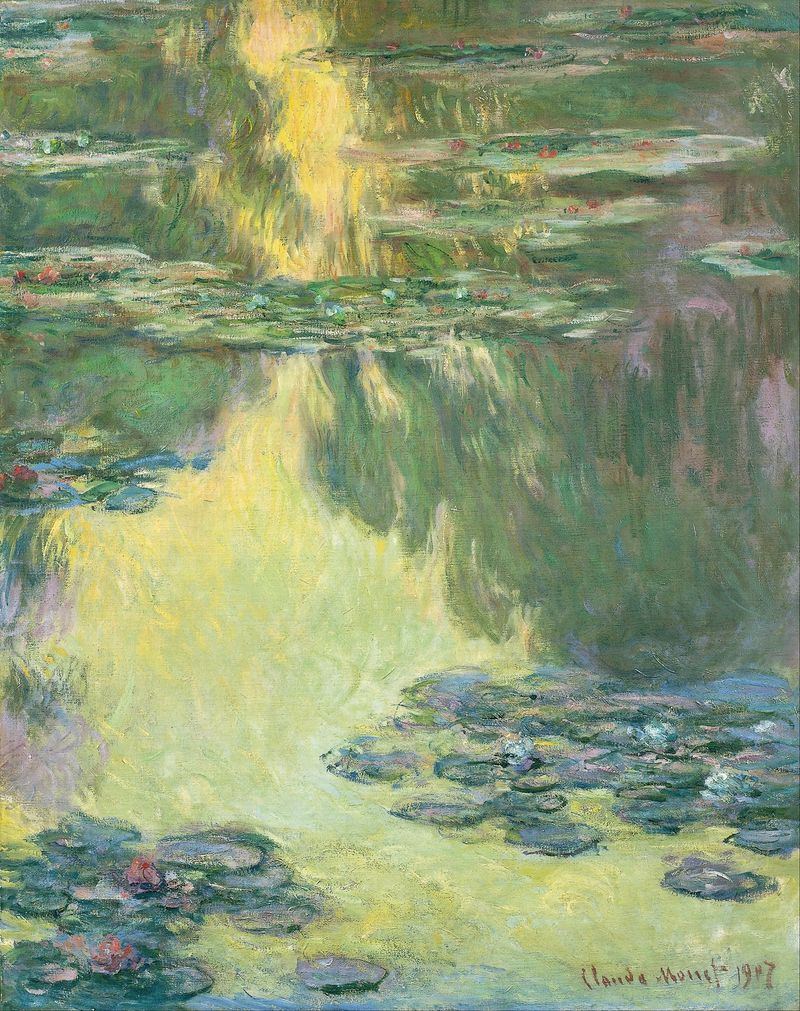
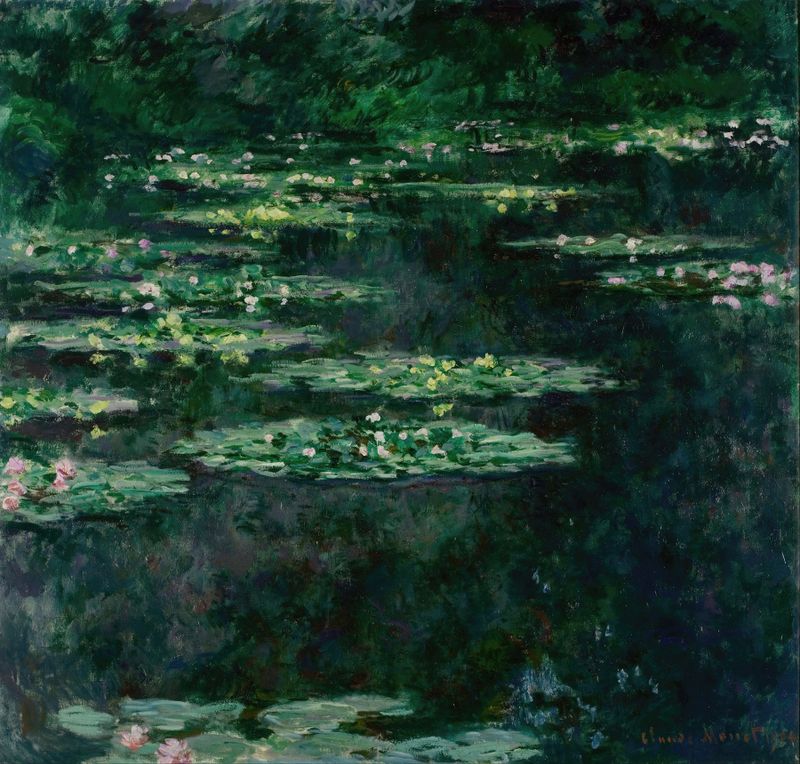
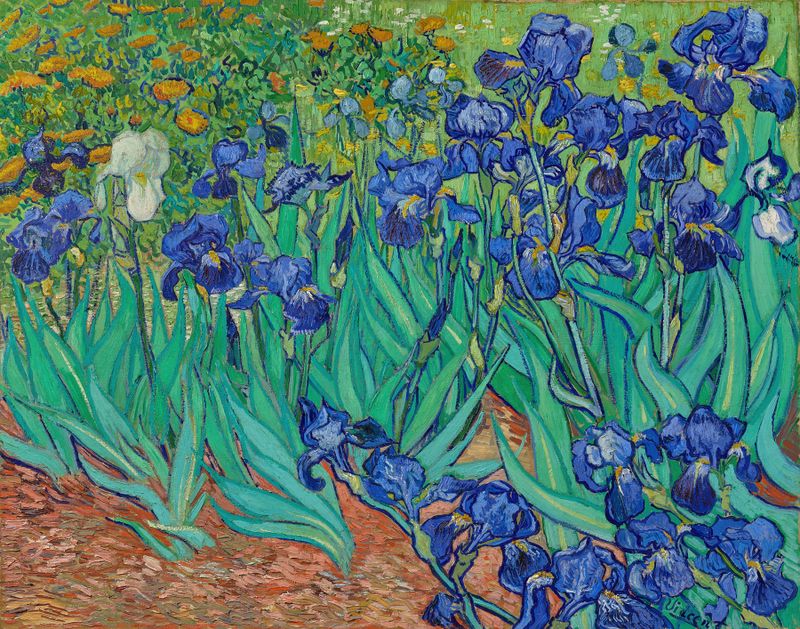
A lush garden comes alive with vibrant colors, where blooms compete for attention beneath the dappled sunlight. Monet captures a moment suspended in time: petals flutter in a gentle breeze, whispering secrets of nature’s beauty. Yet, an unspoken tension lingers, as if the tranquility hides a tempest beneath its serene surface. Look to the left at the riotous explosion of peonies, their rich pinks and whites bleeding into one another with vigorous brushstrokes.
The artist's loose techniques evoke movement and life, while the juxtaposition of dark greens grounds the flowers, highlighting their delicate vibrancy. Notice how the sunlight dances upon the petals, each brushstroke revealing the layers of texture that breathe energy into the canvas, inviting you deeper into the scene. However, beneath this florid display lies a dichotomy of existence. The garden, typically a symbol of peace, hints at an underlying violence—nature’s beauty often results from tumultuous growth.
The chaos of colors embodies the struggle for life and survival, transforming the idyllic setting into a battleground of flora. Each bloom, while beautiful, is a testament to the harsh realities of nature, where beauty and brutality coexist. In 1887, Monet immersed himself in his garden at Giverny, surrounded by the burgeoning Impressionist movement. The artist, grappling with personal challenges and the changing art world, sought solace in his floral haven.
This period marked a time of exploration and evolution in his work, where he began to embrace the complexities of light and color, reflecting not only the beauty of his surroundings but the deeper tensions entwined within them.