
Perchtoldsdorf — History & Facts
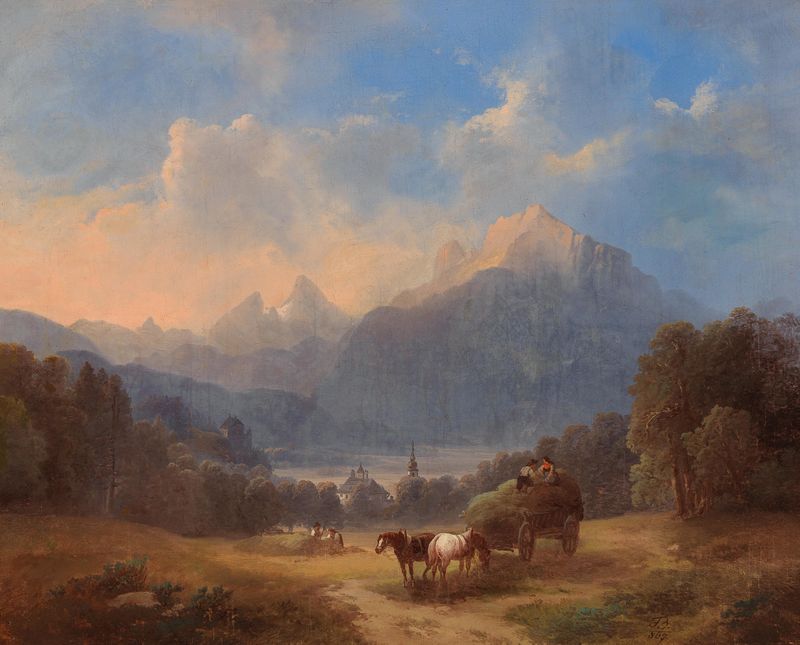
Every brushstroke captures a fleeting moment, yet the essence of movement lingers within the stillness. How does a painter transform the inexorable passage of time into a visual symphony? Look to the center of the composition, where the dynamic interplay of light and shadow creates a sense of rhythm. Notice how the flowing lines of the landscape guide your gaze toward the horizon, inviting you into a world poised between reality and dream.
The vibrant hues of green juxtaposed against earthy browns create an organic movement that makes the viewer feel the undulation of the hills and the whisper of the trees. Upon closer examination, subtle details emerge that deepen the emotional impact. The delicate strokes in the foliage suggest the gentle caress of a breeze, while the distant mountains convey a sense of stability amidst the ephemeral. What appears as a serene scene also carries an underlying tension, as the varying depths of color hint at the duality of permanence and change, inviting contemplation on the passage of time and the impermanence of life. In 1844, the artist was immersed in a world undergoing significant transformation, both personally and artistically.
Living in the Austrian countryside, Barbarini sought to convey the essence of nature through his unique style. During this period, the Romantic movement was gaining momentum, encouraging artists to explore emotional depth and the beauty of the natural world, which undoubtedly influenced his approach in Perchtoldsdorf.
More Artworks by Franz Barbarini
Browse all →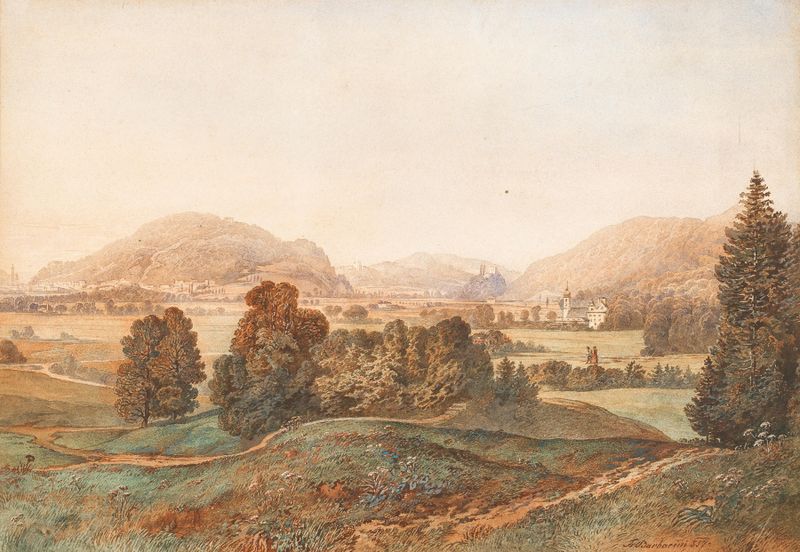
A landscape with church and Aigen castle seen from south east
Franz Barbarini
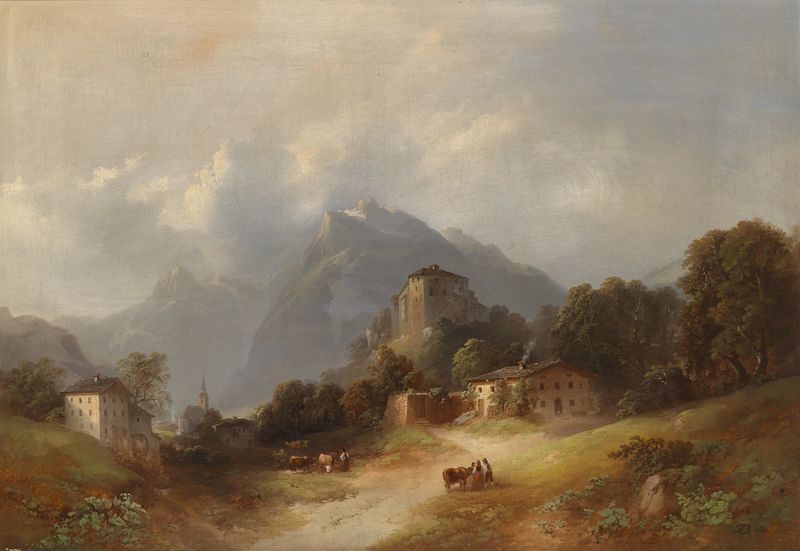
Landschaft
Franz Barbarini
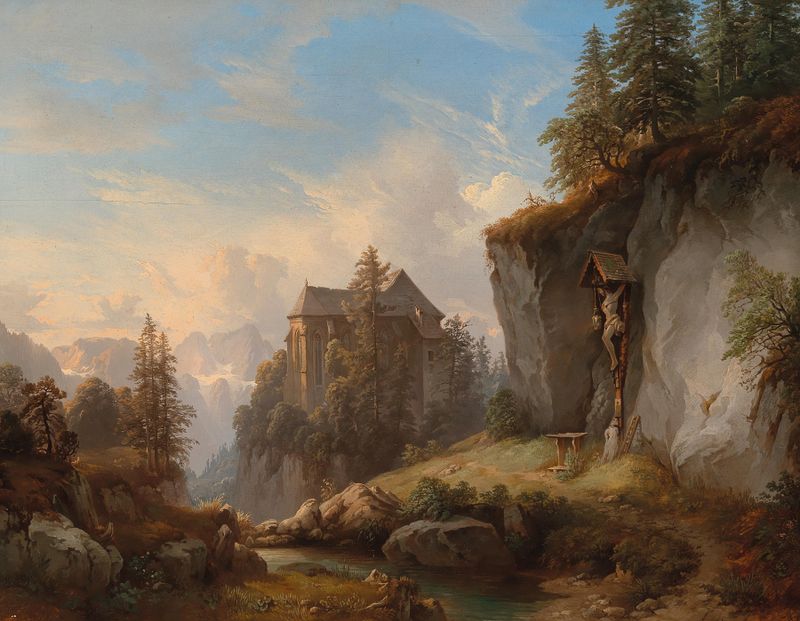
A Mountain Landscape with a Chapel and Wayside Shrine
Franz Barbarini

Blick Auf St. Wolfgang Am Wolfgangsee
Franz Barbarini

Blick über Prag von Petrin aus
Franz Barbarini

Gebhardskapelle bei Bregenz
Franz Barbarini

Motiv aus Südtirol
Franz Barbarini
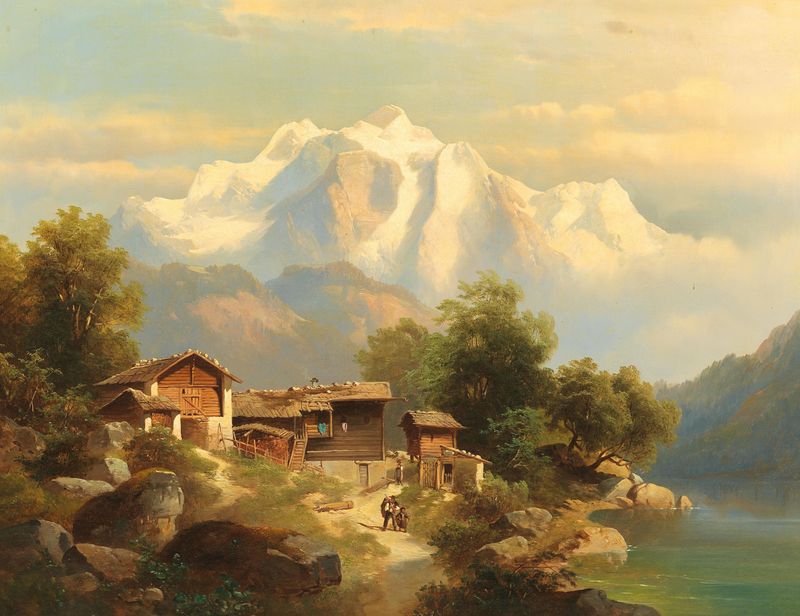
Scene In Switzerland
Franz Barbarini
Scene Of The Salzkammergut
Franz Barbarini

Gebirgsstraße in Tirol
Franz Barbarini





