
Perugia — History & Facts
Did the painter know this moment would outlive them? In Perugia, Hermann Lismann captures a fleeting yet monumental expression of grief that resonates across time, a poignant reminder of life’s impermanence. Look to the center of the canvas, where a solitary figure stands beneath a vast sky, enveloped by an ethereal glow. The artist employs a muted palette of blues and greys, allowing the soft brushstrokes to create a sense of stillness and introspection. The expansive horizon beckons with an almost haunting beauty, while the delicate interplay of light suggests a lingering hope amid sorrow.
Each stroke embodies a meditation on loss, inviting the viewer to share in this deeply personal space. As you immerse yourself further, notice the contrasting elements: the solidity of the figure juxtaposed against the fluidity of the landscape. This tension reflects the weight of mourning, yet there’s a subtle hint of resilience. The distant hills, shrouded in mist, symbolize the unknown future, evoking both uncertainty and the promise of healing.
Lismann masterfully balances these emotions, giving life to the complex journey of navigating grief. Created in 1923, Lismann painted Perugia during a period of profound change in Europe. The aftermath of World War I cast a long shadow over artists, many of whom grappled with themes of loss and renewal. At this time, Lismann was exploring new artistic expressions while embedding his work with the emotional gravitas that defined his era, creating a legacy that speaks to both the individual and collective human experience.
More Artworks by Hermann Lismann
Browse all →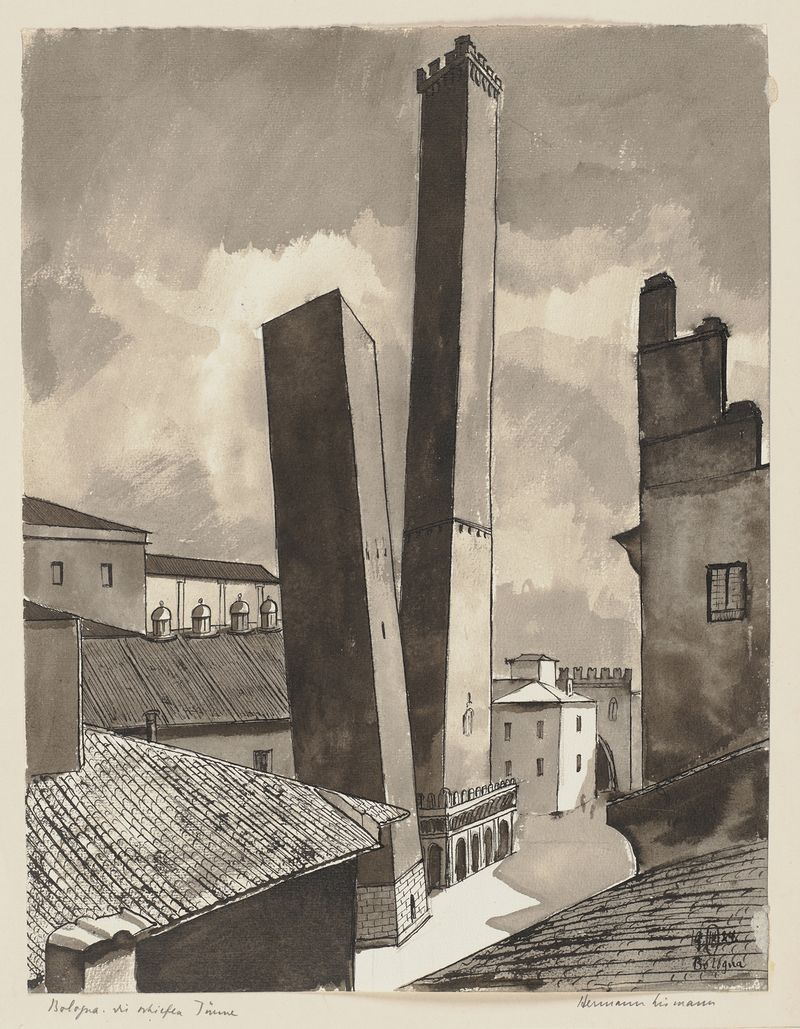
Die beiden Türme Garisenda und Asinelli in Bologna
Hermann Lismann
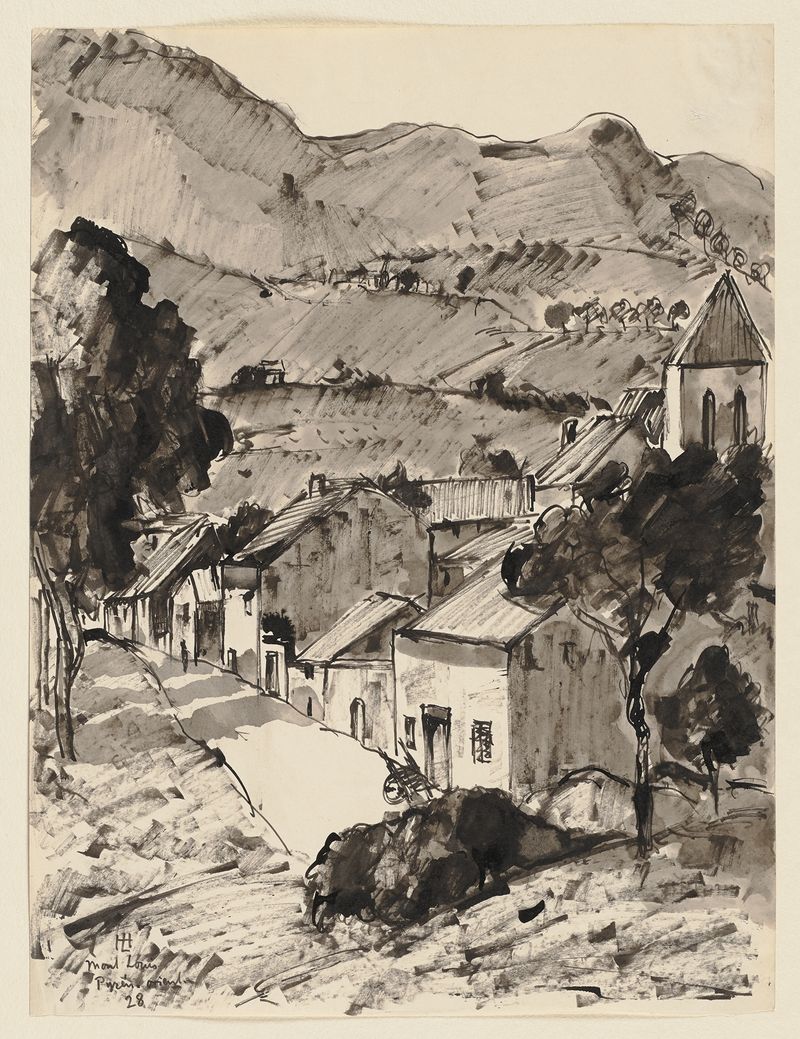
Mont-Louis
Hermann Lismann
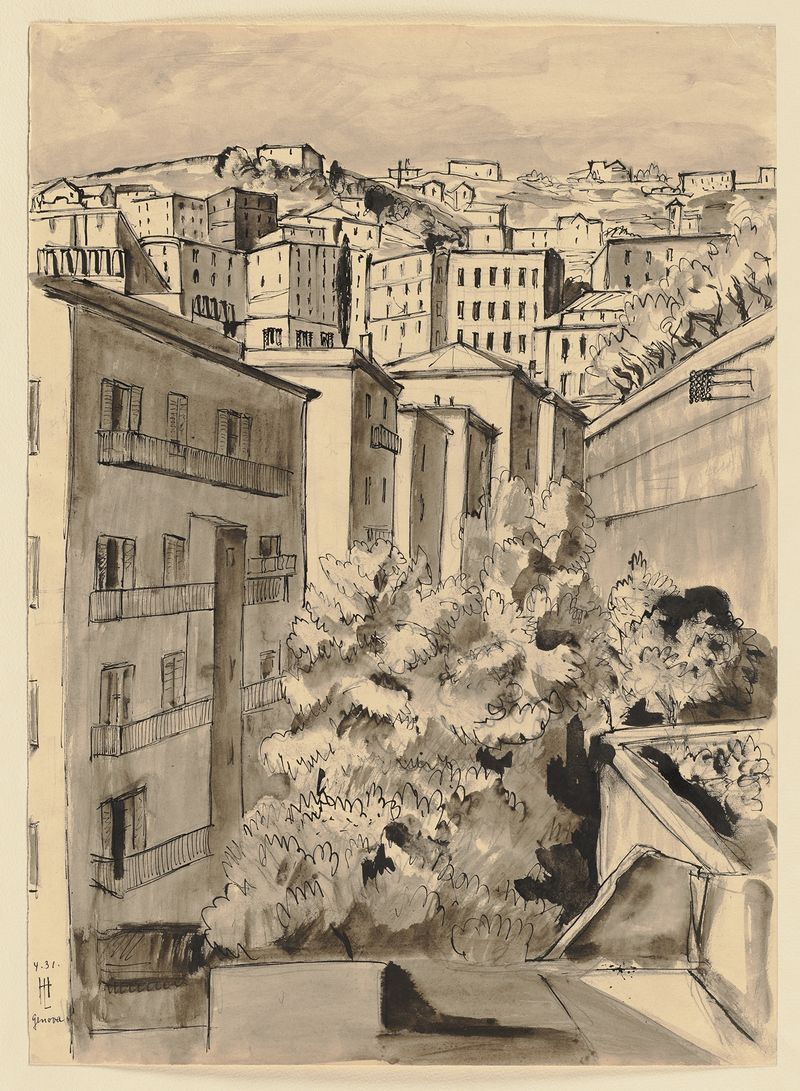
View of Genoa
Hermann Lismann
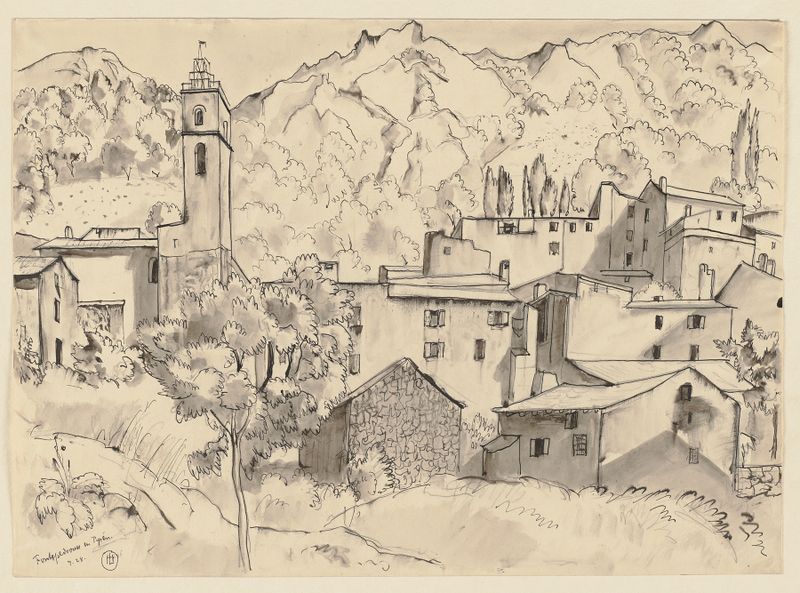
Fontpédrouse en Pyrénées
Hermann Lismann
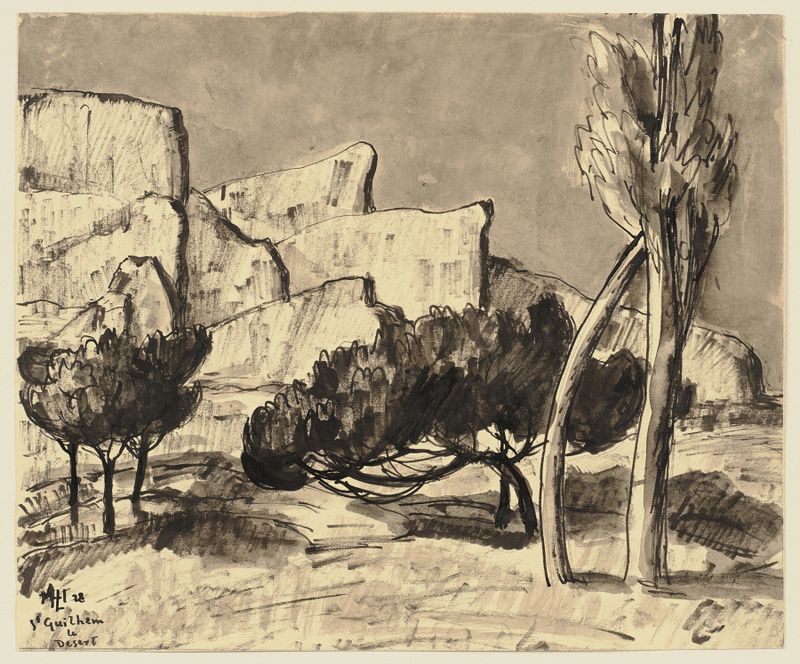
Saint-Guilhem-le-Désert
Hermann Lismann
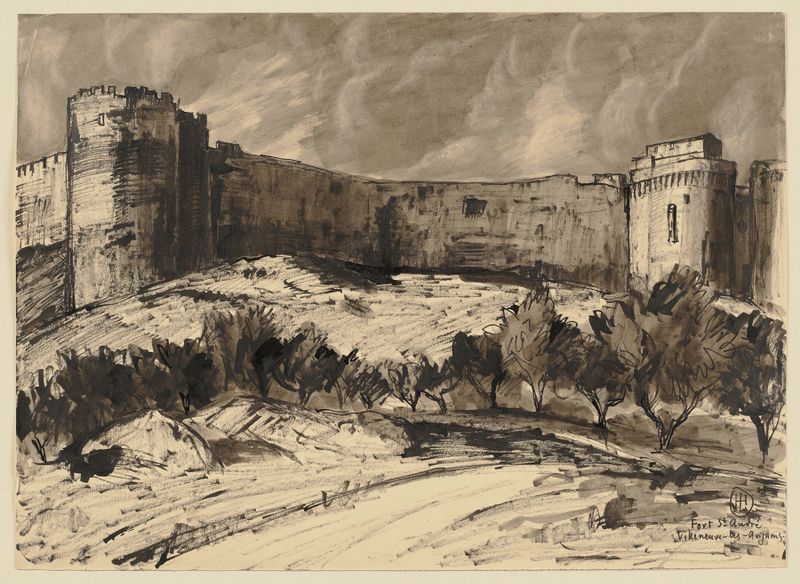
Fort Saint-André in Villeneuve-les-Avignon
Hermann Lismann
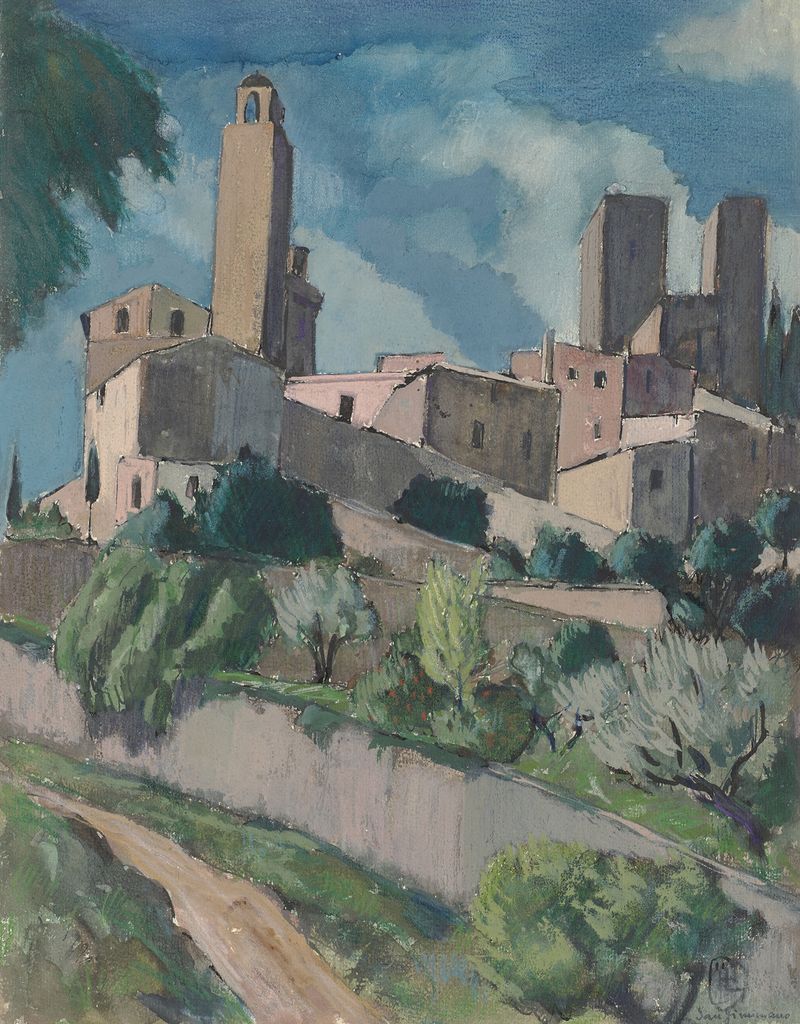
San Gimignano
Hermann Lismann
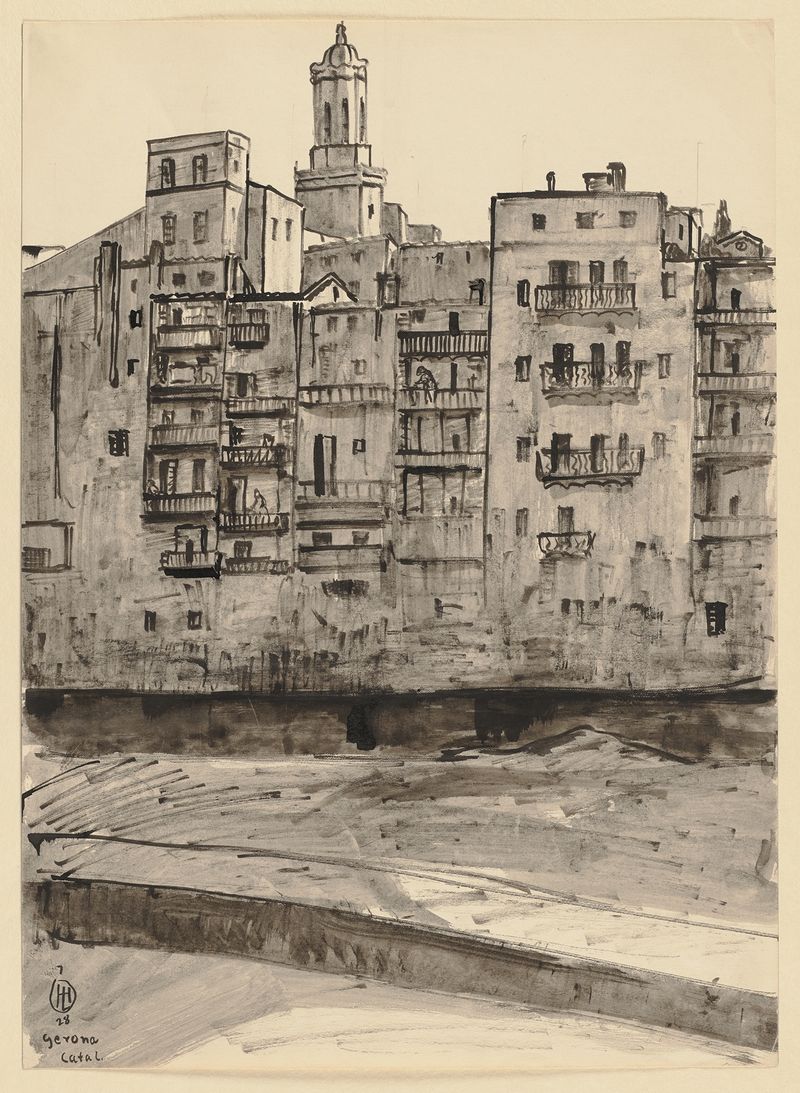
Girona vom Fluss aus gesehen, im Hintergrund der Turm der Kathedrale
Hermann Lismann
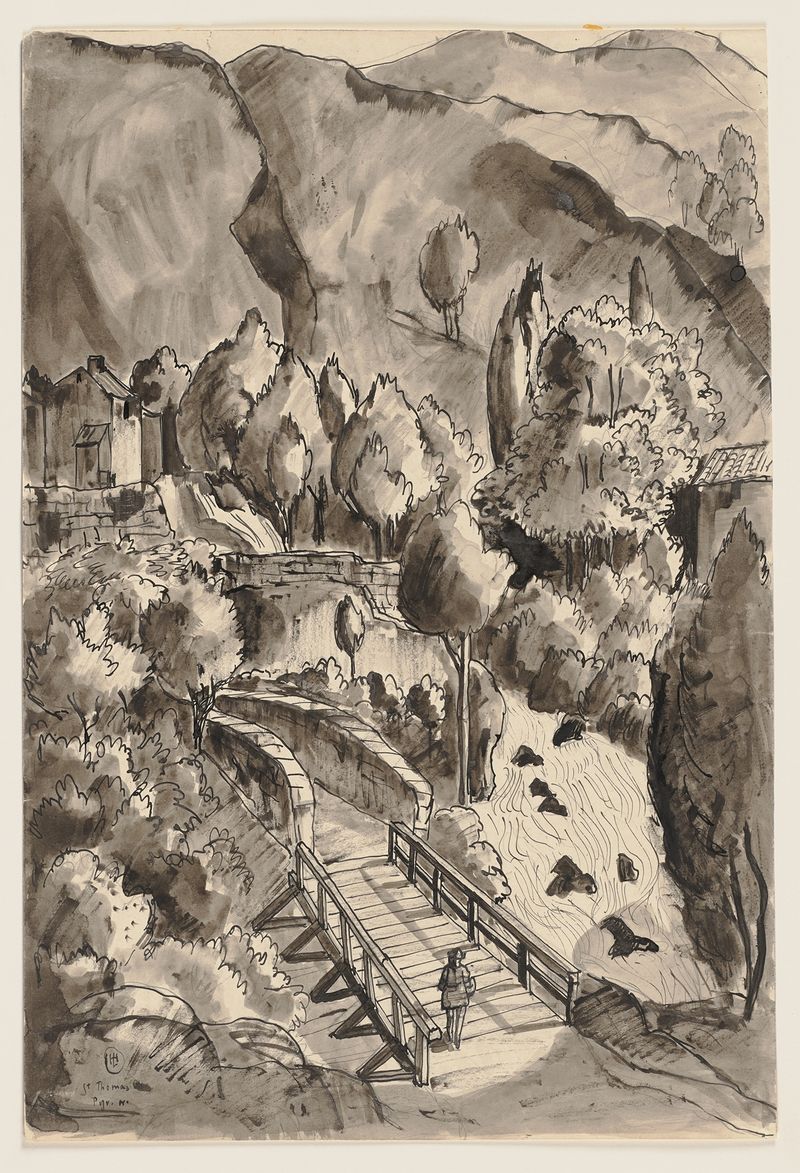
Saint Thomas, Pyrénées
Hermann Lismann
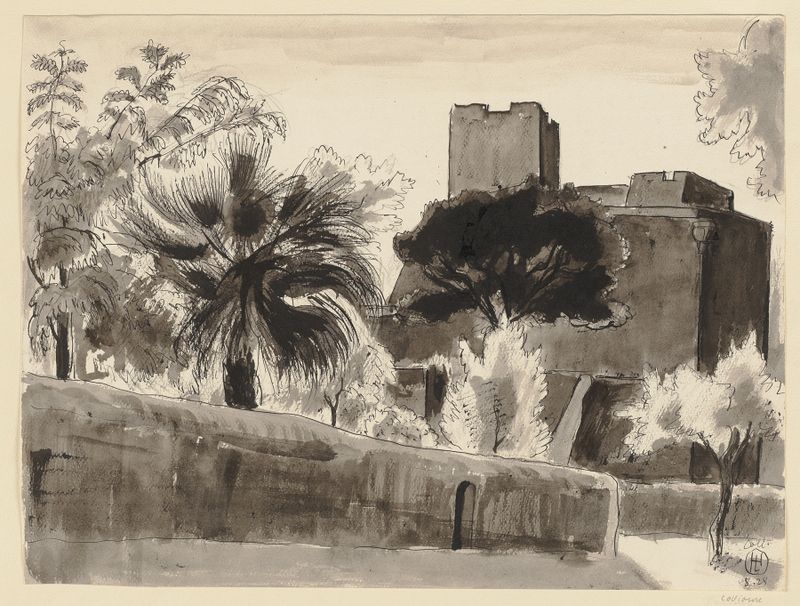
Collioure
Hermann Lismann





