
Peter Cooper’s house, Fourth Avenue and 28th Street — History & Facts
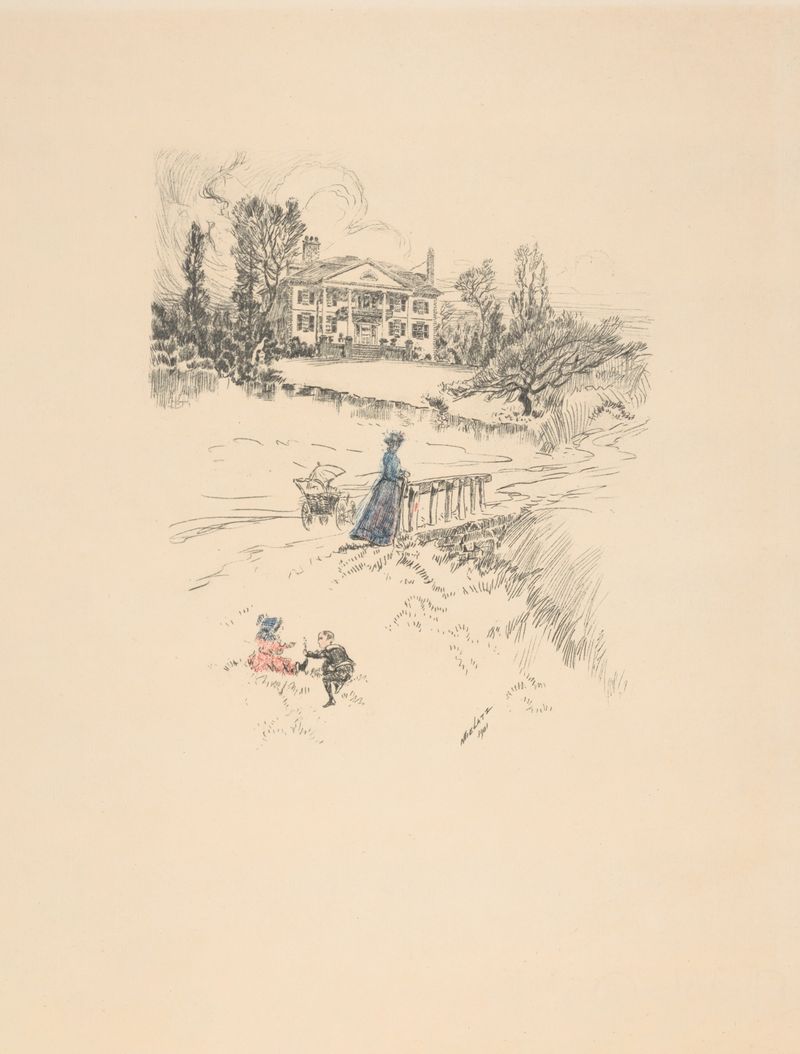
In the quiet intimacy of Peter Cooper’s house, Fourth Avenue and 28th Street, a poignant narrative unfolds, one that speaks to the ache of nostalgia and the weight of memory. The scene evokes a sense of longing, capturing a fleeting moment where beauty and melancholy intertwine. Look to the left at the warm glow illuminating the facade of the house, where the sunlight lovingly caresses the textures of the brick and wood. The careful lines and shadows create a gentle rhythm, inviting viewers to trace the outlines of the structure.
Notice how the artist’s use of muted colors conjures a sense of stillness, while the wisps of clouds above suggest an ever-shifting sky, mirroring the passage of time and the impermanence inherent in life. Within the composition, there exists a contrast between the solid permanence of the house and the ephemeral nature of the surrounding atmosphere. The delicate interplay of light and shadow hints at the fleeting moments that define our existence, invoking an emotional tension that stirs within the viewer. It subtly suggests that what we consider home is often interlaced with memories of longing, loss, and the bittersweet nature of beauty. In 1904, Mielatz was immersed in the world of American realism, capturing the intricacies of life in urban landscapes.
Living in New York City, he was part of a burgeoning artistic movement that sought to document the changing cityscape against a backdrop of societal shifts. During this time, he produced works that resonated with both personal and collective histories, reflecting the complexities of modernity through meticulous detail.
More Artworks by Charles Frederick William Mielatz
Browse all →
View of Rockwood Tarrytown on the Hudson, residence of William Rockefeller, no. 1
Charles Frederick William Mielatz
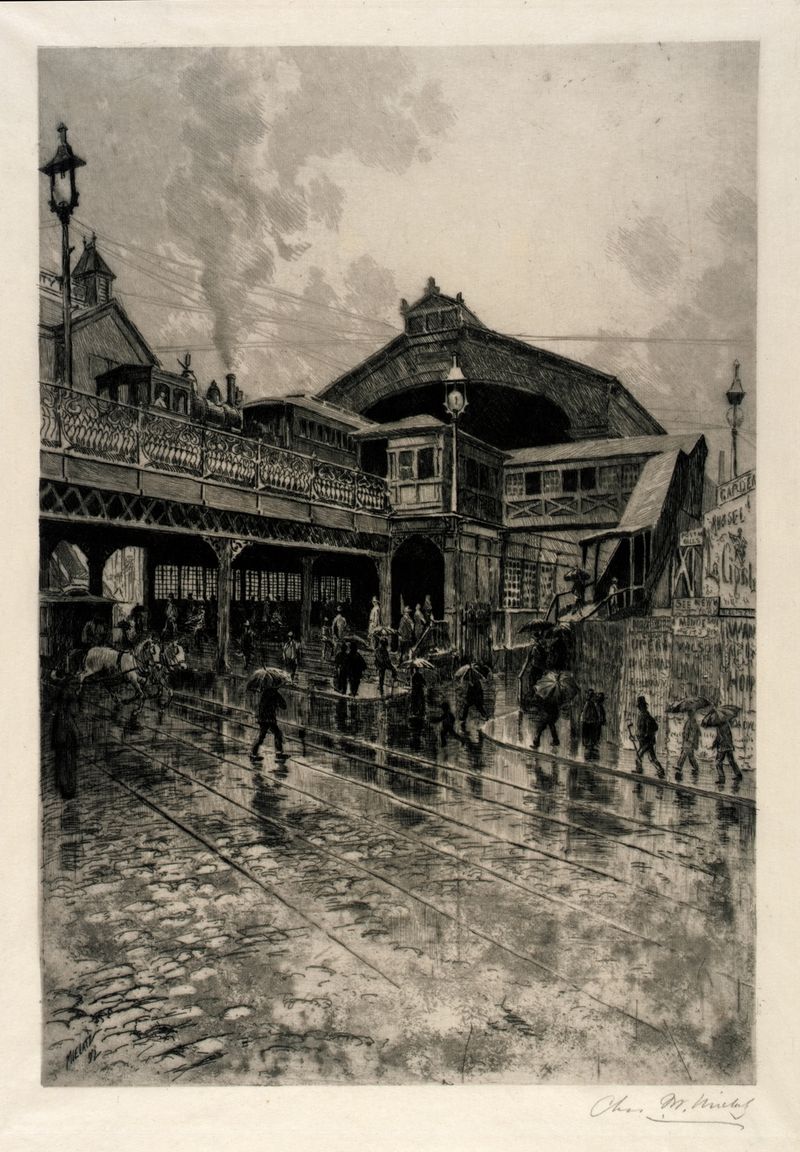
Entrance to Brooklyn Bridge
Charles Frederick William Mielatz
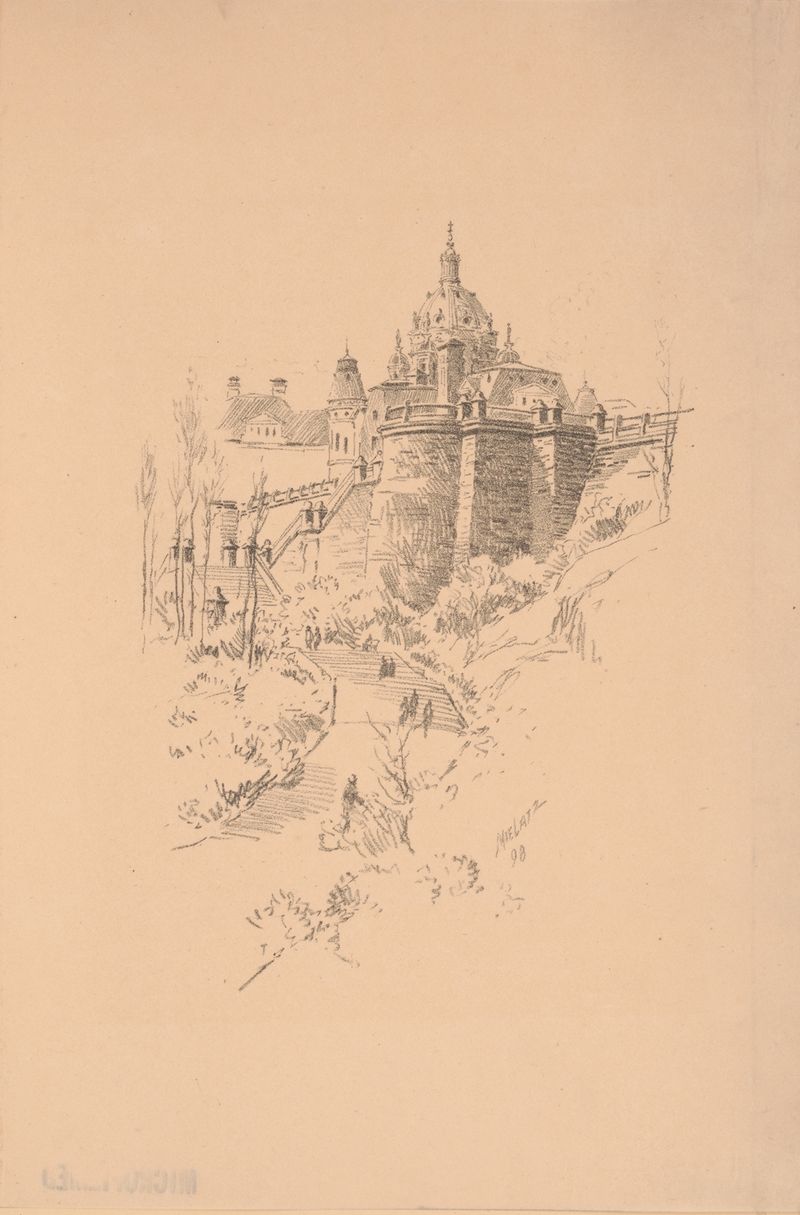
Morningside Park and St. Luke’s Hospital
Charles Frederick William Mielatz

Street Scene under Steel Bridge
Charles Frederick William Mielatz
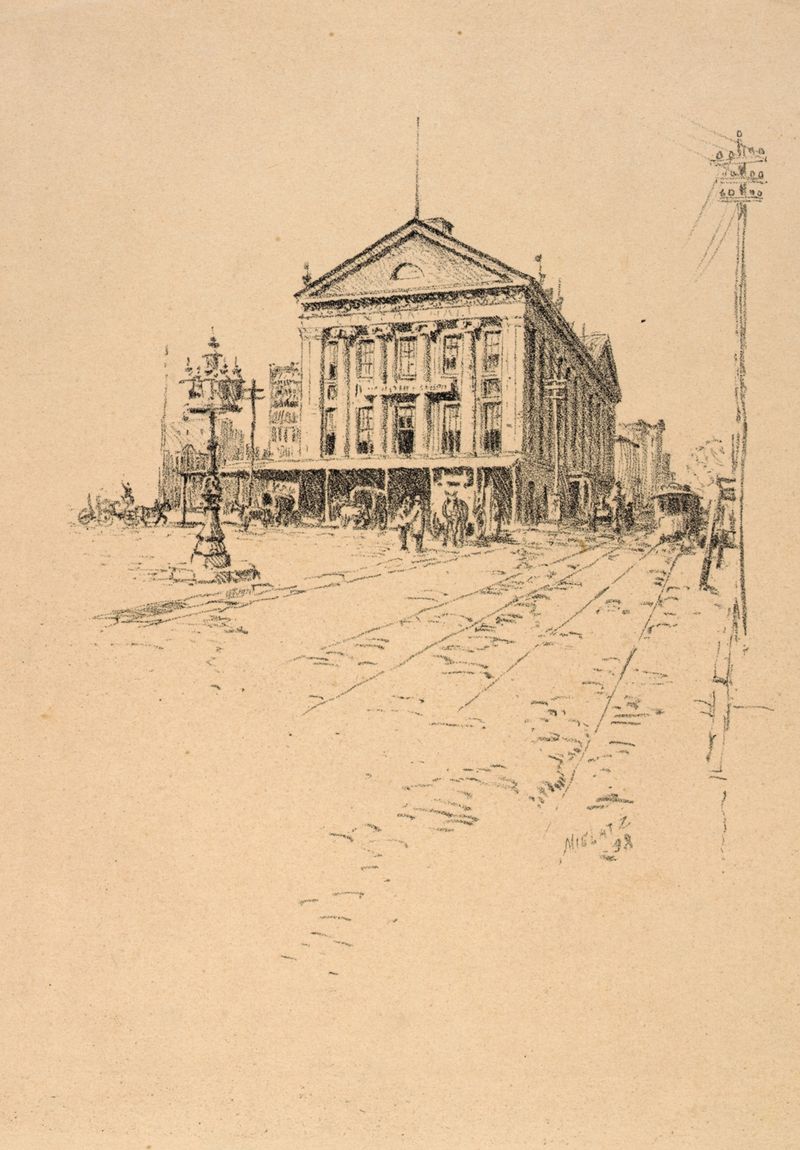
Clinton Hall
Charles Frederick William Mielatz
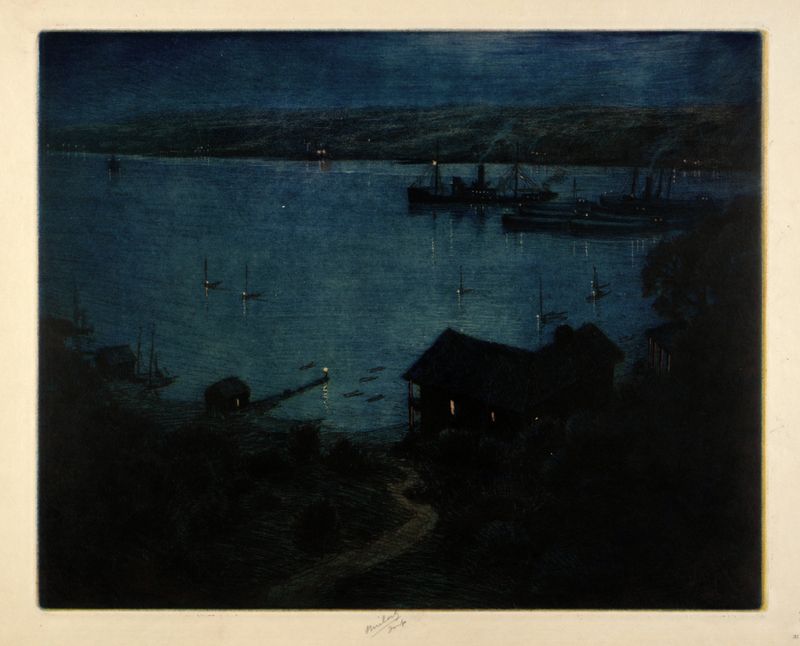
Moonlight–Hudson River
Charles Frederick William Mielatz
Jumel mansion
Charles Frederick William Mielatz
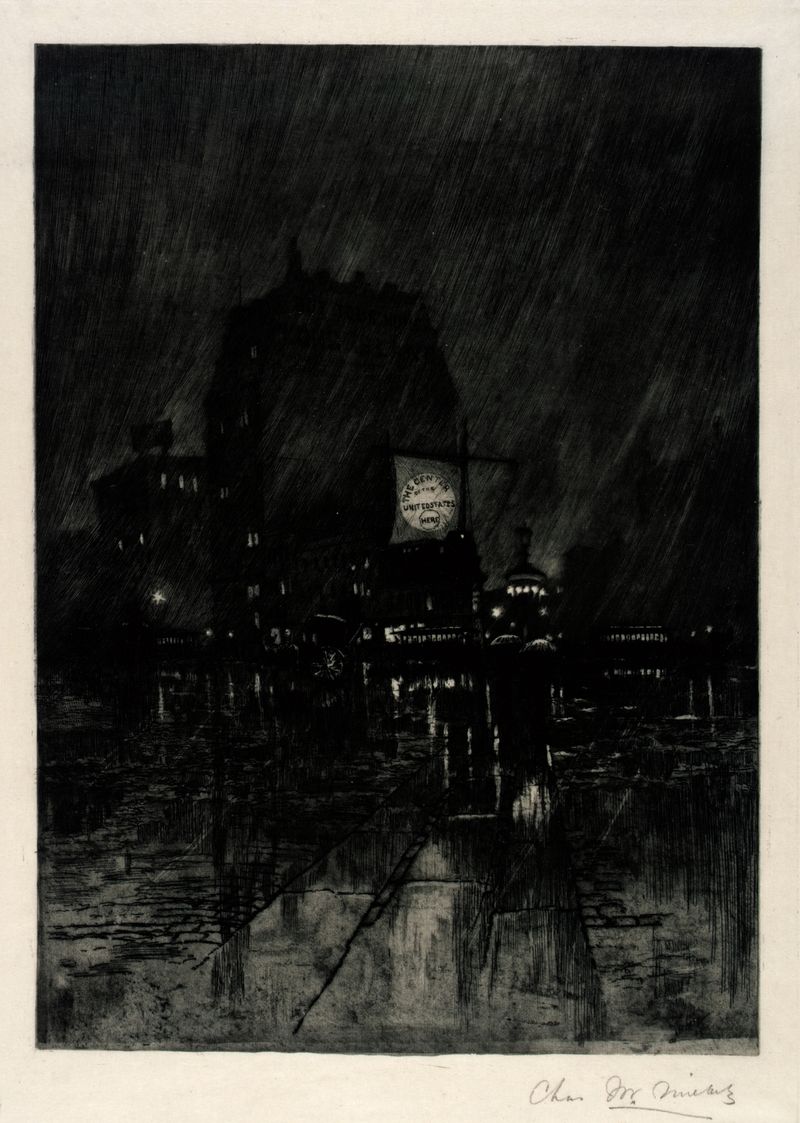
Rainy Night, Madison Square
Charles Frederick William Mielatz
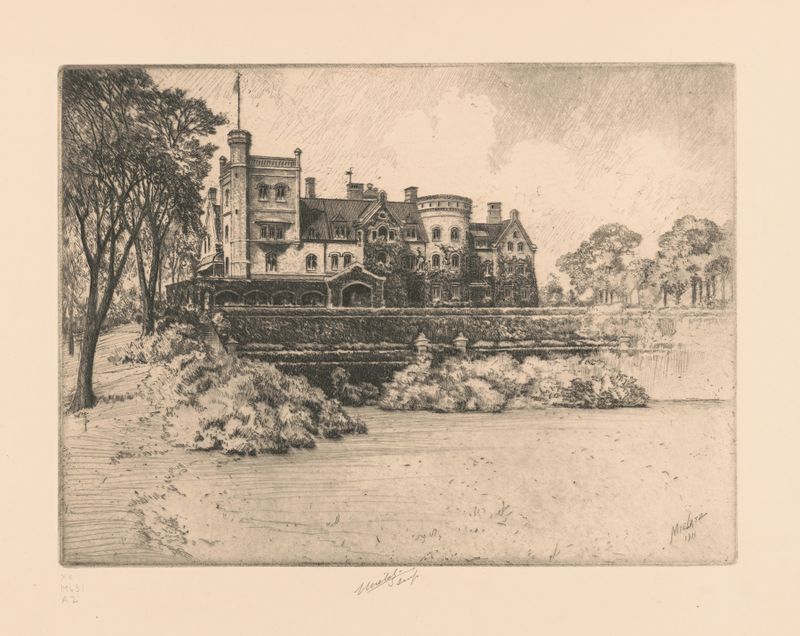
View of Rockwood, Tarrytown on the Hudson, residence of William Rockefeller, no. 3
Charles Frederick William Mielatz

View of Rockwood, Tarrytown on the Hudson, residence of William Rockefeller, no. 5
Charles Frederick William Mielatz
More Architecture Art
Browse all →
The statue of Liberty
Frédéric Auguste Bartholdi

View of Houses in Delft, Known as ‘The Little Street’
Johannes Vermeer

View of Houses in Delft, Known as ‘The Little Street’
Johannes Vermeer

The Cathedral in Rouen. The portal, Grey Weather
Claude Monet

The yellow house
Vincent van Gogh

The Church in Auvers-sur-Oise, View from the Chevet
Vincent van Gogh