
Petites maisons à Cameroun — History & Facts
What if silence could speak through light? In Petites maisons à Cameroun, the whisper of stillness is captured in the interplay of shadow and illumination, inviting a contemplative gaze upon its serene landscape. Look to the center of the composition, where the quaint houses stand like guardians of memory, their modest exteriors bathed in soft sunlight. Notice how the palette of muted earth tones merges with the vibrant blues and greens, creating a harmonious balance that resonates with the tranquility of rural life. The brushwork, both meticulous and expressive, enhances the textures of the thatched roofs and the earthen walls, providing depth that draws the viewer into this quiet moment. In the foreground, the gentle curves of the landscape echo the simplicity of existence, while the absence of bustling figures suggests a pause—perhaps a moment of reflection or waiting.
The juxtaposition of the stillness of the houses against the lively foliage hints at a subtle tension, as if nature and human habitation are in an unspoken dialogue. This interplay speaks to the deeper themes of identity, belonging, and the ephemeral nature of life, inviting a personal interpretation of what it means to inhabit a space. Created in 1932, Petites maisons à Cameroun reflects Jean-Émile Laboureur’s evolving style during his time in Paris, where he encountered various artistic movements. The period was marked by a fascination with simplicity and a desire to connect with local cultures.
Laboureur’s experiences in Cameroon informed his choice of subject, capturing a moment of quietude in a rapidly changing world and offering a delicate portrayal of a place often overlooked.
More Artworks by Jean-Émile Laboureur
Browse all →
Vue panoramique de la ville de Nantes
Jean-Émile Laboureur
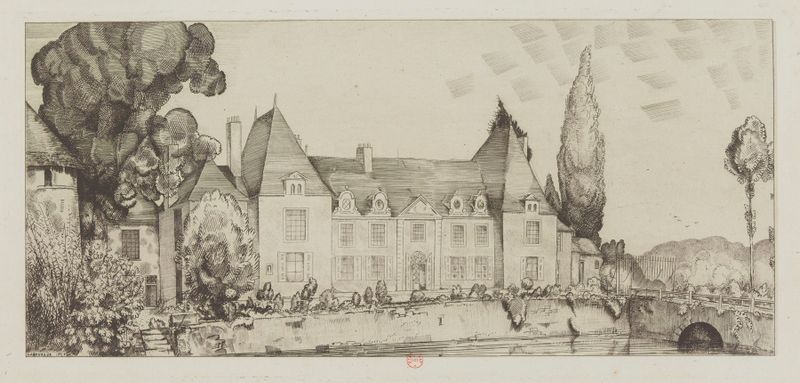
Vue du château de Villaines
Jean-Émile Laboureur
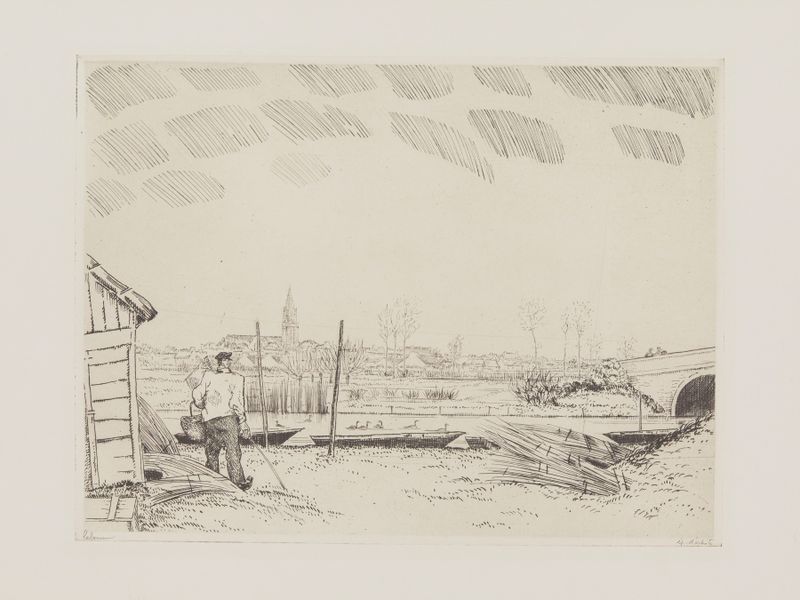
Le pont de Fédrun
Jean-Émile Laboureur
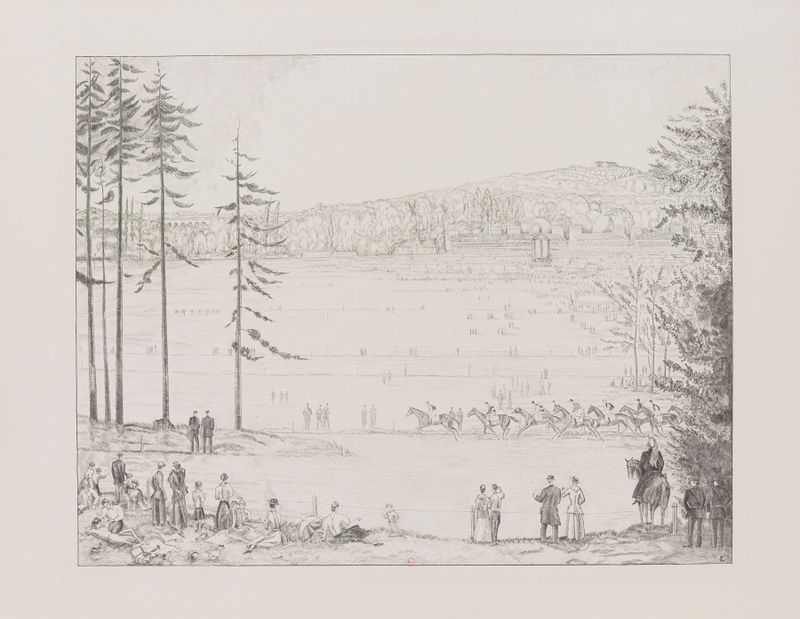
Courses à Longchamp
Jean-Émile Laboureur

L’employé des pompes funèbres
Jean-Émile Laboureur
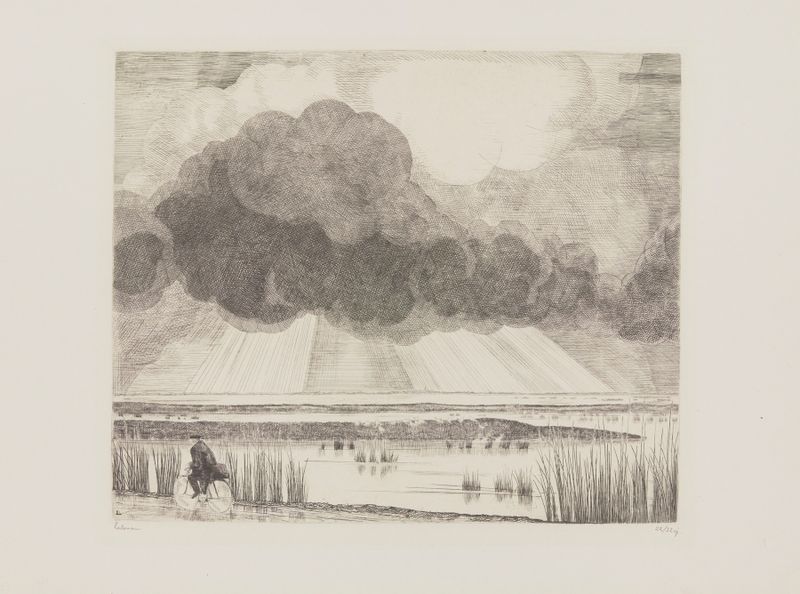
Paysage au cycliste
Jean-Émile Laboureur

L’entomologiste
Jean-Émile Laboureur

Paysage au tunnel
Jean-Émile Laboureur
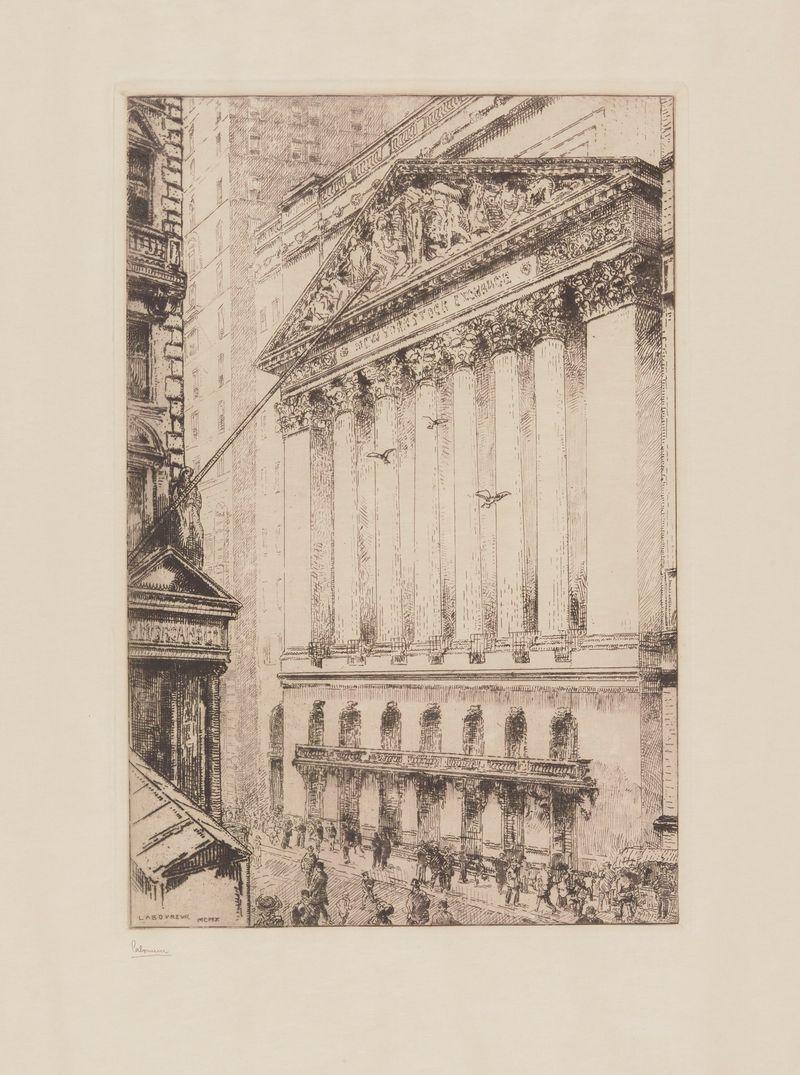
New-york stock exchange
Jean-Émile Laboureur

Viaduc à Monaco
Jean-Émile Laboureur





