
Petites maisons à Louvain — History & Facts
Could beauty survive in a century of chaos? The question lingers in the stillness of Petites maisons à Louvain, a quiet testament to resilience amidst upheaval. Focus on the quaint houses nestled against a backdrop of a soft, fading sky. The warm hues of ochre and muted blues create an inviting atmosphere, pulling you into the heart of the scene. Notice how the artist’s brushwork evokes texture, from the weathered stones of the buildings to the gentle sweep of the clouds above, suggesting a moment suspended in time.
The composition draws your gaze inward, inviting contemplation of what lies beyond those walls. Yet, beneath this serene façade, hidden depths emerge. The houses, seemingly peaceful, stand as symbols of survival, their sturdy forms juxtaposed against the turbulent history of post-war Europe. Each window, though closed, hints at untold stories, while the empty street evokes a sense of solitude and longing.
Taelemans captures a paradox: beauty exists in the void, and in the echoes of a world that once thrived. In 1923, Jean-François Taelemans was navigating the complexities of rebuilding his artistic identity after the disruptions of World War I. Living in Belgium, he was influenced by the rise of modernism, yet he chose to reflect on the intimate and the familiar, infusing his work with an emotional depth that resonated with the public. This painting embodies a moment of reflection in a landscape still recovering from chaos, marking a significant chapter in his artistic journey.
More Artworks by Jean-François Taelemans
Browse all →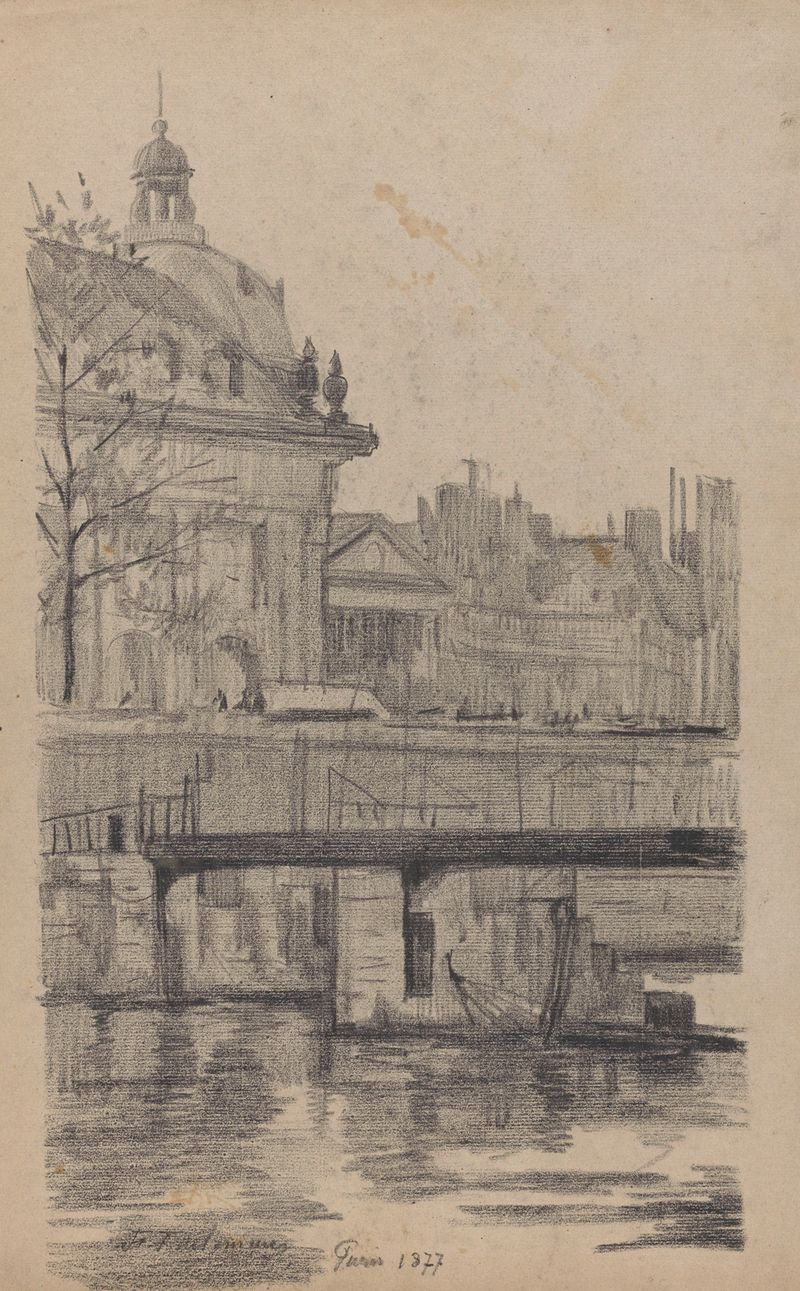
Paris (vue de la Seine et du Collège des Quatre Nations (actuellement siège de l’Institut de France)
Jean-François Taelemans
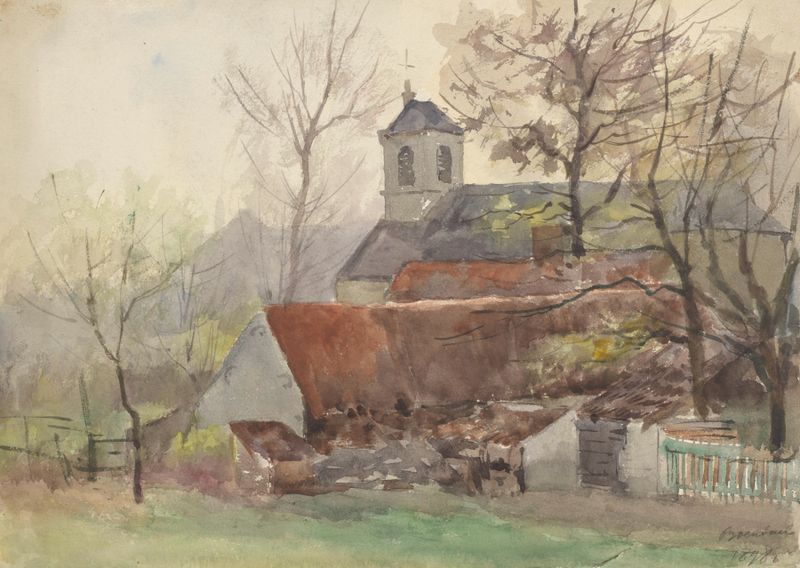
Boendael (église)
Jean-François Taelemans
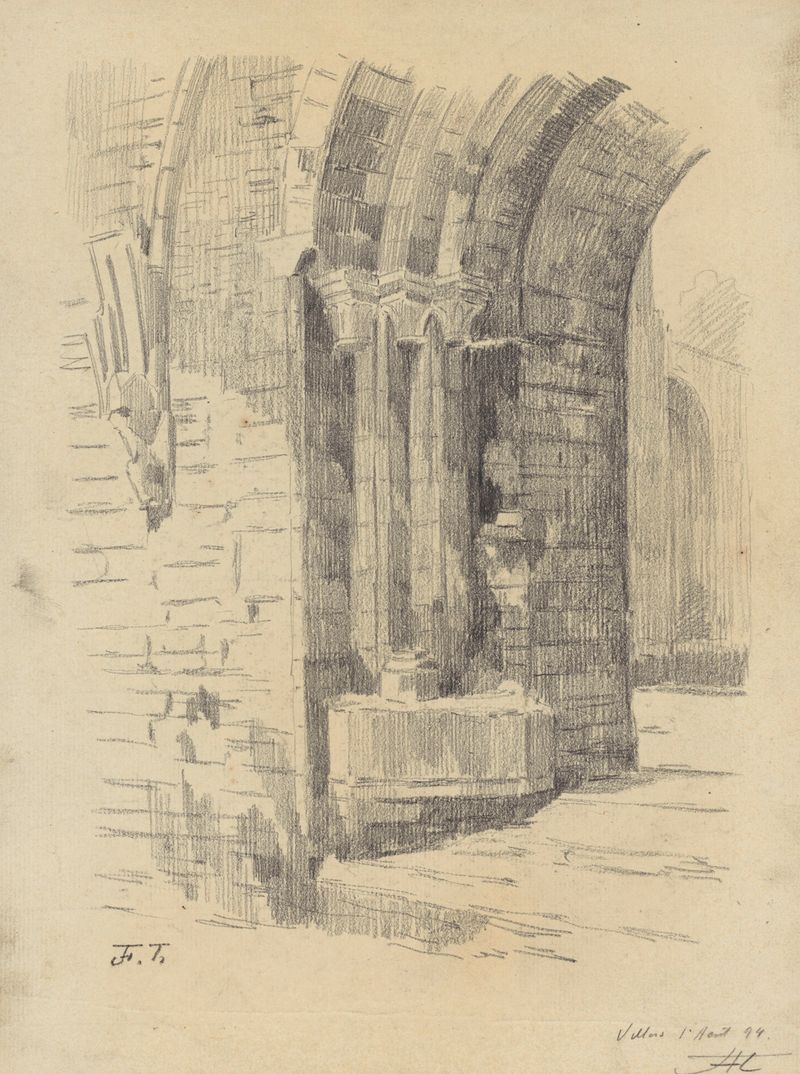
Ruines de l’abbaye de Villers-la-Ville – porche entre le cloître et l’église abbatiale (côté droit)
Jean-François Taelemans
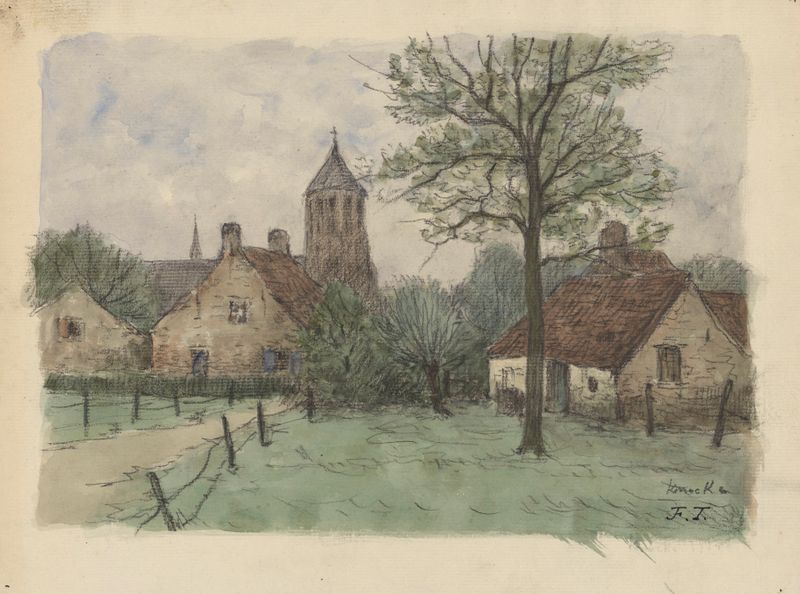
Village et église Sint Margaretha à Knocke
Jean-François Taelemans
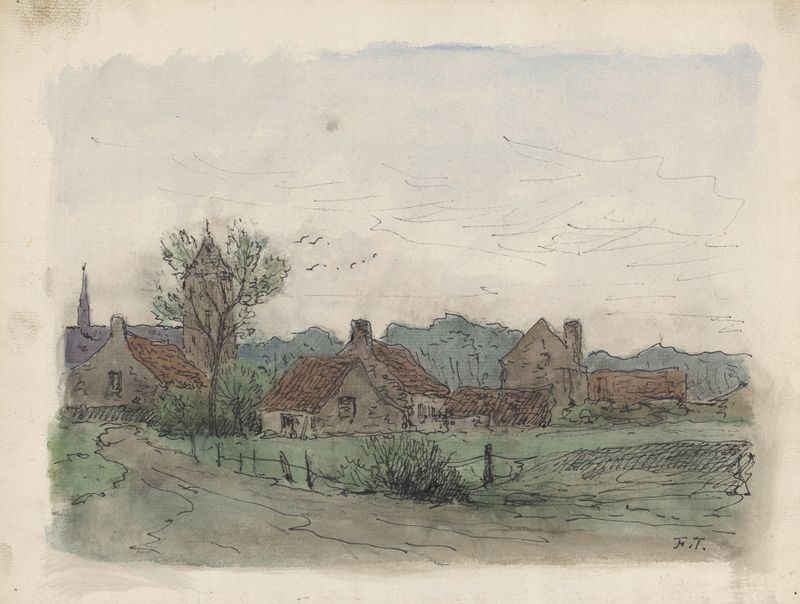
Village
Jean-François Taelemans
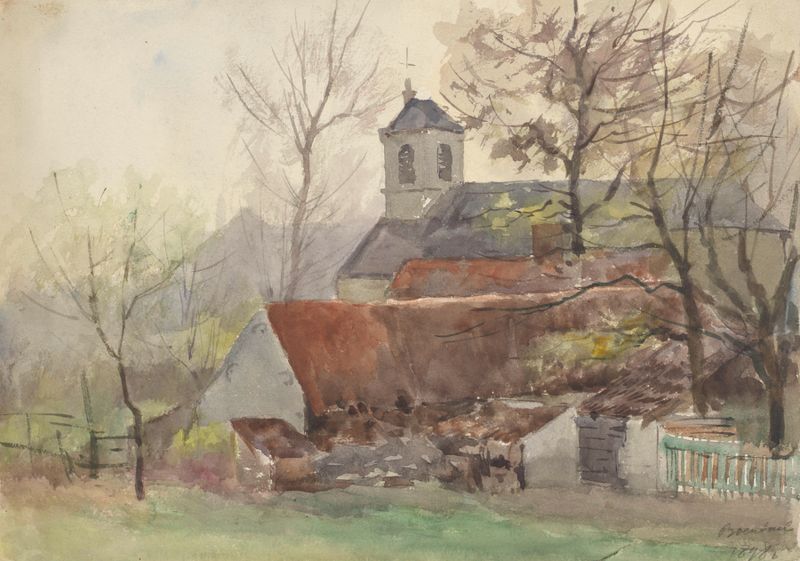
Boendael (église)
Jean-François Taelemans
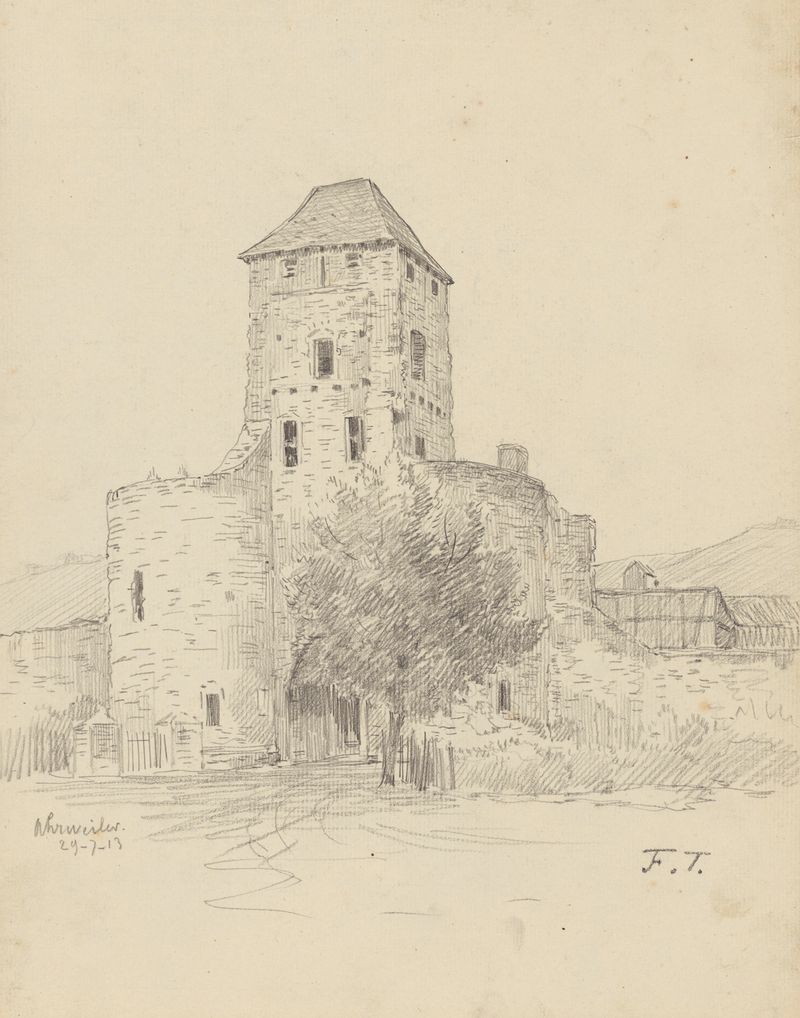
Vieille tour (porte) à Ahrweiler (Allemagne)
Jean-François Taelemans
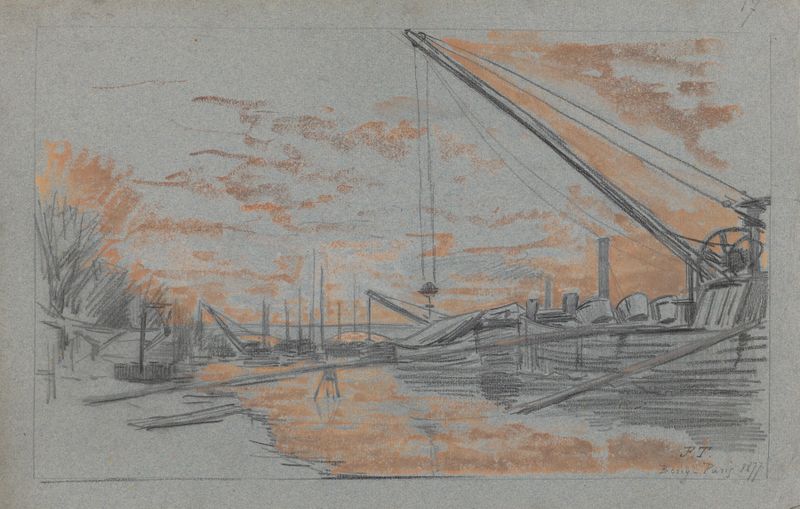
Bercy – Paris (bord de Seine avec chalands à l’ancre en cours de chargement, soleil couchant)
Jean-François Taelemans
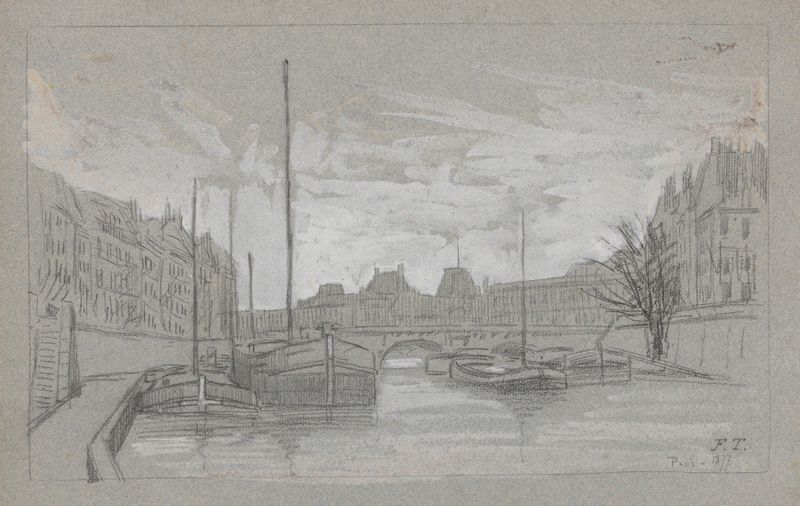
Paris (bateaux sur la Seine près d’un pont)
Jean-François Taelemans
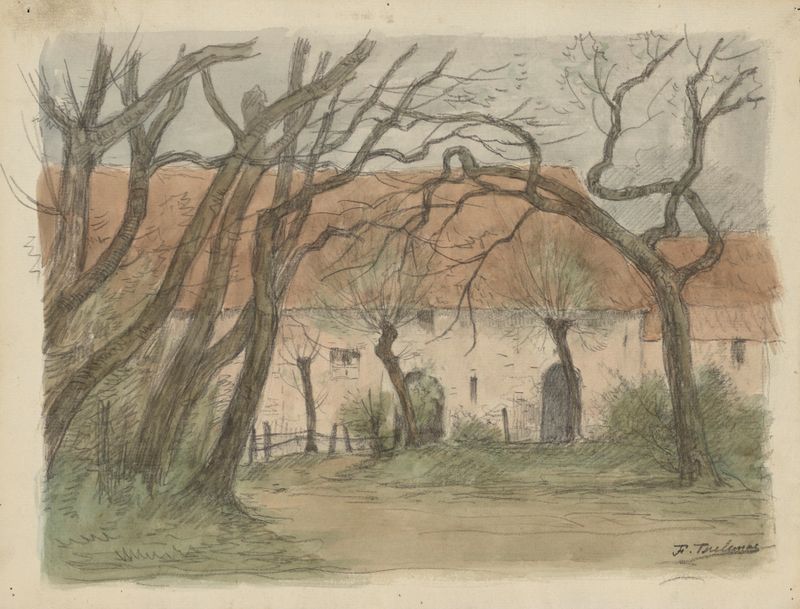
Grande maison campagnarde derrière un bouquet d’arbres
Jean-François Taelemans





