
Petrus en Johannes genezen een verlamde man bij de tempelpoort — History & Facts
Did the painter know this moment would outlive them? A single act of healing reverberates through time, capturing the essence of awakening and renewal. Look closely at the central figures; notice how their postures express a dynamic exchange of energy. The strong, outstretched hand of Peter contrasts with the frail form of the paralyzed man beside him, creating a tension that draws the eye. The surrounding figures, caught in varying degrees of astonishment, gesture with their hands and faces, absorbing the miracle before them.
The muted palette, dominated by earthy browns and subtle golds, enhances the ethereal glow of the moment, where faith meets physical transformation. As you explore the details, consider the implications of the physical versus the spiritual. The man’s struggle, depicted in his contorted expression, reflects a deeper yearning for liberation—not just from physical limitation but from spiritual despondency. The intent gaze of Peter seems to channel divine grace, while the onlookers represent the ripple effect of this awakening, each face showing a spectrum of hope, doubt, and wonder.
The interplay of light accentuates the duality of despair and joy, suggesting that the act of healing extends beyond mere physical restoration. Wenceslaus Hollar created this piece between 1644 and 1652, during a time when religious themes permeated the arts. Living in post-Reformation Europe, he navigated a complex landscape of faith and tradition, using his work to explore spiritual narratives. This painting, rooted in biblical history, is a reflection of Hollar’s engagement with the transformative power of belief during a tumultuous period in both society and art.
More Artworks by Wenceslaus Hollar
Browse all →
Portret van Anna Boleyn, koningin van Engeland
Wenceslaus Hollar
Bird’s eye view of Jerusalem
Wenceslaus Hollar
Mulier Nobilis aut Generosa Gallica / a French Lady or Gentlewoman
Wenceslaus Hollar
Titelprent voor: Ornatus Muliebris Anglicanus
Wenceslaus Hollar
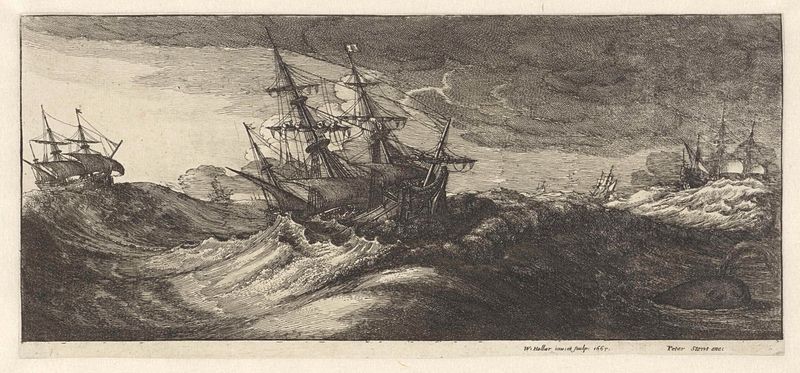
Oorlogsschepen en een walvis in een zeestorm
Wenceslaus Hollar
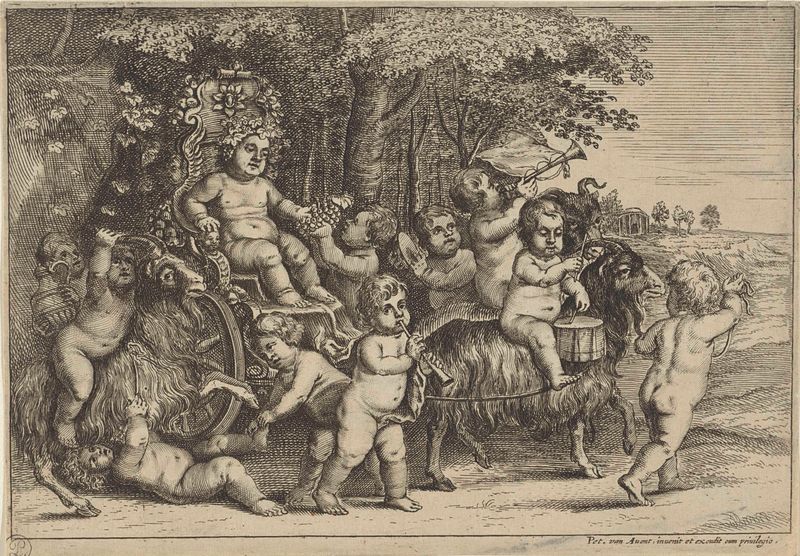
Optocht van bacchant en jongetjes op geiten
Wenceslaus Hollar
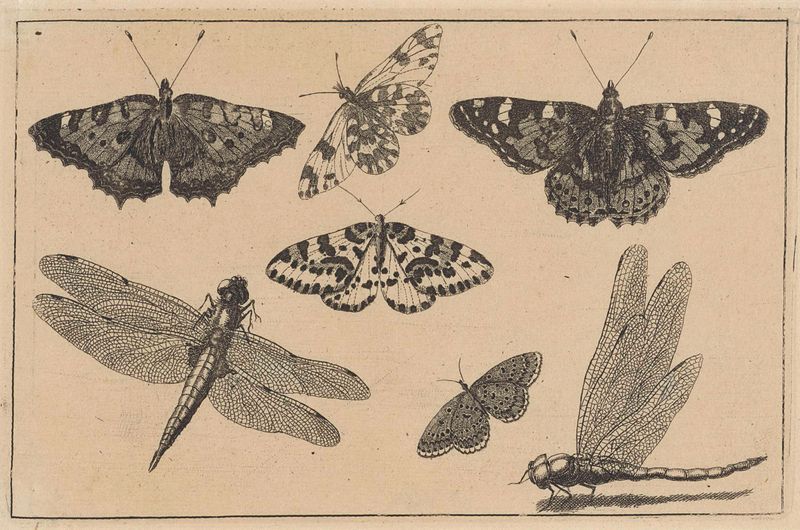
Twee libellen en vijf vlinders
Wenceslaus Hollar
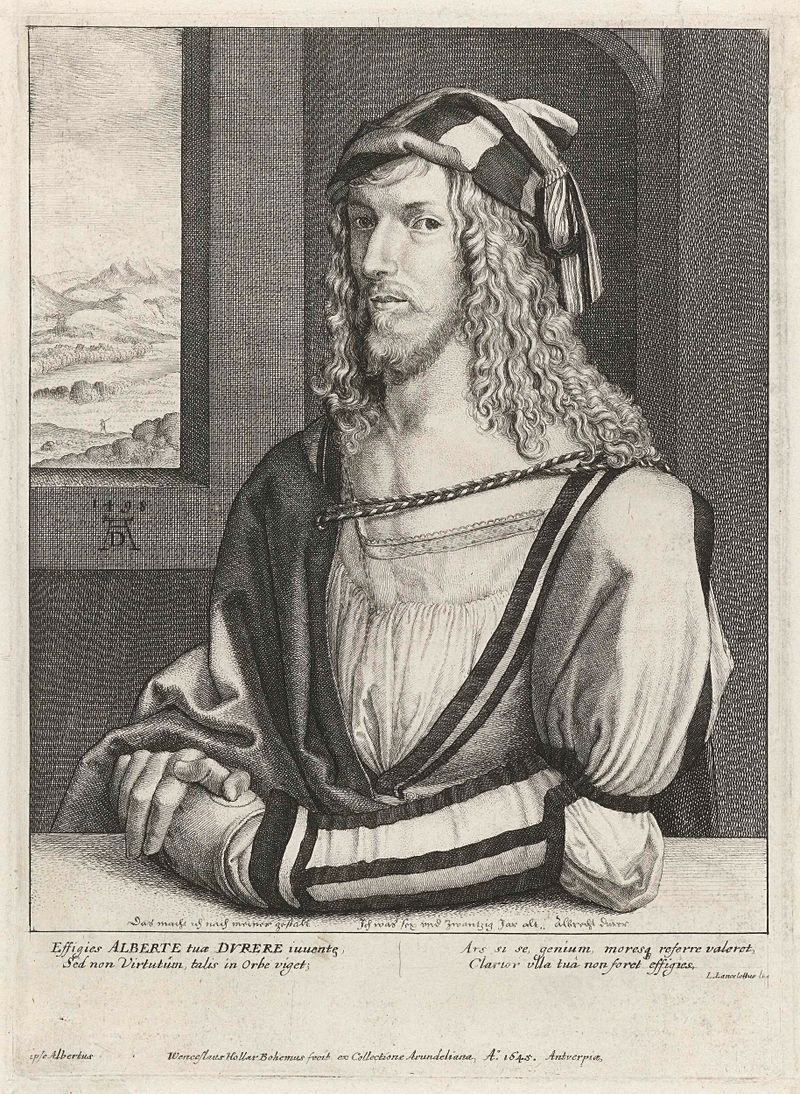
Portret van Albrecht Dürer
Wenceslaus Hollar
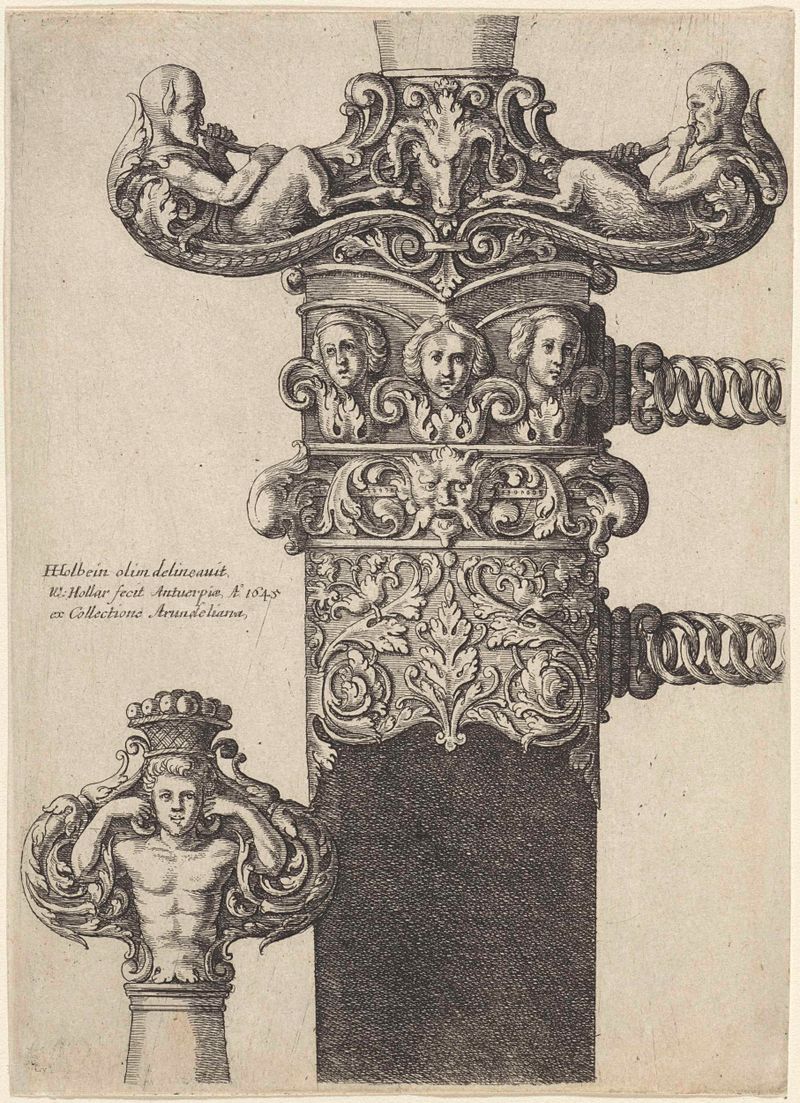
Ornamenteel ontwerp voor een dolk
Wenceslaus Hollar
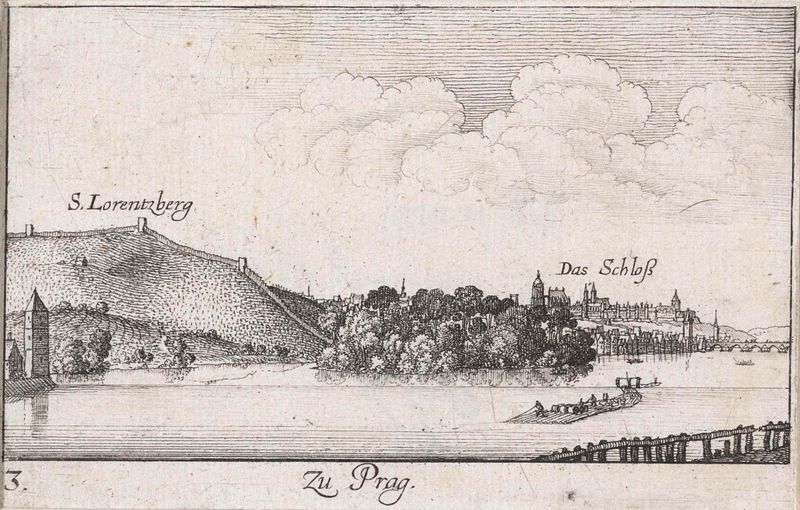
Gezicht op Praag vanaf de Moldau
Wenceslaus Hollar
More Religious Art
Browse all →
The Return of the Prodigal Son
Rembrandt van Rijn

The Garden of Earthly Delights
El Bosco

Count Orgaz’ funeral
El Greco

The Hundred Guilder Print: the central piece with Christ preaching, the plate arched
Rembrandt van Rijn

The Descent from the Cross
Rogier van der Weyden

The return of the prodigal son
Rembrandt van Rijn