
Pharaoh's Daughter, rescuing the infant Moses from the waters — History & Facts
A golden stillness holds the scene, as if time itself pauses for this moment of rescue. The painter, Adriaen van der Werff, chooses not the drama of the Nile or the terror of discovery, but the instant when the infant Moses, swaddled and serene, is lifted from the water by the richly dressed daughter of Pharaoh. The figures are arranged in a gentle arc, their gestures measured and graceful: a hand steadies the basket, another points toward the child, faces turned in a choreography of wonder and quiet awe.
Light falls softly on bare flesh and silken drapery alike, drawing the eye to the pale, vulnerable child at the center, while the surrounding women form a protective circle—both audience and participants in this act of compassion. The palette is delicate, suffused with creams, rose, and gold, lending an air of courtly refinement to the biblical tale. Painted in 1722, this work belongs to a world where history painting—especially scenes from the Old Testament—served as both moral lesson and display of painterly skill. In the early eighteenth century, artists like van der Werff were prized for their ability to blend classical idealization with intimate emotion, creating works that appealed to aristocratic patrons eager to see virtue and drama rendered in polished, elegant forms.
The gentle theatricality of this scene, with its careful attention to gesture and costume, reflects the tastes of the period, when biblical stories were often reimagined as courtly tableaux. Though history has kept few traces of this particular painting’s journey, its survival in a modern collection invites us to linger over the details—the shimmer of fabric, the meeting of glances—and imagine the world that first admired such scenes.
More Artworks by Adriaen van der Werff

Descent from the Cross
Adriaen van der Werff
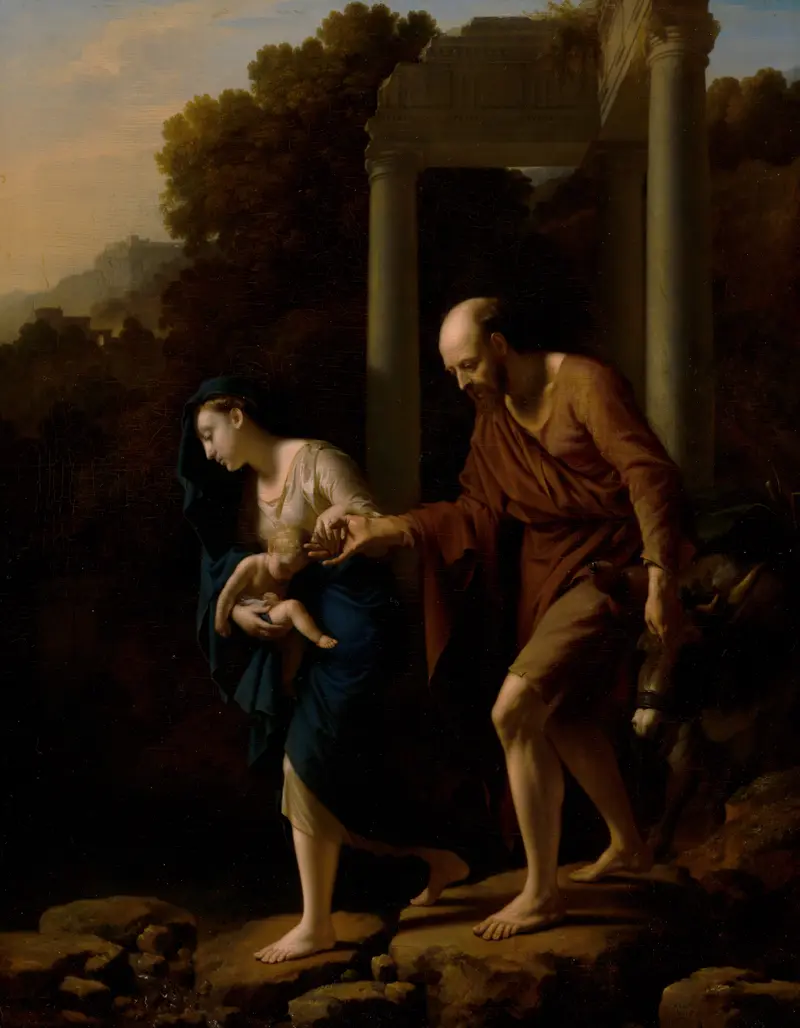
The Flight into Egypt
Adriaen van der Werff
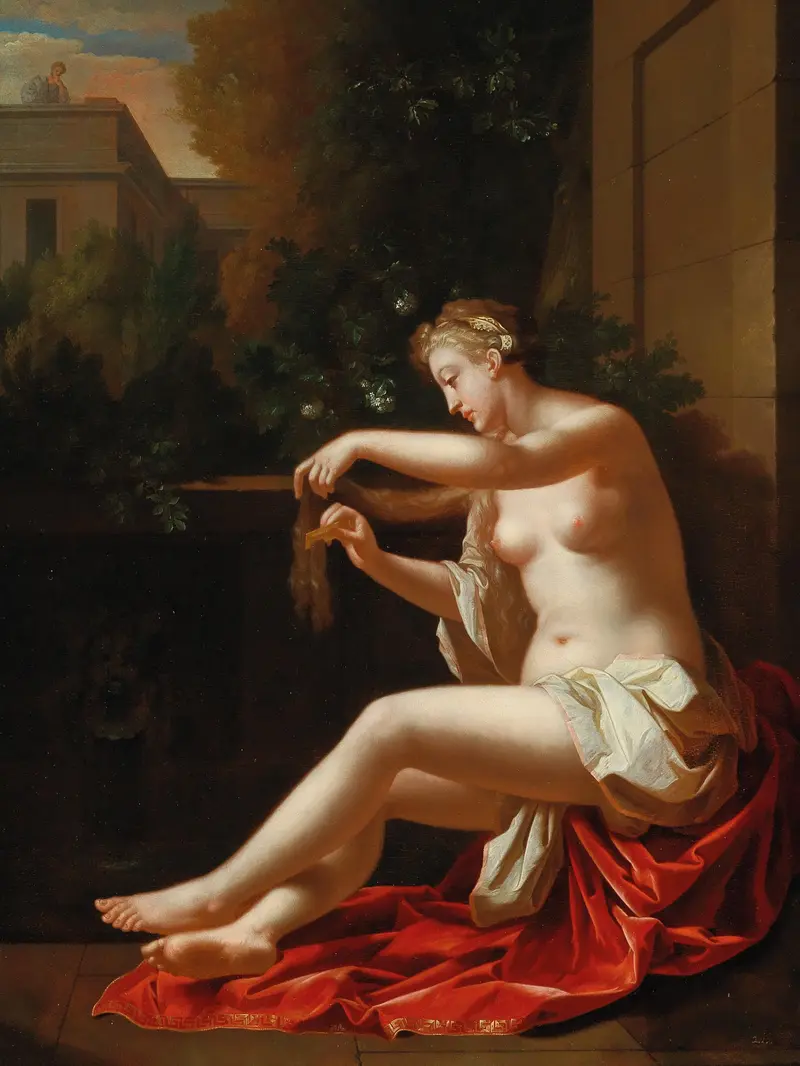
Bathsheba
Adriaen van der Werff
Portrait of Johan Versijden de Jonge
Adriaen van der Werff
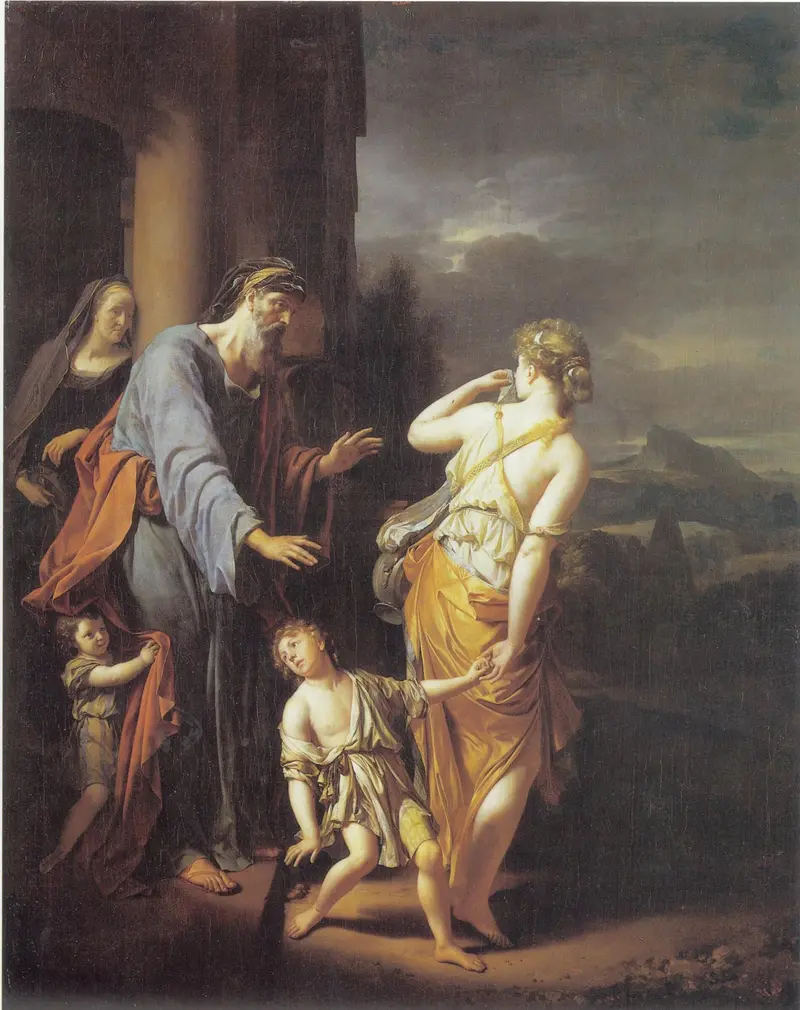
The Banishment of Hagar
Adriaen van der Werff
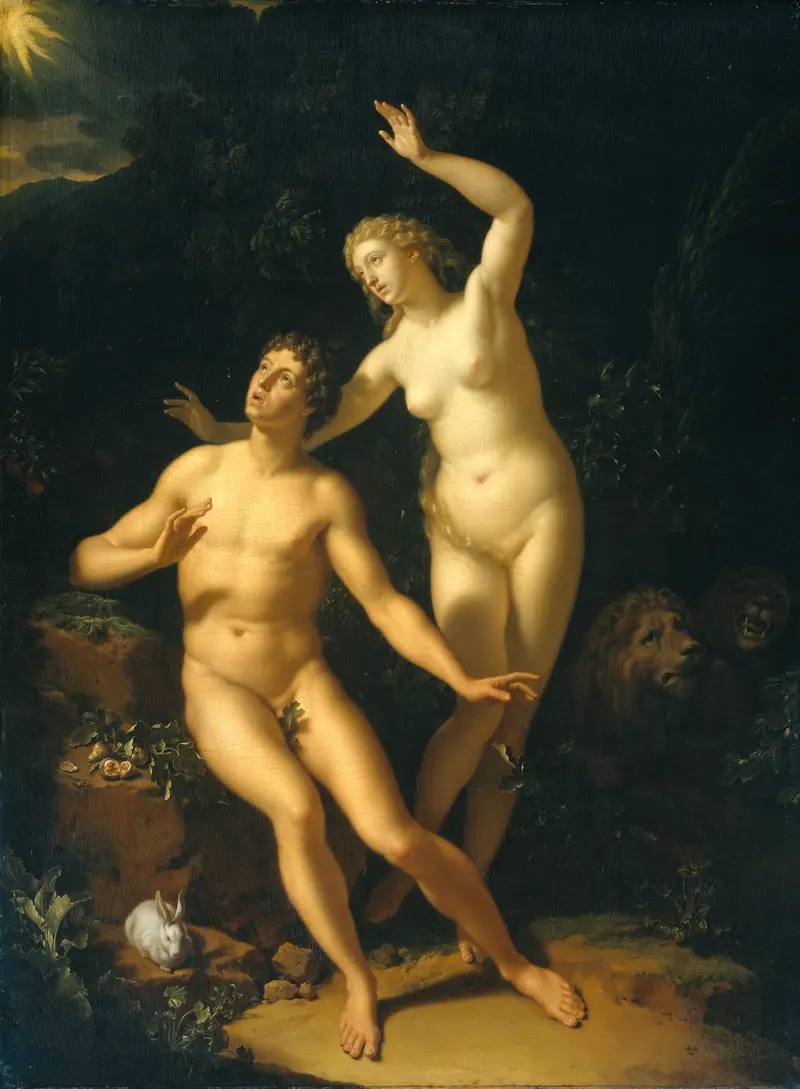
God Holds Adam and Eve Responsible
Adriaen van der Werff
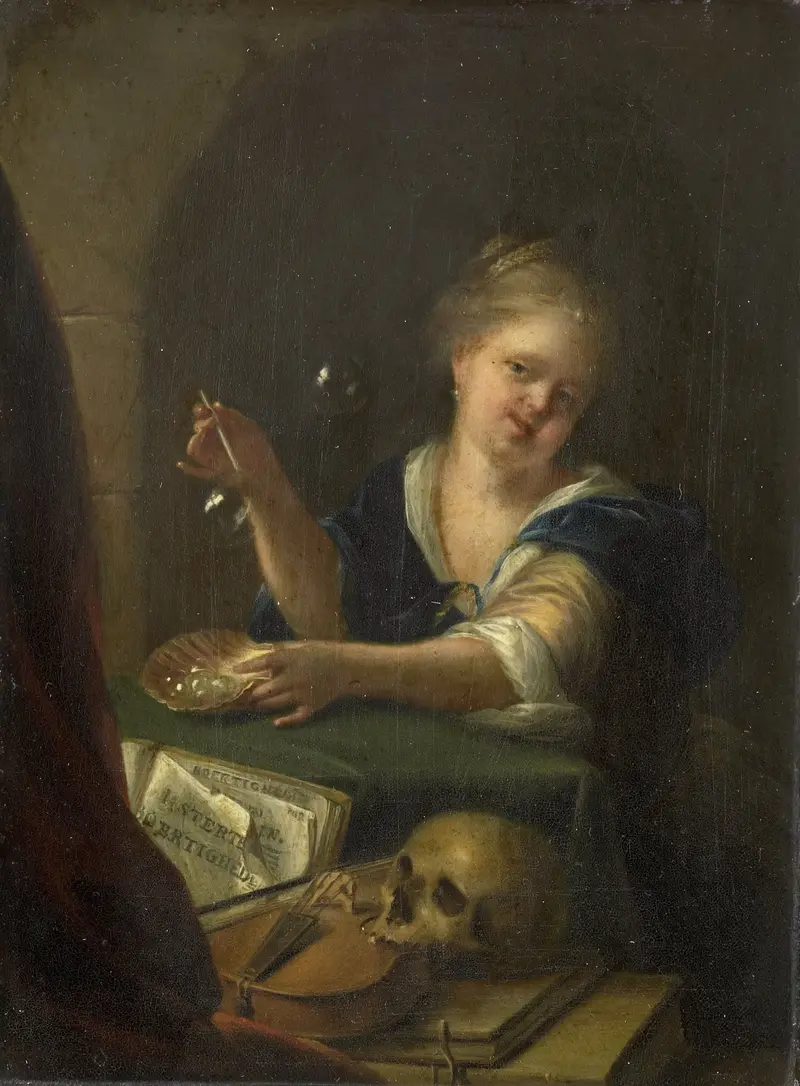
Bubble-blowing Girl with a Vanitas Still Life
Adriaen van der Werff
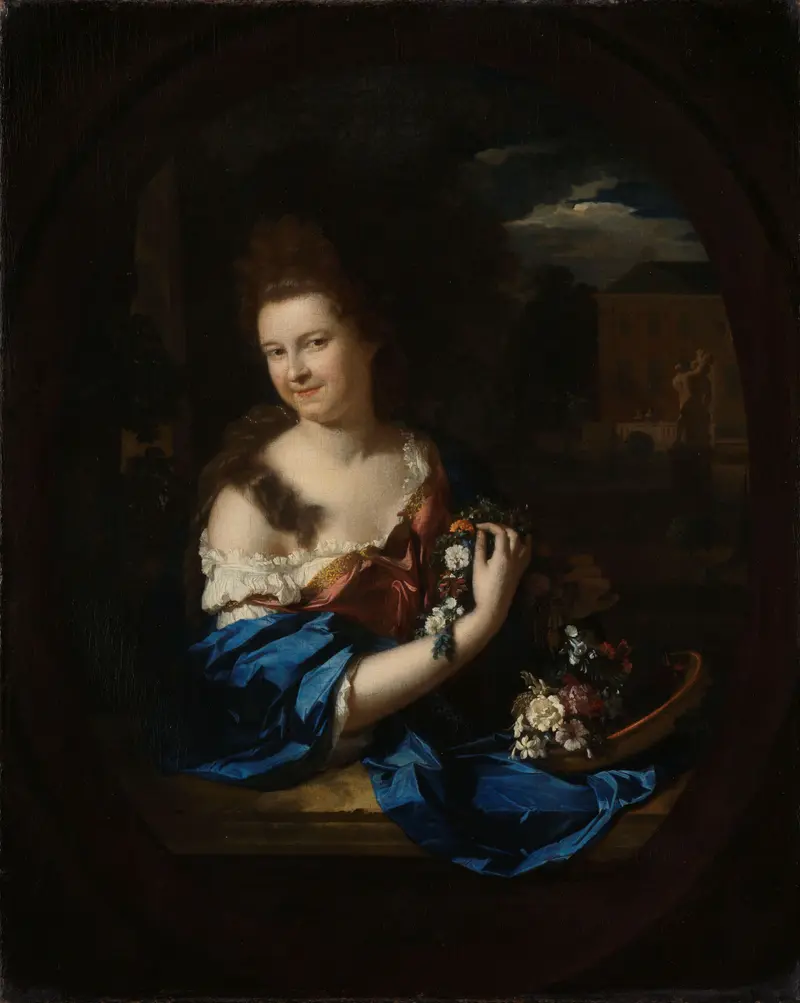
Portrait of Margaretha Rendorp (1673-1730), wife of Jan van de Poll
Adriaen van der Werff
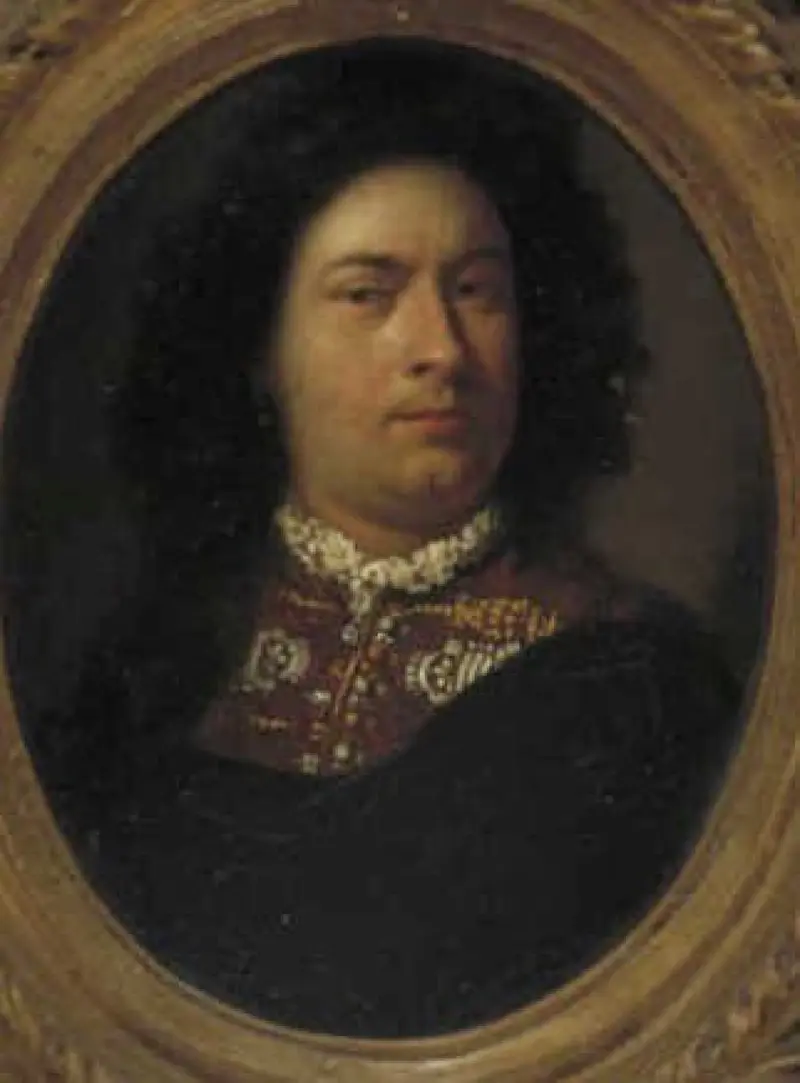
Portrait of Jacob Hendricksz. Vingerhoed
Adriaen van der Werff
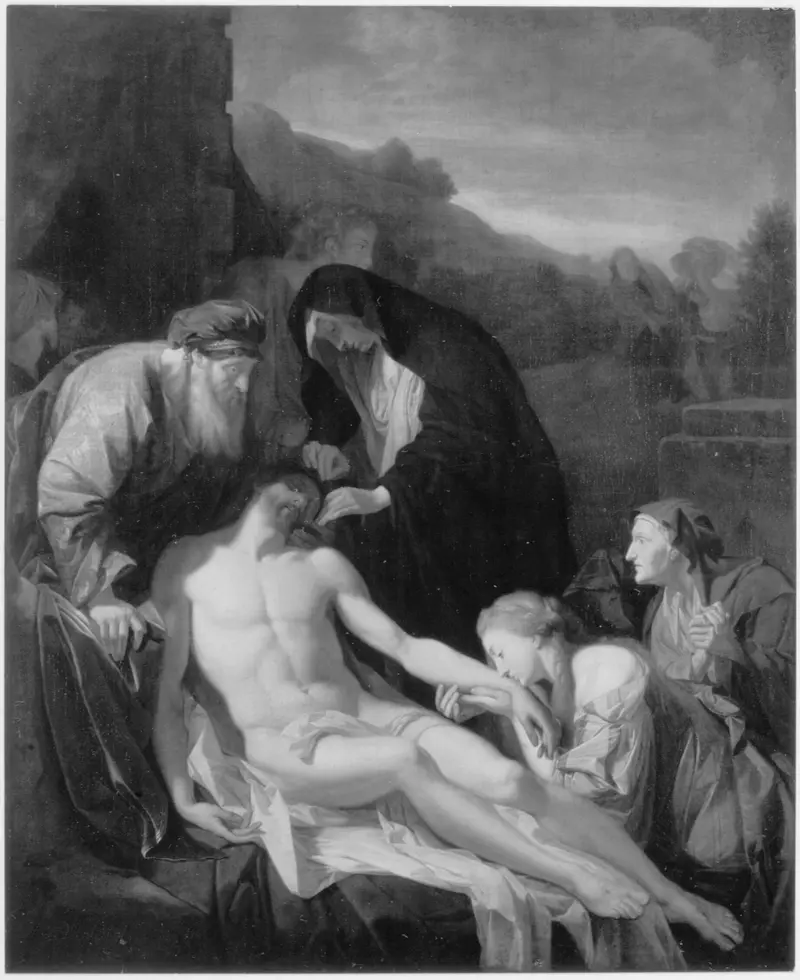
The burial of Christ
Adriaen van der Werff





