
Pheasant Shooting — History & Facts
Did the painter know this moment would outlive them? In Pheasant Shooting, Edward Duncan captures the delicate interplay between life and art, revealing the illusion of a perilous yet serene encounter with nature. First, look to the center of the canvas where a hunter stands poised, rifle in hand, eyes fixed on the trees. Notice the careful brushwork that creates the shadows of the foliage, contrasting with the vibrant plumage of the pheasant. The warm ochres and deep greens envelop the scene, evoking a sense of tranquility as the hunter’s stillness is met with the vibrant energy of the game.
The composition is masterfully balanced, guiding your gaze from the hunter to the surrounding landscape, suggesting an equilibrium between man and nature. Delve deeper into the emotional undercurrents of this imagery. The tension emerges from the juxtaposition of the hunter’s calm demeanor and the life-and-death moment unfolding before him. The pheasant, vivid and full of life, symbolizes the fleeting nature of beauty, contrasting starkly with the quiet inevitability of mortality represented by the hunter.
This duality invites contemplation on the ethics of sport and the fragility of existence, creating a poignant dialogue between the observer and the observed. Edward Duncan created this piece during a time when naturalist ideals were reshaping art in the late 19th century, likely in England. The era was marked by a growing fascination with the outdoors and a burgeoning appreciation for the sporting life. Duncan, while lesser-known, contributed to this discourse with works reflecting the complexities of human interaction with the natural world, embodying the ideals and tensions of his time.
More Artworks by Edward Duncan
Browse all →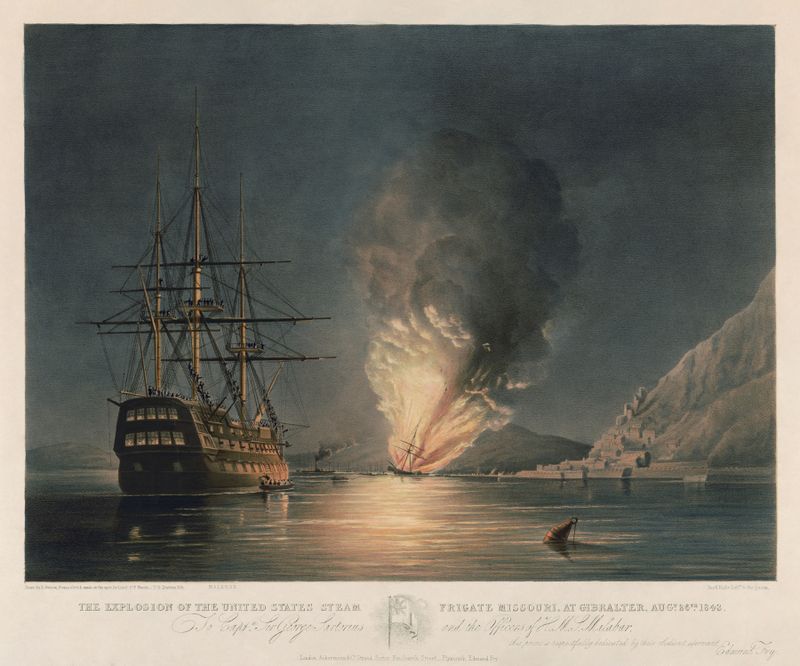
The Explosion of the United States Steam Frigate Missouri
Edward Duncan
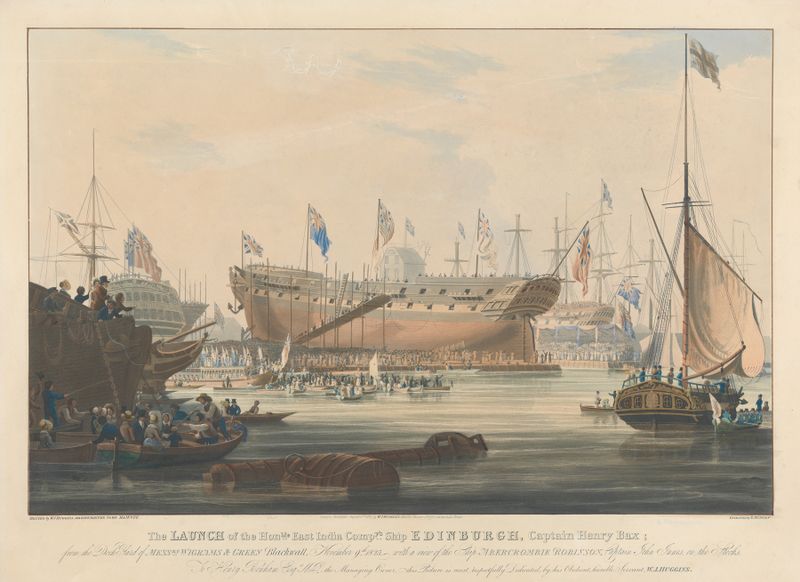
Launch of the ‘Edinburgh’, Blackwall, Nov. 9, 1825
Edward Duncan
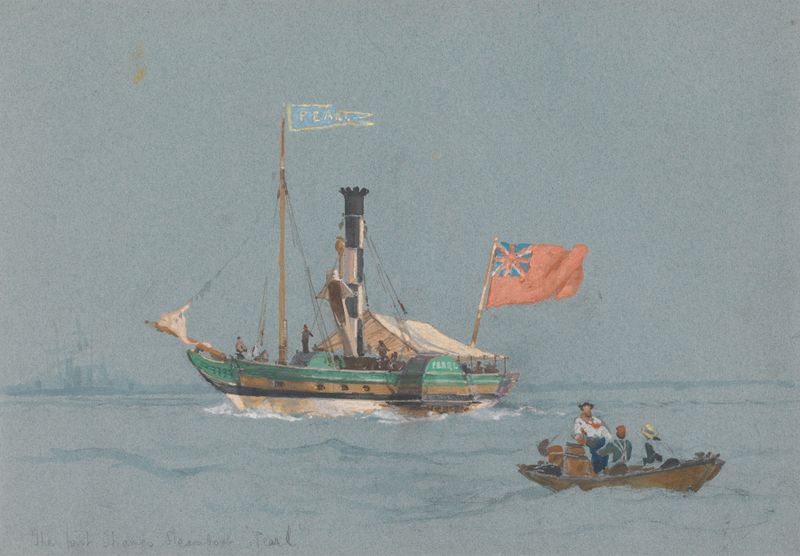
The First Thames Steamboat: Pearl
Edward Duncan
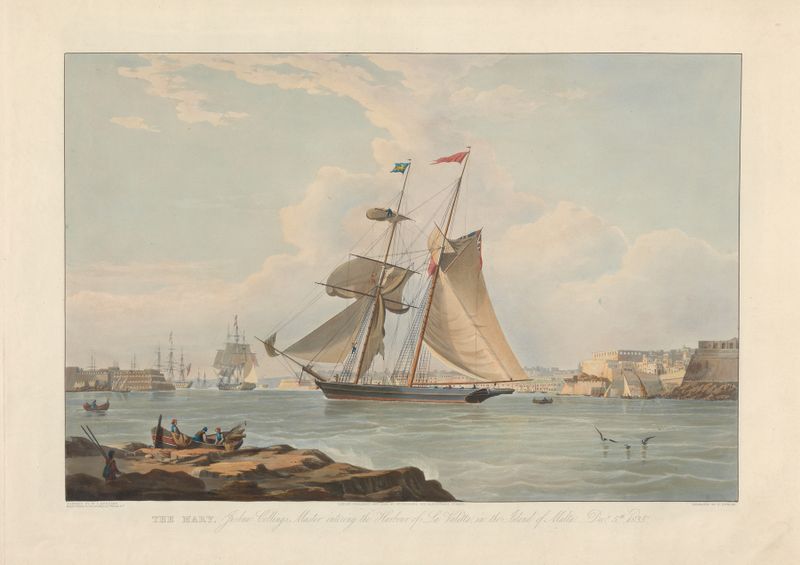
The Mary, Joshua Collings, Master, Entering the Harbour of La Valletta, in the Island of Malta, Dec. 5, 1835
Edward Duncan
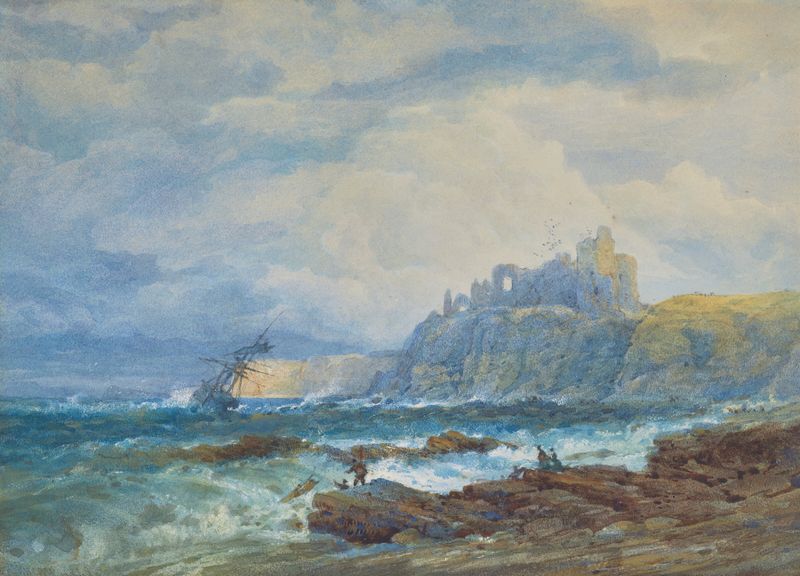
A ship in distress off Tantallon Castle, Scotland
Edward Duncan
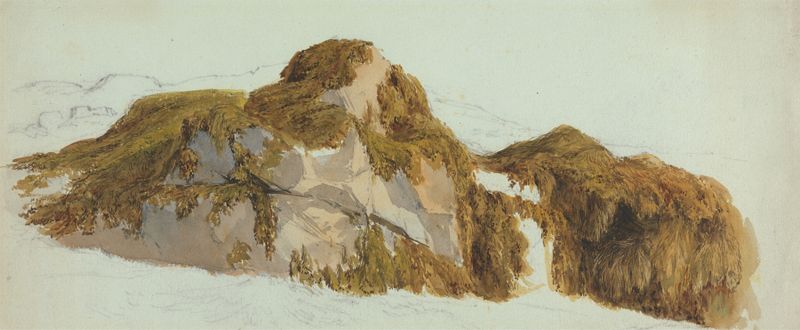
Study of Rocks Covered with Seaweed
Edward Duncan
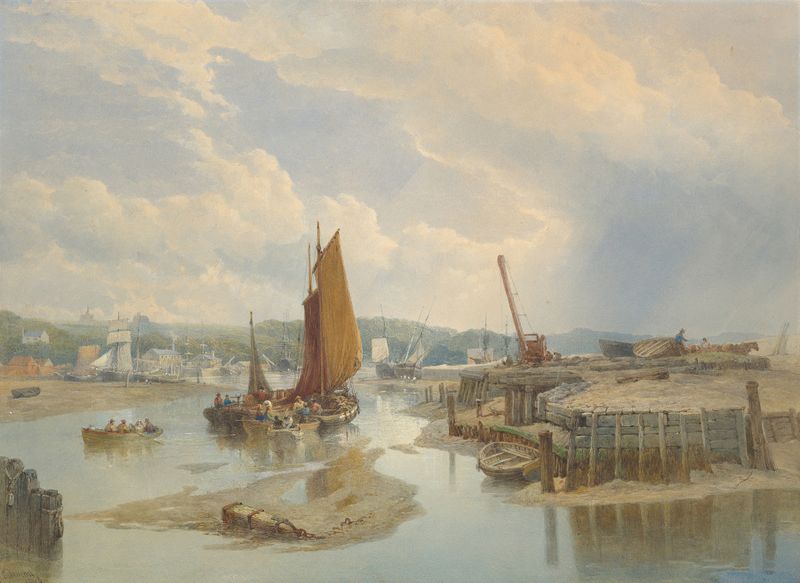
A Town on an Estuary at Low Tide
Edward Duncan
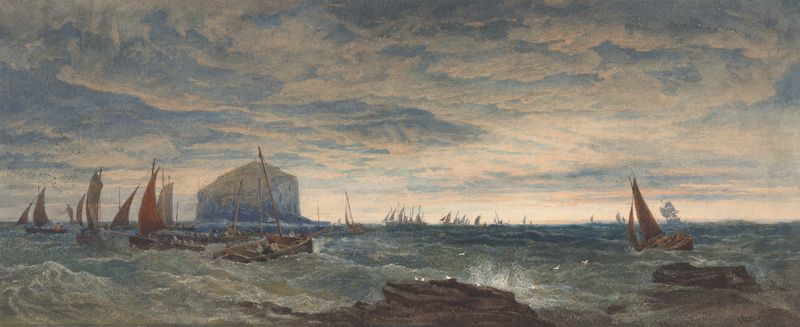
The Bass Rock at Dawn
Edward Duncan
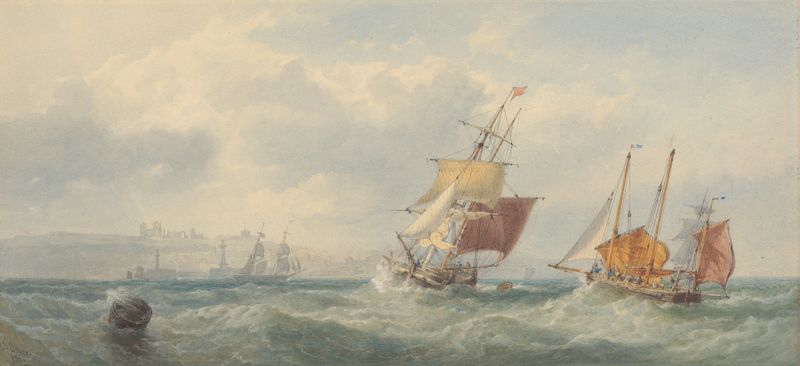
Off Whitby
Edward Duncan
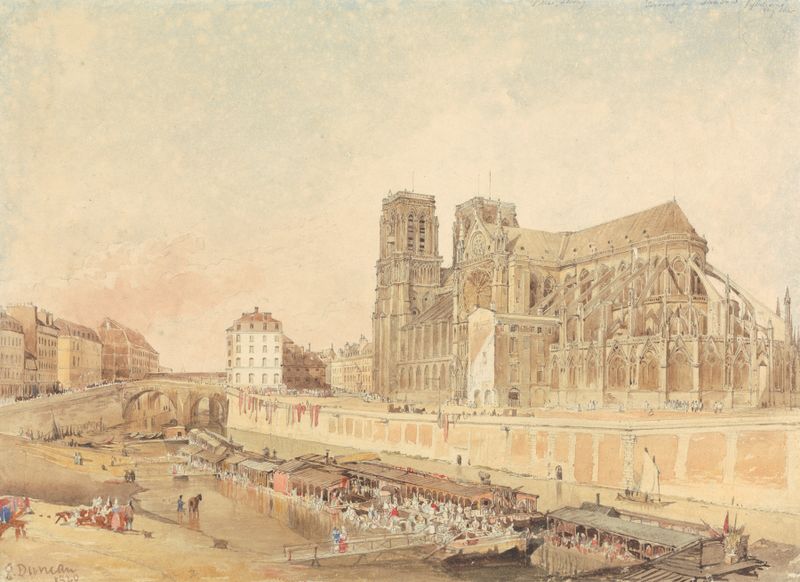
Notre Dame, Paris, from the Left Bank
Edward Duncan





