
Pheasant Shooting — History & Facts
Who listens when art speaks of silence? In Pheasant Shooting, Edward Duncan captures a moment steeped in nostalgia, inviting viewers to reflect on the echoes of a bygone era in the English countryside. Look to the left at the serene figure poised with an air of concentration, his sleek attire blending harmoniously with the muted greens and browns of the landscape. The light falls delicately upon the pheasant in mid-flight, illuminating its vibrant plumage against the soft, blurred background. This contrast in focus draws our gaze to both the hunter and his quarry, creating a visual dialogue between man and nature that pulses with anticipation. As you absorb the scene, notice the contrasting expressions carved into the faces of the men in the background — one is solemn, hinting at the weight of tradition, while the other is animated, exuding the thrill of the chase.
The use of light not only illuminates the figures but also casts shadows, suggesting the creeping passage of time and the inevitability of change. The painting encapsulates the tension between reverence for nature and the human impulse to dominate it, evoking a sense of longing for simpler times. In 1825, Edward Duncan was creating this piece against a backdrop of shifting social norms in England, where the romantic ideal of rural life was juxtaposed with emerging industrialization. The artist, well-versed in capturing the essence of countryside pursuits, reflected his own nostalgia for rural traditions while navigating an increasingly modern world, ensuring that Pheasant Shooting resonates as both a celebration and a critique of his time.
More Artworks by Edward Duncan
Browse all →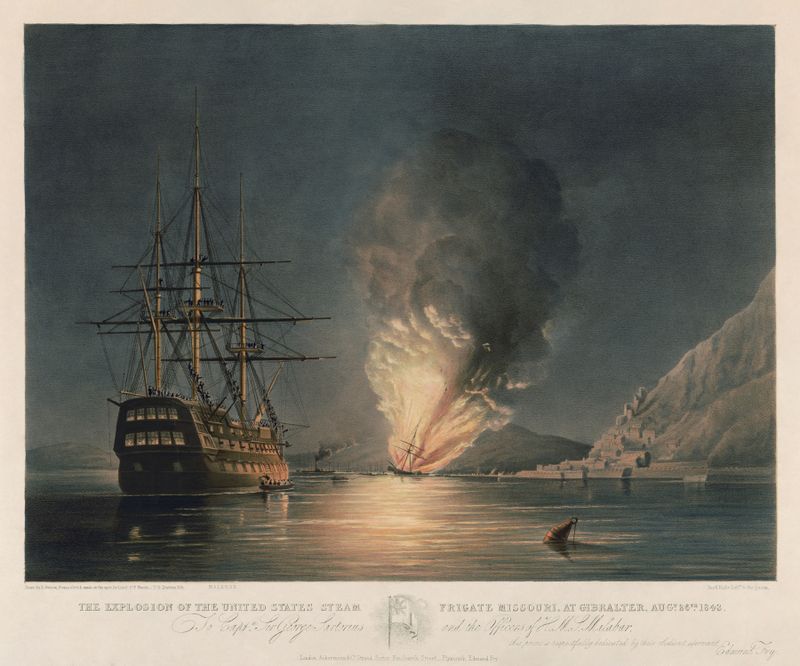
The Explosion of the United States Steam Frigate Missouri
Edward Duncan
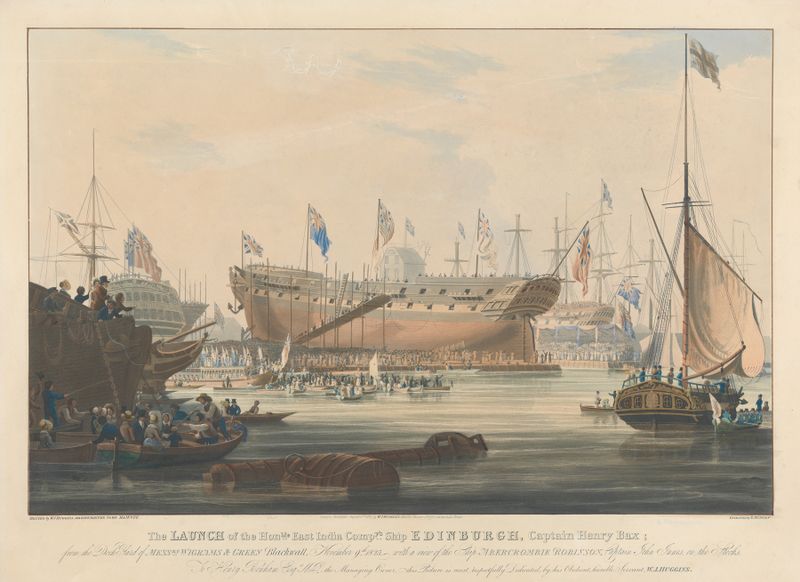
Launch of the ‘Edinburgh’, Blackwall, Nov. 9, 1825
Edward Duncan
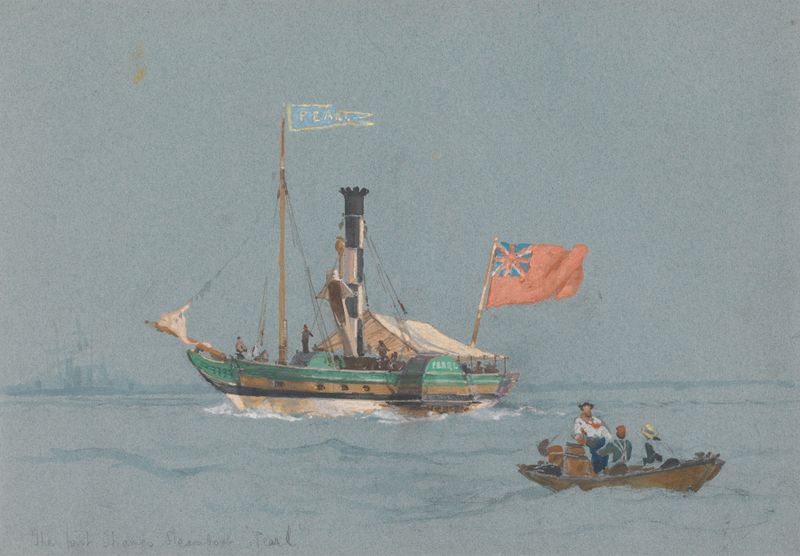
The First Thames Steamboat: Pearl
Edward Duncan
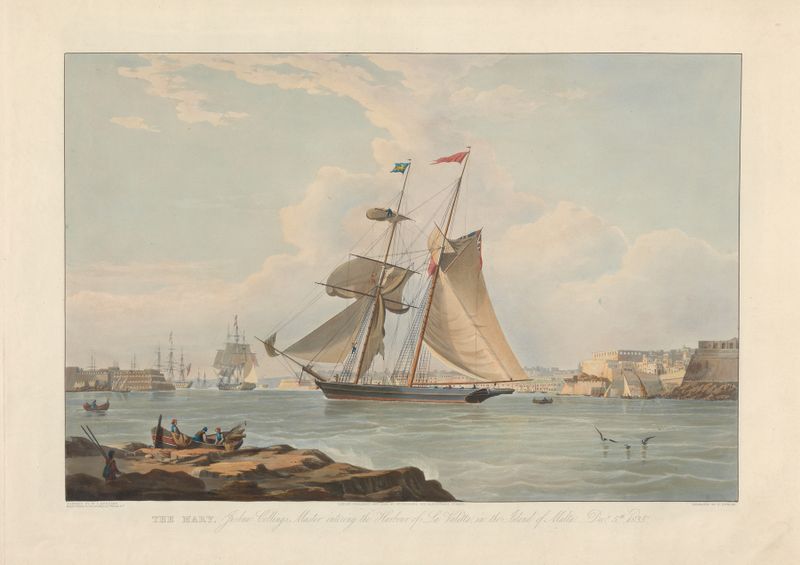
The Mary, Joshua Collings, Master, Entering the Harbour of La Valletta, in the Island of Malta, Dec. 5, 1835
Edward Duncan
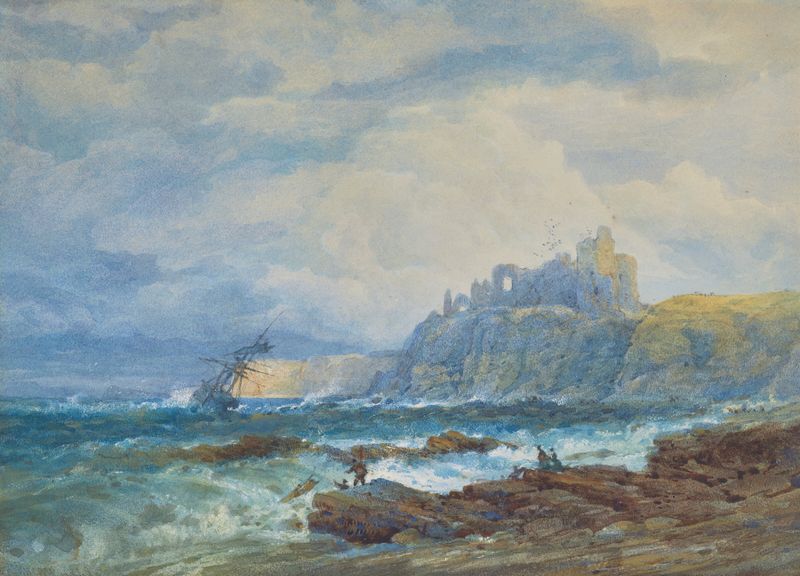
A ship in distress off Tantallon Castle, Scotland
Edward Duncan
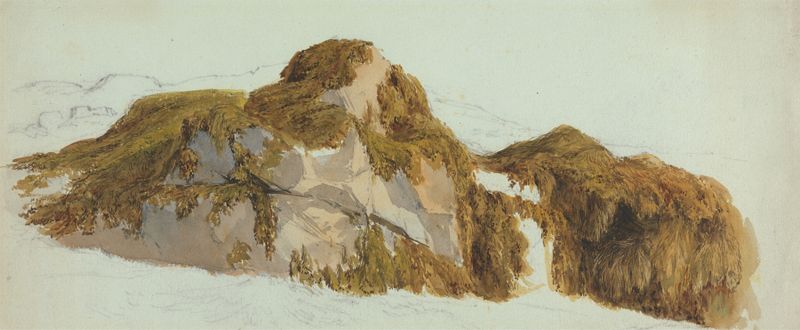
Study of Rocks Covered with Seaweed
Edward Duncan
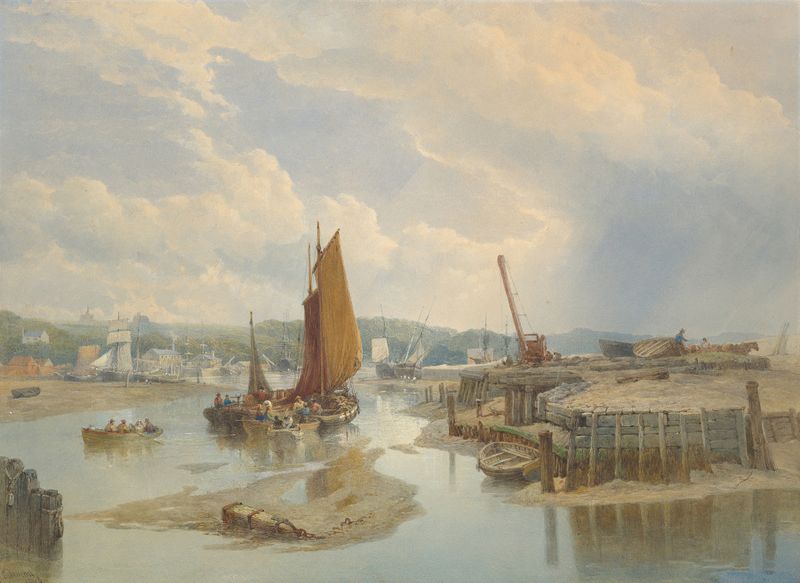
A Town on an Estuary at Low Tide
Edward Duncan
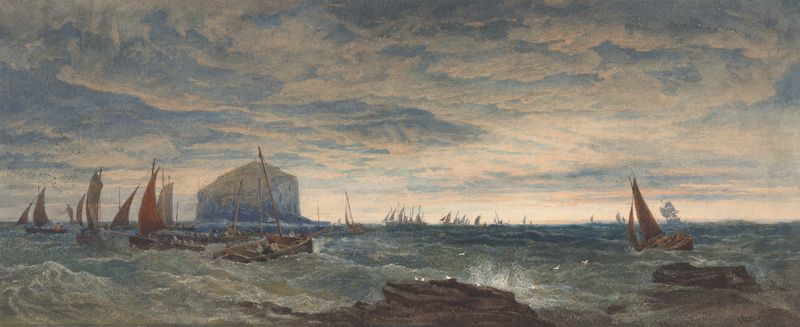
The Bass Rock at Dawn
Edward Duncan
Off Whitby
Edward Duncan
Notre Dame, Paris, from the Left Bank
Edward Duncan





