
Pheasantry in the Forest of Compiègne — History & Facts
In the heart of chaos, beauty often finds its place, and Pheasantry in the Forest of Compiègne embodies this profound tranquility amid the tumult of nature. Look to the left at the intricate interplay of light and shadow filtering through the trees, creating a dappled pattern on the forest floor. The artist’s brushwork captures the lush greens and browns of the foliage, with soft yet deliberate strokes suggesting the wind’s gentle caress. The warm hues invite the viewer to explore the serene scene, drawing the eye to the central pheasantry, beautifully framed by the surrounding woodland, which stands in stillness, almost defiant against the encroaching elements. Amidst the vivid representation of the natural world, deeper meanings emerge.
The pheasants, symbols of both beauty and fragility, evoke a tension between man and nature, suggesting the delicate balance in ecosystems often disrupted by chaos. The harmony of the scene belies the tumult that lies just beyond the canvas, a reminder that within disorder, one can find solace if one dares to look. The stillness here is more than mere representation; it is an invitation to reflect on what lies beneath the surface of life. In 1833, Rousseau painted this piece while immersing himself in the rich landscapes of France's forests, particularly the one near Compiègne.
During this period, he was influenced by the evolving Romantic movement, which celebrated nature’s raw beauty and emotional depth. His life was marked by a search for authenticity, and Pheasantry in the Forest of Compiègne captures that essence, a moment of quiet reflection against the backdrop of a world in transformation.
More Artworks by Théodore Rousseau
Browse all →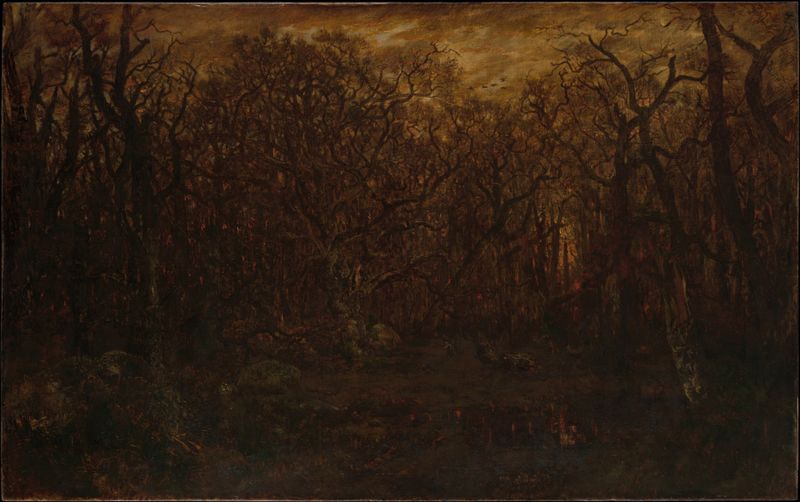
The Forest in Winter at Sunset
Théodore Rousseau
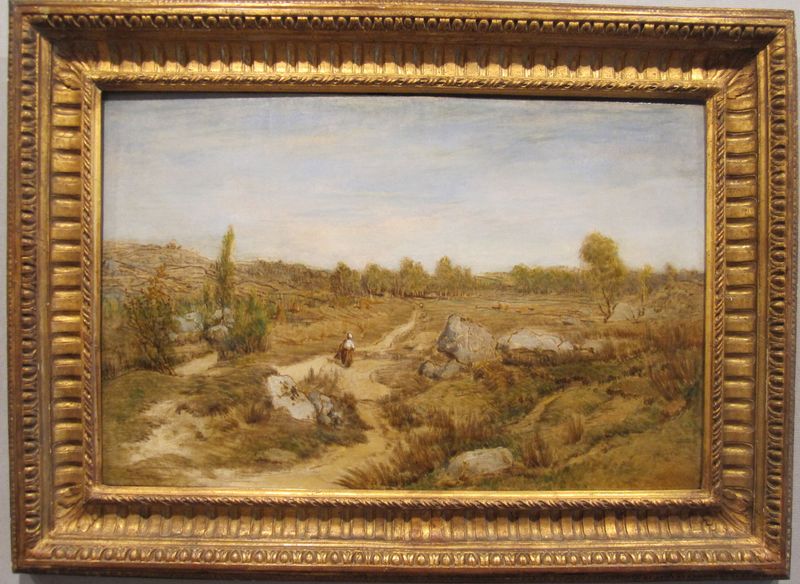
Valley of the Rouars in the Gorges d’Apremont
Théodore Rousseau
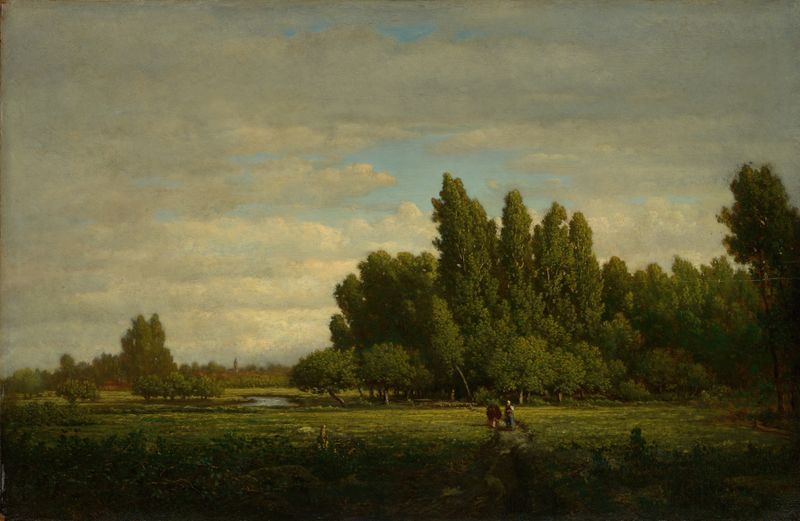
A Meadow Bordered by Trees
Théodore Rousseau
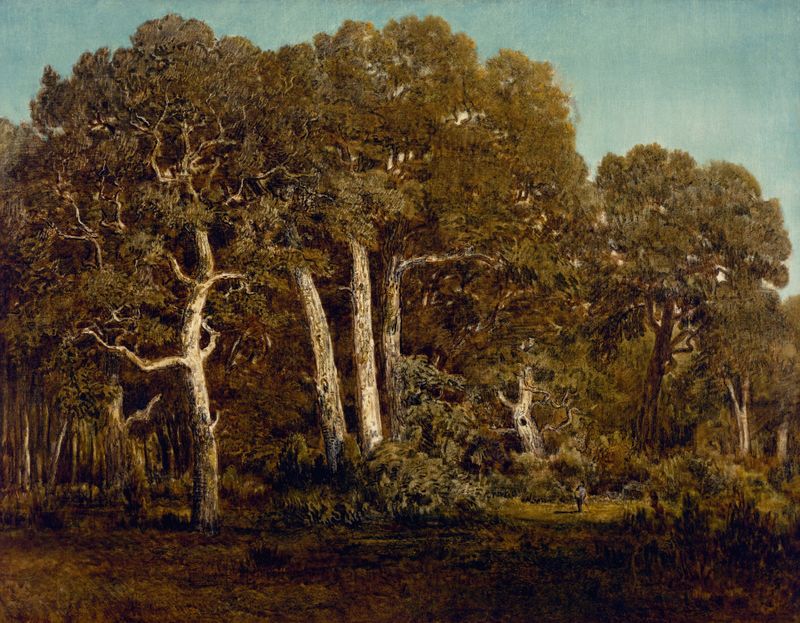
The Great Oaks of Old Bas-Bréau
Théodore Rousseau
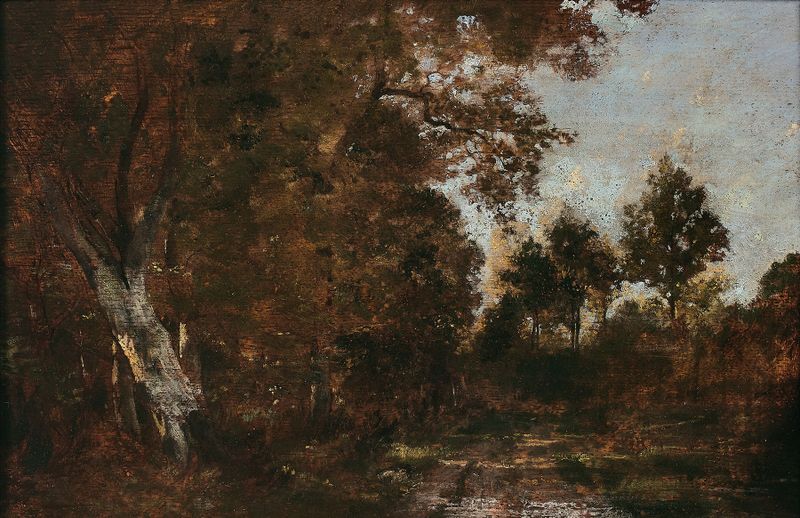
Paysage de sous-bois
Théodore Rousseau
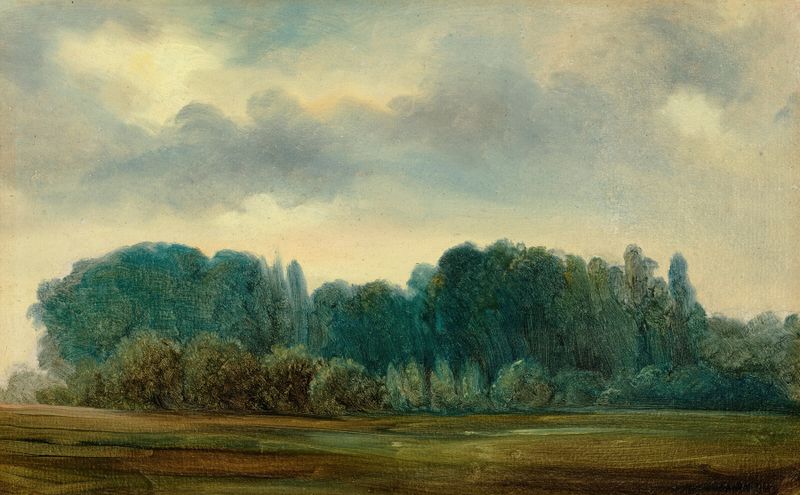
Paysage
Théodore Rousseau
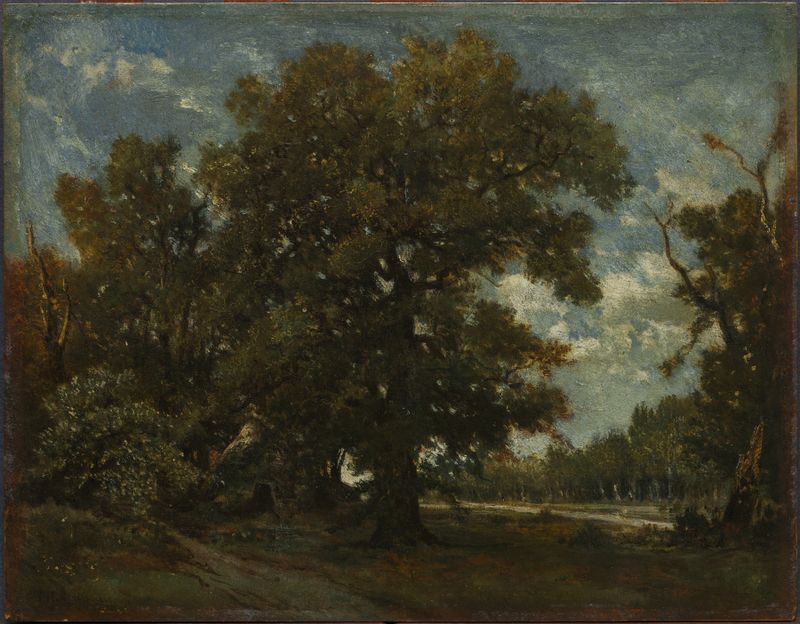
The Oak Tree
Théodore Rousseau
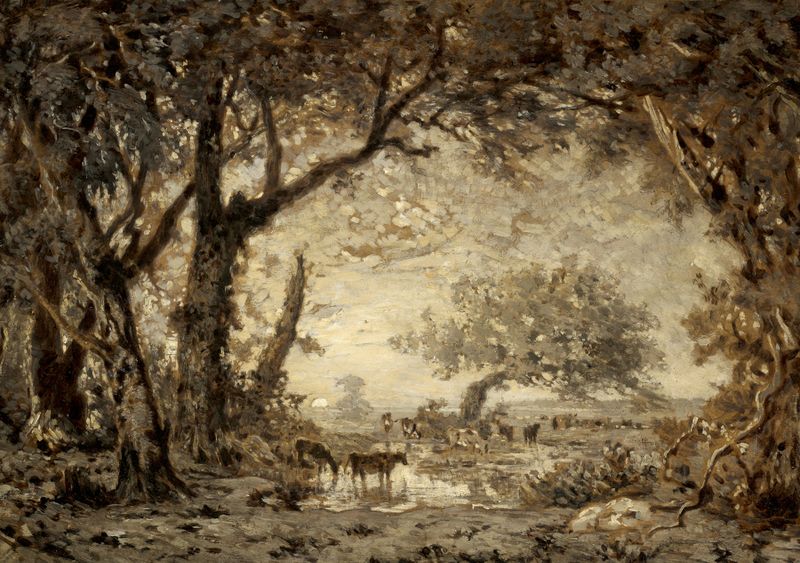
Sunset from the Forest of Fontainebleau
Théodore Rousseau
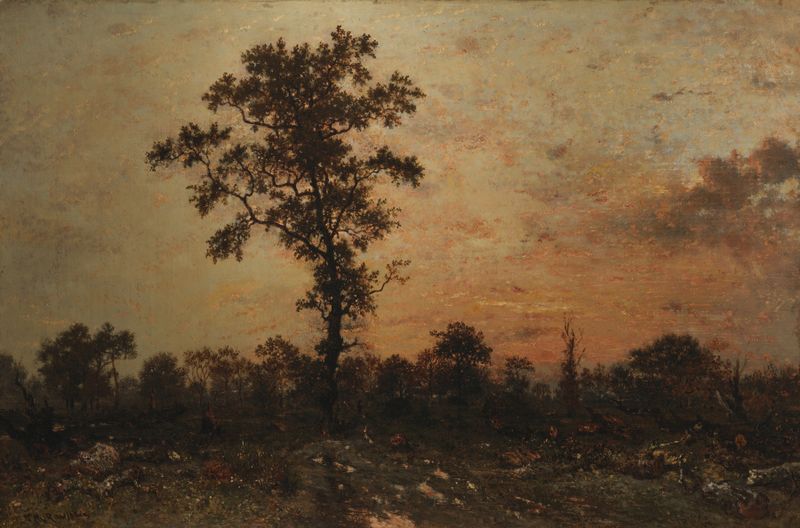
Edge of the Forest, Sun Setting
Théodore Rousseau
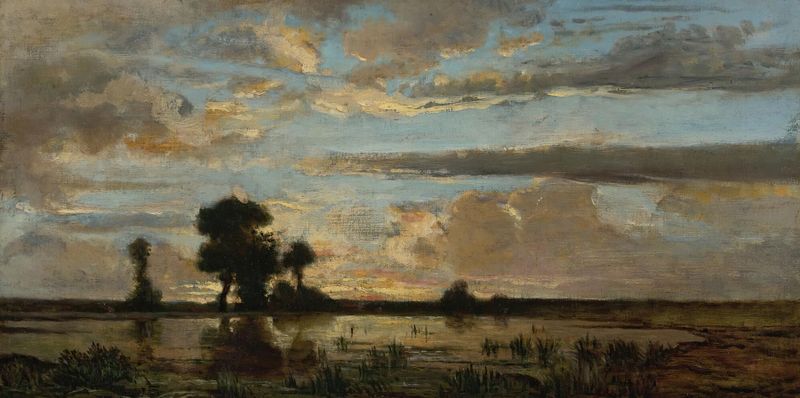
Soleil Couchant
Théodore Rousseau





